Vaibhav Sooryavanshi’s childhood coach questions Gautam Gambhir’s ‘Dictatorship’
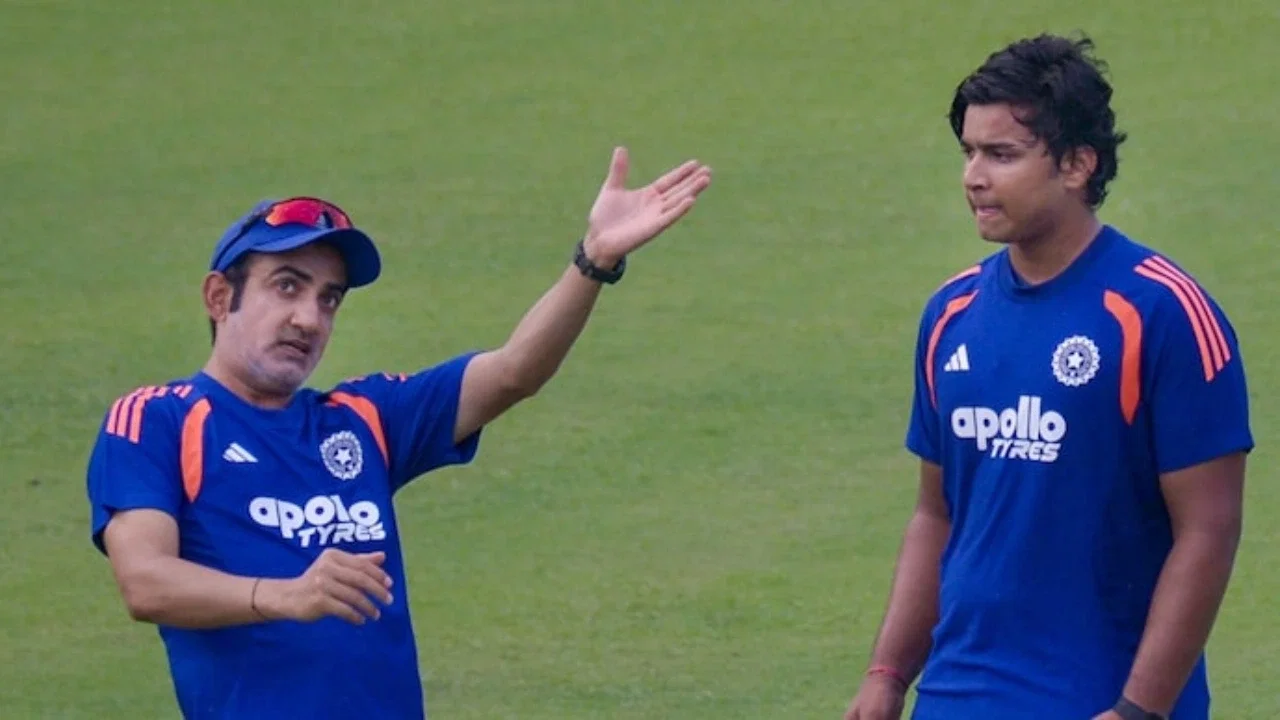
Controversy Sparks Over Indian Cricket Team’s Selection Strategy: Vaibhav Sooryavanshi’s Coach Criticizes Gambhir and Management
The Indian cricketing fraternity finds itself embroiled in a heated debate as recent selection decisions in the ongoing T20I series against the West Indies have come under intense scrutiny. Central to this controversy is the conspicuous absence of teenage batting prodigy Vaibhav Sooryavanshi from the playing XI, despite his impressive performances and promising potential. His childhood coach, Manish Ojha, has publicly expressed his disappointment and frustration, openly criticizing the team management and head coach Gautam Gambhir for what he perceives as a neglectful and authoritarian approach to nurturing young talent.
Prediction in Focus: The Missing Teenager and the Future of Indian Cricket
As India leads the series 2-1 with two matches remaining, questions loom large over the team’s strategy—particularly regarding the development of future stars. The controversy underscores a broader debate within Indian cricket about balancing immediate results with long-term talent development. Many experts and fans are now questioning whether the current selection policies, which seemingly favor experience over youth, align with the country’s ambitions of building a resilient and dynamic team for upcoming international tournaments, including the 2026 Asian Games and the next World Cup cycle.
Manish Ojha’s Critique: A Coach’s Perspective on Player Development and Selection
Manish Ojha, a respected figure in cricket coaching circles who mentored Sooryavanshi during his formative years, has voiced his concerns through media outlets such as Sports Now. He laments that the Indian team management appears to be adopting a dictatorial mindset—making decisions based on whims rather than strategic player development. Ojha emphasizes that sitting on the bench does not foster improvement, especially for a teenager like Sooryavanshi, who has demonstrated exceptional talent in domestic circuits and age-group tournaments.
“I feel that the management that is here right now is practicing a kind of dictatorship where whatever comes to mind, they will do,” Ojha said. “This current Indian team management believes that players are made by keeping them on the bench. But sitting on the bench has never created a player, nor will it.”
His critique highlights a fundamental dilemma in Indian cricket: should young players be given opportunities early, or should they be groomed patiently in domestic leagues before stepping onto the international stage? Ojha’s stance advocates for a more inclusive approach that prioritizes the growth and confidence of upcoming talent.
Selection Decisions and the Sanju Samson Dilemma
The series has also seen a series of tactical reshuffles, particularly in the opening positions. Sanju Samson, a seasoned wicketkeeper-batsman with significant experience, initially opened in warm-up matches ahead of the Asian Games 2026 in Japan. However, he was later shifted to No. 3 position, making room for Sooryavanshi to open alongside Abhishek Sharma. Yet, with the return of Sanju Samson to the top order for the West Indies series, Vaibhav once again found himself sidelined, sitting out as a mere spectator.
This pattern has raised eyebrows among cricket pundits and fans alike, who wonder whether the team management has already made up its mind about the young prodigy’s future in the national setup. The repeated benching appears to be a calculated move to frustrate Sooryavanshi, potentially stalling his development at a critical juncture in his career.
The Personal Touch: Prince Yadav’s Revelation and Player Frustration
Adding a personal dimension to this controversy, Prince Yadav, a teammate of Sooryavanshi, revealed an emotional message from Abhishek Sharma, who gifted a bat to Sooryavanshi with the plea, “Beizzati mat kara diyo” (Don’t embarrass him). Yadav shared that Sooryavanshi’s frustration is palpable, and he feels that the young player is being intentionally kept out of the game to serve the interests of team selection policies.
“Either they have already decided that this kid will not be given a chance, or they are deliberately keeping him out to frustrate him,” Yadav said. “He’s sitting outside, carrying water, and watching others play while he waits for his turn that may never come.”
Will There Be a Chance Before the New Zealand Tour?
As the series progresses, the Indian team’s leadership faces mounting pressure to justify their selection choices. With only two matches remaining, cricket fans and experts alike are eager to see if head coach Gautam Gambhir and the team management will give Vaibhav Sooryavanshi a genuine opportunity to showcase his skills before the squad departs for the challenging New Zealand tour.
The upcoming matches are viewed as crucial for the young batter’s future prospects. A positive prediction suggests that the selectors might finally recognize the importance of nurturing young talent, especially with the ICC T20 World Cup and other major tournaments on the horizon. Conversely, if Sooryavanshi continues to sit out, critics argue that it could signal a missed opportunity for India to build a stronger, more diverse team capable of adapting to different conditions and pressures.
Broader Implications for Indian Cricket: Balancing Youth and Experience
This controversy touches on a fundamental aspect of cricket strategy—how to balance experienced campaigners with emerging talents. While seasoned players bring stability and leadership, young players inject energy, innovation, and long-term potential into the team. The prediction for Indian cricket’s future hinges on whether the current management will adapt their approach to include more youth, fostering a culture of growth that can sustain success across formats.
Experts believe that giving Sooryavanshi and other young talents consistent game time could pay dividends in the long run. It could also send a positive message to aspiring cricketers across India, emphasizing that talent and hard work are the true pathways to national recognition, rather than mere seniority or reputation.
Conclusion: A Critical Juncture for Indian Cricket’s Development
The ongoing series against the West Indies has become more than just a contest for series victory; it has become a reflection of the evolving philosophy of Indian cricket. The prediction remains uncertain—will the team management reconsider their approach and give emerging talents like Vaibhav Sooryavanshi a fair shot? Or will the current strategy, criticized for its rigidity, continue to dominate?
As the cricketing world watches closely, the decisions made in the coming days will undoubtedly influence the trajectory of India’s cricketing future. The hope among fans and experts is that the selectors and coaches will prioritize player development and recognize that nurturing young talent is essential for maintaining India’s dominance on the global stage.
In conclusion, the controversy surrounding Vaibhav Sooryavanshi’s sidelining is a significant indication of the ongoing debate about how best to cultivate the next generation of Indian cricket stars. The prediction for Indian cricket’s future hinges on whether this talented teenager will finally get the opportunity he deserves before the team heads into a pivotal phase of international competition.
Latest News
Ollie Pope among 3 England players to boycott Afghanistan Premier League T20
Stuart Broad, Jos Buttler name Top 10 Test bowlers of this century, Jasprit Bumrah beats several legends
Virat Kohli takes his first step on LinkedIn at 37 with a long post
Ayush Mhatre ruled out of Ranji Trophy games with hamstring injury, Mumbai suffer blow
Vaibhav Sooryavanshi’s childhood coach questions Gautam Gambhir’s ‘Dictatorship’
England ODI, T20I squads for Australia tour announced, Jacob Bethell returns, Thomas Rew called-up
First-ever cricketer! Litton Das achieves rare batting and wicketkeeping double in Test cricket history
Rahmat Shah joins Virat Kohli on Test captaincy throne
Ben Stokes nightclub row comes back to haunt Totoa Auvaa as Saracens sack the player
BCCI president Mithun Manhas gives update on Virat Kohli, Rohit Sharma’s future
Sri Lanka Test squad for Pakistan series announced, Pathum Nissanka doubtful
Abishek Porel speaks about rape case after scoring Ranji Trophy century
Anrich Nortje delivery leaves Steve Smith requiring concussion assessment
Shubman Gill becomes first cricketer to win ICC Player of the Month five times