Watch: Pat Cummins gets into heated fight with wife before addressing Usman Khawaja’s Sandpapergate claims
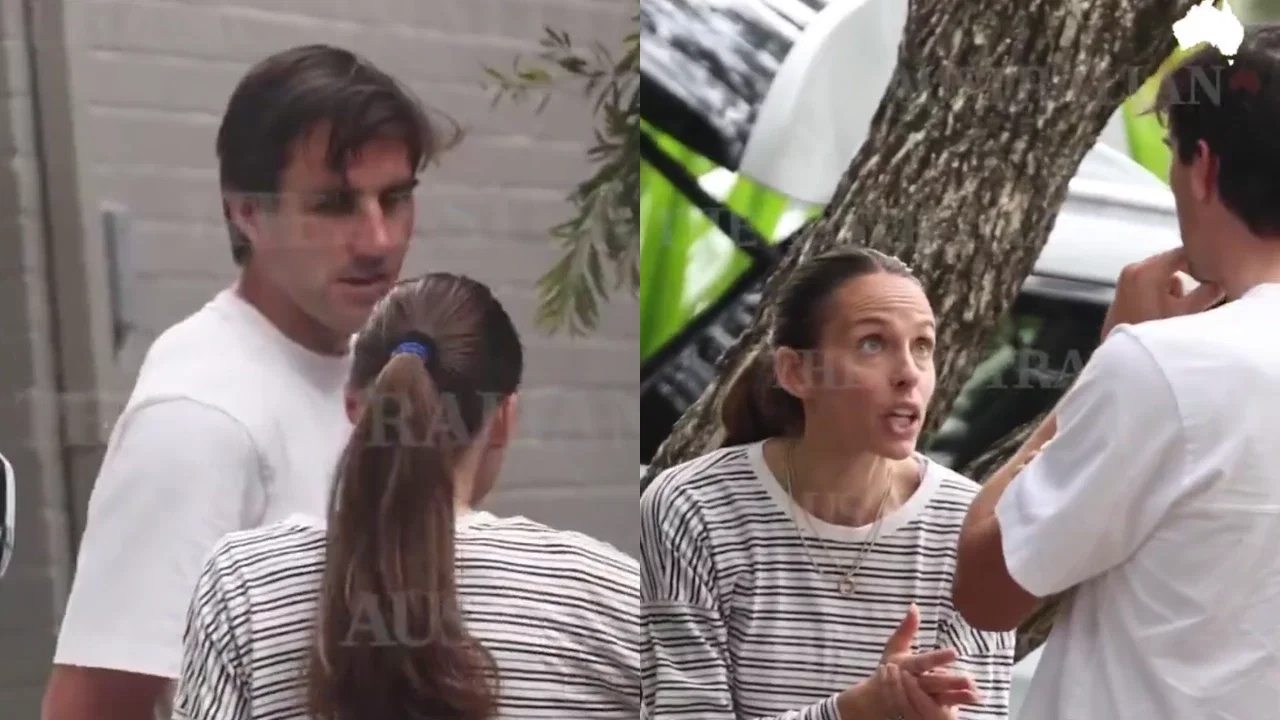
Pat Cummins to Address Sandpapergate Claims After Usman Khawaja’s Book Reopens 2018 Scandal
Australia captain Pat Cummins is preparing to respond publicly to renewed questions about the 2018 ball-tampering scandal, after former teammate Usman Khawaja revisited the episode in his autobiography, Sabr. Khawaja’s account has revived debate over what members of the touring squad knew before Cameron Bancroft was caught using sandpaper during the Cape Town Test.
Cummins confirmed that he would speak to reporters at Cricket Central in Sydney on Friday morning, November 13, at 9:30 am AEDT. The fast bowler said he had taken time to consider the full scope of Khawaja’s claims before addressing them. His appearance is expected to draw significant attention from Australian cricket supporters, who have long sought a clearer account of how the plan developed and who knew about it.
What Usman Khawaja Claims in Sabr
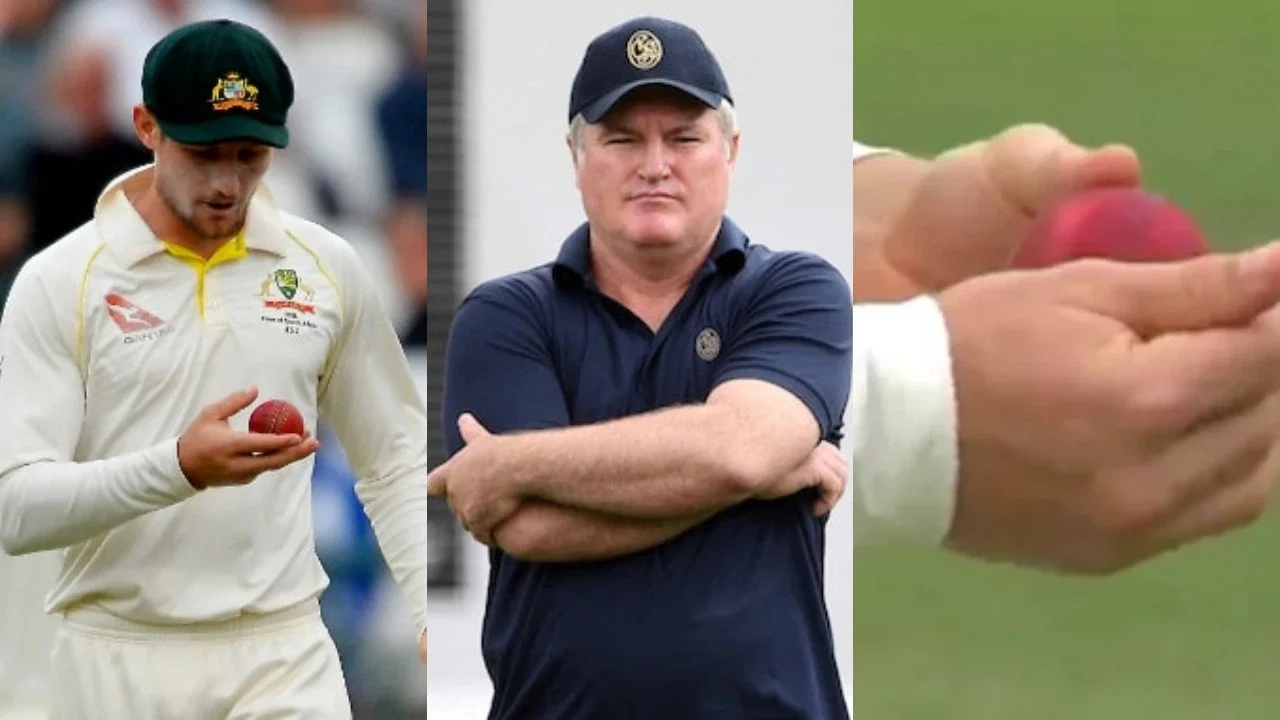
Released on November 10, Khawaja’s autobiography returns to Australia’s 2018 tour of South Africa, one of the most damaging episodes in the team’s recent history. The scandal erupted during the third Test in Cape Town, when television cameras captured Bancroft attempting to alter the ball with a piece of sandpaper.
Khawaja’s account suggests that discussion about changing the ball may have begun earlier in the series. He claims the idea was raised during the second Test in Port Elizabeth, now known as Gqeberha, when Australia were generating reverse swing. According to Khawaja, Bancroft volunteered to use sandpaper during that match.
The former opener also says the plan was known within the team before Bancroft was filmed in Cape Town. Khawaja describes sitting beside Bancroft during the third Test and witnessing interactions that, in his view, raised questions about the team’s awareness of what was happening.
These are Khawaja’s allegations, rather than findings from a new official inquiry. Their significance lies partly in the contrast with the account established after the scandal, when Cricket Australia’s investigation identified Bancroft, Steve Smith and David Warner as responsible and imposed suspensions.
Questions About the Original Investigation
Khawaja has also questioned how thoroughly Cricket Australia examined the events. He says he was never interviewed as part of the original investigation, despite being a member of the touring squad. That claim has renewed discussion about who was consulted, what evidence was considered and whether the inquiry captured the full range of team knowledge.
In 2021, Cummins, Mitchell Starc, Josh Hazlewood and Nathan Lyon issued a joint statement denying prior knowledge that a foreign substance would be taken onto the field. Khawaja’s new account has placed that denial back under scrutiny, although it does not by itself establish that the four players knew about or supported the plan.
Former Australia captain Michael Clarke has publicly challenged Cummins to respond, arguing that supporters deserve clarity. Clarke has also called for the matter to be examined again. David Warner, who received a suspension for his role in the 2018 episode, has backed Khawaja’s account, adding another prominent voice to the renewed debate.
Cummins Confirms Media Appearance
After several days of growing attention, Cummins announced on X that he would be available to speak with the media. He said he had taken time to understand the “full extent” of Khawaja’s allegations so that he could respond properly.
“I’m training at Cricket Central tomorrow morning before the Blues play in the Shield match. Happy to speak with any and all media about the events of this week at 9.30 am,” Cummins wrote. He added that he would ask Cricket Australia to share the details and encouraged reporters and supporters to stay for the Sheffield Shield match.
The timing of the session is notable. Rather than issuing a brief written response, Cummins has invited media outlets to attend, creating an opportunity for follow-up questions about the 2018 tour, the original investigation and the claims made in Sabr. His answers may help clarify his own recollection, but any broader resolution could depend on whether Cricket Australia considers further review necessary.
Street Footage Draws Attention, but Offers No Answers
Separate footage of Cummins speaking with his wife, Becky, on a Sydney street has also circulated since Khawaja’s revelations. Published by The Australian, the video shows the couple in what appears to be an animated conversation before they enter a nearby property.
The footage does not establish what they were discussing, and there is no confirmed connection between the exchange and the Sandpapergate claims. Its timing has nevertheless attracted public attention, illustrating how quickly personal moments can become part of the wider news cycle when a prominent athlete is at the centre of a major controversy.
Why the Sandpapergate Debate Still Matters
The 2018 scandal had consequences well beyond the suspensions handed to Smith, Warner and Bancroft. It damaged Australia’s reputation, prompted leadership changes and led to intense scrutiny of the team’s culture and conduct. For many supporters, the central issue has never been only the act of ball-tampering, but whether the full story was established at the time.
Khawaja’s testimony has renewed that question years later. His account introduces claims about an earlier discussion in Port Elizabeth and challenges the completeness of the original inquiry. At the same time, the allegations need to be distinguished from verified findings: the public record has not yet changed, and Cummins has not delivered his response.
Cummins is currently resting from Australia’s white-ball series against England as he prepares for a four-Test series against New Zealand. His scheduled media appearance is therefore likely to be closely watched, both for what he says and for whether he supports an independent reassessment of the case.
Any prediction about the long-term impact of the latest revelations remains uncertain. Much will depend on the detail of Cummins’ response and whether Cricket Australia decides to revisit the investigation. For now, Khawaja’s book has reopened a chapter Australian cricket had hoped to leave behind—and placed the demand for transparency back at the centre of the conversation.
Latest News
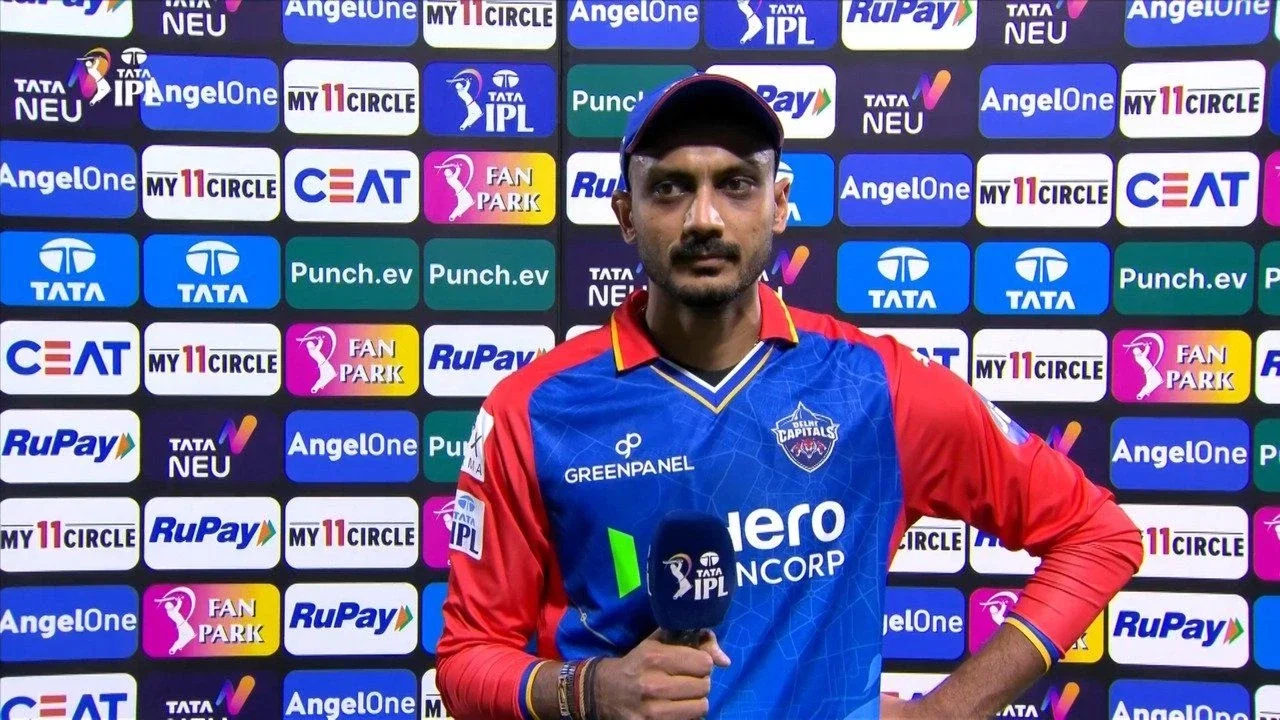
Axar Patel leaves Delhi Capitals captaincy, franchise faces leadership call
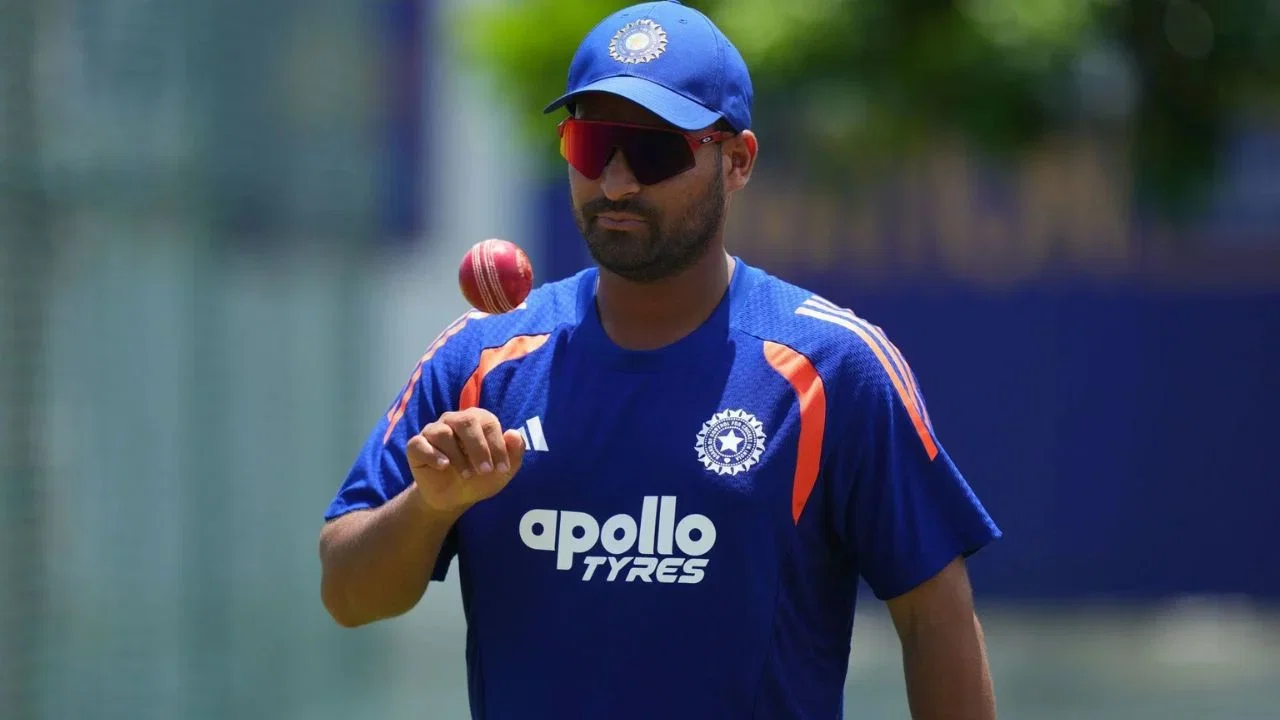
Auqib Nabi breaks silence on slow bowling speeds, admits ODI selection shock
Watch: Pat Cummins gets into heated fight with wife before addressing Usman Khawaja’s Sandpapergate claims

11:11 special! Kavya Maran marries Anirudh as Arshdeep Singh proposes to girlfriend Samreen Kaur

“It was a blunder”: Mohammad Kaif calls out Hardik Pandya over GT exit
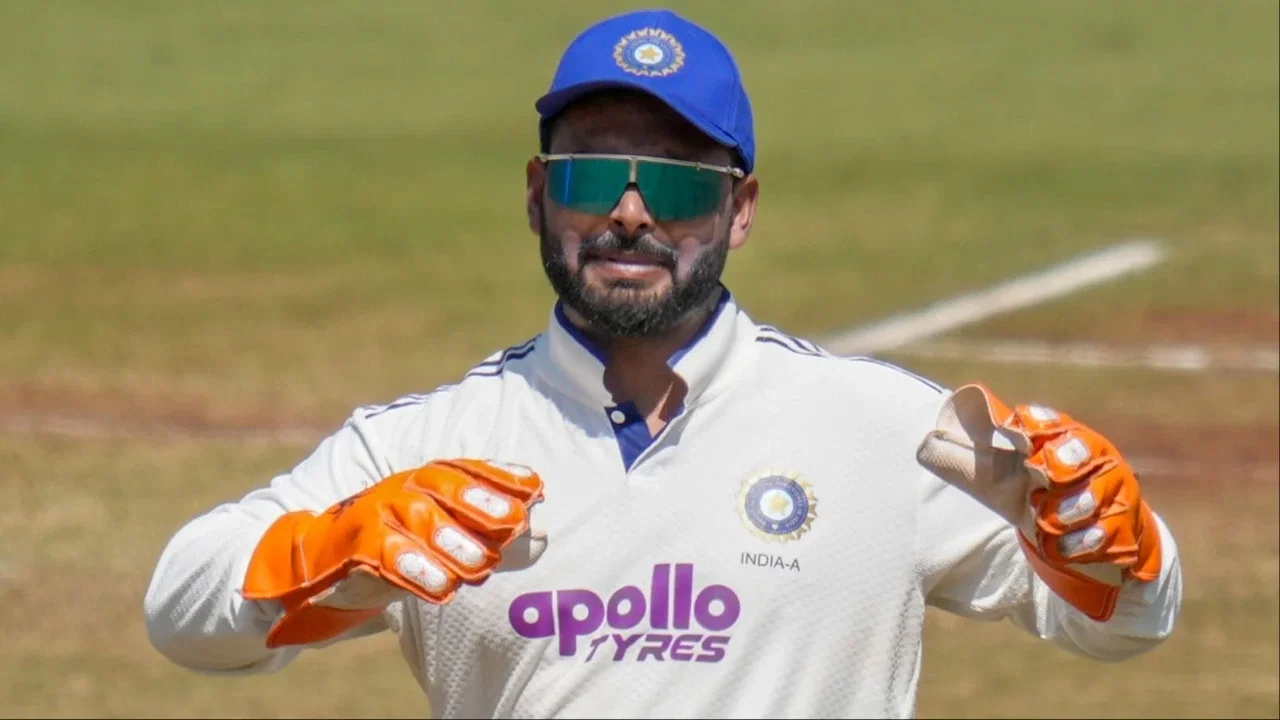
Rishabh Pant declared fit, set to join India squad for New Zealand Tests
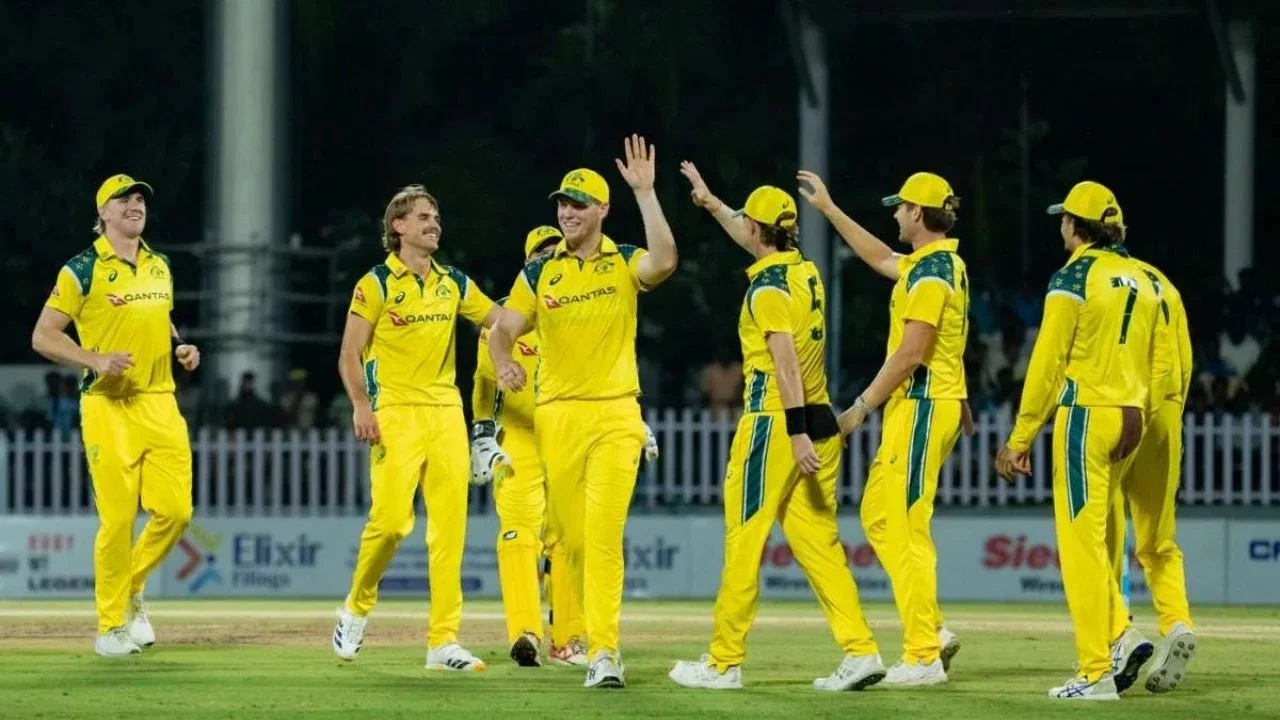
Mitchell Marsh confirms Mahli Beardman’s dream ODI debut in Perth vs England
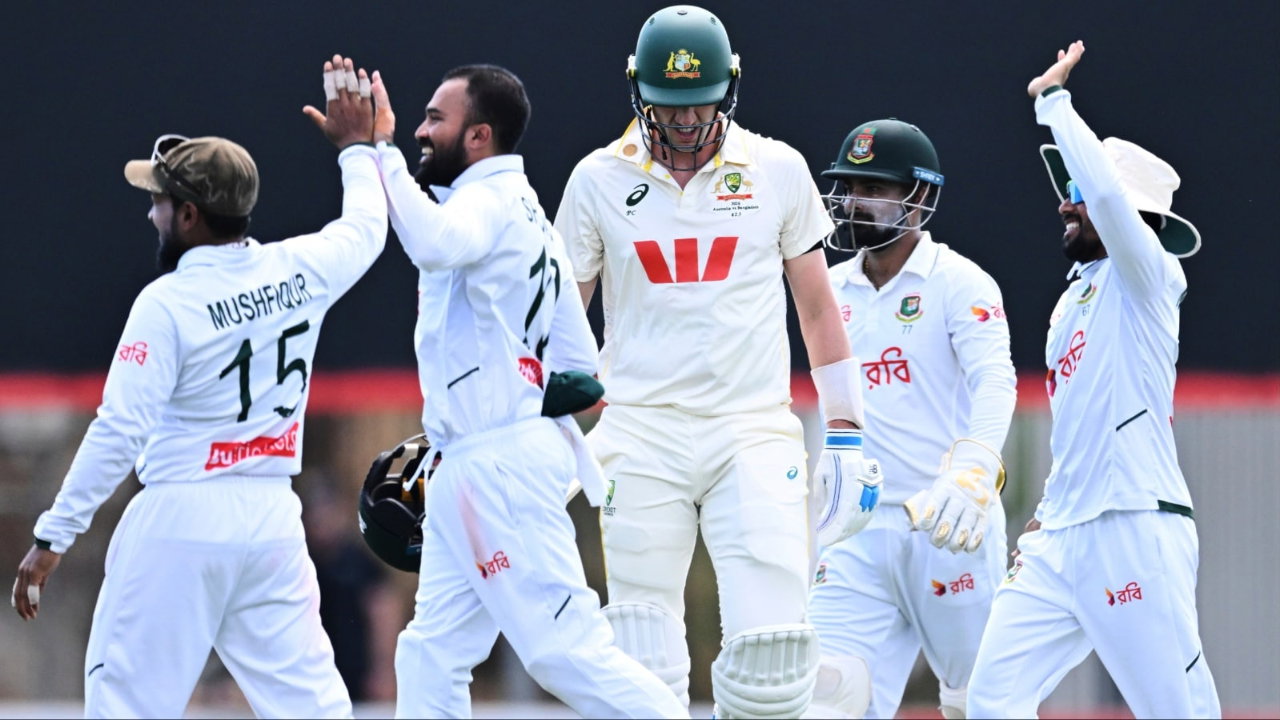
Bangladesh eye Ireland Test ahead of 2027 Lord’s clash against England
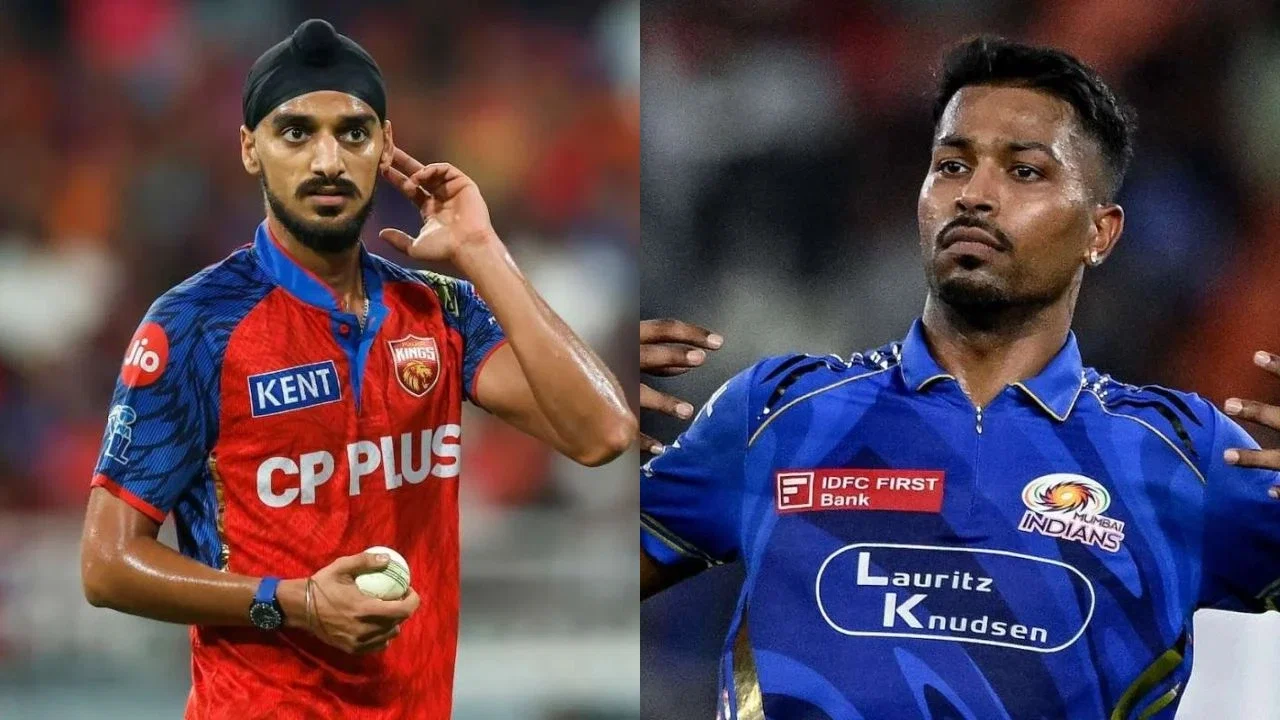
Punjab Kings co-owner breaks silence on Hardik Pandya deal, reveals rival franchises were interested
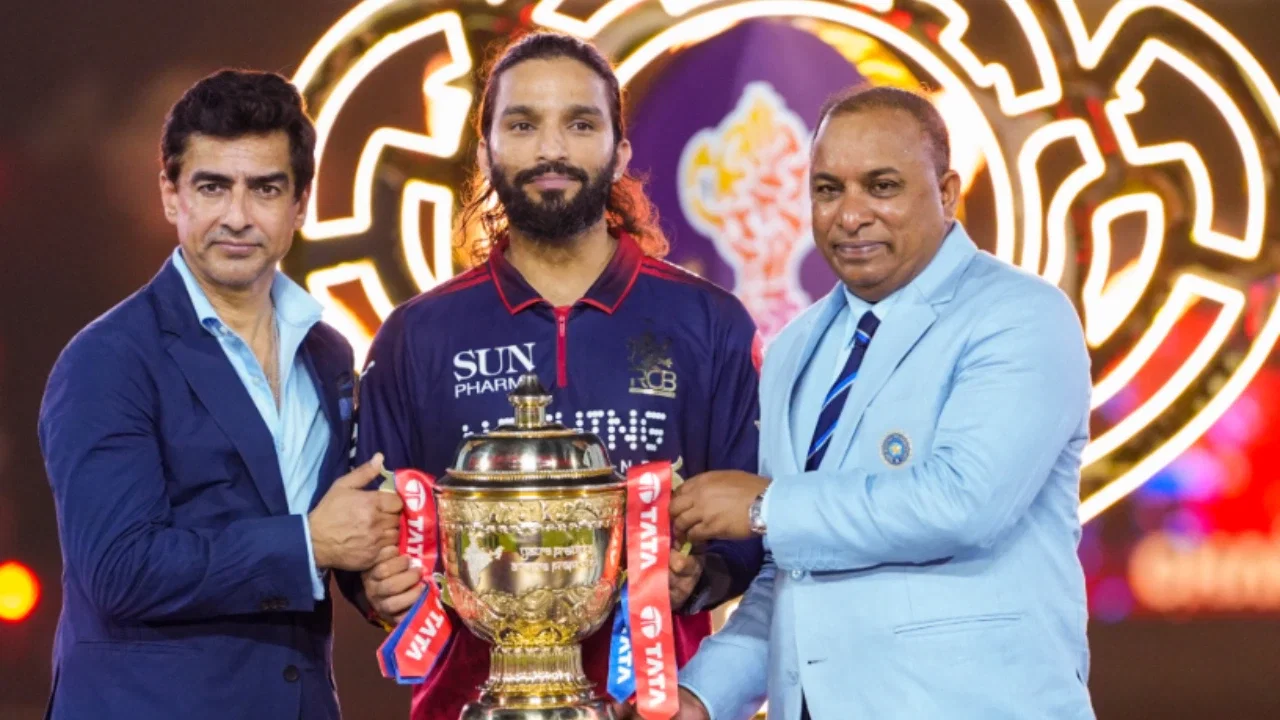
BCCI breaks silence on IPL 2028 expansion, clears air on Rs 150 Crore team purse

How T20 Cricket Is Changing the Way Fans Enjoy Online Entertainment
Stuart MacGill breaks silence on Australia’s ball-tampering culture
Joe Root fires back at reporters over Australia’s Sandpapergate scandal ahead of ODI series
Mitchell Starc set to play for DC in IPL 2027, but with one condition