Why Australia’s stars are set to miss much of the 2026-27 WNCL
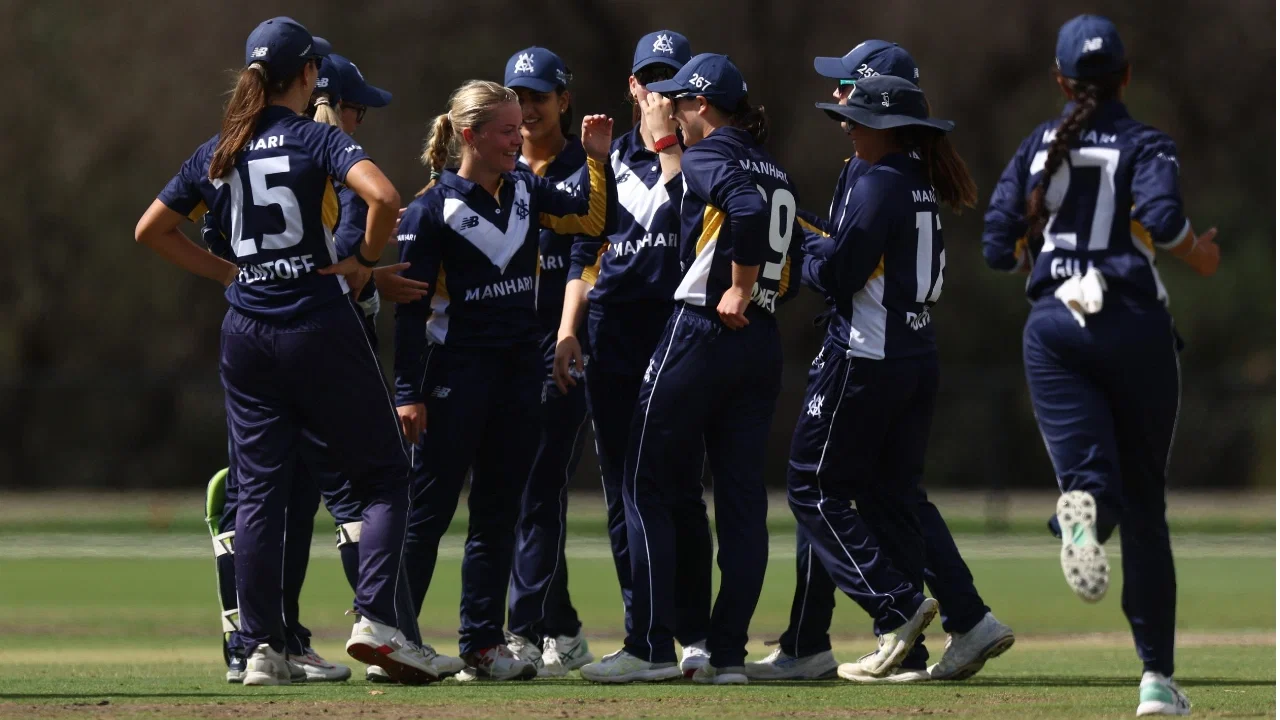
Australia Women’s National Cricket Team Predicted to Miss WNCL 2026-27 Due to International Schedule
The Australia Women’s National Cricket Team is expected to face a challenge in participating in the upcoming domestic WNCL competition in 2026-27 due to a tightly packed international schedule during the southern hemisphere summer. This prediction comes after a season where only a limited number of top-tier women’s cricketers were able to take part in the prestigious WNCL tournament, known as one of the best 50-over domestic leagues globally.
Decrease in National Team Players Participation
Compared to the previous season, it is anticipated that fewer members of the Australia Women’s national team will be able to participate in the WNCL 2026-27 edition. Star players like Ellyse Perry, Annabel Sutherland, Sophie Molineux, Alana King, and Tahlia McGrath were seen representing their respective teams in the last season. However, talents such as Beth Mooney, Ash Gardner, Georgia Voll, and Phoebe Litchfield chose to skip the competition.
With the Australia Women’s cricket team facing an extensive travel schedule in the upcoming months due to international fixtures and franchise league commitments, participating in the WNCL may become a challenge for the players.
Busy International Schedule
The Australia Women’s cricket team is set to feature in back-to-back international series, leaving minimal time for domestic commitments. In October, the team will play white-ball internationals against Bangladesh and New Zealand. Following this, the Women’s Premier League (WPL) is scheduled for January next year.
In February, the team will gear up for the inaugural Women’s Champions Trophy in Sri Lanka. Once the Champions Trophy concludes, Australia will host a three-match ODI series against New Zealand in March.
Cricinfo’s Insights on the Situation
Cricinfo quoted Peter Roach, Cricket Australia’s head of scheduling, expressing concerns about the limited opportunities for Australian players to participate in domestic cricket. Roach mentioned that the compressed schedule and international commitments could lead to the absence of top stars from the WNCL. He highlighted the challenge of finding opportunities for players to compete domestically amidst a busy international calendar.
Roach noted that while in the past, it was unusual for Australia’s best XI to miss domestic competitions, the current scenario indicates a shift where international commitments take precedence over domestic tournaments.
Impact on WNCL and Women’s Cricket Development
The potential absence of Australia’s top talents in the WNCL could diminish the star power of the tournament. However, from another perspective, it signifies the rapid growth and competitiveness of women’s cricket on a global scale.
As the cricketing landscape continues to evolve, balancing international and domestic commitments remains a challenge for players and administrators alike. The upcoming WNCL season is poised to test the depth and resilience of women’s cricket in Australia amidst a demanding international schedule.
Challenges Faced by Players in Balancing International and Domestic Commitments
The dilemma faced by Australian women cricketers concerning their participation in the WNCL highlights the broader issue of managing the balance between international and domestic cricket commitments. With the increased prominence of women’s cricket globally, players are presented with more opportunities to showcase their skills on the international stage, which often comes at the expense of domestic competitions.
For many players, representing their country is the pinnacle of their cricketing career, and as such, international fixtures hold significant importance. However, the absence of top players from domestic leagues like the WNCL can impact the overall quality of the competition and the development of young talents who could benefit from playing alongside experienced professionals.
Growing Popularity of Women’s Cricket
The rise in popularity of women’s cricket, fueled by successful World Cup campaigns and increased visibility through broadcast deals, has led to a more crowded international calendar for female players. As more countries invest in their women’s cricket programs and infrastructure, the competition for player availability intensifies, making it challenging for players to commit to both international and domestic fixtures.
The spotlight on women’s cricket has brought about greater financial rewards and opportunities for players, but it has also raised questions about how to maintain a balance between representing one’s country and fulfilling domestic commitments. Finding a sustainable model that allows players to excel at both levels remains a significant challenge for cricketing boards and administrators worldwide.
Strategies to Address the Scheduling Conflict
To navigate the scheduling conflicts and ensure the continued growth of women’s cricket at all levels, cricket boards may need to explore innovative solutions. This could include revising the international calendar to create windows for domestic leagues, offering incentives for players to participate in domestic competitions, or providing support to players in managing their workload effectively.
Collaboration between cricket boards, players, and franchise leagues is essential in finding a balance that benefits all stakeholders involved in the women’s game. By working together to address the challenges posed by a packed international schedule, cricketing bodies can ensure that players have the opportunity to thrive in both domestic and international cricket, ultimately strengthening the sport as a whole.
Looking Ahead to the Future of Women’s Cricket
As women’s cricket continues to gain traction and recognition on the global stage, finding ways to accommodate the growth of the sport while maintaining the integrity of domestic competitions will be crucial. The challenges faced by the Australia Women’s National Cricket Team in balancing their international commitments with the WNCL serve as a microcosm of the broader issues confronting women’s cricket worldwide.
By addressing these challenges head-on, cricketing bodies can foster a sustainable environment for female players to thrive, develop, and inspire the next generation of cricketers. While the road ahead may be paved with obstacles, the passion and dedication of players, administrators, and fans alike will undoubtedly drive the continued success and evolution of women’s cricket for years to come.
Latest News
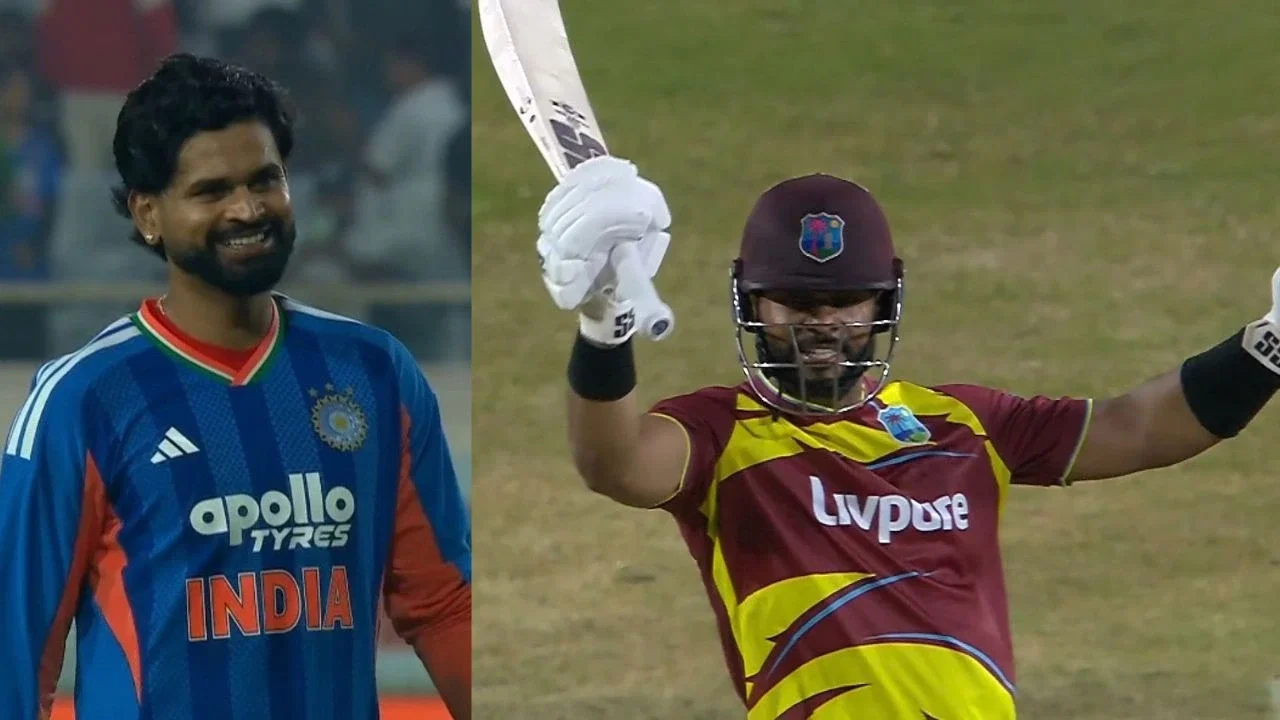
Top 10 highest run-chases in T20 cricket history, ft. West Indies’ Ranchi win vs India
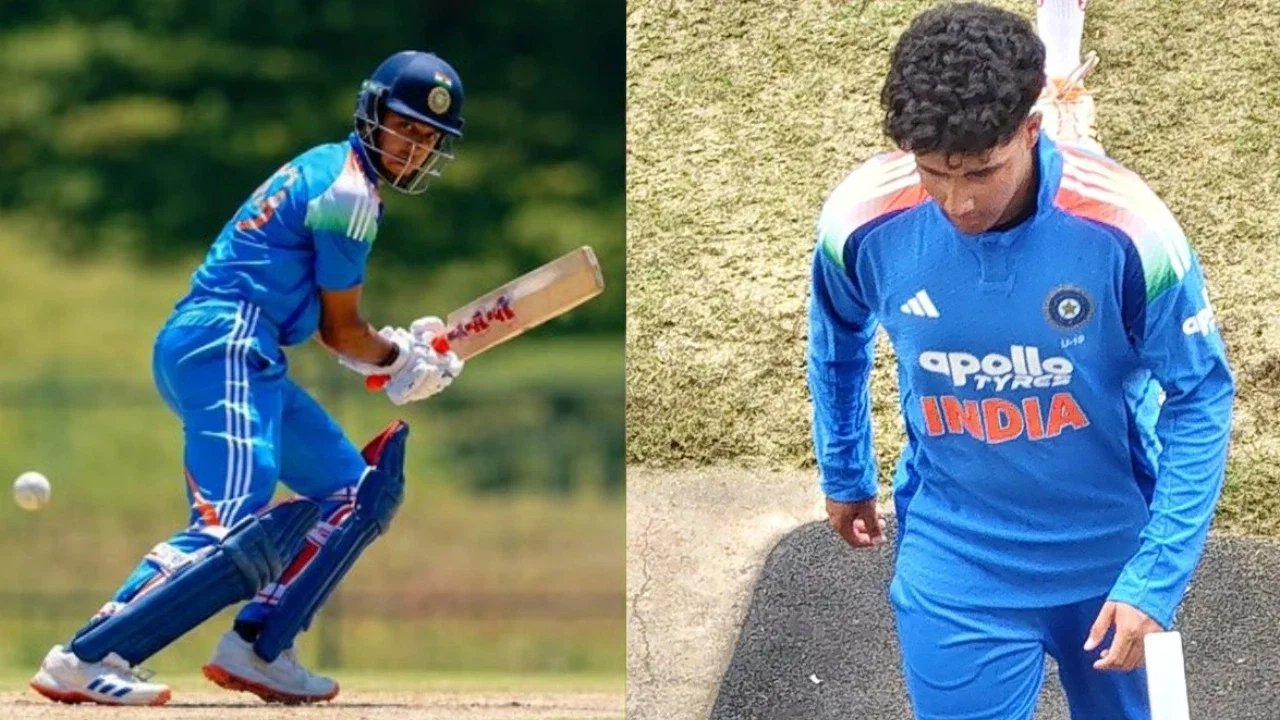
Aaryavir Sehwag and Anvay Dravid set to make headlines at U19 Asia Cup 2026

Longest ducks in Test cricket history ft. Nic Maddinson, Shoaib Akhtar

ECB to offer 39 central contracts to England players after Ben Stokes, Mark Wood’s retirement
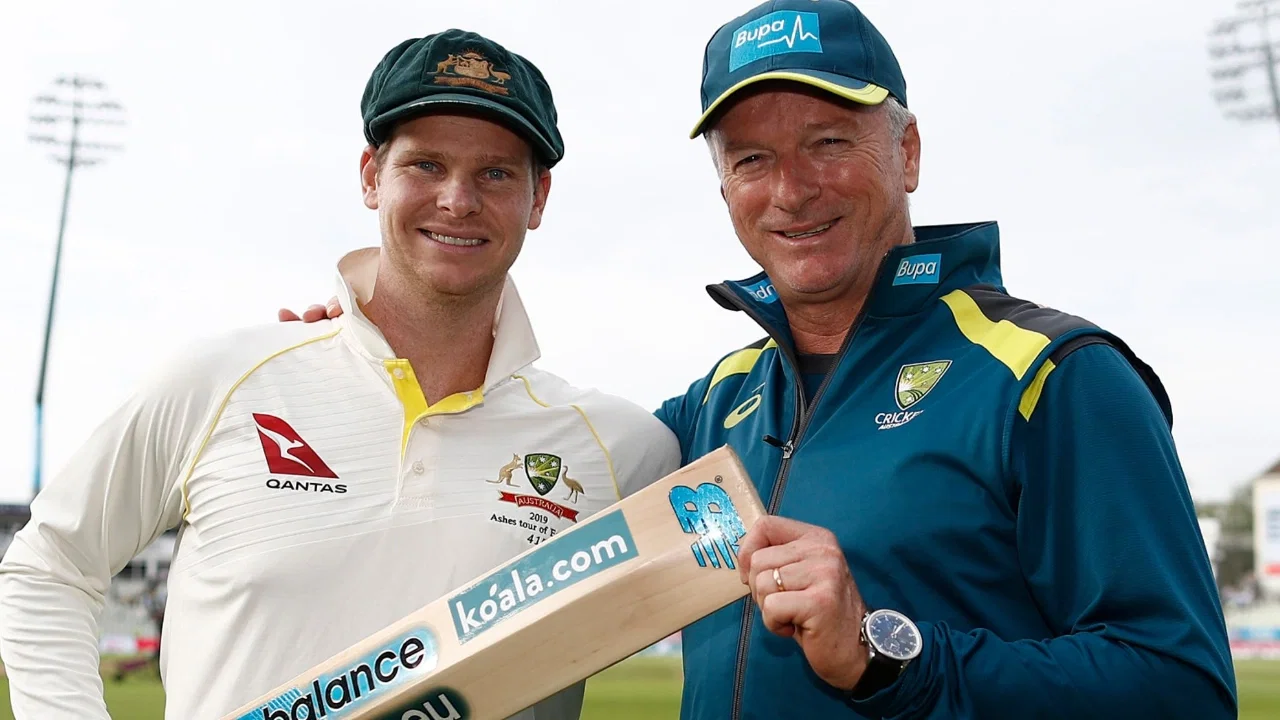
Steve Smith surpasses Steve Waugh in all-time Test run-scorers’ list

Shane Watson identifies Gautam Gambhir’s biggest problem as India struggle for consistency

Is Bhuvneshwar Kumar in India’s 2027 World Cup plans? Ajinkya Rahane makes revelation
BCCI’s big ₹127 Crore move after injury crisis raises concerns over Team India

Parthiv Patel reveals RCB ignored his Jasprit Bumrah recommendation in IPL 2014 Auction
“Never spoke ill of any faith”: Irfan Pathan hits back at fake news using his name
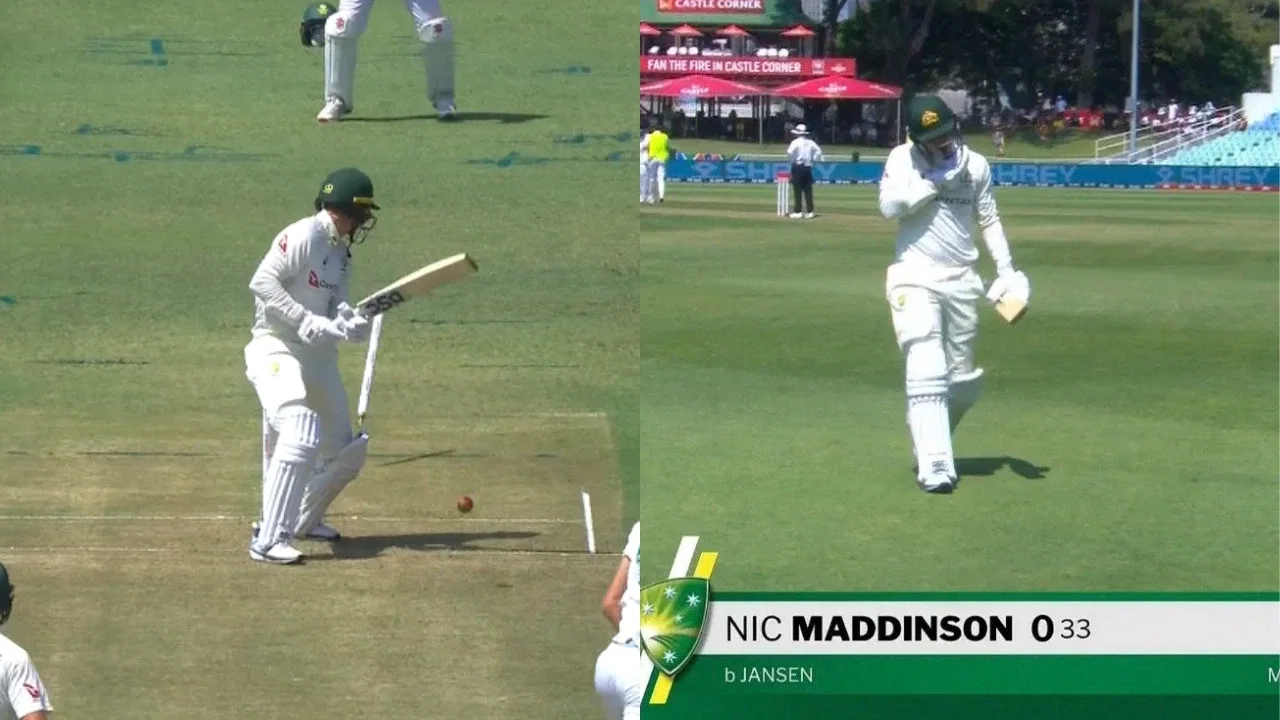
Nic Maddinson bags 33-ball duck on Test comeback, disappoints George Bailey

Imran Tahir predicts 2027 ICC ODI World Cup Semi-Finalists, snubs India for title
Australia create unwanted history with first all-30-plus Test XI
Ravindra Jadeja returns to Ranji Trophy as Saurashtra announce squad