ICC unveils new World Cup formats to make every match count: Here’s what changes

ICC Revamps ODI and T20 World Cup Formats for More Excitement
The International Cricket Council (ICC) has announced significant changes to the formats of the ODI World Cup and the T20 World Cup during its annual meetings in Edinburgh, Scotland. The new formats aim to bring more excitement and competitiveness to both tournaments, providing fans with thrilling matches right from the beginning.
ODI World Cup Format Changes
For the upcoming 2027 ODI World Cup, the Men’s Cricket World Cup will continue to feature 14 teams. However, the format will now consist of four rounds, including the introduction of a ‘Super Series’ round before the ‘Group round.’ This new structure is designed to create greater context, competitiveness, and consequence throughout the tournament, ensuring meaningful competition from the opening match to the finals.
Previously, the ODI World Cup began with 42 matches divided into two groups of 7 teams each. The top three teams from each group advanced to the Super 6 round, where the top two teams from each group proceeded to the semifinals. The final was contested between the winners of the semifinals.
Under the revamped format, the tournament will kick off with Round 1, where only the top team will progress to Round 2. Round 2 will feature 12 teams split into two groups of six, with the top 6 teams and the next highest-placed team advancing to the next round. The subsequent round will see seven teams competing, with four teams making it to the semifinals and the top two progressing to the final.
T20 World Cup Format Changes
The T20 World Cup will also undergo changes to its format, reducing the number of matches in the group stage. Instead of 40 matches, the new format will have 30 matches organized into 5 groups of 4 teams each.
Following the group stage, ten teams—two from each group—will move on to the Super 10 phase, where they will compete in two groups of five teams each. After 20 matches in this phase, the top teams from each group will directly qualify for the semifinals, while the second- and third-placed teams will face off in Eliminator matches. The tournament will feature 2 Eliminator matches and two semifinals before reaching the final.
Conclusion
With these revamped formats, the ICC is aiming to elevate the level of competition and entertainment in both the ODI World Cup and the T20 World Cup. Fans can expect more intense matches in the earlier stages of the tournaments, leading to thrilling conclusions in the final rounds. These changes are set to provide a fresh and exciting experience for cricket enthusiasts worldwide.
Increased Global Participation
One of the key objectives behind the ICC’s decision to revamp the formats of the ODI and T20 World Cups is to encourage greater global participation in these prestigious tournaments. By restructuring the formats to allow more teams to compete in meaningful matches, the ICC is creating opportunities for emerging cricketing nations to showcase their talent on the world stage.
With the new formats in place, teams that may have previously struggled to qualify for the main rounds of the World Cups will now have a better chance to make an impact. This inclusivity not only enhances the diversity of the tournaments but also fosters the growth of cricket in regions where the sport is still developing.
Enhanced Fan Engagement
By introducing more competitive matches and streamlining the formats of the ODI and T20 World Cups, the ICC is aiming to enhance fan engagement and viewership. The new structures promise excitement from the outset, with every match carrying significant weight in determining the progression of teams through the tournament.
Fans can look forward to watching their favorite teams battle it out in intense contests, knowing that each game could have a direct impact on the overall outcome of the World Cup. The revamped formats are designed to keep fans on the edge of their seats and build anticipation for the thrilling moments that define cricket’s most prestigious events.
Strategic Considerations
Behind the scenes, the ICC’s decision to change the formats of the ODI and T20 World Cups also reflects strategic considerations aimed at optimizing the commercial value of these tournaments. By creating more competitive and compelling matches, the ICC is likely to attract higher viewership, sponsorship deals, and overall interest from cricket fans and stakeholders worldwide.
Additionally, the new formats may also have implications for player development, as teams will need to adapt their strategies to succeed in the revised tournament structures. This could lead to more strategic gameplay, innovative tactics, and increased pressure on players to perform at their best in every match.
Continued Evolution
The ICC’s decision to revamp the formats of the ODI and T20 World Cups demonstrates the organization’s commitment to evolving with the changing landscape of international cricket. By embracing innovation and adapting to the demands of modern sports entertainment, the ICC is ensuring that its flagship tournaments remain relevant, exciting, and competitive for years to come.
As the world of cricket continues to evolve, fans can expect further changes and enhancements to the formats of major tournaments, keeping the sport fresh, engaging, and accessible to a global audience. The revamped ODI and T20 World Cups represent just the latest chapter in the ongoing evolution of cricket on the world stage.
Overall, the changes made to the formats of the ODI and T20 World Cups by the ICC are set to usher in a new era of excitement, competition, and inclusivity for cricket fans around the world. With increased global participation, enhanced fan engagement, strategic considerations, and a commitment to continued evolution, these revamped formats are poised to elevate the status of both tournaments and captivate audiences like never before.
Latest News
Top 10 highest run-chases in T20 cricket history, ft. West Indies’ Ranchi win vs India
Aaryavir Sehwag and Anvay Dravid set to make headlines at U19 Asia Cup 2026
Longest ducks in Test cricket history ft. Nic Maddinson, Shoaib Akhtar
ECB to offer 39 central contracts to England players after Ben Stokes, Mark Wood’s retirement
Steve Smith surpasses Steve Waugh in all-time Test run-scorers’ list
Shane Watson identifies Gautam Gambhir’s biggest problem as India struggle for consistency
Is Bhuvneshwar Kumar in India’s 2027 World Cup plans? Ajinkya Rahane makes revelation

BCCI’s big ₹127 Crore move after injury crisis raises concerns over Team India
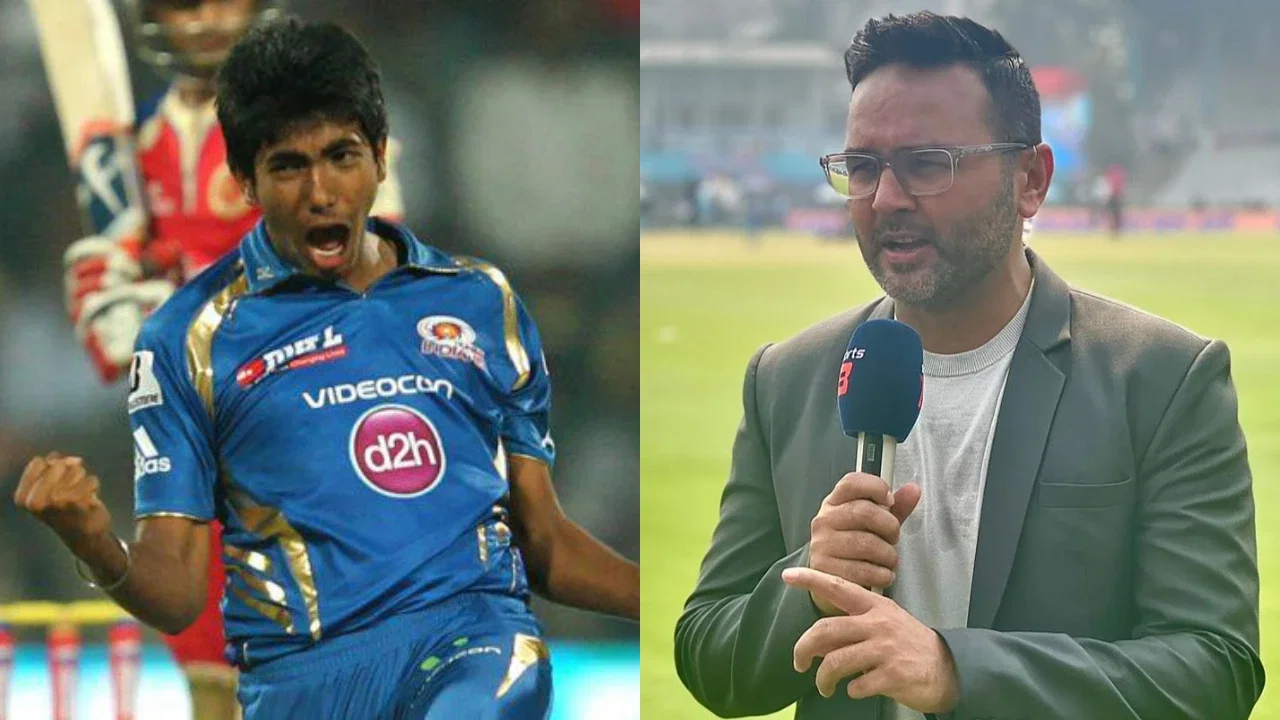
Parthiv Patel reveals RCB ignored his Jasprit Bumrah recommendation in IPL 2014 Auction
“Never spoke ill of any faith”: Irfan Pathan hits back at fake news using his name
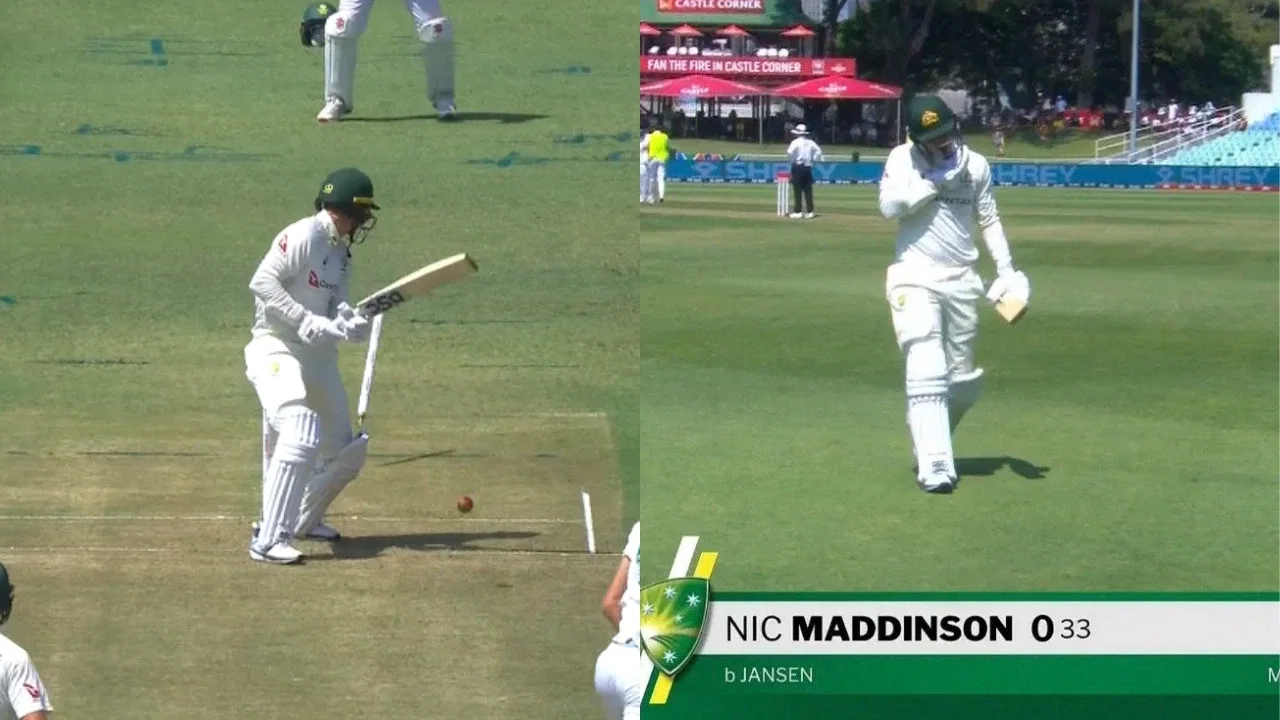
Nic Maddinson bags 33-ball duck on Test comeback, disappoints George Bailey
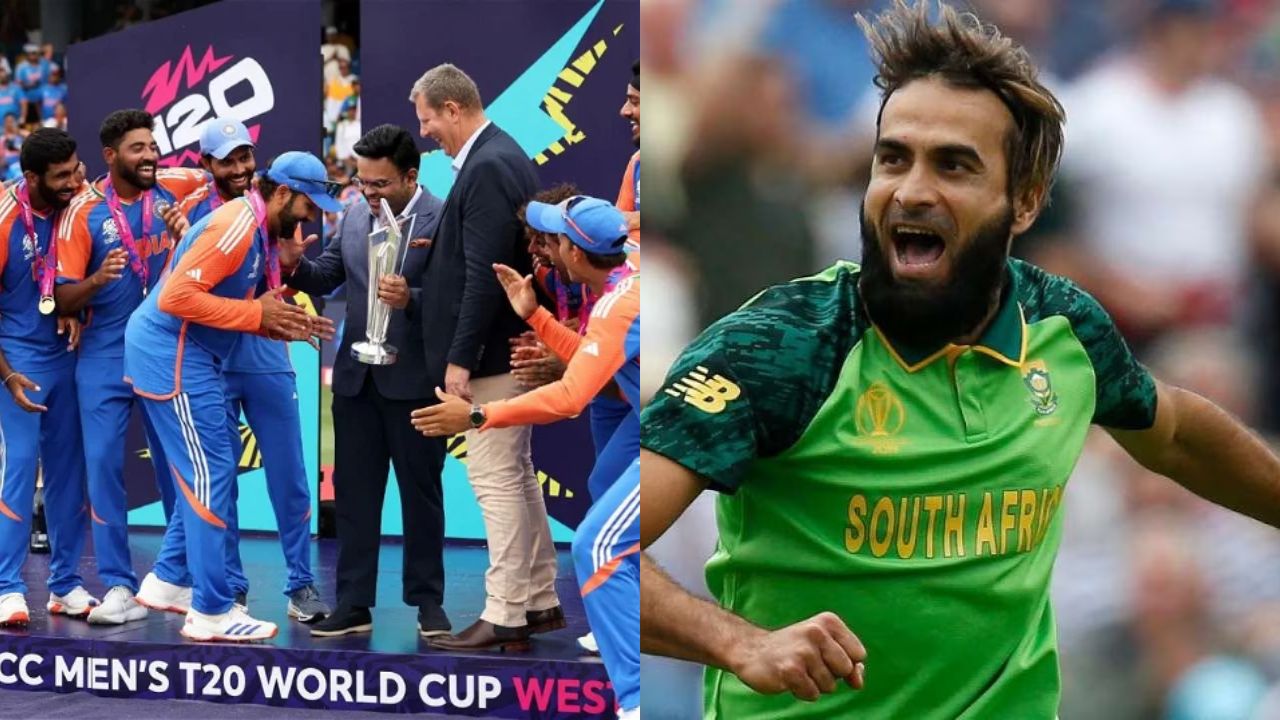
Imran Tahir predicts 2027 ICC ODI World Cup Semi-Finalists, snubs India for title
Australia create unwanted history with first all-30-plus Test XI
Ravindra Jadeja returns to Ranji Trophy as Saurashtra announce squad