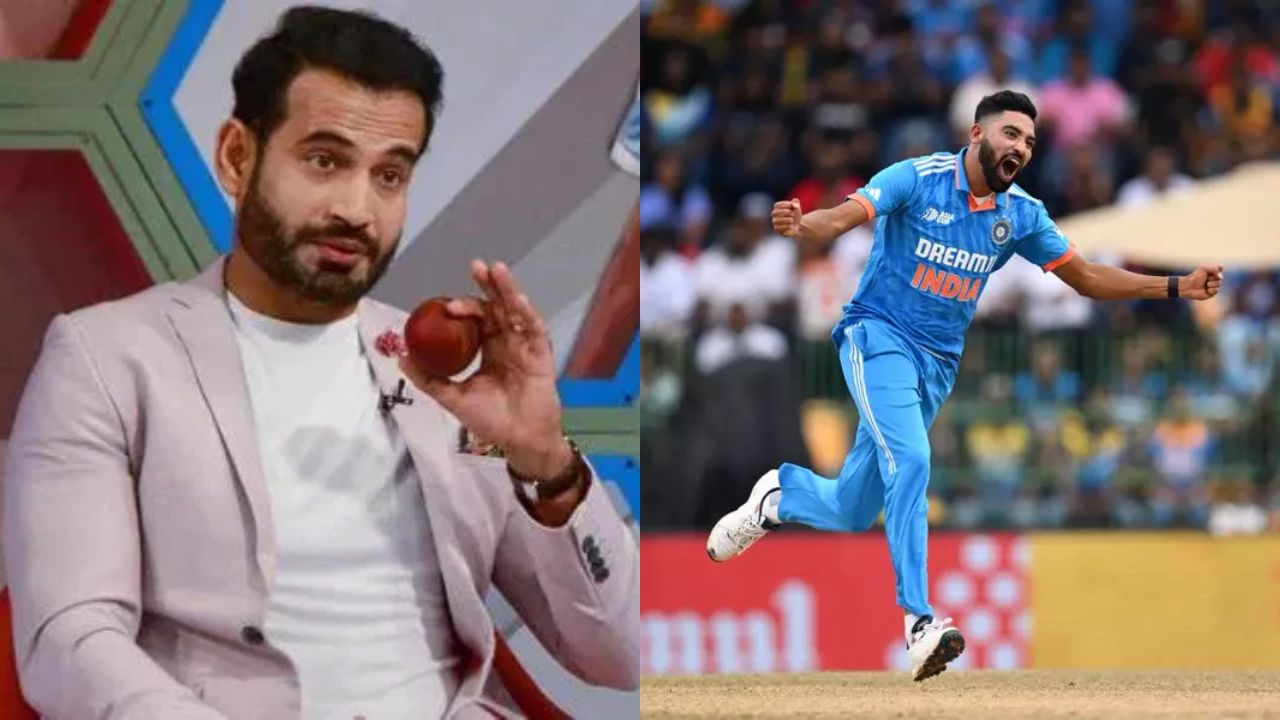
Aakash Chopra names top 8 Indian T20I seamers without Jasprit Bumrah
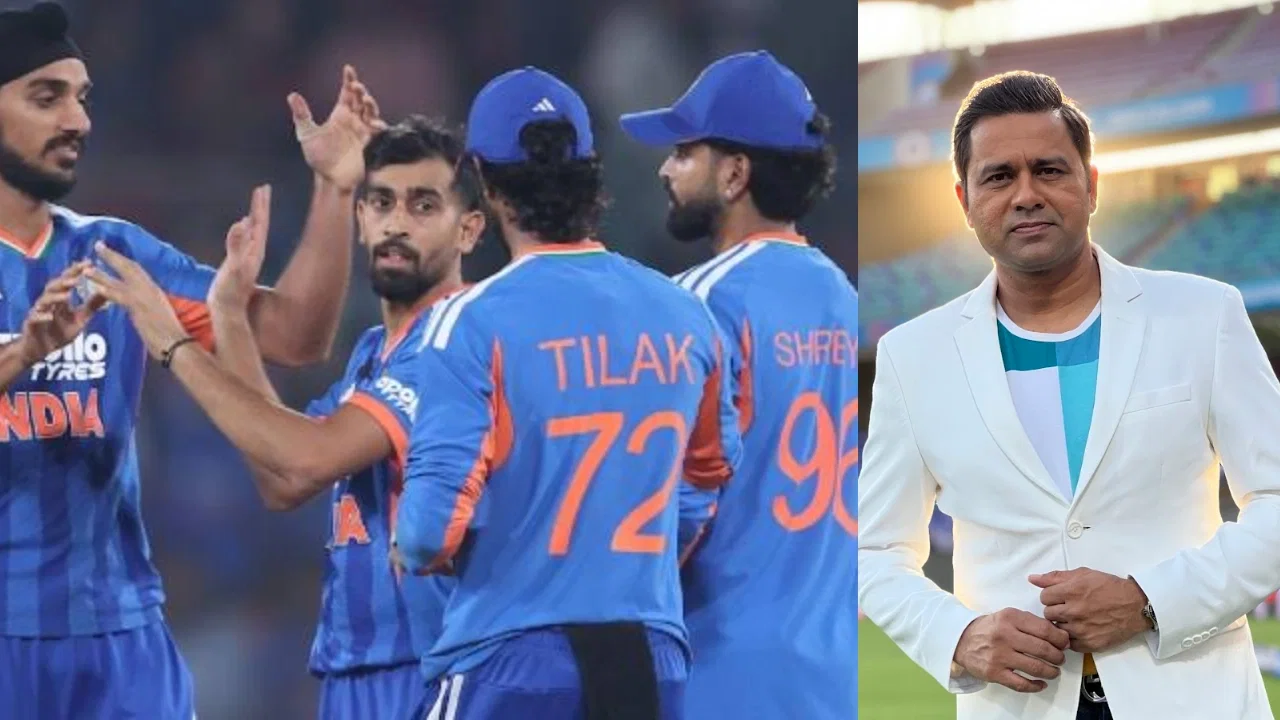
Aakash Chopra Ranks India’s Top T20I Fast Bowlers Without Jasprit Bumrah
Who would lead India’s list of top T20 International fast bowlers if Jasprit Bumrah were left out? Former India opener and cricket analyst Aakash Chopra took on that challenge in a blind-ranking exercise, producing a list that placed Arshdeep Singh at No. 1 and Mohammed Siraj at No. 6.
The format made the task more difficult than a conventional ranking. Chopra was shown one bowler at a time and had to assign each player a position immediately, without knowing which names would appear later. That meant he had to balance reputation, T20I performances and instinct as the list unfolded.
One notable outcome was the contrast between Siraj and Prince Yadav. Siraj, one of the first players introduced, was placed in the lower half of the rankings, while Yadav earned the fifth spot. Chopra also rated Prasidh Krishna highly, giving him second place, and put Bhuvneshwar Kumar at No. 7.
Chopra’s Top Eight Indian T20I Quick Bowlers
With Bumrah excluded from the discussion, Chopra’s final prediction for the ranking was:
1. Arshdeep Singh
2. Prasidh Krishna
3. Mayank Yadav
4. Harshit Rana
5. Prince Yadav
6. Mohammed Siraj
7. Bhuvneshwar Kumar
8. Yash Thakur
Arshdeep’s top position was one of Chopra’s clearest decisions. The left-arm seamer has become a prominent option for India in the shortest format, where his ability to vary pace and deliver under pressure can be especially valuable. Left-arm angle also gives a bowling attack a different look, particularly when paired with right-arm quicks.
Prasidh Krishna took second place, while Mayank Yadav was ranked third. The positions reflect the challenge of comparing bowlers with different strengths and levels of experience. A fast bowler’s value in T20 cricket can depend on far more than pace alone: control at the death, use of slower balls, powerplay accuracy and the ability to adapt to changing match situations all matter.
Why Mohammed Siraj Was Ranked Sixth
Siraj was the first name Chopra had to place, leaving five positions above him and only two below. In a blind ranking, that early arrival can create a difficult dilemma. Place a player too high and there may be no room for a later, stronger candidate; place him too low and the remaining names may not justify the available slots.
Chopra settled on sixth for Siraj. The ranking was based on T20I cricket, rather than a bowler’s overall standing across formats or performances in franchise competitions. Siraj’s reputation and experience are significant, but the exercise asked Chopra to assess the players specifically as Indian T20I seamers.
Chopra later suggested that, without the blind-ranking format, he might have placed Siraj higher. He also indicated that Mayank Yadav could have been ranked lower in a more considered list. That qualification is important: the final order was shaped not just by opinion, but by the unusual rules of the exercise.
Bhuvneshwar Kumar’s No. 7 Ranking Sparks Debate
Bhuvneshwar Kumar’s seventh-place finish was another talking point. The experienced swing bowler has enjoyed notable success in franchise cricket, including strong contributions for Royal Challengers Bengaluru. The source report says he helped the team win the 2025 IPL and defend the title the following season, narrowly missing the Purple Cap in 2026 by one wicket.
Those achievements, however, were not the basis of Chopra’s ranking. The exercise focused on T20I performances, not IPL or domestic results. Chopra’s placement therefore reflected the distinction between a player’s impact in franchise cricket and his recent output for India. A bowler can be highly effective in one setting while still facing questions about form, role or consistency at international level.
Bhuvneshwar’s experience remains an asset, particularly in conditions that offer movement with the new ball. His record and skill set also make him a useful point of comparison when discussing India’s current pace options. But in a ranking limited to T20Is, recent international performances carry particular weight.
Prince Yadav and Harshit Rana Earn High Positions
Chopra placed Prince Yadav fifth, explaining that he likes the young pacer as a T20 bowler. That ranking put Yadav ahead of Siraj and Bhuvneshwar, a decision likely to prompt discussion among fans weighing potential against established international experience.
Harshit Rana was ranked fourth. Chopra described Rana as a bowler who can bring plenty to the team, suggesting that his overall range and ability to contribute in different phases were factors in the assessment. In T20 cricket, teams increasingly value seamers who can offer more than one option—whether through variations, tactical flexibility or the ability to handle difficult overs.
Yash Thakur completed the list at No. 8. As with the other names, the ranking should be viewed as a snapshot from a specific blind test, not a definitive judgment on each bowler’s long-term prospects or place in India’s wider pace-bowling plans.
A Blind Ranking, Not a Definitive Prediction
After revealing the full list, Chopra was asked whether he was satisfied with the order. He appeared somewhat uncertain, acknowledging that some players could have been placed differently. That reaction underlines the central appeal of a blind rank test: it creates spontaneous choices that may not match a ranking built after reviewing every name at once.
The exercise also highlights how difficult it is to compare Indian fast bowlers in T20Is. Some bring international experience, others offer raw pace or emerging potential, while established specialists may be valued for particular phases of an innings. Conditions, recent form and team balance can all change how useful a bowler is from one series to another.
With Bumrah absent, Arshdeep emerged as Chopra’s choice for the top spot, while Prasidh and Mayank filled out the leading positions. Siraj’s sixth-place finish and Prince Yadav’s higher ranking are likely to remain the most debated calls. Ultimately, Chopra’s list is best understood as an engaging prediction shaped by a fast-moving format—not a final verdict on India’s T20I bowling hierarchy.
Latest News
ACES vs BULLS Dream11 Prediction Today Match, My11Circle Prediction, Dream11 Team Today, Fantasy Cricket Tips, Playing XI, Pitch Report, Injury Update- Abu Dhabi Cup T10 2026, Match 15
ROYALS vs LIONS Dream11 Prediction Today Match, My11Circle Prediction, Dream11 Team Today, Fantasy Cricket Tips, Playing XI, Pitch Report, Injury Update- Abu Dhabi Cup T10 2026, Match 14
TIGERS vs EAGLES Dream11 Prediction Today Match, My11Circle Prediction, Dream11 Team Today, Fantasy Cricket Tips, Playing XI, Pitch Report, Injury Update- Abu Dhabi Cup T10 2026, Match 13
KGS vs SRS Dream11 Prediction Today Match, My11Circle Prediction, Dream11 Team Today, Fantasy Cricket Tips, Playing XI, Pitch Report, Injury Update- Nepal Trophy T20 2026, Match 24
S Badrinath issues stern warning to Ruturaj Gaikwad ahead of IPL 2027, questions CSK captaincy future
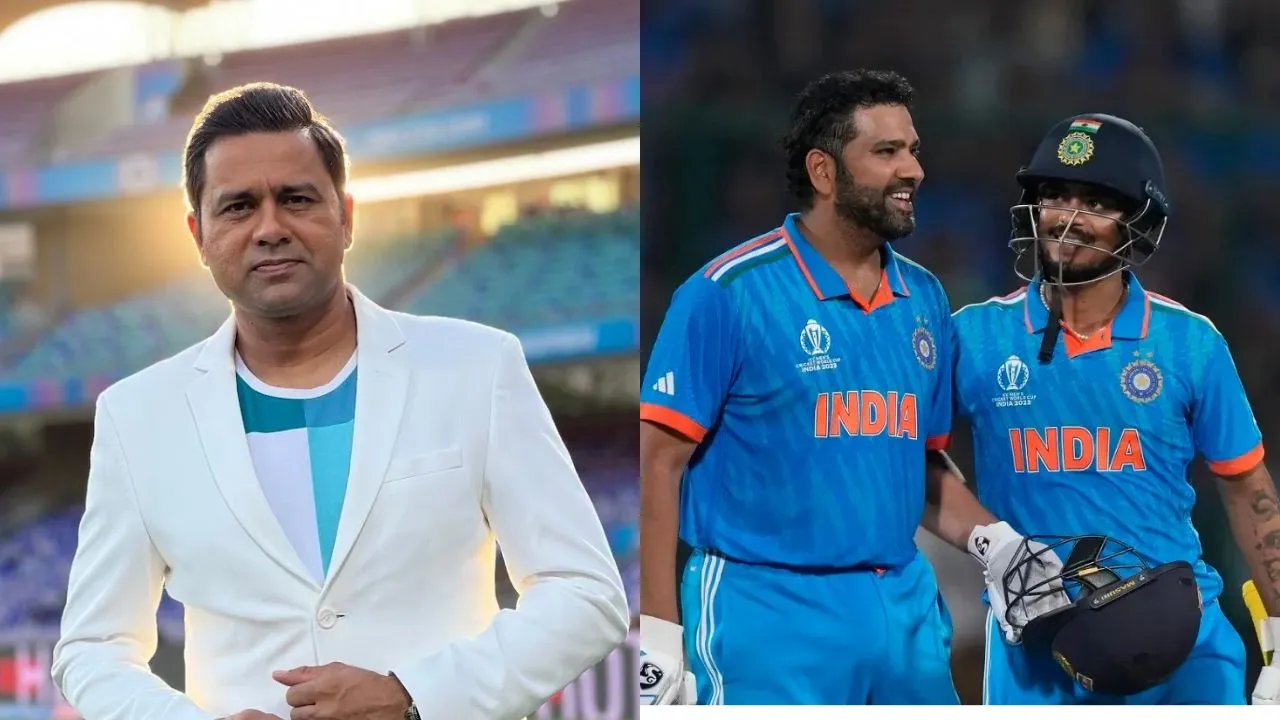
Aakash Chopra picks Ishan Kishan as opener, reveals India’s predicted XI for 4th ODI against New Zealand
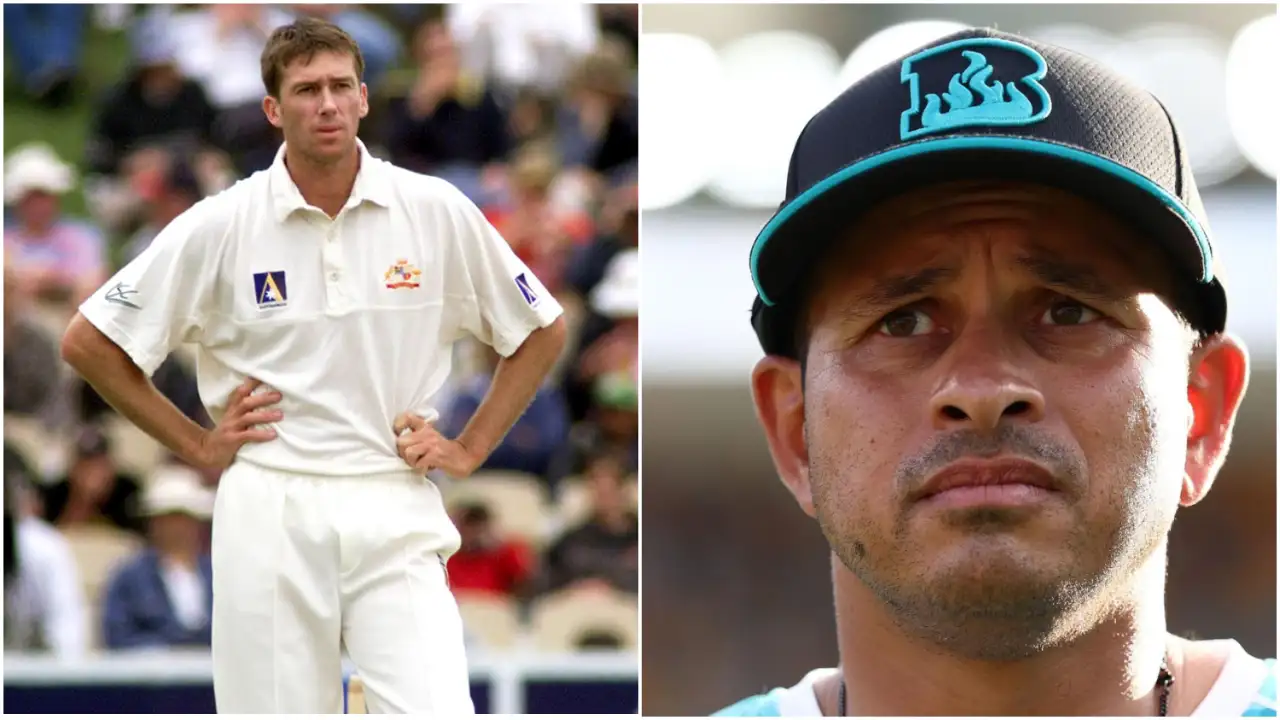
Glenn McGrath breaks silence on Sandpapergate controversy, sends message to Cricket Australia
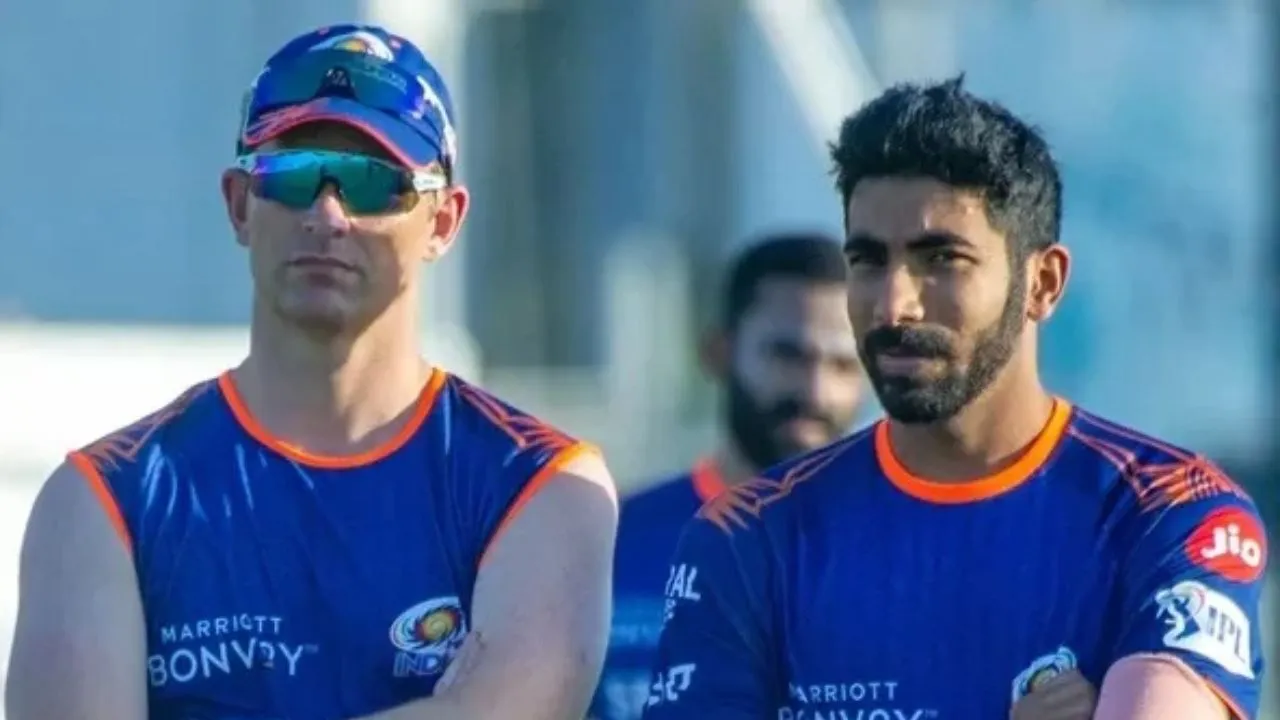
Shane Bond reveals what makes Jasprit Bumrah special, shares experience of working with India pacer
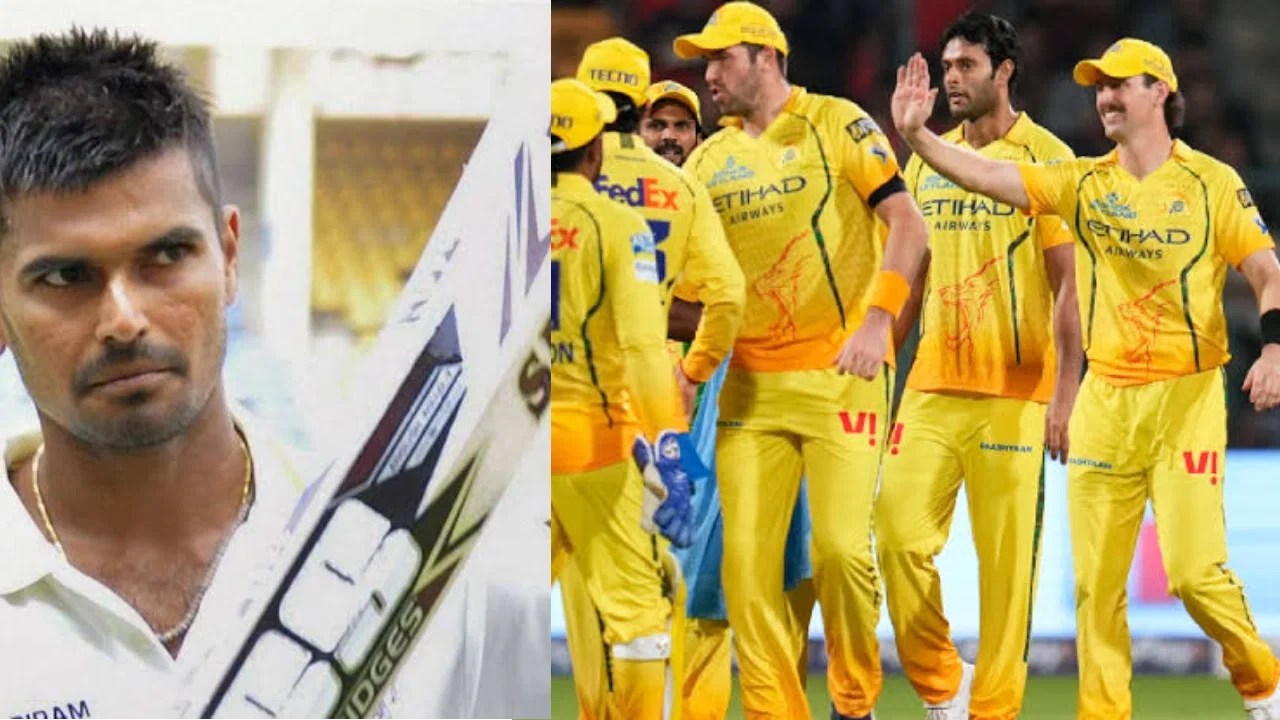
S Badrinath names three players CSK must release ahead of IPL 2027 mini auction
IPL 2027: Why KKR must go all-out for Shai Hope at mini-auction?
Jharkhand announce squad for SMAT 2026-27; Ishan Kishan misses out, reason explained
Mitchell Marsh dodges Sandpapergate question with cheeky response ahead of Australia vs England 1st ODI
Aakash Chopra names top 8 Indian T20I seamers without Jasprit Bumrah
Mohsin Naqvi confirms NCCIA’s next move in investigation featuring Mohammad Rizwan