

Irfan Pathan explains why Mohammed Siraj should play India vs New Zealand 4th ODI
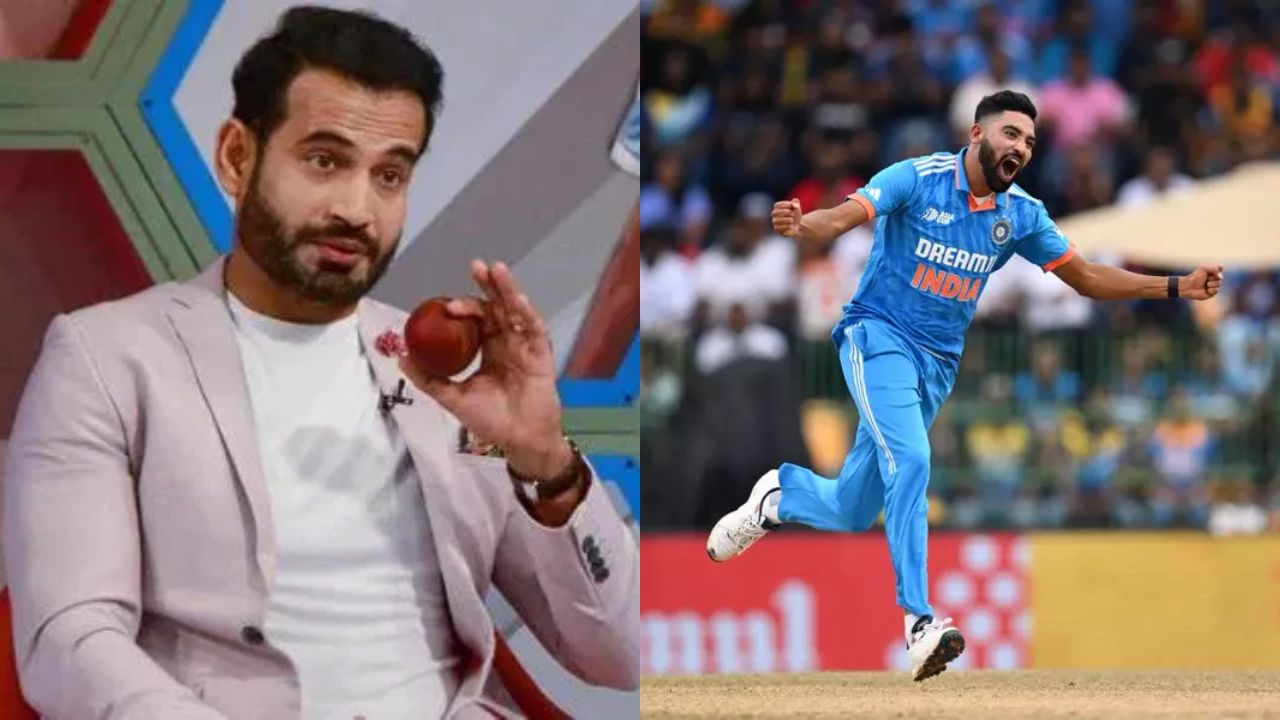
Irfan Pathan Backs Mohammed Siraj for India’s Fourth ODI Against New Zealand
Former India all-rounder Irfan Pathan has urged the national team to give Mohammed Siraj an opportunity in the fourth ODI against New Zealand, arguing that the fast bowler could benefit from valuable match practice ahead of the upcoming Test series. With India holding a strong position in the five-match contest, Pathan believes the team can use the remaining games to assess its options without losing sight of its preparation plans.
India entered the later stages of the series with a commanding lead after winning the first two matches. A subsequent washout left New Zealand with a difficult path back into the contest. Even if the hosts win the remaining fixtures, the series could finish level at 2-2, but India cannot lose it. That situation, Pathan suggested, gives the management room to consider a change in the pace attack and test Siraj in competitive ODI conditions.
Why Mohammed Siraj Could Be the Right Replacement
India’s fast-bowling plans have changed following the release of Anshul Kamboj, who featured in the opening matches. Kamboj has been allowed to begin preparations for the Test assignment in New Zealand, which follows the ODI series. His departure leaves a place in the pace-bowling group to be filled, creating a timely opportunity for Siraj.
Pathan has backed Siraj as a natural replacement, pointing to both the bowler’s experience and the value of giving him overs in a high-level match. The India fast bowler has not played an ODI since facing the West Indies in New Chandigarh on October 3. In that match, he took one wicket while conceding 52 runs in eight overs. Since then, he has not been used in a 50-over international.
Siraj has, however, had recent time in the middle. Earlier this month, he represented India A in a multi-day match against New Zealand A in Christchurch and claimed four wickets. That outing offered useful bowling practice, but Pathan stressed that a practice or development match cannot fully replicate the pressure and intensity of international cricket.
Pathan’s Prediction: ODI Game Time Could Help Test Preparation
Speaking on Cricinfo, Pathan said the current series presents an ideal chance to bring Siraj back into the ODI side. His reasoning is practical: the bowler could regain rhythm, the team could assess his white-ball form, and the selectors would have more information before the Test matches begin.
“This is the perfect time to play him as well. Right now, India can’t lose a series. So, India is in a very strong position,” Pathan said. He added that Siraj has not played much cricket recently and that the upcoming Tests make match readiness especially important. Bowling a full ODI spell would give him a chance to work through around 10 overs and build the kind of workload that can support his preparation for the longer format.
Pathan’s prediction is not simply that Siraj should be included because of his reputation. Rather, he sees the fourth ODI as a useful evaluation point. The team could observe how Siraj handles the demands of one-day cricket, including changes in pace, field settings and the need to maintain control across a longer spell than he might bowl in some shorter-format appearances.
Why an International Match Matters More Than a Practice Game
Siraj’s four-wicket return for India A is an encouraging sign, but Pathan believes international cricket provides a different test. Batters at the highest level are more likely to exploit any loss of line or length, while the match situation can place greater demands on a bowler’s decision-making. A competitive ODI would therefore offer a clearer picture of Siraj’s current readiness than training alone.
Pathan also pointed to the benefit for the player himself. A strong performance could reinforce Siraj’s confidence in his white-ball game and demonstrate that he remains a reliable option across formats. At the same time, a spell in the fourth ODI would allow the management to judge how his pace, accuracy and workload are developing before the Test series.
“A practice game is different. International cricket is different,” Pathan said, explaining that he wants to see India’s premier fast bowlers ready when the Test matches arrive. He argued that bowling 10 overs in an ODI could help Siraj show the selectors that he is prepared to contribute in limited-overs cricket as well as red-ball cricket.
A Chance for India to Balance Results and Preparation
India’s position in the series makes the selection question particularly interesting. The team still has an incentive to maintain its winning momentum, but the result is no longer as precarious as it would be in a must-win match. That gives the management an opportunity to balance immediate performance with longer-term planning.
Giving Siraj a game would not guarantee that he features in the Tests, nor would one ODI alone settle questions about his form. It would, however, provide fresh evidence. The selectors could assess his current rhythm, while the player could gain useful competitive overs in conditions similar to those he will encounter during the New Zealand tour.
There is also a broader squad-management benefit. A five-match series can help India evaluate its bowling depth, especially when players are moving between formats and assignments. With Kamboj released to prepare for the Tests, Siraj’s inclusion would offer continuity through experience while also giving the team a chance to fine-tune its pace options.
What to Watch in the Fourth ODI
If Siraj is selected, attention will likely focus on how quickly he settles into his spell and whether he can control the scoring rate while creating wicket-taking opportunities. His ODI return would also give the coaching staff a chance to monitor his workload and assess how he responds to an international match after a gap in the format.
For India, the decision comes down to more than replacing a departing fast bowler. It is an opportunity to use the series strategically: protect the team’s advantage, provide a senior player with meaningful match practice and gather information ahead of the Tests. Pathan’s case is that Siraj can address all three priorities.
Whether the management follows his recommendation remains to be seen, but the argument is clear. With India in a strong position and the New Zealand Test series approaching, the fourth ODI could be an ideal setting for Siraj to return to international one-day cricket and make a timely statement about his readiness.
Latest News

ACES vs BULLS Dream11 Prediction Today Match, My11Circle Prediction, Dream11 Team Today, Fantasy Cricket Tips, Playing XI, Pitch Report, Injury Update- Abu Dhabi Cup T10 2026, Match 15
ROYALS vs LIONS Dream11 Prediction Today Match, My11Circle Prediction, Dream11 Team Today, Fantasy Cricket Tips, Playing XI, Pitch Report, Injury Update- Abu Dhabi Cup T10 2026, Match 14
TIGERS vs EAGLES Dream11 Prediction Today Match, My11Circle Prediction, Dream11 Team Today, Fantasy Cricket Tips, Playing XI, Pitch Report, Injury Update- Abu Dhabi Cup T10 2026, Match 13
KGS vs SRS Dream11 Prediction Today Match, My11Circle Prediction, Dream11 Team Today, Fantasy Cricket Tips, Playing XI, Pitch Report, Injury Update- Nepal Trophy T20 2026, Match 24
S Badrinath issues stern warning to Ruturaj Gaikwad ahead of IPL 2027, questions CSK captaincy future
Aakash Chopra picks Ishan Kishan as opener, reveals India’s predicted XI for 4th ODI against New Zealand
Glenn McGrath breaks silence on Sandpapergate controversy, sends message to Cricket Australia
Shane Bond reveals what makes Jasprit Bumrah special, shares experience of working with India pacer
S Badrinath names three players CSK must release ahead of IPL 2027 mini auction
IPL 2027: Why KKR must go all-out for Shai Hope at mini-auction?
Jharkhand announce squad for SMAT 2026-27; Ishan Kishan misses out, reason explained
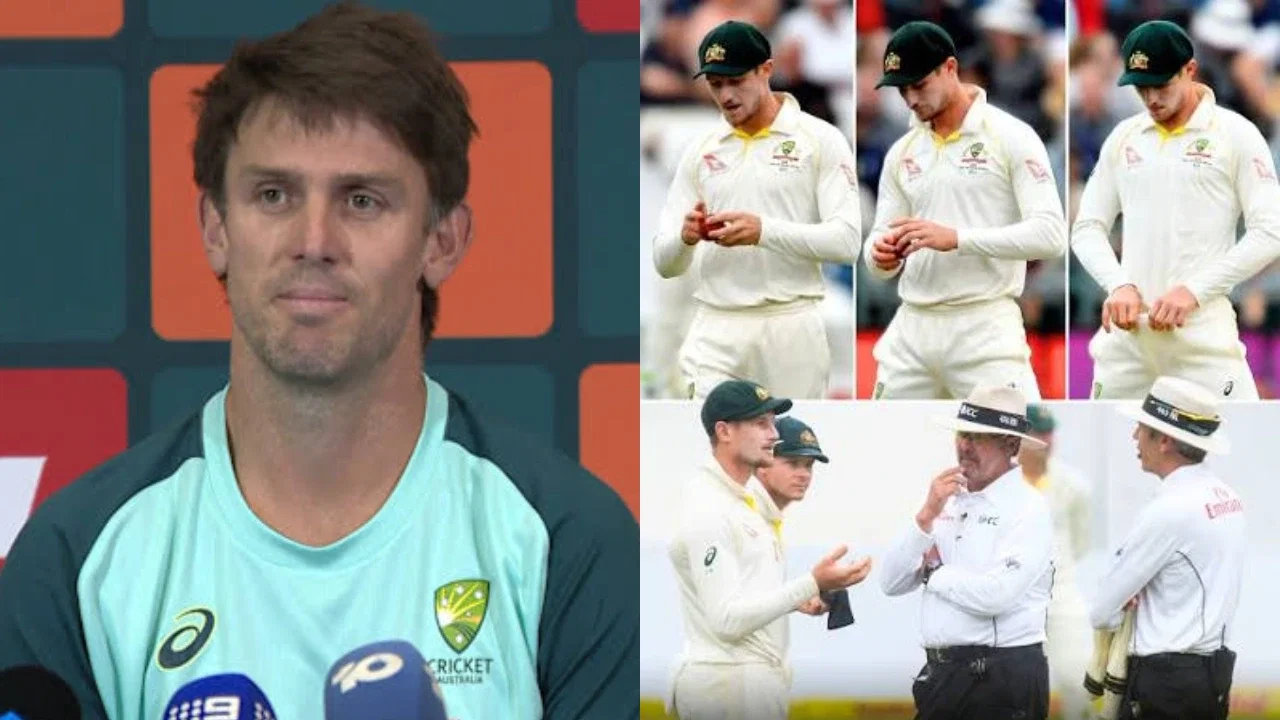
Mitchell Marsh dodges Sandpapergate question with cheeky response ahead of Australia vs England 1st ODI
Aakash Chopra names top 8 Indian T20I seamers without Jasprit Bumrah
Mohsin Naqvi confirms NCCIA’s next move in investigation featuring Mohammad Rizwan

