Glenn McGrath breaks silence on Sandpapergate controversy, sends message to Cricket Australia
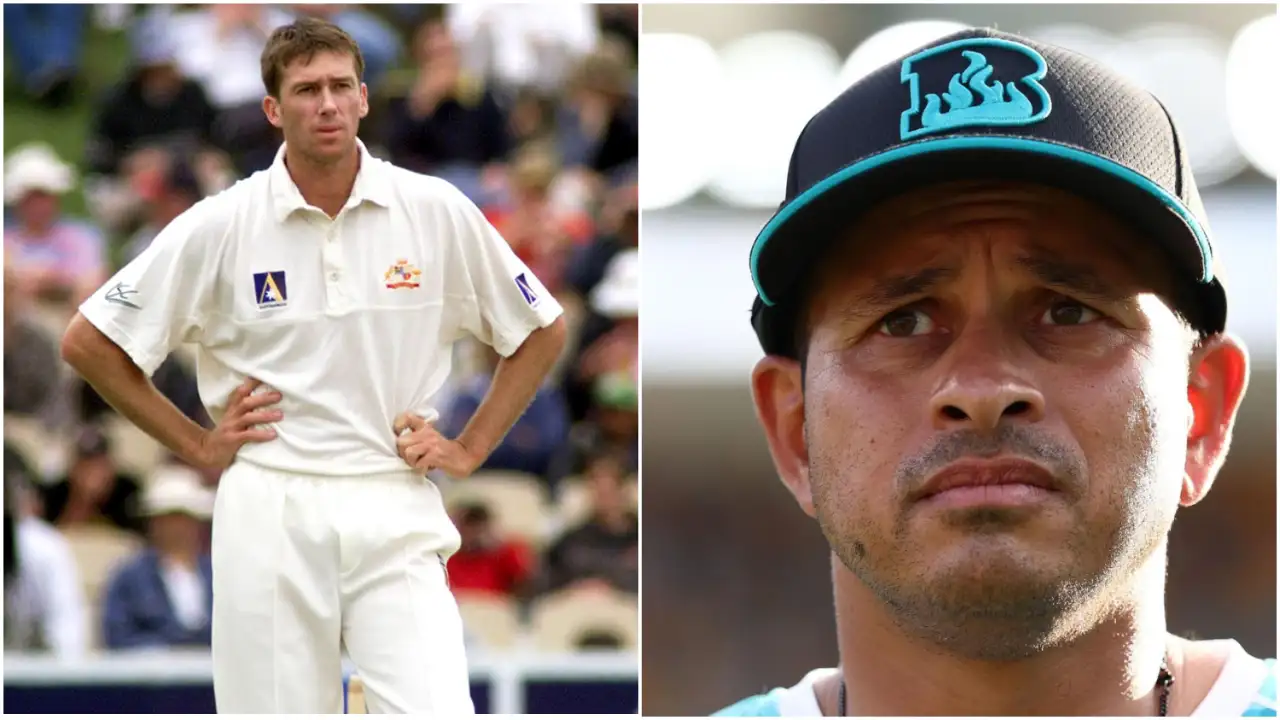
Glenn McGrath Urges Cricket Australia to Address Renewed Sandpapergate Debate
Former Australia fast bowler Glenn McGrath has called on Cricket Australia to clarify its position on the 2018 ball-tampering scandal, arguing that renewed speculation is doing little to help the game. The controversy has returned to public discussion after former Australia opener Usman Khawaja made fresh claims while promoting his recently released autobiography.
Khawaja’s comments have reopened questions about the infamous incident, commonly known as Sandpapergate, and the extent to which players and staff may have known about the plan to alter the ball’s condition. The renewed debate has prompted strong reactions from former players and supporters, while McGrath says the national governing body should step in to prevent unverified interpretations from spreading further.
How Khawaja’s Comments Brought Sandpapergate Back Into Focus
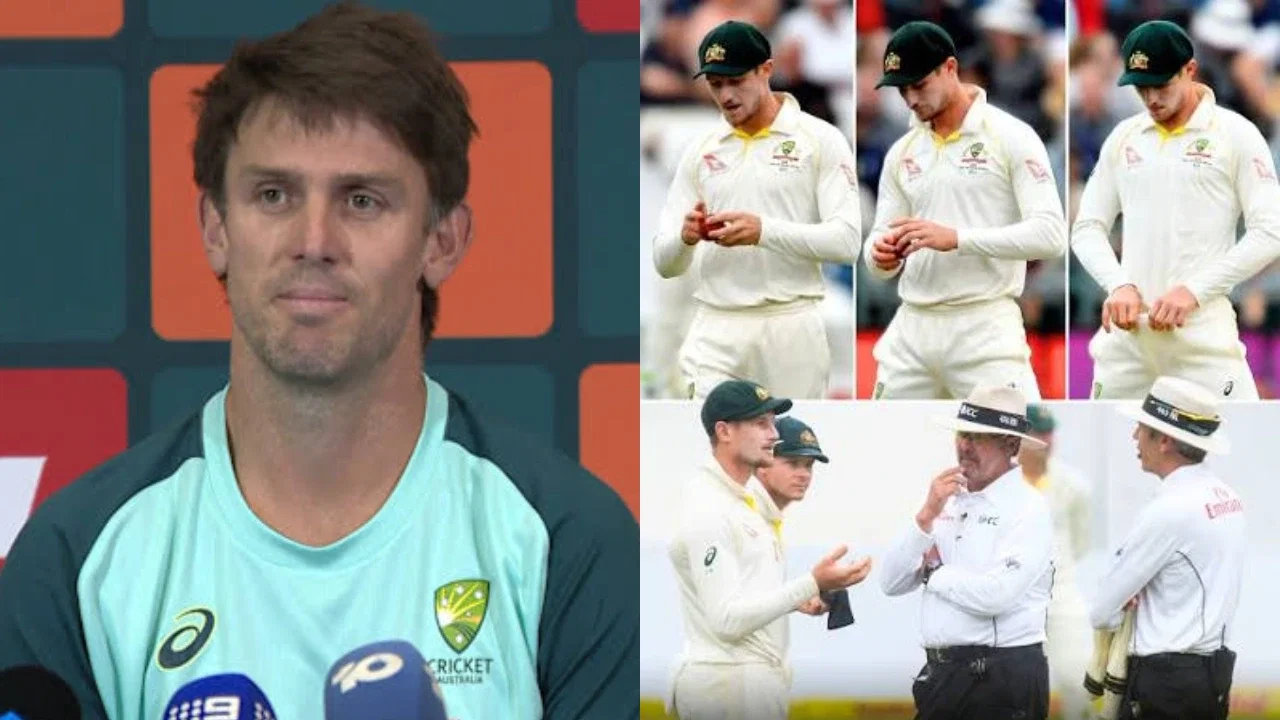
The scandal took place during Australia’s 2018 Test tour of South Africa. Television footage showed Cameron Bancroft attempting to use a piece of sandpaper on the ball during a match. The incident led to investigations by Cricket Australia and significant disciplinary action against Bancroft, then-captain Steve Smith and vice-captain David Warner.
Smith and Warner received lengthy suspensions from international and domestic cricket, while Bancroft was also banned. The episode triggered a wider examination of Australia’s leadership culture and prompted the team to reconsider its conduct and public image. For many supporters, the sanctions marked a decisive attempt to restore trust in the national side.
Years later, Khawaja’s account has added a new layer to the discussion. He has suggested that responsibility for the incident may have extended beyond the three players who were formally punished. His remarks have been widely reported, but they have also raised questions about what was known at the time and whether the full story has ever been made public.
Because the claims are based on Khawaja’s recollection, they have not independently established the involvement of any other individuals. That distinction matters: a personal account can generate important questions, but it is not the same as a verified finding from an official investigation. Until Cricket Australia or other relevant parties respond, much of the discussion remains centred on interpretation and competing recollections.
McGrath Says the Game Needs Clarity, Not Endless Speculation
In a video message, McGrath said he believes the players involved made a serious mistake, but argued that the sport should focus on what it learned rather than repeatedly revisiting the scandal without new evidence. He described himself as someone who prefers to leave the past behind while still taking lessons from it.
“No one’s saying what they did was not wrong,” McGrath said, making clear that he was not defending the actions that led to the suspensions. He called the behaviour foolish and stressed that it should never have happened. At the same time, he questioned what further public speculation could contribute to Test cricket.
McGrath’s position reflects a tension at the heart of the renewed debate. On one hand, supporters may reasonably expect transparency when new claims raise questions about a major sporting scandal. On the other, repeating allegations without clear evidence can create confusion, damage reputations and distract attention from the lessons Australian cricket says it has already learned.
He therefore urged Cricket Australia to speak publicly and explain how it views Khawaja’s account. In McGrath’s view, an official response could help distinguish between what has been established, what remains disputed and what is simply an individual’s perspective. Without that clarity, he warned, the story is likely to keep growing through commentary and speculation.
Why Cricket Australia’s Response Matters
McGrath argued that the governing body is best placed to address the issue because it conducted the original disciplinary process and represents Australian cricket. He said that leaving the matter unanswered allows media outlets, overseas commentators and people with their own agendas to shape the narrative.
That concern is particularly relevant in modern sports coverage, where a brief statement can quickly become the basis for headlines, social media debate and further analysis. A clear response from Cricket Australia would not necessarily settle every disagreement, but it could provide a reliable reference point for the public. It could also explain whether the board considers the matter closed or believes Khawaja’s claims warrant further examination.
At the same time, any response would need to be careful and evidence-based. A governing body cannot simply dismiss a former player’s account because it is inconvenient, nor should it treat an unverified claim as established fact. The challenge is to address the questions fairly while respecting the limits of what can be confirmed years after the event.
Prediction: The Debate May Continue Unless Officials Step In
The likely prediction is that Sandpapergate will remain in the headlines as long as new comments emerge without a detailed response from Cricket Australia. Khawaja’s autobiography has renewed interest in the episode, and further interviews or reactions could keep the issue alive. McGrath’s intervention may increase pressure on the board to clarify its position, particularly if questions continue during Australia’s upcoming fixtures.
Still, a statement from the governing body would not automatically end the debate. Former players and observers may continue to disagree about the culture surrounding the team, the adequacy of the original investigation and whether the penalties were fair. But a transparent explanation could help separate documented facts from assumptions and reduce the risk of the story being shaped solely by rumour.
A Difficult Balance Between Accountability and Moving Forward
Sandpapergate remains one of the most damaging episodes in recent Australian cricket history because it involved a breach of the game’s standards and a major loss of public trust. The players’ suspensions addressed the immediate consequences, but the broader questions about leadership, team culture and accountability have never disappeared entirely.
McGrath’s message is not that the past should be ignored. Rather, he argues that Australian cricket should acknowledge wrongdoing, learn from it and avoid allowing speculation to become a substitute for evidence. Khawaja’s comments have reopened a sensitive chapter; Cricket Australia now faces renewed calls to explain what it can, correct what it believes is inaccurate and make clear whether any further review is possible.
For fans, the central issue is not simply whether the scandal should be discussed again. It is whether the discussion can produce meaningful clarity. Until Cricket Australia responds, the renewed Sandpapergate saga is likely to remain a test of the board’s transparency—and of Australian cricket’s ability to confront its past while protecting the credibility of the game.
Latest News
ACES vs BULLS Dream11 Prediction Today Match, My11Circle Prediction, Dream11 Team Today, Fantasy Cricket Tips, Playing XI, Pitch Report, Injury Update- Abu Dhabi Cup T10 2026, Match 15
ROYALS vs LIONS Dream11 Prediction Today Match, My11Circle Prediction, Dream11 Team Today, Fantasy Cricket Tips, Playing XI, Pitch Report, Injury Update- Abu Dhabi Cup T10 2026, Match 14
TIGERS vs EAGLES Dream11 Prediction Today Match, My11Circle Prediction, Dream11 Team Today, Fantasy Cricket Tips, Playing XI, Pitch Report, Injury Update- Abu Dhabi Cup T10 2026, Match 13
KGS vs SRS Dream11 Prediction Today Match, My11Circle Prediction, Dream11 Team Today, Fantasy Cricket Tips, Playing XI, Pitch Report, Injury Update- Nepal Trophy T20 2026, Match 24
S Badrinath issues stern warning to Ruturaj Gaikwad ahead of IPL 2027, questions CSK captaincy future
Aakash Chopra picks Ishan Kishan as opener, reveals India’s predicted XI for 4th ODI against New Zealand
Glenn McGrath breaks silence on Sandpapergate controversy, sends message to Cricket Australia
Shane Bond reveals what makes Jasprit Bumrah special, shares experience of working with India pacer
S Badrinath names three players CSK must release ahead of IPL 2027 mini auction
IPL 2027: Why KKR must go all-out for Shai Hope at mini-auction?
Jharkhand announce squad for SMAT 2026-27; Ishan Kishan misses out, reason explained
Mitchell Marsh dodges Sandpapergate question with cheeky response ahead of Australia vs England 1st ODI
Aakash Chopra names top 8 Indian T20I seamers without Jasprit Bumrah
Mohsin Naqvi confirms NCCIA’s next move in investigation featuring Mohammad Rizwan