

BCCI forms independent panel for Arunachal Pradesh after Ranji Trophy forfeiture
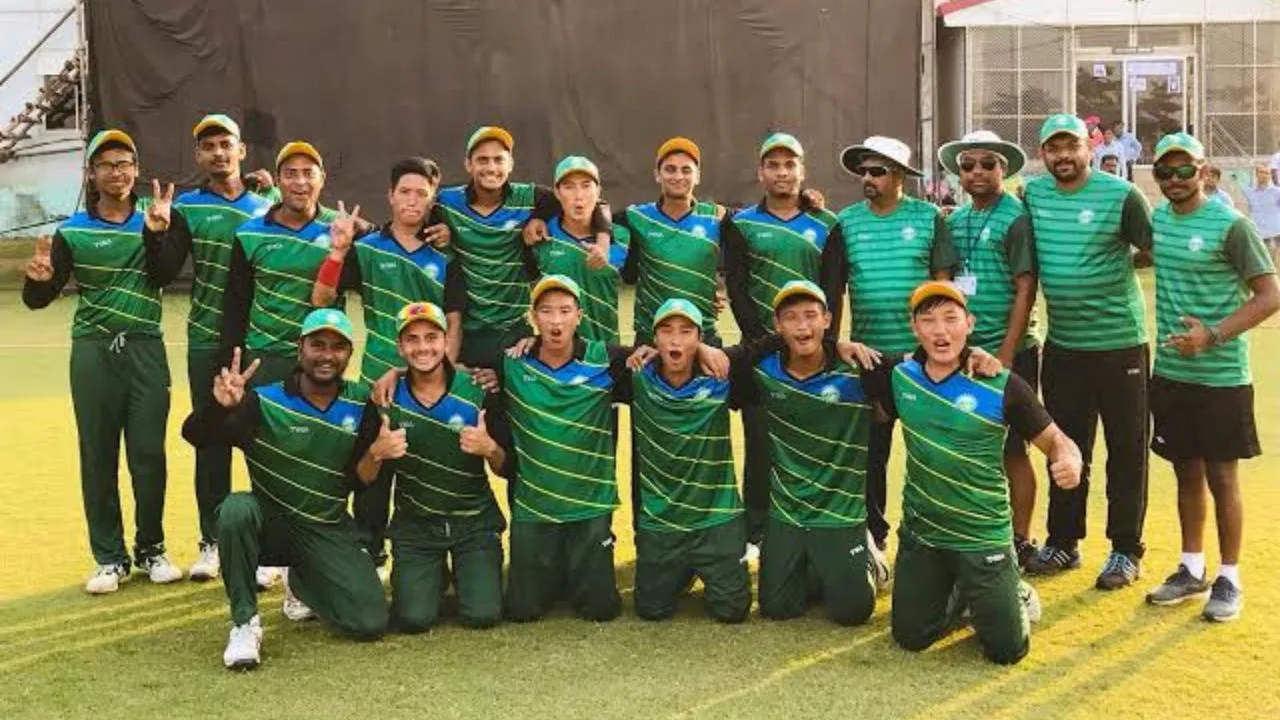
Major Intervention by BCCI Aims to Secure Arunachal Pradesh’s Domestic Cricket Future Amid Administrative Dispute
The Board of Control for Cricket in India (BCCI) has taken decisive action to address the ongoing turmoil affecting Arunachal Pradesh’s domestic cricket season. Following a series of administrative disputes and subsequent forfeitures, the BCCI has stepped in to safeguard the rights of players and ensure the continuation of the state’s cricketing journey. This intervention marks a significant effort to predict and shape a stable future for Arunachal Pradesh cricket, despite complex legal and administrative challenges.
Background: The Disruption in Arunachal Pradesh Cricket
In the 2026-27 domestic season, Arunachal Pradesh faced unprecedented disruptions that threatened to derail its cricketing progress. The crisis was rooted in an internal leadership conflict within the Arunachal Cricket Association (ACA), which held elections in September 2026. Nabam Vivek was elected as president amidst controversy, with several district associations challenging the legitimacy of the election process. The dispute soon escalated to the courts, as the Itanagar bench of the Gauhati High Court issued a stay order, halting key administrative decisions and leaving the ACA in a state of limbo.
This legal impasse had immediate consequences. Players and coaches were left uncertain about reporting protocols, and crucial fixtures in the domestic calendar were missed or forfeited. Arunachal Pradesh’s senior team was unable to participate in the opening Ranji Trophy Plate Group match against Nagaland in Ahmedabad on October 11, 2026. This was a significant setback, not only disrupting team preparations but also impacting the morale of the players who had trained hard for the season.
Junior Teams and Missed Opportunities
The fallout extended beyond the senior ranks. The state’s Under-19 teams faced even more severe consequences. Arunachal Pradesh’s Under-19 men’s squad failed to field a team against Sikkim in the Vinoo Mankad Trophy held in Bhubaneswar on October 8. This was the second consecutive forfeiture for the team, highlighting the depth of the crisis at the youth level. The Under-19 Women’s team also missed their fixtures in the T20 Trophy, further illustrating the widespread impact of the administrative dispute on all levels of cricket in Arunachal Pradesh.
These forfeitures not only hindered player development but also raised concerns about the long-term growth of cricket in the northeastern state. Without proper participation in domestic tournaments, Arunachal Pradesh risks falling behind in talent identification and nurturing, which could have repercussions on the national cricketing landscape in the years to come.
The BCCI’s Response: Ensuring a Fair and Competent Selection Process
Recognizing the urgent need to stabilize Arunachal Pradesh’s cricketing structure, the BCCI initially hesitated to intervene directly, citing the ongoing legal proceedings. However, after a thorough review of the legal documents and understanding the gravity of the situation, the board decided to take proactive measures to protect the interests of the players and the integrity of domestic competitions.
To this end, the BCCI appointed an independent panel to oversee the selection process and facilitate the formation of competitive teams for the upcoming season. Apex Council member M. Khairul Jamal Majumdar, from Mizoram, was entrusted as the convener of this process. Majumdar traveled to Arunachal Pradesh last week to conduct trials and coordinate efforts to resolve the immediate issues.
Formation of an Independent Selection Panel
The BCCI has constituted a three-member independent selection committee to assess and choose players for Arunachal Pradesh’s domestic teams. The panel includes former Assam cricketers:
- Satya Gopal Chakraborty – Chairman
- Jayanta Chowdhury
- Deep Bora
This panel is tasked with conducting comprehensive trials for various tournaments, including the prestigious Ranji Trophy, the Col. C.K. Nayudu Trophy (for under-23 players), the Senior Women’s T20 Trophy, and the Vijay Merchant Trophy (for under-16 players). The goal is to ensure that Arunachal Pradesh can field competent teams across all age groups and categories, thereby predicting a more promising future for its cricketing prospects.
To prevent local interference and ensure transparency, the BCCI has placed advertisements in regional newspapers, inviting talented players from across Arunachal Pradesh to participate in the trials. Additionally, the board plans to appoint support staff, including coaches and physiotherapists, by Wednesday, giving the teams ample time to prepare for upcoming domestic fixtures.
Prioritizing Player Welfare and Fair Play
Devajit Saikia, the BCCI secretary, emphasized the board’s commitment to prioritizing player welfare amid the upheaval. He explained that the BCCI’s intervention was based on a detailed review of the legal documents and an understanding of the internal conflicts within the ACA. Saikia acknowledged that the legal proceedings had delayed the response, as the board only became aware of the dispute after the first fixtures had already been forfeited.
“When we got to know about the legal case, it was very late, so we could not do much ahead of the first game,” Saikia admitted. “Our primary concern now is to ensure that the players’ interests are protected and that Arunachal Pradesh’s cricketing activities can continue smoothly.”
He further explained that the independent panel would conduct merit-based trials, selecting squads without external influence, thus maintaining the integrity of selection and team-building processes. The BCCI’s aim is to provide Arunachal Pradesh’s talented cricketers with a platform to showcase their skills and develop further, regardless of the ongoing administrative disputes.
Expert Predictions and Future Outlook
Analysts and cricket experts predict that the BCCI’s strategic intervention could serve as a blueprint for resolving similar disputes across other states, especially those in the northeastern region with complex administrative issues. By establishing transparent, merit-based selection processes and independent oversight, the BCCI aims to foster a more robust and equitable cricketing ecosystem.
Furthermore, the move is seen as a proactive step to predict and shape the future of Arunachal Pradesh cricket, helping the state regain momentum and competitiveness in national tournaments. If the trials and administrative reforms proceed smoothly, Arunachal Pradesh could emerge stronger, with a renewed focus on talent development and competitive excellence.
Conclusion: A Hopeful Path Forward
The BCCI’s decisive action to organize independent trials and oversee team selection underscores its commitment to the growth of cricket in Arunachal Pradesh and the northeastern region. Despite the legal and administrative hurdles, the board’s intervention aims to ensure that talented players are not deprived of opportunities and that the state’s cricketing future remains optimistic.
As Arunachal Pradesh prepares to re-enter the domestic cricket arena, all eyes are on the upcoming trials and the potential revival of its cricketing fortunes. This case also highlights the importance of transparent governance and effective dispute resolution in nurturing cricket’s future at the grassroots level.
In the end, the prediction remains hopeful: with the right support and governance, Arunachal Pradesh can build a resilient cricketing foundation, paving the way for future stars to shine on national and international stages.
Latest News
BCCI postpones IPL stakeholders’ meeting due to PM Modi’s Asian Games ceremony
West Indies announce squad for Bangladesh Tests, Kevin Wickham earns maiden call-up
Temba Bavuma confirms Kagiso Rabada’s return date
Watch: Comedy of errors! Sri Lanka miss simple run-out as Arafat Minhas, Sahibzada Farhan end up at same end
Umesh Yadav opens up on Vidarbha exit, India comeback hopes
BCCI likely to delay India squad selection for New Zealand tour amid key players’ fitness concerns
Shikhar Dhawan to take legal action against T20 league over this reason
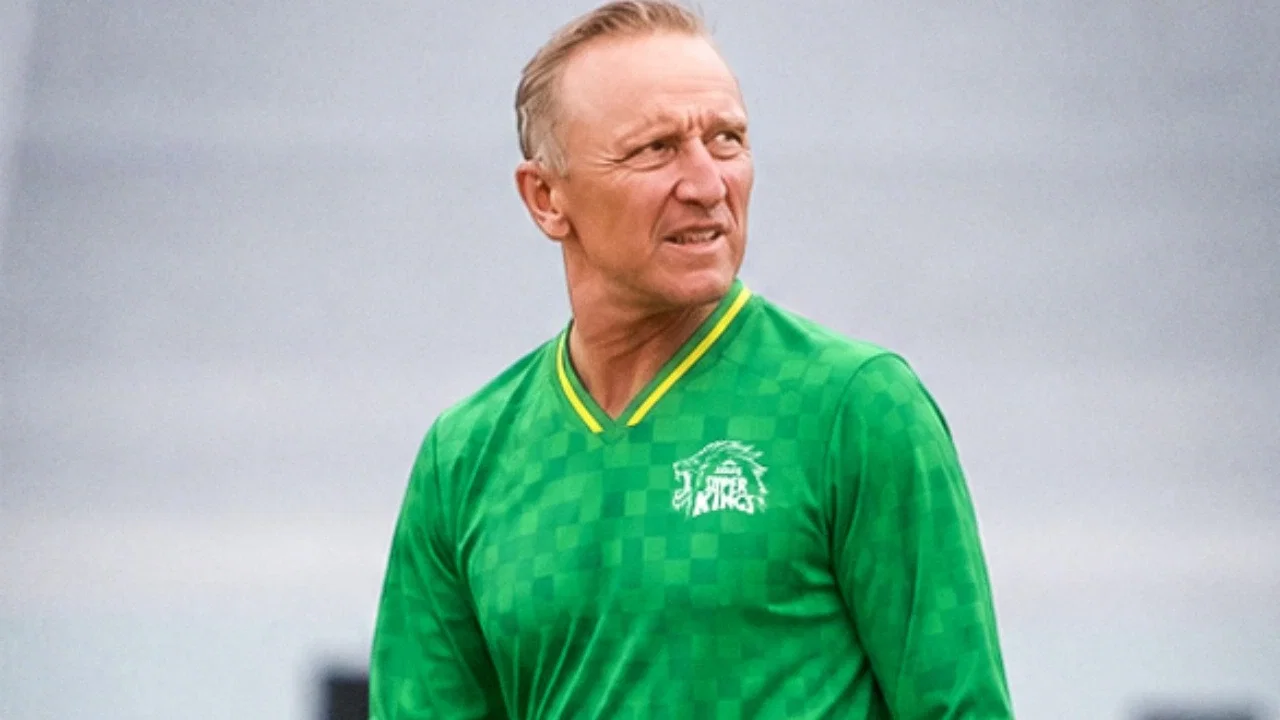
Allan Donald joins Joburg Super Kings after Eric Simons’ exit ahead of SA20 2027
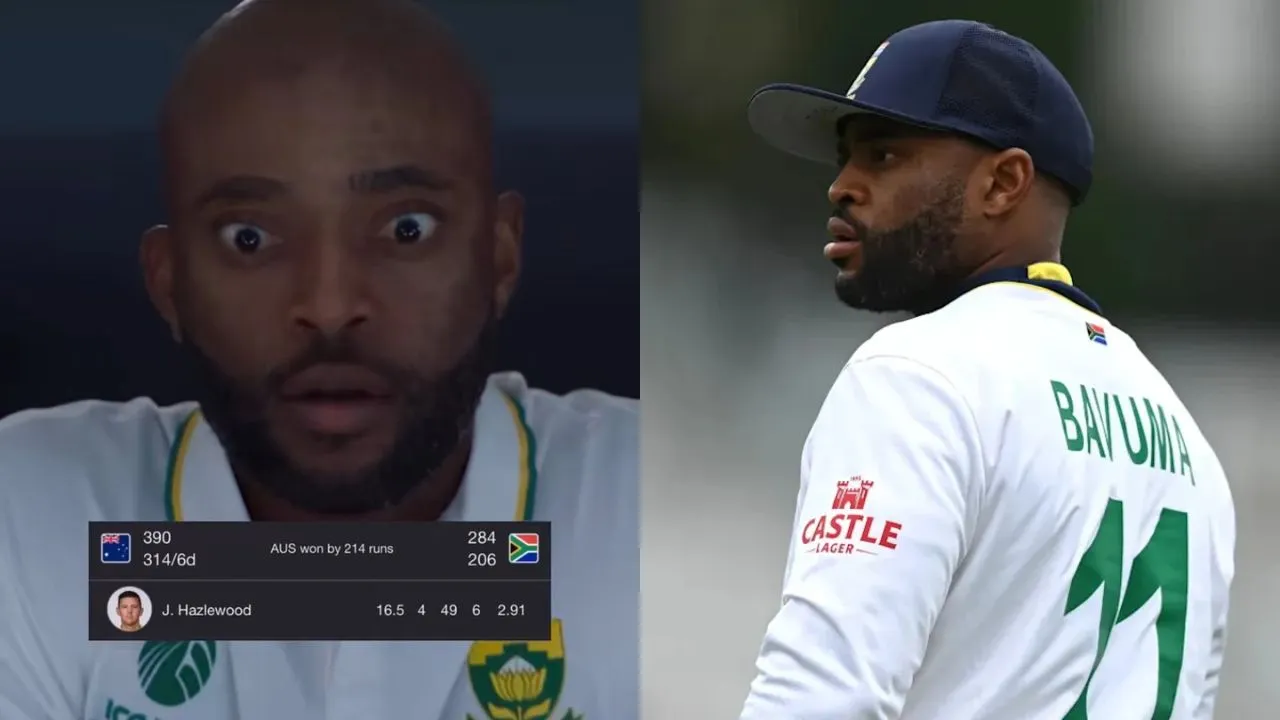
Travis Head vs Temba Bavuma: Australia star takes dig at South Africa captain after 214-run win
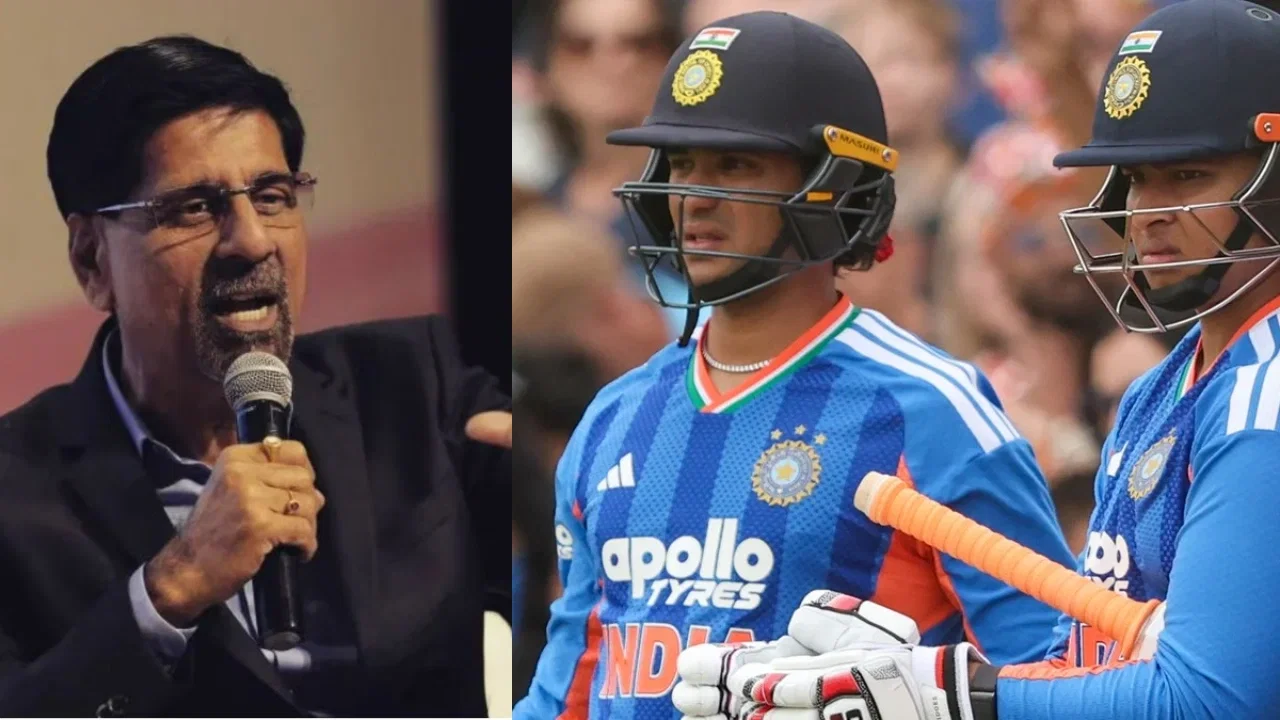
“Spoiled Vaibhav Sooryavanshi’s confidence”: Kris Srikkanth wants India to drop Abhishek Sharma
BCCI forms independent panel for Arunachal Pradesh after Ranji Trophy forfeiture
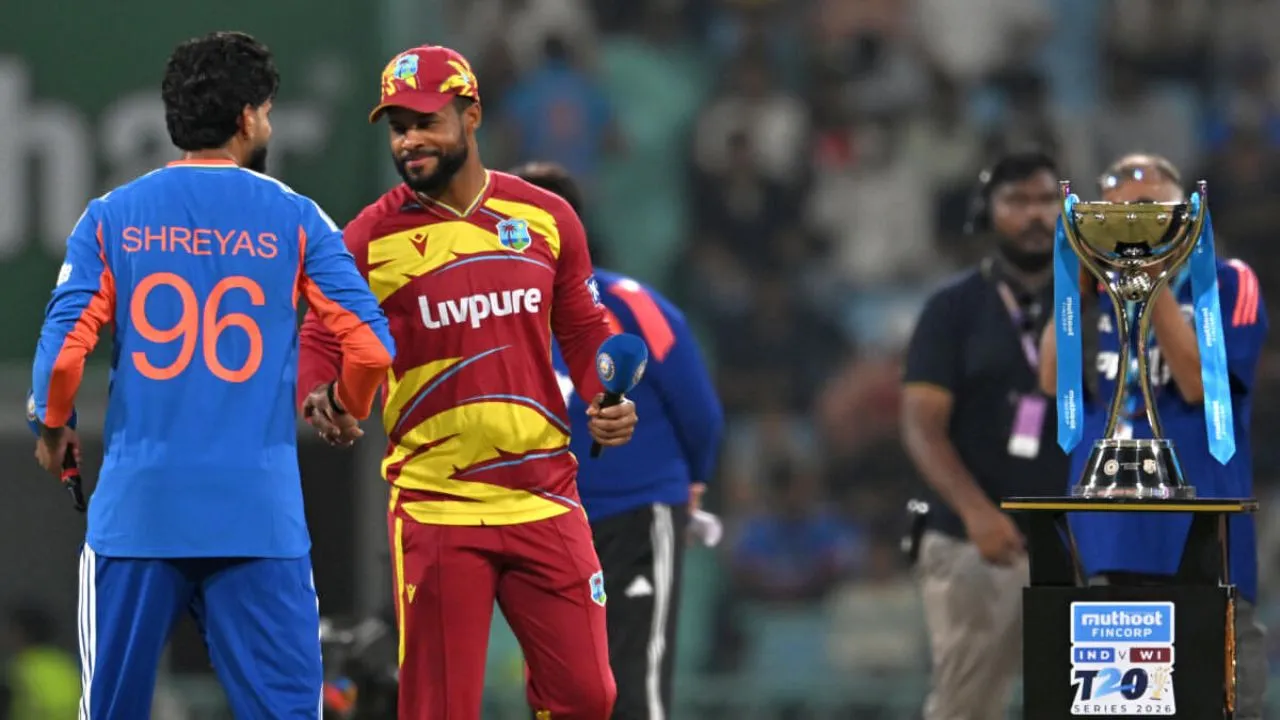
India vs West Indies: 4 major arrests made amid T20I series, check details
Sandeep Patil opens up on tough calls involving Sachin Tendulkar and Yuvraj Singh

Australia end Temba Bavuma’s historic unbeaten run with Durban Test victory

