

Umesh Yadav opens up on Vidarbha exit, India comeback hopes
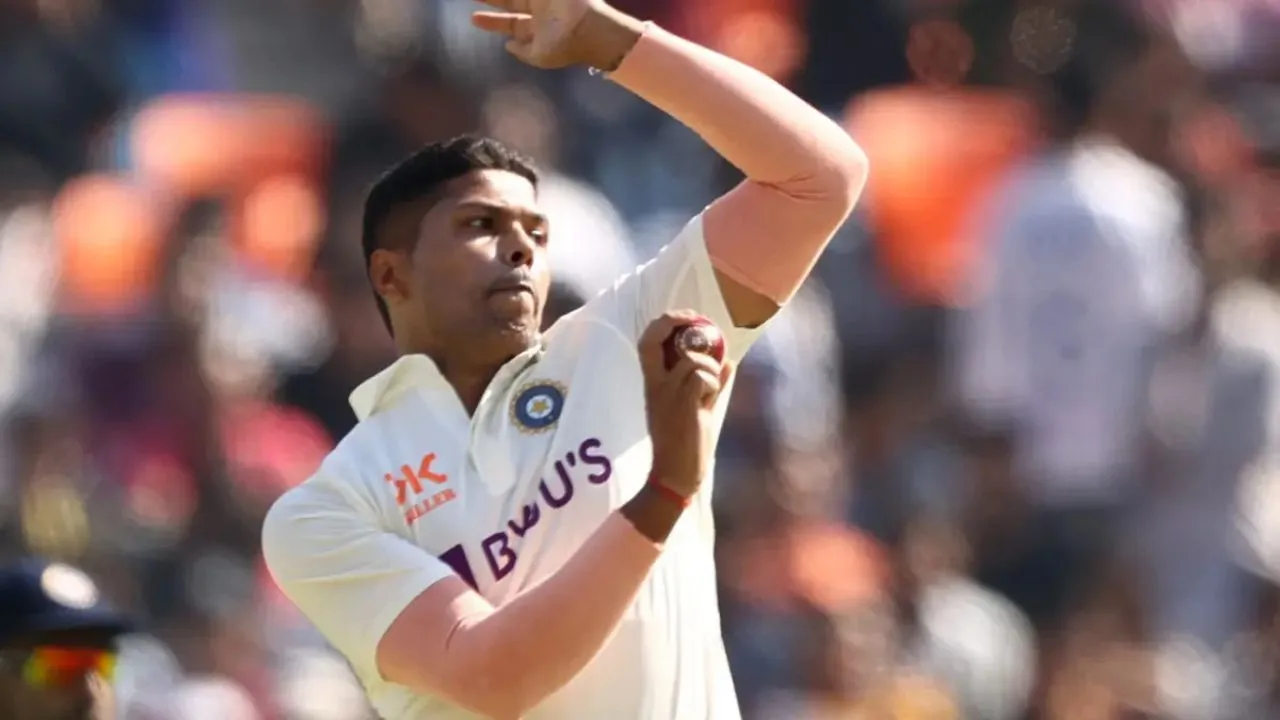
Umesh Yadav’s Bold Prediction and Call for Fair Play in Indian Cricket Selection
In a candid interview that has stirred discussions across the cricketing fraternity, veteran Indian fast bowler Umesh Yadav has articulated a compelling stance on age, performance, and the importance of transparent communication within the national selection process. As he approaches his 39th birthday on October 25, Yadav’s unwavering ambition to don the Indian jersey once more underscores his resilience and dedication to the sport that has defined his life.
Reaffirming the Role of Performance Over Age in Cricket Selection
Umesh Yadav, a seasoned campaigner with an illustrious career spanning over a decade, has represented India in 57 Test matches, 75 ODIs, and nine T20 Internationals. Despite his age, Yadav asserts that the focus should remain solely on a player’s current form and fitness levels rather than chronological age. His statement echoes a broader debate within cricket circles about the criteria used by selectors to pick players for the highest honors.
During a recent interaction with Times Now, Yadav emphasized, “I don’t think it’s ever too late. It depends. I believe any selection should be based on a player’s performance and fitness, not age criteria.” He further elaborated, warning against dismissing experienced players prematurely: “If a 37 or 38-year-old cricketer can still run, bowl effectively, and contribute on the field, then age should not be a limiting factor.” This viewpoint challenges traditional biases and advocates for a merit-based approach that values current ability over years spent in the game.
Demand for Transparency and Clear Communication from the Selection Panel
Another critical aspect Yadav highlighted is the necessity for open and honest dialogue between selectors and players. He believes that ambiguity and delayed decisions only breed frustration and uncertainty among seasoned cricketers who still harbor ambitions of representing their country.
Yadav explained, “If selectors have made up their minds, they should communicate it clearly. Passing on a definitive decision helps players plan their future, whether it’s to prepare for another comeback or to move on.” His call for transparency is rooted in fairness and respect for those who have dedicated their lives to cricket, emphasizing that clarity benefits both the players and the selectors.
Injury Struggles and the Importance of Support During Recovery
Umesh Yadav’s journey has not been without setbacks. His recent Achilles tendon injury, a serious concern for fast bowlers, sidelined him from international cricket. He drew parallels with Mohammed Shami, another stalwart who has faced injury challenges but has recently made a successful comeback in domestic cricket with Bengal.
Yadav revealed that while Shami received full support from Bengal during his recovery, he felt the lack of similar backing from his home state of Vidarbha. He shared, “When I returned from injury, I didn’t get the support I expected from Vidarbha. Instead, there was an underlying motive to sideline me, which was disheartening.” This candid admission sheds light on the often overlooked challenges players face beyond the field — the importance of institutional backing during critical phases of injury and recovery.
Criticism of Vidarbha and the Need for Player-Centric Support
Having dedicated 18 years to Vidarbha, Umesh expressed disappointment over what he perceives as a lack of genuine support from the regional cricket association. He alleged that some officials prioritized their own interests over the player’s well-being, stating, “The coach and some management members seemed more interested in consolidating their power rather than supporting the player during tough times.”
This criticism raises broader questions about the culture within regional cricket associations and highlights the need for a more player-centric approach that prioritizes health, rehabilitation, and fair treatment.
Advocacy for Clarity and Fairness in Future Selections
Concluding his remarks, Yadav emphasized the significance of clarity in the selection process for all players, whether vying for a comeback or stepping away from international cricket entirely. He reiterated that transparent communication not only alleviates uncertainties but also fosters a healthy competitive environment.
He remarked, “Whether it’s Shami, me, or any other player, clarity from the selectors helps everyone. We’ve loved this sport since childhood, and we want to continue playing with honesty and transparency.” His words serve as a reminder that cricket, at its core, is a game of passion, dedication, and fairness.
The Broader Context: Age, Performance, and the Future of Indian Fast Bowling
Umesh Yadav’s comments arrive at a crucial juncture for Indian cricket’s fast-bowling unit. The emergence of young talents such as Umran Malik, Arshdeep Singh, and Shivam Mavi has created a competitive environment, making it more challenging for veterans to secure a spot. However, Yadav’s stance suggests that experience and current form should be given due weightage in selection decisions.
In recent years, cricketing authorities worldwide have begun to challenge age-related biases, recognizing that fitness and performance are more indicative of a player’s contribution than age alone. For instance, players like James Anderson and Stuart Broad for England continue to perform effectively well into their late 30s and early 40s, reinforcing the idea that age is just a number.
What the Prediction Means for Indian Cricket
The prediction emerging from Yadav’s comments is that selectors might need a paradigm shift in their approach. Focusing on continuous performance metrics and fitness assessments could lead to a more inclusive and meritocratic selection process. This could benefit India by retaining experienced players who still have much to offer, especially in high-pressure situations like overseas tours and World Cups.
Furthermore, the emphasis on transparency and communication could set a precedent that encourages more open dialogue, reducing the chances of misunderstandings and fostering a culture of respect and professionalism within Indian cricket circles.
Looking Ahead: The Path for Umesh Yadav and Other Veteran Players
While the road to a potential India comeback remains uncertain for Yadav, his unwavering spirit and clear stance on fairness serve as an inspiration. His focus on fitness, performance, and honest communication reflects a mature understanding of the game’s evolving landscape.
Moreover, his advocacy for a fair selection process aligns with the broader goals of Indian cricket to nurture talent based on merit and resilience. As the cricketing world continues to evolve, players like Yadav pave the way for a more inclusive and transparent future.
Final Thoughts
Umesh Yadav’s candid insights serve as a wake-up call for selectors, administrators, and cricket fans alike. His prediction that age should not be a barrier, provided performance and fitness are maintained, challenges stereotypes and encourages a more merit-based approach. Additionally, his emphasis on clear communication underscores the importance of respect and transparency in sports management.
As Indian cricket moves forward, embracing these principles could lead to a stronger, more cohesive team — one that values experience, encourages resilience, and upholds fairness at every step. Whether or not Yadav makes a return to the national fold, his voice adds an essential perspective to ongoing discussions about the future of Indian cricket and the role of veteran players in the modern game.
Latest News
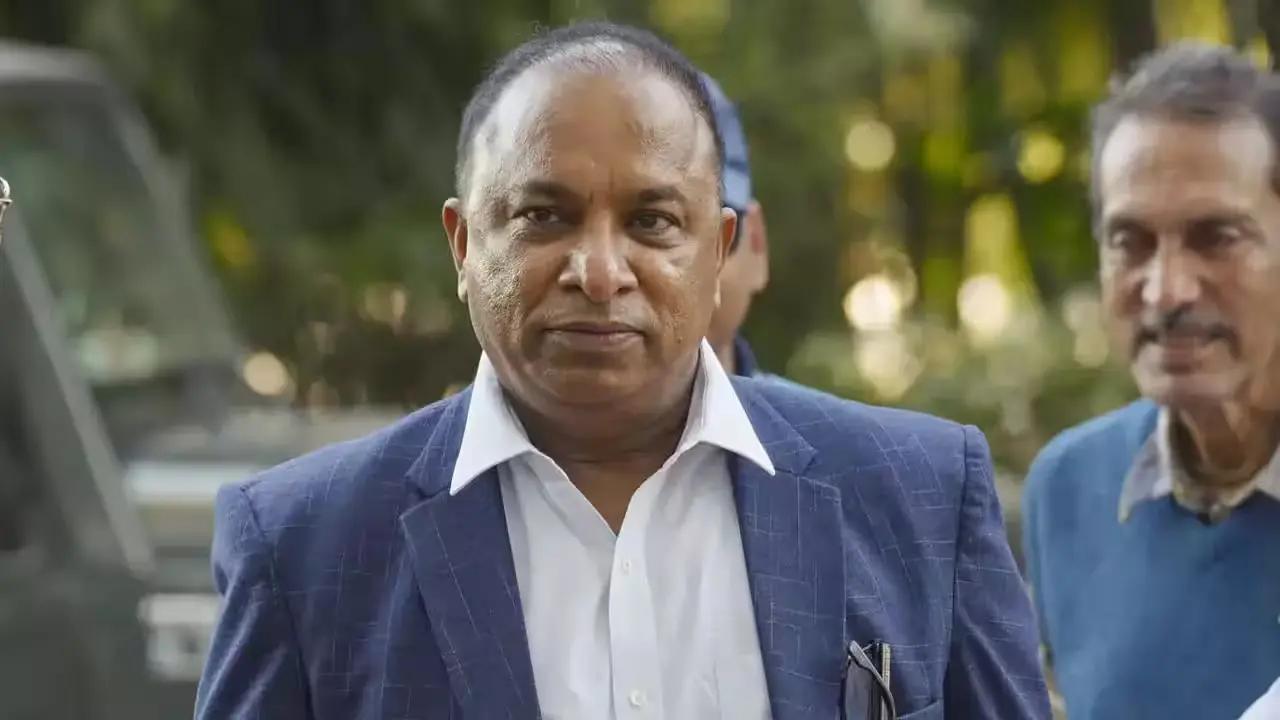
BCCI postpones IPL stakeholders’ meeting due to PM Modi’s Asian Games ceremony
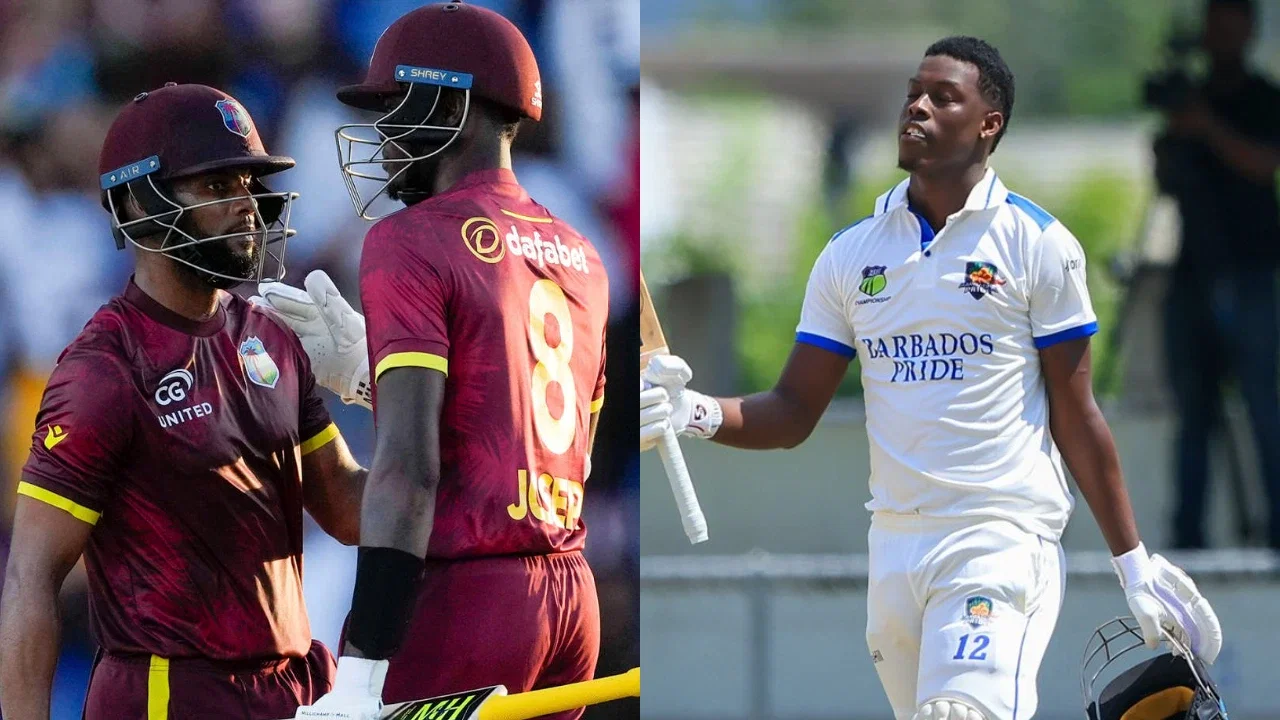
West Indies announce squad for Bangladesh Tests, Kevin Wickham earns maiden call-up
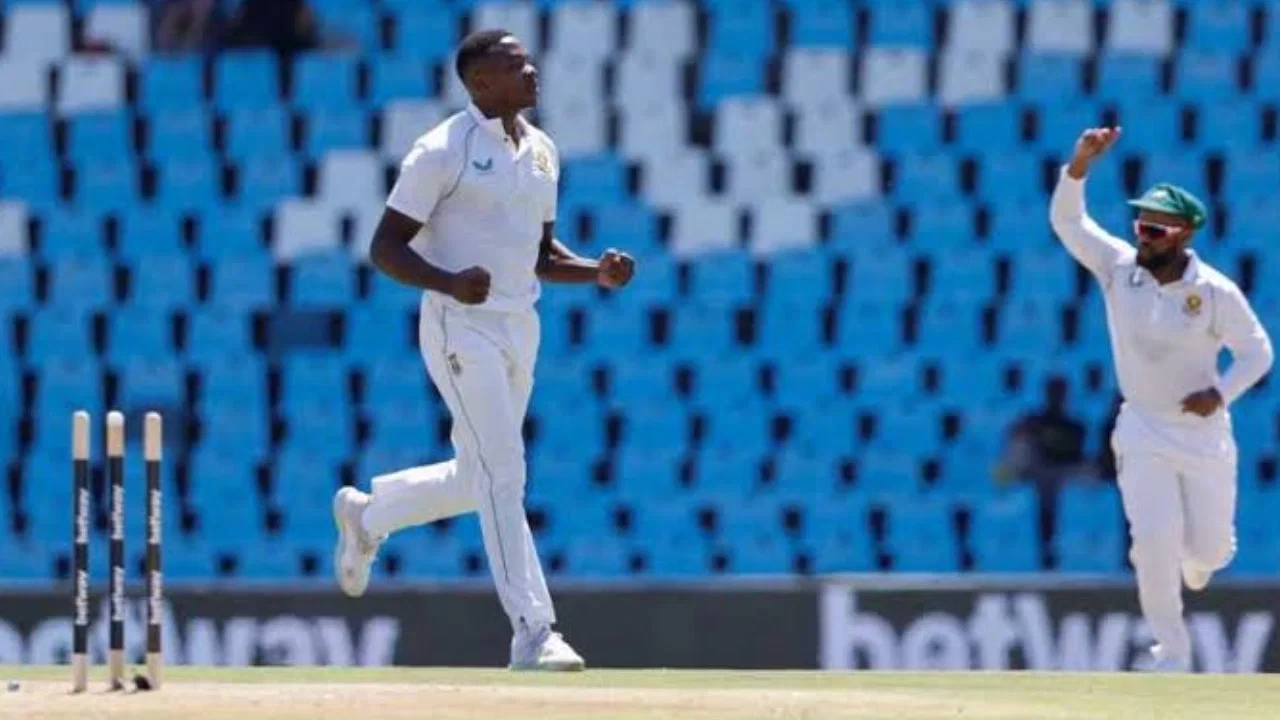
Temba Bavuma confirms Kagiso Rabada’s return date
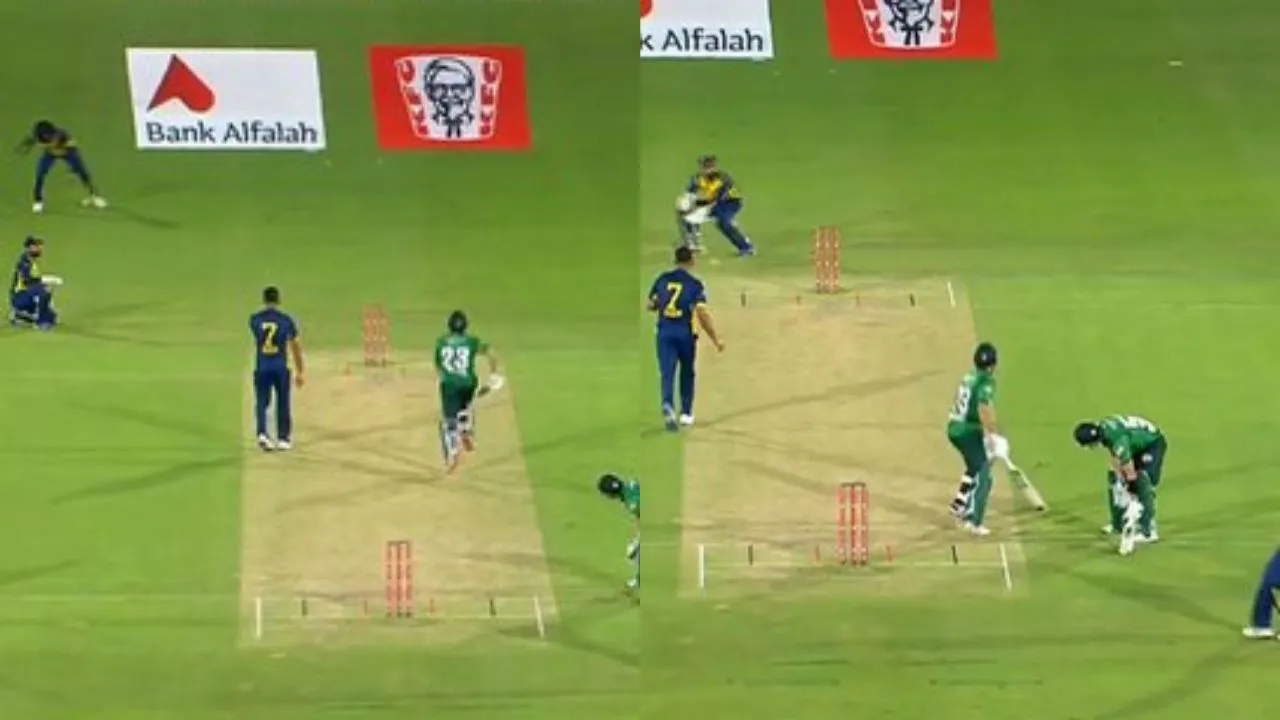
Watch: Comedy of errors! Sri Lanka miss simple run-out as Arafat Minhas, Sahibzada Farhan end up at same end
Umesh Yadav opens up on Vidarbha exit, India comeback hopes
BCCI likely to delay India squad selection for New Zealand tour amid key players’ fitness concerns
Shikhar Dhawan to take legal action against T20 league over this reason
Allan Donald joins Joburg Super Kings after Eric Simons’ exit ahead of SA20 2027
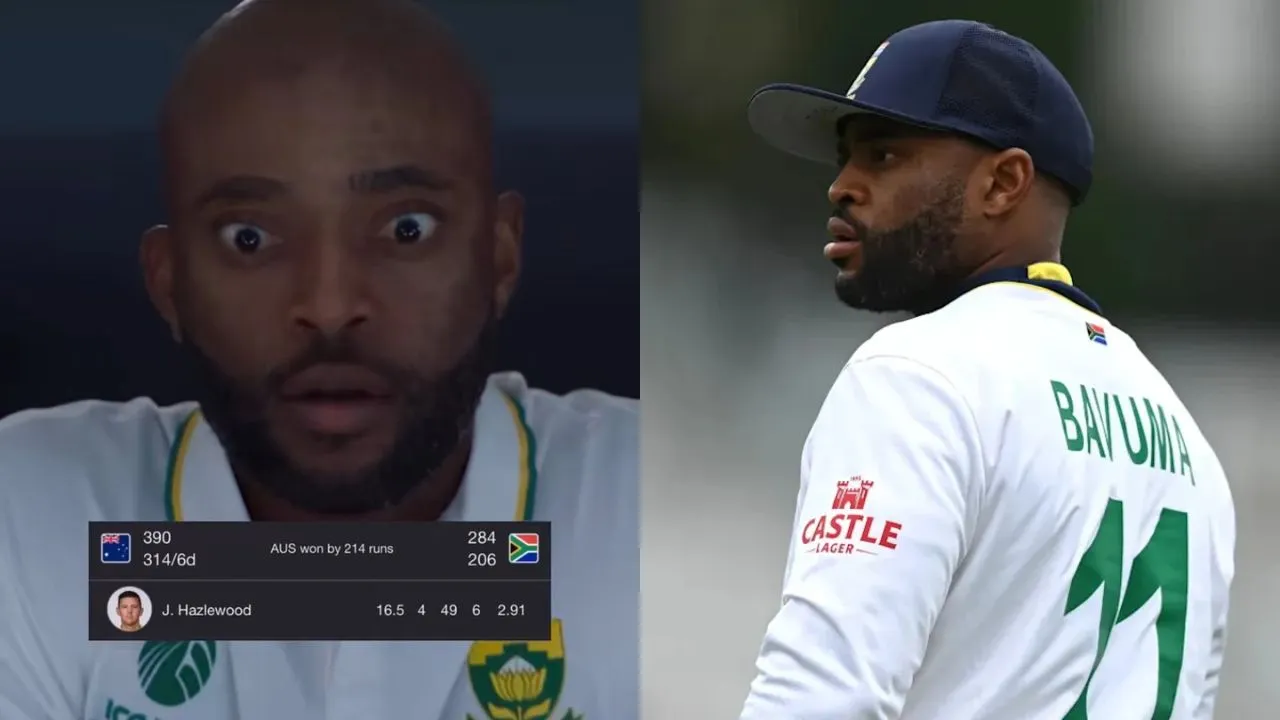
Travis Head vs Temba Bavuma: Australia star takes dig at South Africa captain after 214-run win
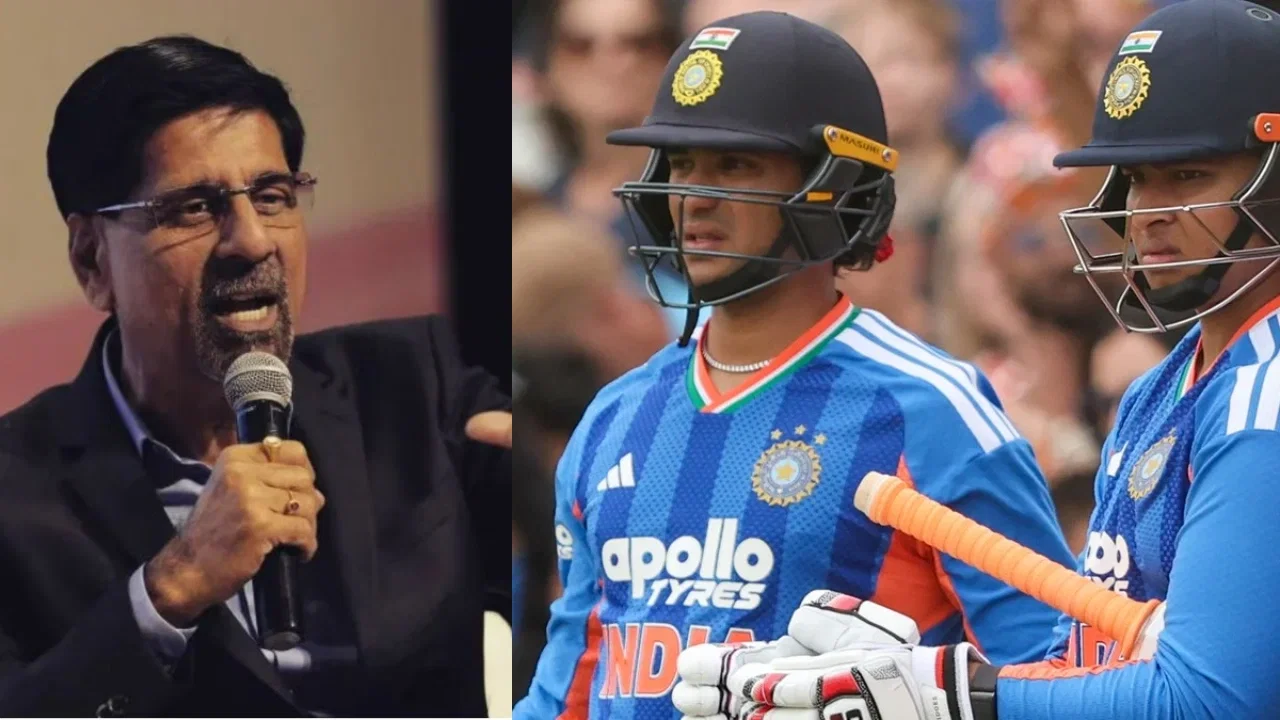
“Spoiled Vaibhav Sooryavanshi’s confidence”: Kris Srikkanth wants India to drop Abhishek Sharma
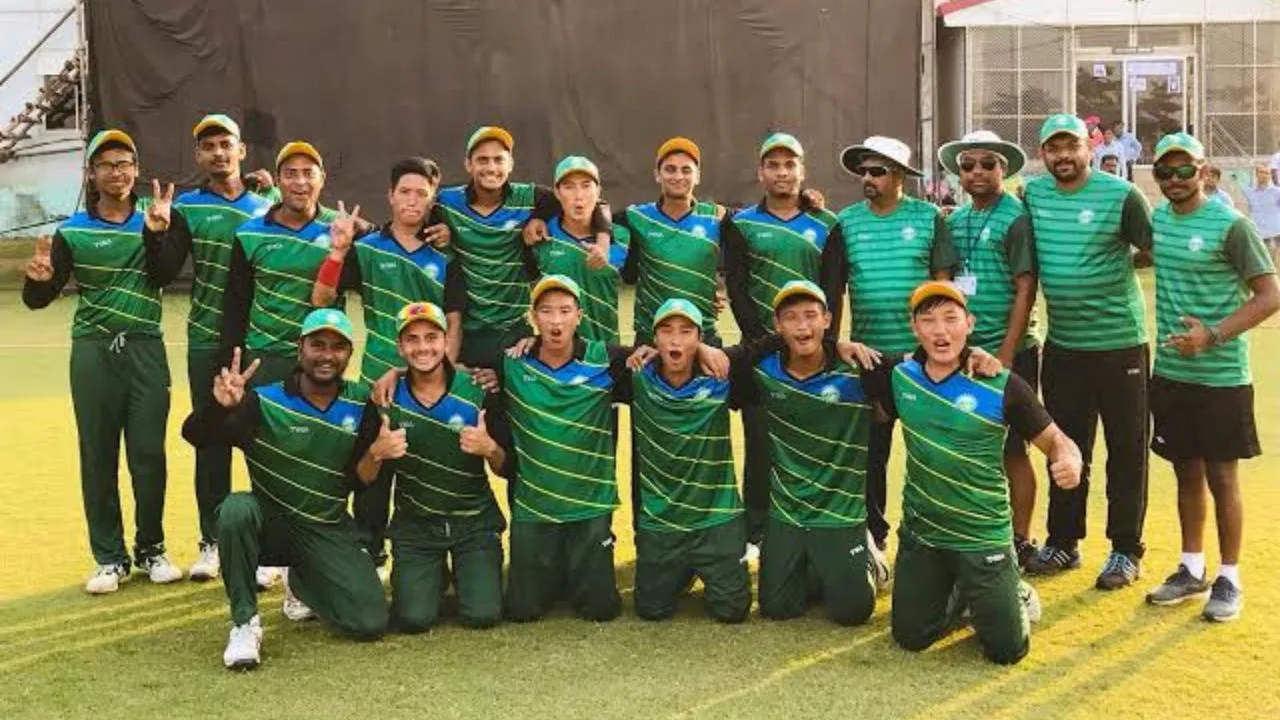
BCCI forms independent panel for Arunachal Pradesh after Ranji Trophy forfeiture
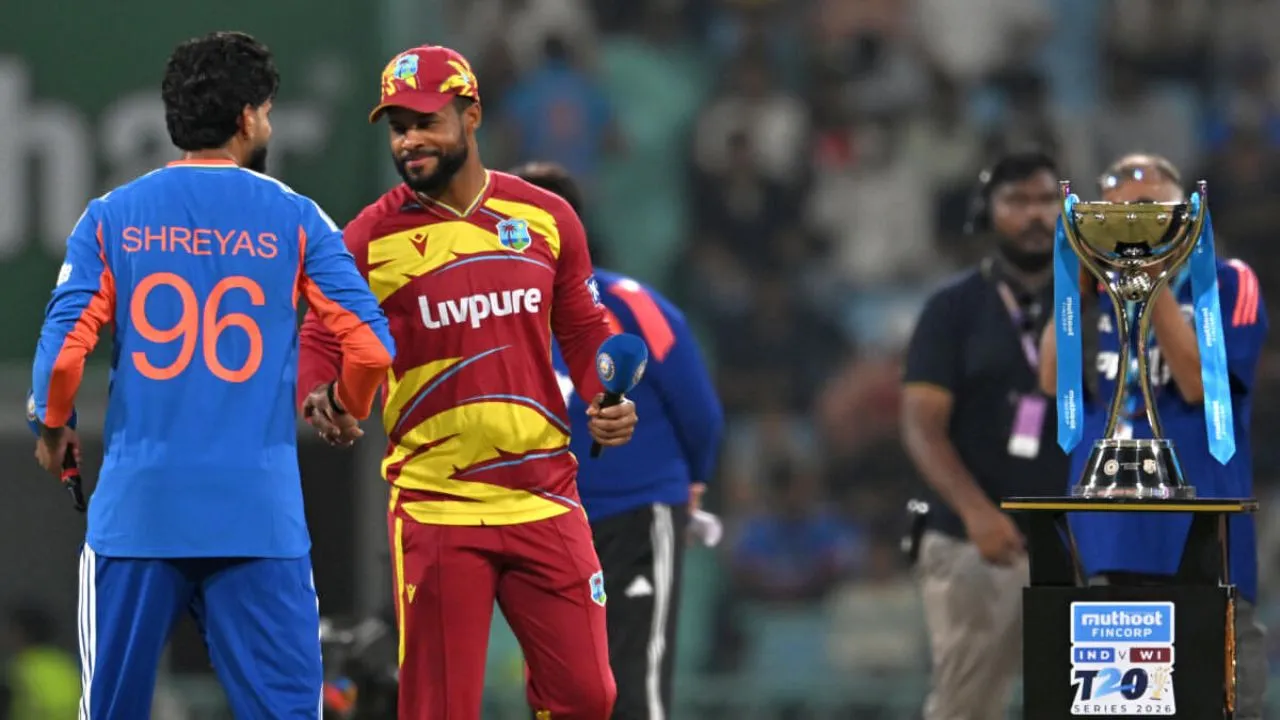
India vs West Indies: 4 major arrests made amid T20I series, check details
Sandeep Patil opens up on tough calls involving Sachin Tendulkar and Yuvraj Singh

Australia end Temba Bavuma’s historic unbeaten run with Durban Test victory

