

Watch: Comedy of errors! Sri Lanka miss simple run-out as Arafat Minhas, Sahibzada Farhan end up at same end

Series Decider at Rawalpindi: An Unexpected Run-Out, Key Performances, and the Prediction Outlook
The third and final T20 International between Sri Lanka and Pakistan at Rawalpindi Cricket Stadium delivered a blend of dramatic moments, strategic brilliance, and costly fielding errors that kept cricket fans on the edge of their seats. As the series reached its climax, the prediction of who would emerge victorious became increasingly complex, influenced by both teams’ fluctuating performances and crucial moments that could have gone either way.
The Bizarre Run-Out Mix-Up: A Costly Fielding Error Turns the Tide
One of the most talked-about incidents during this match was a bizarre run-out opportunity missed by Sri Lanka, which could have significantly altered the course of the game. In the 14th over, Pakistan’s Arafat Minhas attempted a quick single after pushing the ball into the cover region. Sahibzada Farhan initially responded to the call but then hesitated, abandoning the run. Both batters ended up at the non-striker’s end, leaving the striker’s end unguarded. The Sri Lankan fielder Sineth Jayawardene swiftly collected the ball and threw it towards the wicketkeeper’s end, aiming to run out Minhas.
However, Sri Lanka’s captain Kusal Mendis failed to collect the throw cleanly, allowing Minhas to make his ground safely. This misjudged run-out opportunity was a pivotal moment, as it could have limited Pakistan’s innings and applied pressure on their middle order. Instead, Minhas received a reprieve and capitalized on it, finishing unbeaten with 34 runs off just 20 balls, including two sixes and two fours. His resilience helped Pakistan recover from a middle-order slump and set a competitive total.
Pakistan’s Fightback Through Sahibzada Farhan’s Power Hitting
Pakistan’s innings was marked by resilience and strategic batting from Sahibzada Farhan, who scored an impressive 76 runs off 47 balls. His knock was instrumental in anchoring Pakistan’s innings after early wickets fell at regular intervals. Early on, Sri Lanka’s quick bowlers, led by Eshan Malinga, struck with precision, dismissing Fakhar Zaman and Maaz Sadaqat in the same over, putting Pakistan under pressure.
Farhan’s aggressive approach, featuring seven fours and three sixes, kept Pakistan afloat and allowed the team to post a total of 168/8 in their 20 overs. His efforts, combined with a crucial partnership with Arafat Minhas, who scored 34 unbeaten runs, demonstrated the prediction that individual brilliance could influence the outcome of tightly contested matches. The captain’s strategic batting helped Pakistan stay in the game, setting the stage for a tense finish.
Key Bowling Performances: Sri Lanka’s Defensive Strategy
Defensive tactics and disciplined bowling were evident from the Sri Lankan side, with Dasun Shanaka leading the attack, claiming 3 wickets for 31 runs in his four overs. The fast bowlers, including Eshan Malinga and Nuwan Thushara, also made significant contributions, taking two wickets each, which kept Pakistan’s innings in check during crucial phases. The prediction that Sri Lanka’s bowlers could contain Pakistan’s run-scoring was validated by their ability to restrict the hosts, although the missed run-out opportunity kept the game open until the final overs.
Kusal Mendis’ Masterclass: Powering Sri Lanka to a Memorable Win
Chasing a target of 169, Sri Lanka’s response was spearheaded by their captain Kusal Mendis, whose aggressive batting led the charge. Mendis’s unbeaten 87 off 48 balls, featuring nine fours and four sixes, exemplified the power-hitting predicted as key to Sri Lanka’s success. His partnership with Sineth Jayawardene, who scored 38 off 26 balls, set the foundation for a comfortable chase, with the duo adding 59 runs for the second wicket.
After Jayawardene’s dismissal, Mendis joined forces with Kamindu Mendis, and their unbroken 98-run partnership sealed the victory. Kamindu’s 40 not out off 27 balls, including four fours, ensured Sri Lanka reached the target in just 17.1 overs. This calculated and confident batting display confirmed the prediction that Mendis’s leadership and explosive batting could steer Sri Lanka to victory in high-pressure situations.
The Final Outcome and Series Prediction Insights
Sri Lanka’s eight-wicket victory at Rawalpindi was not just a win but a statement of resilience and strategic execution. It prevented a series whitewash and highlighted how individual performances and fielding errors could dramatically influence the prediction of match outcomes. Pakistan, despite their spirited fightback, fell short due to crucial lapses in fielding, including the missed run-out opportunity, which proved costly in the final analysis.
The series saw Pakistan winning the first match convincingly by four wickets, chasing 183, and dominating the second with an 82-run victory. The final match’s result shifted the series’ prediction, emphasizing the unpredictability inherent in T20 cricket where momentum can swing rapidly based on key moments and fielding standards.
Additional Context: Team Changes and Series Implications
Pakistan made four strategic changes for this final game, bringing in Sufiyan Moqim, Abdul Samad, Razaullah, and Arafat Minhas. Notably, they rested experienced players Shadab Khan, Saim Ayub, Naseem Shah, and Abrar Ahmed, aiming to test new talents and assess squad depth. Despite these adjustments, the series outcome underscored that individual brilliance and team cohesion are critical for prediction accuracy in such high-stakes series.
Looking ahead, the series provides valuable insights into team strategies, player performances, and the importance of fielding discipline—factors that significantly influence prediction models for future matches. As both teams gear up for upcoming series, analysts will be watching how these elements evolve and how they impact the prediction of match results in the fast-paced world of T20 cricket.
Conclusion: The Power of Prediction in Modern Cricket
The Rawalpindi series finale proved that predictions in cricket are often challenged by unpredictable moments, such as the missed run-out or a power-hitter’s innings. It underscores that, beyond statistics and strategic plans, cricket remains a sport where fielding errors and individual brilliance can turn the tide of a match. Fans and experts alike will continue to analyze these elements to refine prediction models, aiming to better anticipate outcomes in the future.
As Sri Lanka celebrates their hard-fought victory, the series serves as a reminder of the excitement and uncertainty that make T20 cricket uniquely engaging—and a testament to the importance of adaptability, focus, and execution in the quest for prediction accuracy.
Latest News

BCCI postpones IPL stakeholders’ meeting due to PM Modi’s Asian Games ceremony

West Indies announce squad for Bangladesh Tests, Kevin Wickham earns maiden call-up

Temba Bavuma confirms Kagiso Rabada’s return date
Watch: Comedy of errors! Sri Lanka miss simple run-out as Arafat Minhas, Sahibzada Farhan end up at same end

Umesh Yadav opens up on Vidarbha exit, India comeback hopes

BCCI likely to delay India squad selection for New Zealand tour amid key players’ fitness concerns
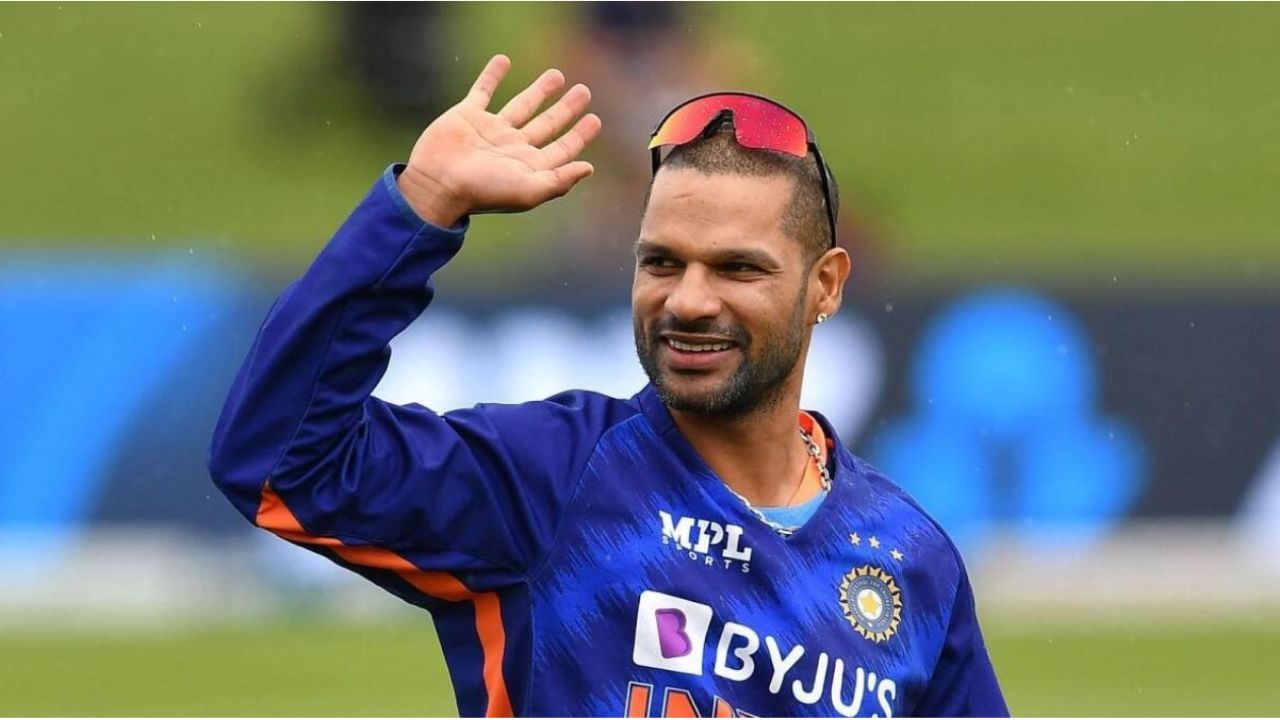
Shikhar Dhawan to take legal action against T20 league over this reason

Allan Donald joins Joburg Super Kings after Eric Simons’ exit ahead of SA20 2027

Travis Head vs Temba Bavuma: Australia star takes dig at South Africa captain after 214-run win
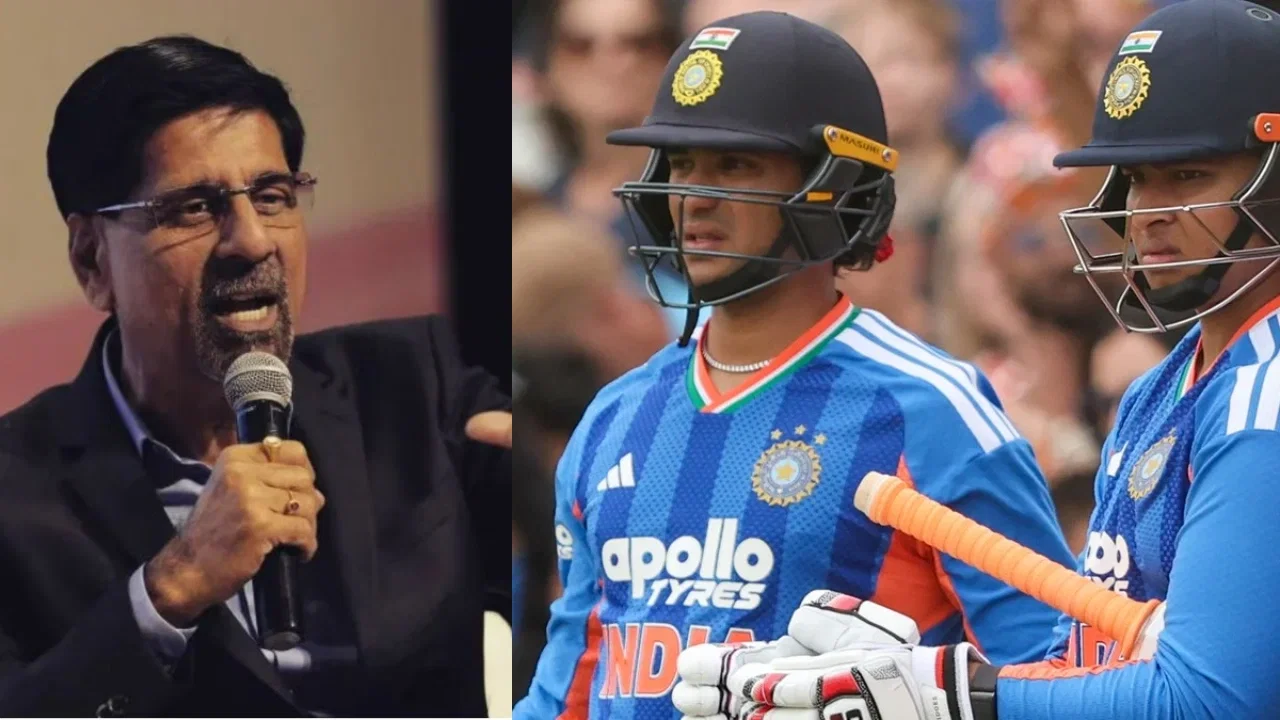
“Spoiled Vaibhav Sooryavanshi’s confidence”: Kris Srikkanth wants India to drop Abhishek Sharma

BCCI forms independent panel for Arunachal Pradesh after Ranji Trophy forfeiture

India vs West Indies: 4 major arrests made amid T20I series, check details
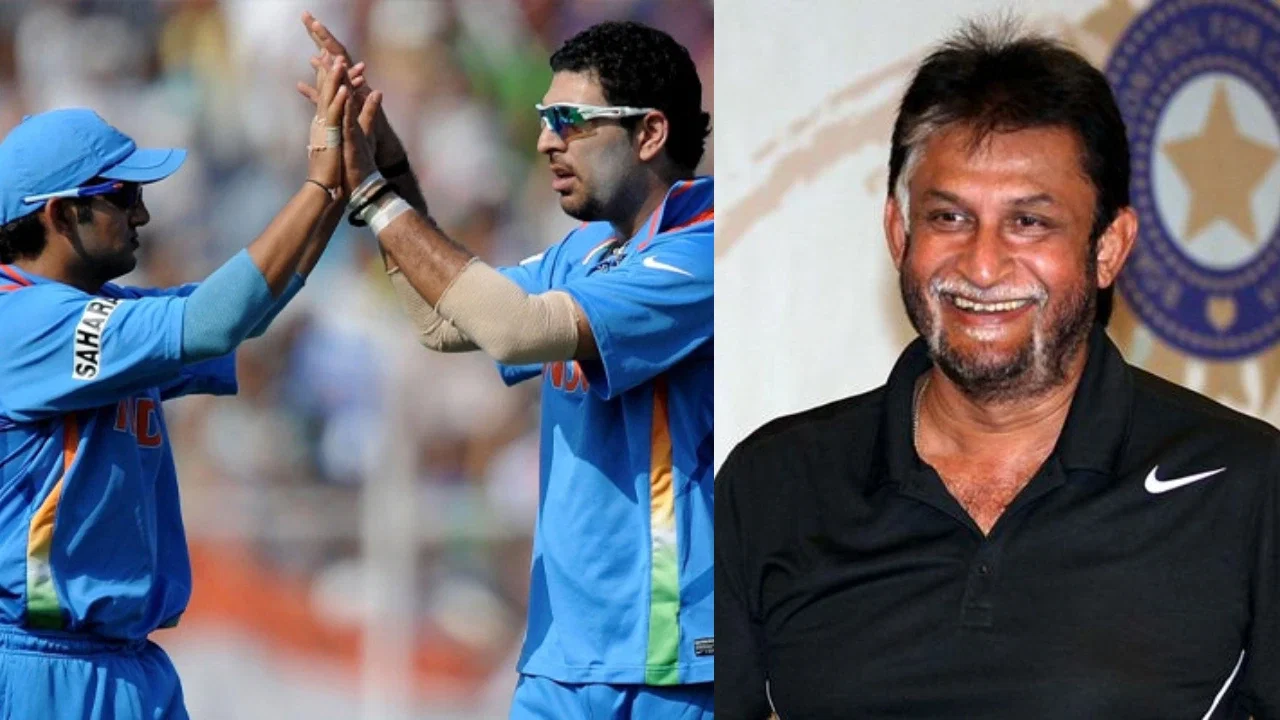
Sandeep Patil opens up on tough calls involving Sachin Tendulkar and Yuvraj Singh

Australia end Temba Bavuma’s historic unbeaten run with Durban Test victory

