BCCI ready to increase salaries, yet 2 former India stars reject West Zone selector’s job
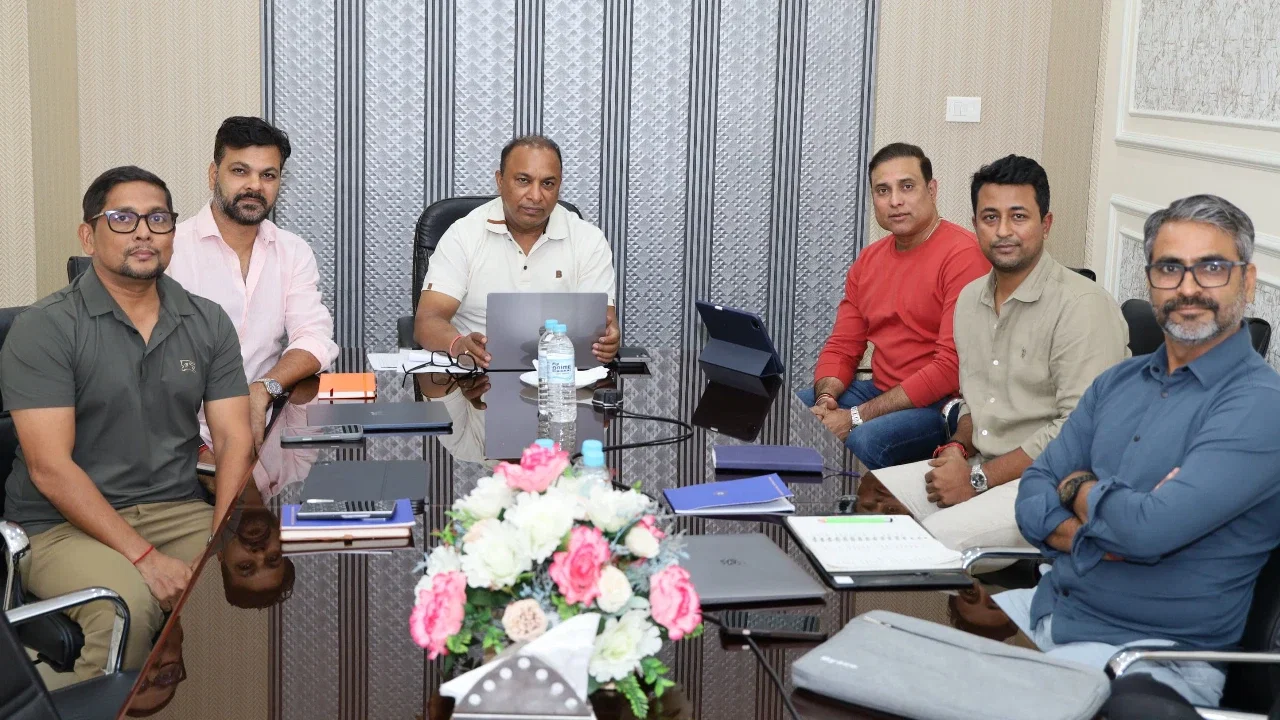
BCCI Faces Fresh Hurdle in Search for West Zone Selector
The Board of Control for Cricket in India (BCCI) is facing a difficult search for a new national selector from the West Zone, with two high-profile former India cricketers reportedly turning down the opportunity. The vacancy has emerged after Ajit Agarkar stepped away from the selection committee, leaving the board to identify a suitable replacement for one of Indian cricket’s most influential roles.
The latest development has added uncertainty to the selection process. The BCCI invited applications for the position, with the deadline reported to have closed on October 14. Yet, despite the prestige of serving on the national selection panel—and reports that the board is prepared to offer a more attractive salary—finding an experienced candidate has proved challenging.
Two Former India Players Decline the Offer
According to a report by The Times of India, the BCCI approached two former Indian cricketers from the West Zone who each played close to 100 Test matches. Both reportedly declined the offer, turning down an opportunity to help shape the future of the national team.
Their decision highlights the demands attached to the selector’s position. The job involves extensive travel, close scrutiny of players and high-stakes choices that are often debated by fans, former players and the media. A selector must also balance current form with long-term planning, while making decisions across several formats and age groups.
The BCCI is understood to be interested in candidates with substantial playing experience and strong knowledge of domestic cricket. However, the refusal of two established names suggests that reputation alone may not be enough to attract applicants. The workload, public pressure and time commitment could all factor into a former player’s decision.
Selection Committee Vacancy After Agarkar’s Exit
The West Zone seat is part of the five-member national selection committee. The panel currently includes Pragyan Ojha, RP Singh, Ajay Ratra and SS Das, with the vacant position still to be filled. Agarkar, who previously served as chief selector, did not seek an extension, prompting the BCCI to begin the search for a new representative from the region.
Regional representation is a longstanding feature of the selection structure. A West Zone selector can bring detailed familiarity with players and competitions in that part of the country, while also contributing to collective decisions on India’s squads. The position is not limited to identifying talent from one region: selectors are expected to assess players nationwide and work together on balanced, evidence-based selections.
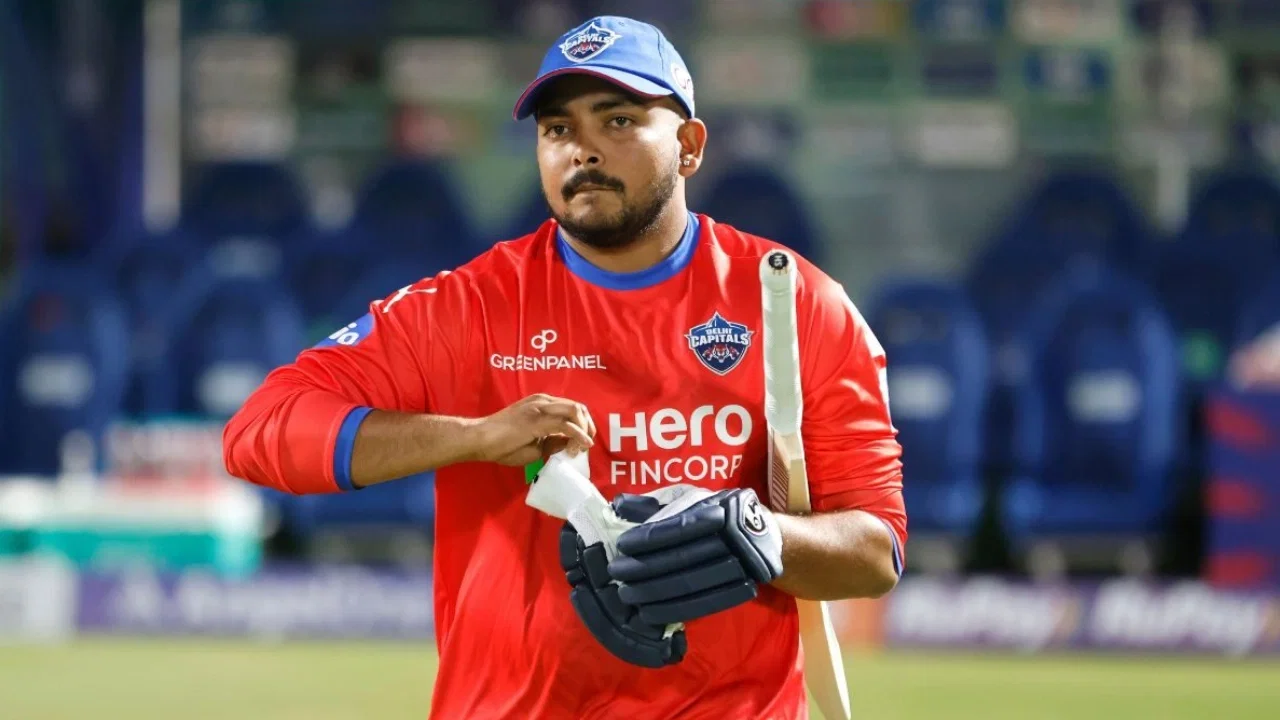
There has also been attention on whether former India wicketkeeper-batter Parthiv Patel might enter the race. Reports have noted that he had not applied at the time of publication, though the final field of candidates will depend on the BCCI’s process and eligibility checks.
BCCI Raises Budget for Selection Committees
The board’s reported willingness to increase spending may be an effort to make selector roles more appealing to experienced candidates. When RP Singh and Pragyan Ojha joined the committee in September last year, they reportedly negotiated their compensation. The resulting changes added around Rs 3 crore to the BCCI’s annual budget for selection committees, taking it to approximately Rs 17.45 crore.
That allocation is reportedly set to rise again. For the 2026–27 financial year, the budget has increased by nearly Rs 2 crore, bringing annual spending on selection committees to about Rs 19.35 crore. The figure reflects the importance the BCCI places on recruiting capable decision-makers, although compensation is only one part of the role’s appeal.
For fans following the selector prediction and the likely candidates, the key question is whether a former international player will step forward before the board finalises its appointment. A candidate with significant first-class and international experience could strengthen the panel, but the BCCI will also need someone prepared to commit time to domestic cricket and the wider responsibilities of the job.
Who Is Eligible to Become an India Selector?
The BCCI has set out minimum playing requirements for applicants. A candidate must have played at least seven Test matches or 30 first-class matches. Alternatively, the eligibility criteria include a record of at least 10 One-Day Internationals and 20 first-class matches.
Applicants must also have retired from cricket for at least five years before applying. In addition, anyone who has served for a combined total of five years on a cricket committee governed by BCCI rules and regulations is not eligible. These conditions are intended to ensure that candidates have meaningful playing experience while also maintaining clear limits on committee service.
What Does a National Selector Do?
Selecting an India squad is only one part of the job. National selectors are expected to watch domestic and international matches, track emerging players and evaluate performances over time. They must consider more than a recent score or a single standout display, weighing consistency, fitness, role requirements and a player’s suitability for the team’s plans.
The role also includes attending team meetings and travelling to matches when required. Selectors are expected to prepare quarterly performance evaluation reports for the BCCI Apex Council and, when needed, explain selection decisions to the media. The committee also has responsibility for appointing captains across formats, making its work central to both immediate team choices and longer-term leadership planning.
That combination of scouting, assessment and public accountability helps explain why the West Zone vacancy has become a significant talking point. The successful candidate will join a panel whose choices can influence India’s preparation for major tournaments, the development of younger players and the direction of the national side. Until the BCCI names a replacement, the search—and speculation over who might accept the role—will remain in focus.
Latest News
Sunil Gavaskar defends India’s flat pitches, blames bowlers instead

Cameron Green injury update: All-rounder doubtful for 2nd Test vs South Africa
Nic Maddinson responds to criticism from Australia legends over Test recall
Kevin Pietersen vs England 2.0! Betting deal raises concerns over ECB mentorship role
BCCI ready to increase salaries, yet 2 former India stars reject West Zone selector’s job
South Africa squad for 2nd Test vs Australia named, Tristan Stubbs dropped, Matthew Breetzke IN
Prithvi Shaw opens up on isolating himself and playing PlayStation games
Yashasvi Jaiswal OUT of Mumbai’s Ranji squad, Suryansh Shedge, Angkrish Raghuvanshi added
‘Rohit Sharma, Virat Kohli not getting any younger’: Mitchell Santner warns India
Jasprit Bumrah OUT of New Zealand ODIs as BCCI plans Test preparations
MCC rebuilds controversial pitch at Lord’s after ICC punishment
Mike Hesson to continue as Pakistan’s interim Test coach for Sri Lanka series
IPL 2027: Why franchise owners put player trades on hold before mini-auction

Chad Laycock becomes first bowler to take five wickets in an over in South African T20 cricket