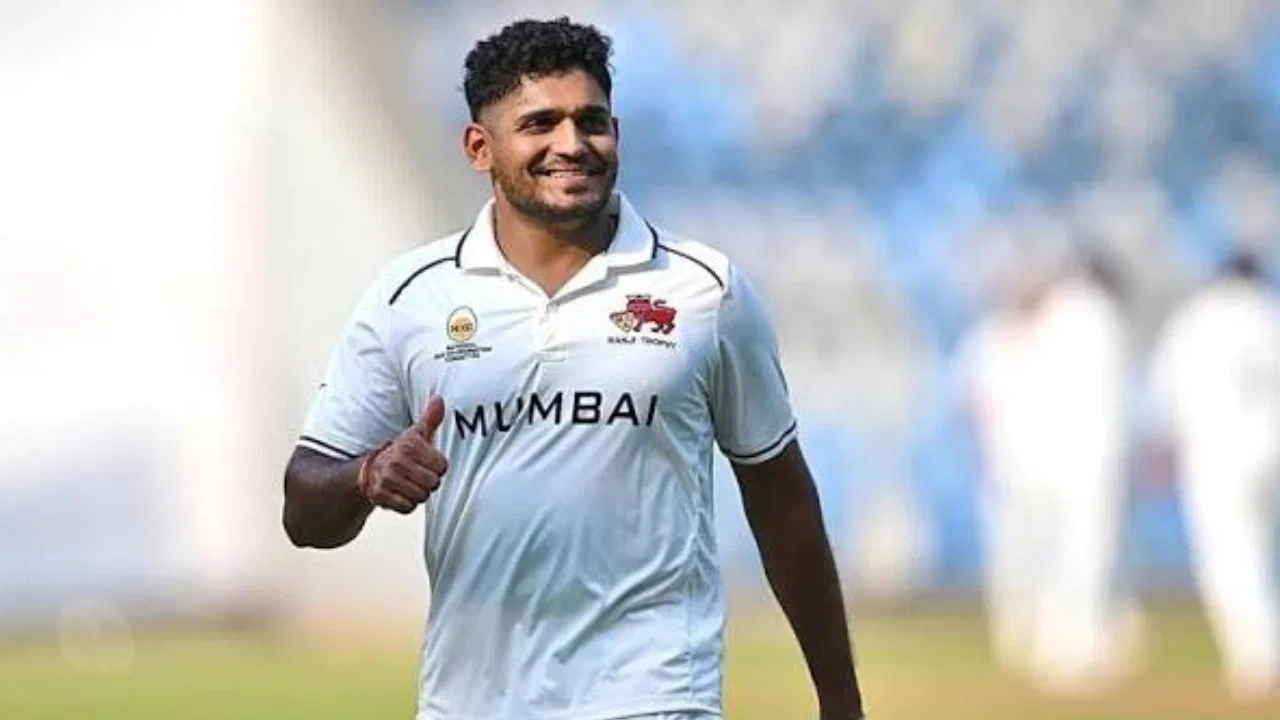
Nic Maddinson responds to criticism from Australia legends over Test recall
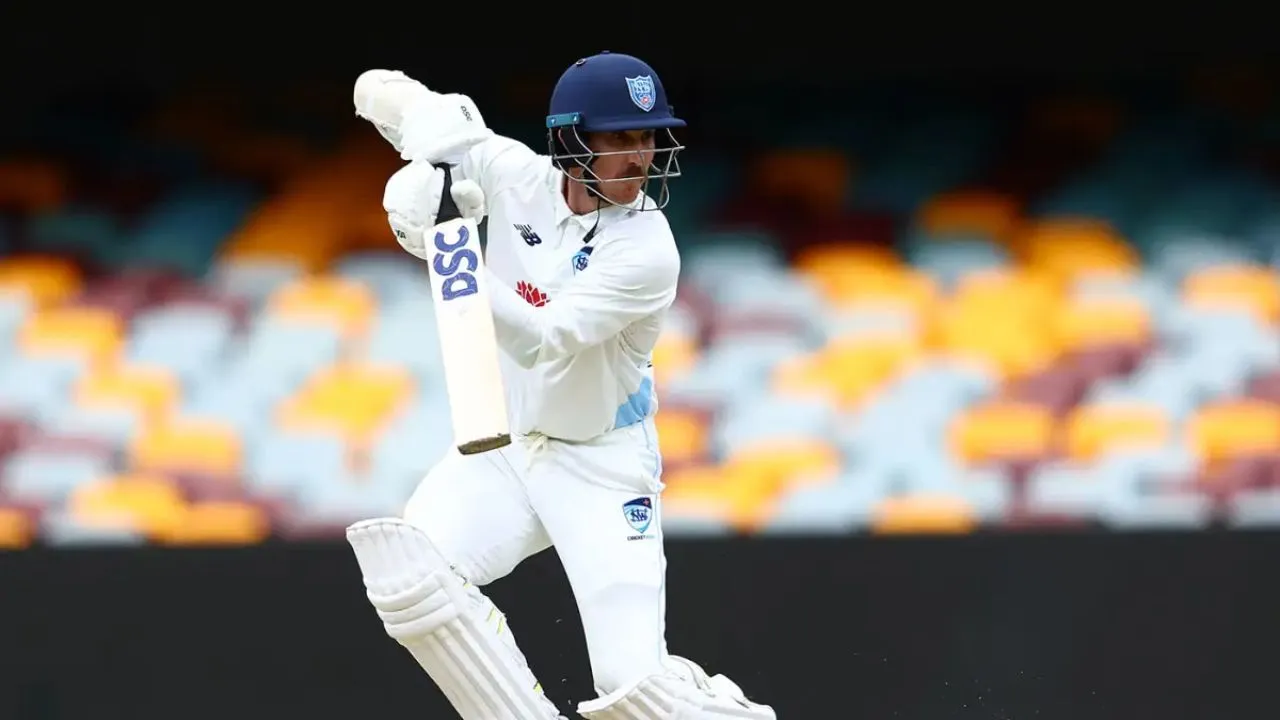
Nic Maddinson Answers Test Recall Critics After Eventful Return Against South Africa
Nic Maddinson’s long-awaited return to Test cricket began with a difficult first innings, but the Australian opener responded in the second with an assertive display that helped set the tone for his team’s push against South Africa in Durban. His contrasting performances captured the challenge of making a comeback at the highest level—and the scrutiny that can follow a selection outside the usual route.
Maddinson was dismissed for a 33-ball duck in Australia’s first innings, dragging a delivery from left-arm quick Marco Jansen onto his stumps. He then struck the first ball he faced in the second innings for four and went on to make 48 from 38 deliveries. The rapid recovery gave Australia momentum as the visitors looked to build a declaration total and leave themselves time to pursue victory.
A comeback shaped by an unusual path
The selection of Maddinson drew attention because he returned to the Test side almost a decade after his previous appearance in the format. He had also gone 19 months without playing a first-class match and missed the 2025–26 Sheffield Shield season while receiving treatment for testicular cancer.
That background made his recall an especially prominent talking point. A lack of recent red-ball cricket inevitably raised questions about readiness, match fitness and whether he could adjust quickly to Test conditions. His first innings appeared to give critics fresh material, but his second showed why selectors may have valued his experience, attacking instincts and ability to change the pace of a game.
The 33-ball duck was a frustrating start and an unwanted statistical footnote: it ranked among the longest scoreless innings by an Australian batter in Test cricket. Yet the number alone does not explain the difficulty of the situation. Opening against a tall, left-arm fast bowler on a surface offering movement requires patience as well as a clear scoring plan. Maddinson’s challenge was to remain disciplined without allowing the lack of runs to make him overly cautious.
“A huge relief” to get off the mark
Maddinson said scoring immediately in his second innings brought a significant sense of relief. Speaking to Kayo Sports on the fifth day at Kingsmead, he described trying to make contact with the first delivery and being fortunate to receive a ball he could attack.
“I just have to get bat on this, wherever it is,” he recalled thinking as he walked out to bat. Jansen had been attempting to use a short ball to unsettle him, but Maddinson was able to respond with a boundary. That first scoring stroke helped reset the mood after an innings in which every delivery had passed without a run.
He also acknowledged that negative comments were likely to follow a difficult return, while stressing that encouragement from teammates, state cricket colleagues, friends and family had helped him stay focused. Rather than dwell on outside reaction, he said he tried to draw on that support and trust the experience he had built over a long career.
“I have done it for a long time,” Maddinson said, explaining that the task was to bring his established game into the Test arena. His second-innings approach suggested a deliberate effort to avoid letting the first failure dictate the next one.
Why the first innings proved difficult
Maddinson was candid about his disappointment with the way his first innings unfolded. He felt he had missed opportunities to score from balls directed towards his pads and from deliveries he could have cut. As those chances went unused, he became stuck at the non-scoring end of his innings, increasing the pressure to find a way through.
Jansen’s height and left-arm angle added another layer of difficulty. The South African quick can create an awkward line for a left-handed opener, while movement off the pitch can make it risky to commit too early. Maddinson said the key was balancing his plans with the need to avoid a rash response simply because he had not yet scored.
That tension is familiar to Test batters: patience is essential, but excessive caution can allow bowlers to settle into a rhythm. Maddinson’s first innings showed how quickly that balance can become difficult, particularly after a long absence from first-class cricket. His second innings, by contrast, offered a reminder that an aggressive option can also be a calculated one when the conditions and match situation allow it.
Second-innings intent gives Australia a lift
After spending time in the field and allowing the first-innings disappointment to recede, Maddinson returned with a clearer opportunity to contribute. His 48 from 38 balls was not a century, but it was a valuable innings in context. The brisk scoring rate helped Australia advance towards a declaration and strengthened the team’s ability to apply pressure on South Africa.
For a batter returning after such a demanding period, the innings also offered a practical measure of progress. It showed that Maddinson could still impose himself against international bowling, while making clear that one difficult innings did not have to define his comeback. The contrast between the two knocks will likely remain part of the discussion around his selection, but it also illustrates the uncertainty built into Test cricket: a player can move from a prolonged struggle to confident strokeplay within the same match.
Maddinson said that after his first innings, he focused on settling himself in the field and letting the game slow down before preparing for another chance. That ability to reset is central to the mental side of batting. A poor start can prompt doubt, but the response matters just as much as the initial result—especially for a player returning under intense attention.
What Maddinson’s return means for Australia
The match is unlikely to end debate over the risks involved in selecting a player without recent first-class match practice. However, Maddinson’s second-innings response gives Australia more information than the first-innings duck alone. It suggests he can provide attacking intent at the top of the order, while also highlighting the adjustment required after a lengthy break from the red-ball game.
Any prediction about his longer-term place in the Test side will depend on more than one innings. His fitness, consistency and ability to handle sustained spells against high-quality fast bowling will all matter. So will the team’s balance and the availability of other opening options. What the Durban performance does establish is that Maddinson remained composed after a difficult start and found a way to contribute when Australia needed momentum.
His comeback was never likely to be judged solely on the first ball or the first innings. The broader story includes his return after cancer treatment, his extended absence from first-class cricket and the pressure of stepping back into Test competition. Against South Africa, Maddinson experienced both the harshness and possibility of the format: a record-tinged duck followed by a fast, purposeful 48 that helped Australia move the game forward.
Latest News
Sunil Gavaskar defends India’s flat pitches, blames bowlers instead

Cameron Green injury update: All-rounder doubtful for 2nd Test vs South Africa
Nic Maddinson responds to criticism from Australia legends over Test recall
Kevin Pietersen vs England 2.0! Betting deal raises concerns over ECB mentorship role

BCCI ready to increase salaries, yet 2 former India stars reject West Zone selector’s job

South Africa squad for 2nd Test vs Australia named, Tristan Stubbs dropped, Matthew Breetzke IN
Prithvi Shaw opens up on isolating himself and playing PlayStation games
Yashasvi Jaiswal OUT of Mumbai’s Ranji squad, Suryansh Shedge, Angkrish Raghuvanshi added
‘Rohit Sharma, Virat Kohli not getting any younger’: Mitchell Santner warns India
Jasprit Bumrah OUT of New Zealand ODIs as BCCI plans Test preparations
MCC rebuilds controversial pitch at Lord’s after ICC punishment
Mike Hesson to continue as Pakistan’s interim Test coach for Sri Lanka series

IPL 2027: Why franchise owners put player trades on hold before mini-auction

Chad Laycock becomes first bowler to take five wickets in an over in South African T20 cricket