Cameron Bancroft set to break silence on Sandpapergate after Usman Khawaja’s claims
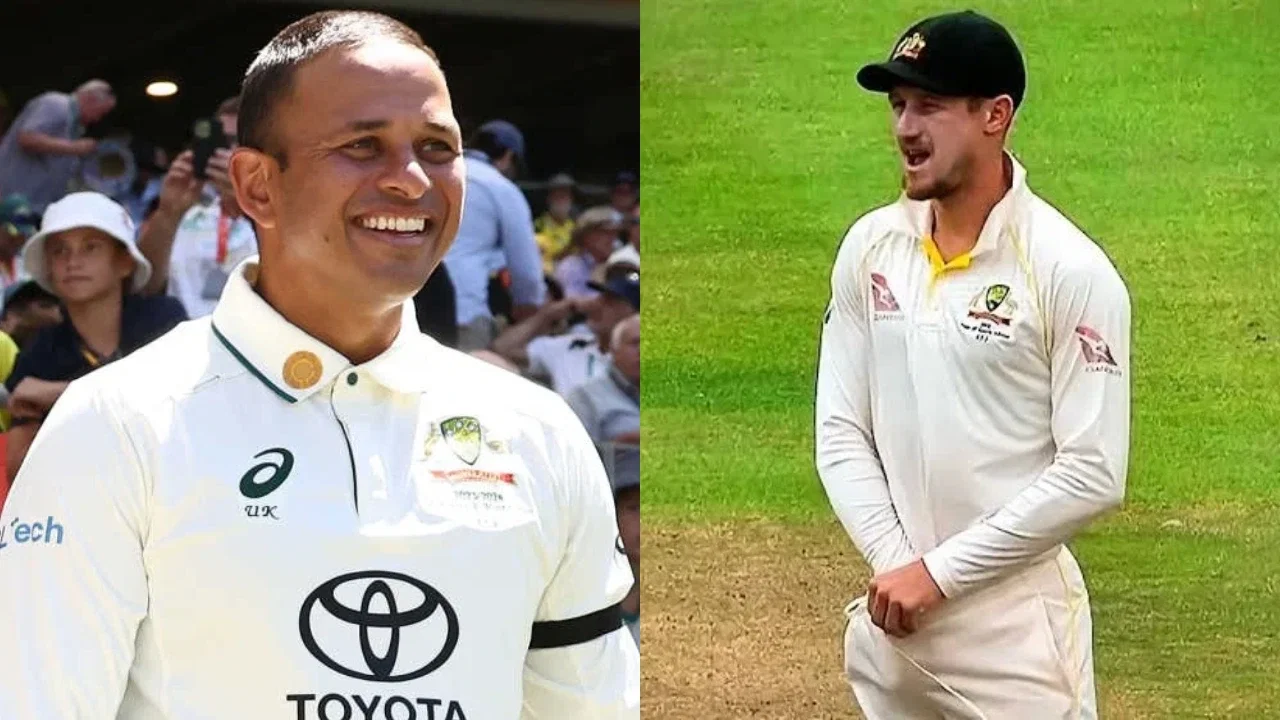
Cameron Bancroft Weighs a Fuller Response as Usman Khawaja’s Memoir Revives Sandpapergate Debate
Former Australia opener Cameron Bancroft is considering whether to make a more detailed public statement about the 2018 ball-tampering scandal, as fresh claims in Usman Khawaja’s autobiography have brought one of cricket’s most damaging controversies back into focus.
Bancroft was caught using sandpaper to alter the ball during the third Test against South Africa in Cape Town. The incident, widely known as Sandpapergate, led to major suspensions for Bancroft, then captain Steve Smith and vice-captain David Warner. In the years since, Bancroft has spoken only sparingly about what happened. That could change, with his manager confirming that he is weighing up whether to address the issue in the coming days.
The renewed attention follows the release of Khawaja’s memoir, Sabr, which revisits the scandal and questions how some of its central figures were treated. The book has prompted fresh discussion among former and current Australian players, including debate about what was known within the team and how responsibility was assigned.
Bancroft considers speaking publicly
Bancroft issued a brief response last Monday after Khawaja’s book was released, but stopped short of discussing the events in detail. His manager, Ben Tippett of Entourage Management, told The Age that Bancroft was still deciding how to proceed.
“He’s assessing whether he’ll put something out in the coming days,” Tippett said.
Any fuller statement would be significant because Bancroft has generally avoided revisiting the scandal in depth. His most notable comments came in a 2021 interview with The Guardian, when he was asked whether Australia’s bowlers knew about the plan to tamper with the ball. His hesitant response was widely interpreted as suggesting that the matter was not as straightforward as the official account had indicated.
“Uh … yeah, look, I think, yeah, I think it’s pretty probably self-explanatory,” Bancroft said at the time.
The comment drew a firm response from Pat Cummins, Mitchell Starc, Josh Hazlewood and Nathan Lyon, all members of Australia’s bowling attack in Cape Town. The four players released a joint statement denying that they knew about the plan to use sandpaper on the ball.
That disagreement has remained part of the wider Sandpapergate discussion. A new statement from Bancroft could clarify his current position, though it remains uncertain whether he will provide fresh details or simply respond to the renewed attention surrounding Khawaja’s book.
Khawaja says he wanted to defend Warner, Smith and Bancroft
Khawaja has said that one reason he returned to the subject in Sabr was his belief that Warner, Smith and Bancroft were treated unfairly after the Cape Town Test. The punishments imposed on the trio shaped their careers and public reputations, while the controversy also left lasting questions about team culture and accountability.
Khawaja said he had promised Warner that he would eventually speak about the episode, although he did not share the contents of the book with his former teammate until shortly before publication.
“I had promised him for ages because he’s had to carry this for eight years. I didn’t tell David Warner what was in my book until two months ago,” Khawaja said.
He also described the challenge of writing about an incident that involved people who were not all in the same position, both at the time and today. Khawaja said he wanted to support the three players he believed had been unfairly treated without unnecessarily exposing others who remain involved in Australian cricket.
“I’ve stood up for the three guys [Warner, Steve Smith and Cameron Bancroft] who I feel like were treated unfairly, but there’s other guys still playing in the team right now that it might be some sort of cost [for them]. I tried my best to balance that out,” he said.
His comments highlight the difficulty of revisiting a team controversy years later. A memoir can preserve personal recollections, but publishing them may also affect people who are still active in the sport. Khawaja’s account has therefore renewed debate not only about what happened in Cape Town, but also about how much responsibility should be shared across a team.
Why Khawaja kept notes after the Cape Town Test
Khawaja said he began recording his thoughts soon after the scandal broke in 2018. The notes were not initially intended for a future book. Instead, he said, writing helped him process an intense period and retain details that might otherwise have become less clear over time.
“Sandpaper didn’t just happen overnight, I wrote a whole bunch of stuff down days after it happened,” he said.
Khawaja described the writing as a way to clear his mind, while also preserving his memories of events that had unfolded quickly. He said he returned to the notes years later, after having initially set them aside.
“So much happened that I didn’t want to forget,” he said, adding that writing things down also helped him move on. “I didn’t write it down because I wanted to write a book … I didn’t look at it again for years.”
The account offers insight into how the scandal affected people beyond those who received formal suspensions. While the immediate consequences were public and severe, the episode also created a lasting emotional and professional burden for players and staff connected to the team.
A controversy still shaping Australian cricket
Sandpapergate remains a defining moment in modern Australian cricket. The ball-tampering incident damaged the team’s reputation, triggered leadership changes and led to widespread scrutiny of Australia’s approach to winning and sporting conduct. The punishments were handed down by Cricket Australia, but public discussion about the fairness and completeness of the response has continued.
Khawaja’s memoir has brought those questions back into the spotlight, and Bancroft’s possible statement could add another perspective. Whether he chooses to speak in detail or not, the renewed debate shows how unresolved memories can endure long after a team has moved on to a new generation of players.
For supporters following the story, the key prediction is not necessarily that a new statement will settle every disputed point. Instead, Bancroft’s response may reveal how he views the episode today—and whether he believes the public has heard the full story. Until he decides what to say, the central questions around knowledge, responsibility and fairness remain part of the ongoing Sandpapergate conversation.
Latest News

“Mismanagement and mishandling”: Aakash Chopra raises concerns over Kuldeep Yadav’s treatment

IPL 2027: CSK part ways with two Indian pacers ahead of mini-auction

David Fulton returns to Kent as director of cricket after club secures promotion to Division One

IPL 2027: Rajasthan Royals retain Brijesh Sharma and Yudhvir Singh

IPL 2027: CSK retain Noor Ahmad and Dewald Brevis, release INR 14.20 crore star

Ravi Shastri agrees with Gautam Gambhir, warns India about batting struggles ahead of World Cup
“Cocky little bloody…”: Dale Steyn recalls his first impression of Virat Kohli

“He wants to lead”: Irfan Pathan drops big hint on Yashasvi Jaiswal’s potential move to KKR
Kevin Pietersen leaves England camp ahead of Australia series decider, here’s why or reason revealed
PAK vs SL Playing 11 Today, Live Streaming, Pitch & Weather: Sri Lanka tour of Pakistan 2026, 2nd Test

“Can challenge even a 25-year-old cricketer”: Kapil Dev questions Virat Kohli’s early Test retirement
Rajat Patidar creates history, becomes first Madhya Pradesh batter to score SMAT century
Cameron Bancroft set to break silence on Sandpapergate after Usman Khawaja’s claims
Dodda Ganesh picks India playing XI for 1st Test vs New Zealand, Mohammed Siraj IN