Dodda Ganesh picks India playing XI for 1st Test vs New Zealand, Mohammed Siraj IN
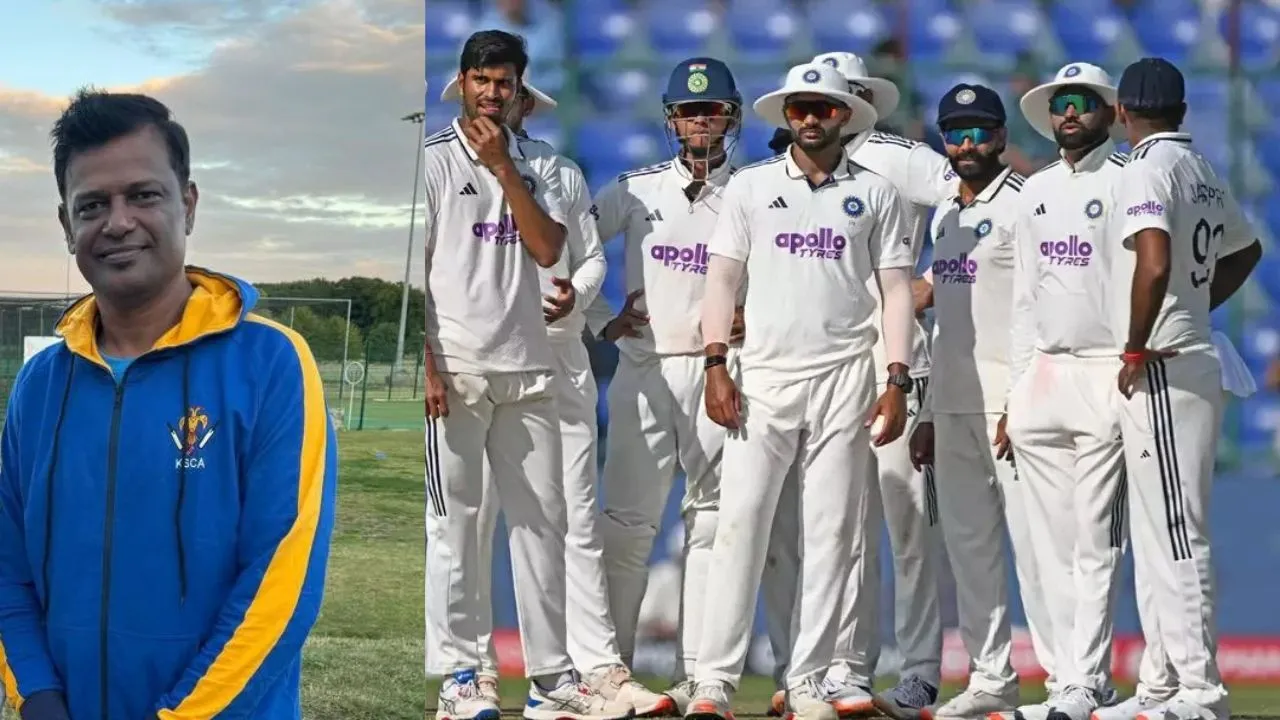
Dodda Ganesh Backs Four-Pacer Strategy for India’s First Test Against New Zealand
India’s demanding tour of New Zealand is entering its most consequential phase, with a two-match Test series set to test the visitors after a busy white-ball schedule. Former India fast bowler Dodda Ganesh has offered a bold prediction for the opening Test, naming a playing XI built around an all-out seam attack and only one specialist spin-bowling option: Ravindra Jadeja.
Ganesh’s proposed lineup includes four frontline pacers, with Akash Deep, Jasprit Bumrah, Prasidh Krishna and Mohammed Siraj sharing the fast-bowling duties. His selection leaves India with seven specialist batters and no conventional No. 8 expected to provide substantial runs. The former cricketer argues that the team should prioritise taking wickets over extending the batting order.
Ganesh’s Predicted India XI for the First Test
In a post on X, formerly known as Twitter, Ganesh named the following side for the first Test against New Zealand:
Yashasvi Jaiswal, KL Rahul, Devdutt Padikkal, Shubman Gill, Rishabh Pant, Dhruv Jurel, Ravindra Jadeja, Akash Deep, Jasprit Bumrah, Prasidh Krishna and Mohammed Siraj.
Explaining his thinking, Ganesh called for an “all-out seam attack” and questioned the value of selecting an extra batter merely to strengthen the lower order. His point is straightforward: if India are relying on a No. 8 to rescue the innings regularly, the top order has already failed to do its job. In conditions that may favour fast bowling, he believes a fourth seamer could make a greater difference than another batting option.
A high-stakes selection call
The proposal is not without risk. A four-pacer combination could give India more variety and allow the captain to rotate his quicks, but it would also place greater responsibility on the top seven to build competitive totals. Jadeja would be the only specialist spinner, although he can contribute valuable runs and offer control if the pitch begins to slow down.
There are also questions about the balance of the batting order. The suggested XI includes both Pant and Jurel, giving India two wicketkeeping options, while Padikkal’s inclusion would provide another left-handed batter. The final selection will depend on fitness, form, the condition of the surface and the team management’s assessment of how much assistance the Wellington pitch is likely to offer seamers.
Why four fast bowlers could suit New Zealand conditions
New Zealand’s Test grounds are known for conditions that can reward disciplined pace bowling. Cloud cover, movement through the air and assistance off the surface can make the opening sessions particularly challenging for batters. At the Basin Reserve, where the first Test is scheduled, the breeze and changing weather can also influence how the ball behaves.
India’s recent ODI series provides some clues, though conditions in a 50-over match do not guarantee the same behaviour in a Test. The pitches offered assistance to bowlers, especially the seamers, and scoring was difficult at times. Only two innings in the five-match series passed 200, while Will Young finished as the leading run-scorer with 162 runs. He was also the only batter to score a century across the series.
That pattern may encourage India to prepare for a demanding batting contest. A fourth seamer could help maintain pressure across long spells, provide cover if one bowler has an off day, and give the captain more options with the new ball and during the middle sessions. It could also help India attack rather than depend on Jadeja to carry the main spin workload on a surface expected to favour pace.
However, the ODI results should be treated as an indication, not a firm prediction of Test conditions. A red-ball pitch can change considerably over five days. If the surface is dry or begins to wear, spin may become more important, making the balance between a fourth pacer and a specialist spinner a central selection decision.
India’s WTC campaign adds pressure
The series carries significant implications for the ICC World Test Championship 2025–27. India need a strong run of results in their remaining matches to keep their qualification hopes on track. The original scenario outlined for the campaign is demanding: India need to win six of their remaining seven Tests. That makes the two matches in New Zealand more than a standalone overseas challenge.
A poor result could leave the team with little room for error in the rest of the cycle, including a difficult home assignment against Australia. Winning away from home would not only add crucial championship points but also strengthen India’s confidence before that major contest.
India seek a response after the previous New Zealand series
The tour has already produced notable results in white-ball cricket. India won the T20I series 3–2 and the ODI series 3–1, becoming the first Indian side to win both white-ball series in New Zealand. Those victories offer momentum, but Test cricket presents a different challenge, particularly against a home team accustomed to local conditions.
The coming series also carries an emotional edge. New Zealand’s previous Test visit to India ended in a 3–0 sweep of the hosts, a result that dealt a severe blow to India’s WTC final hopes. Shubman Gill and his team will now have the opportunity to respond on New Zealand soil, where patience, adaptability and accurate bowling will be essential.
Fixtures and the selection question
The first Test is scheduled to begin on November 19 at the Basin Reserve in Wellington, with the second match set for November 27 at Hagley Oval in Christchurch. Both venues can offer pace and movement, but the final XI will depend on the conditions closer to the start of play.
Ganesh’s prediction has put the spotlight on a familiar debate: should India choose an extra batter for insurance, or commit to a stronger bowling attack and trust the top order to deliver? His four-pacer plan is an aggressive option, built on the belief that wickets will be more valuable than runs from the lower order. Whether India follow that approach will be one of the biggest talking points before the opening Test.
Latest News

“Mismanagement and mishandling”: Aakash Chopra raises concerns over Kuldeep Yadav’s treatment
IPL 2027: CSK part ways with two Indian pacers ahead of mini-auction

David Fulton returns to Kent as director of cricket after club secures promotion to Division One

IPL 2027: Rajasthan Royals retain Brijesh Sharma and Yudhvir Singh

IPL 2027: CSK retain Noor Ahmad and Dewald Brevis, release INR 14.20 crore star

Ravi Shastri agrees with Gautam Gambhir, warns India about batting struggles ahead of World Cup
“Cocky little bloody…”: Dale Steyn recalls his first impression of Virat Kohli
“He wants to lead”: Irfan Pathan drops big hint on Yashasvi Jaiswal’s potential move to KKR

Kevin Pietersen leaves England camp ahead of Australia series decider, here’s why or reason revealed
PAK vs SL Playing 11 Today, Live Streaming, Pitch & Weather: Sri Lanka tour of Pakistan 2026, 2nd Test

“Can challenge even a 25-year-old cricketer”: Kapil Dev questions Virat Kohli’s early Test retirement
Rajat Patidar creates history, becomes first Madhya Pradesh batter to score SMAT century
Cameron Bancroft set to break silence on Sandpapergate after Usman Khawaja’s claims
Dodda Ganesh picks India playing XI for 1st Test vs New Zealand, Mohammed Siraj IN