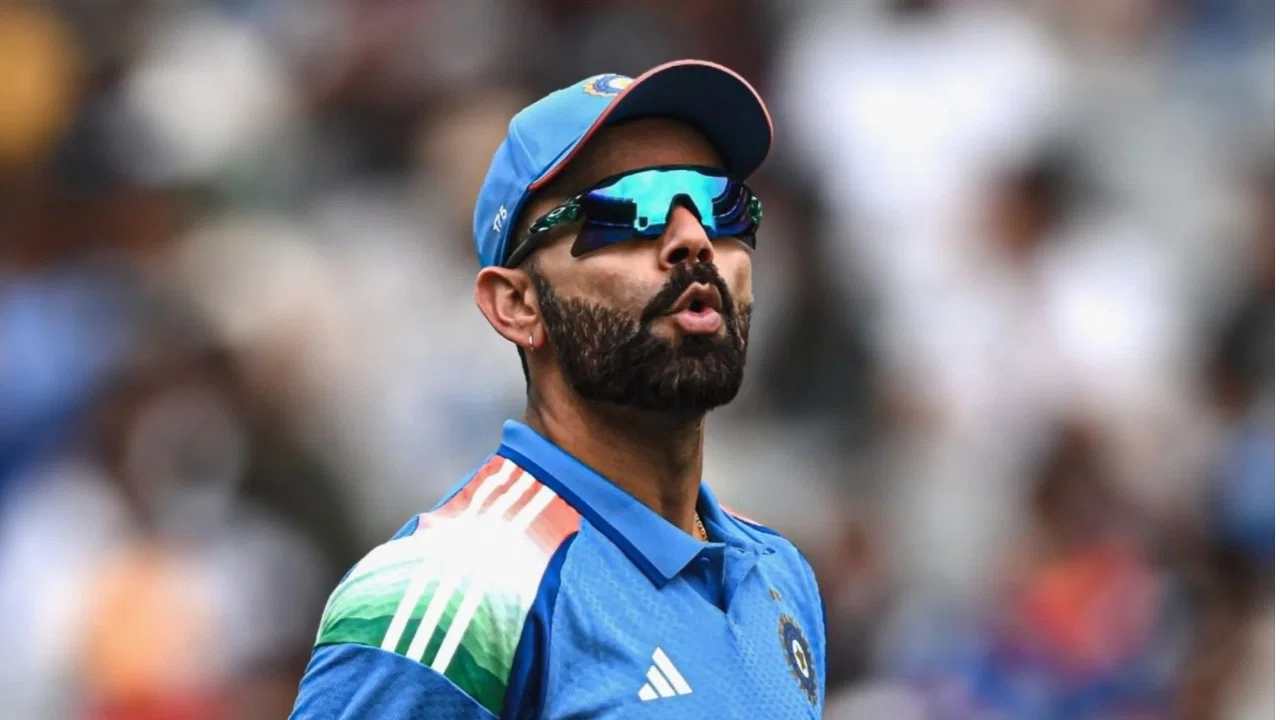
‘Clicky Ponting’ scandal: Brian Devine banned as Saltburn punished
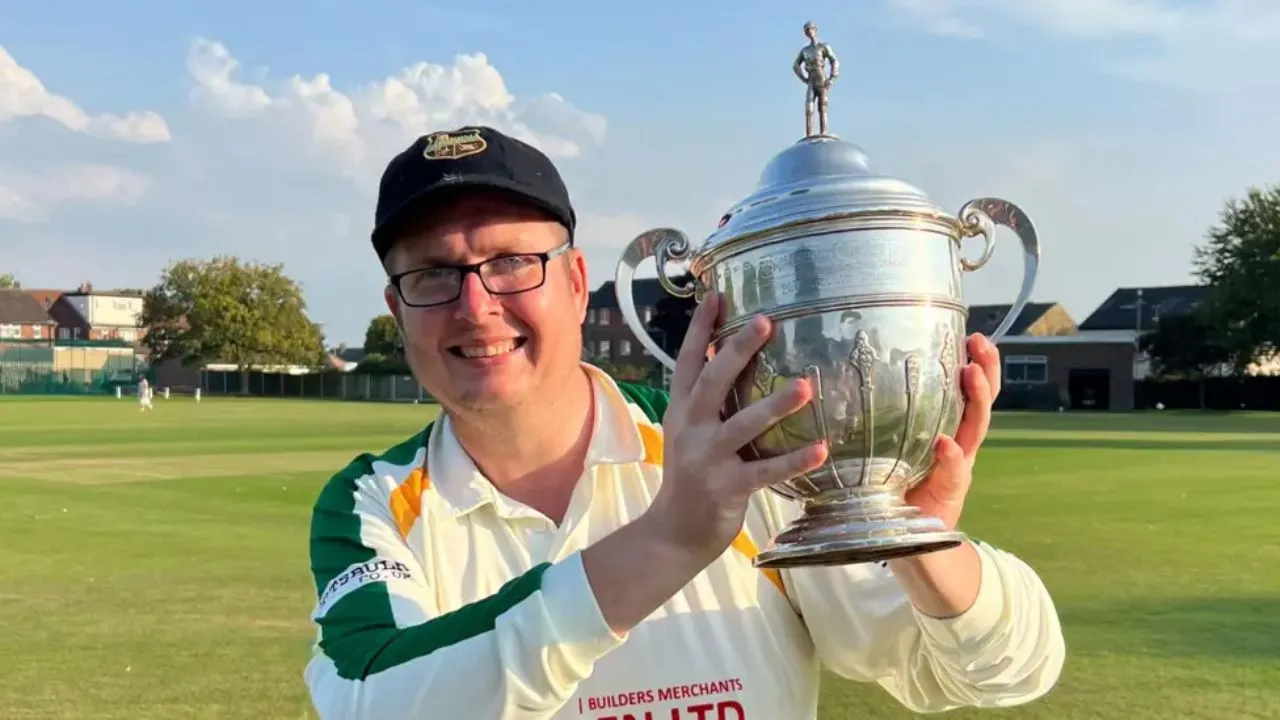
Brian Devine Banned for Two Years in English Cricket’s ‘Clicky Ponting’ Scandal
An unusual cheating controversy in English club cricket has resulted in a two-year ban for player Brian Devine and disciplinary action against his club, Saltburn Cricket Club. The case, dubbed the “Clicky Ponting” scandal, centres on allegations that Devine clicked his fingers while fielding to imitate the sound of a ball brushing a batter’s edge—potentially influencing umpires to give batters out caught behind.
The incident has attracted attention well beyond the local league. It has prompted debate about fair play, the difficulty of officiating in amateur cricket and the consequences clubs may face when a player’s conduct undermines confidence in a match. Saltburn has suspended Devine and says he will not represent the club again. The England and Wales Cricket Board (ECB) has also imposed a ban, while the club’s second XI has been relegated.
How the alleged finger-clicking worked
According to reports, Devine was playing for Saltburn’s second XI in the North Yorkshire and South Durham League. While stationed in the slips, he allegedly made a sharp clicking sound with his fingers as the ball passed the bat. The sound could be mistaken for the faint noise of an edge, especially in a match where players and officials may be relying on what they hear as well as what they see.
In cricket, a batter can be dismissed caught behind if the ball touches the bat or glove before being taken by a fielder. In a fast-moving game, an umpire may have only a moment to judge whether contact occurred. A convincing sound, combined with an appeal from fielders, could therefore create pressure to make a decision. The allegations against Devine describe a deliberate attempt to exploit that uncertainty—not a disputed call based on ordinary fielding or an honest mistake.
The nickname “Clicky Ponting” references former Australia captain Ricky Ponting, whose name has become associated in popular cricket conversation with close catches and appeals. In this case, the phrase has been used to describe the alleged finger-clicking tactic. It is a label, however, rather than an official finding about the details of every match in which Devine played.
Two-year suspension and scope of the ban
Devine has reportedly been banned from cricket under ECB jurisdiction from September 30, 2026, to September 29, 2028. The reported suspension covers more than playing: it also prevents him from coaching, umpiring, scoring and managing junior teams during the ban. That broad scope reflects the seriousness of the disciplinary response and limits his involvement in organised cricket at multiple levels.
The controversy first came to wider attention in July 2026, when Devine was reportedly observed making the sound while fielding in the slips. The later disciplinary action followed the investigation and proceedings connected to the case. The episode has also drawn attention to how allegations of misconduct can develop in club cricket, where matches may have fewer officials and less access to tools such as video review than professional fixtures.
Saltburn relegated despite taking action
Saltburn Cricket Club has said it suspended Devine and will not select him for the club again. It also participated in the disciplinary process. Those steps did not prevent the club from receiving a separate team-level penalty: Saltburn’s second XI has been relegated to Division Three and is set to begin the 2027 season with a 60-point deduction.
The sanction affects the competition beyond Saltburn. Middlesbrough CC’s second XI, which was facing the prospect of relegation, has reportedly been spared after the league’s decision altered the standings. The outcome illustrates how disciplinary cases can have consequences for other teams, players and the structure of a league—not just the person accused of misconduct.
In a statement, Saltburn said: “The club fully participated in the disciplinary proceedings and accept the decision of the appeal following the original decision from the League. We are now focusing on preparations for the 2027 season.” The club’s response acknowledges the ruling while signalling that it intends to move forward. The relegation and points deduction, however, mean the second XI will begin its next campaign with a substantial competitive challenge.
Rival players and Piers Morgan react
The allegations drew strong criticism from opponents, some of whom claimed the clicking had affected matches involving their teams. One rival player, quoted by The Sun, alleged that the behaviour had taken place against multiple clubs and said the wickets stopped for a period after the clicking was discovered. Such comments reflect the frustration expressed by players who believe that an artificial sound may have contributed to dismissals—but they should be understood as reported allegations rather than independent findings about every match.
Another opponent described a game in which three batters were given out caught behind, although, according to the player, each insisted they had not touched the ball. The account underscores why the controversy has resonated: a disputed decision can change a match, while repeated doubts about how dismissals were produced can damage trust among teams.
Broadcaster Piers Morgan also commented publicly after the story emerged, calling the case “unbelievable” and describing Devine as “the biggest cheat in cricket history.” His remarks amplified the story online, though the language was his personal reaction rather than part of the formal disciplinary decision.
Why the case matters for club cricket
The “Clicky Ponting” case raises a practical question for grassroots cricket: how can leagues protect the integrity of matches when a decision depends on a fleeting sound or a close call? Professional cricket has replay systems and specialist officials, but local competitions often rely on a small number of umpires, players’ conduct and the willingness of clubs to report concerns.
Clear reporting procedures, consistent disciplinary rules and prompt investigations can help leagues respond when allegations arise. Clubs also have a role in setting expectations for sportsmanship and ensuring that players understand the consequences of conduct that could influence an umpire’s judgment. The case’s team penalty sends a message that clubs may face repercussions alongside individual players, although it also raises questions about how sanctions should balance accountability with the impact on teammates who were not involved.
For supporters searching for the latest prediction about Saltburn’s prospects, the 2027 season is likely to be difficult: relegation and a 60-point deduction create a steep starting deficit. But the club’s performance will depend on how it responds on the field, rebuilds confidence and prepares its second XI for Division Three.
Ultimately, the story is about more than an unusual sound in a slip cordon. It is a reminder that cricket depends on trust between players, officials and clubs. The two-year ban and Saltburn’s penalties mark a significant response to the allegations, while the wider debate over fair play and reliable umpiring is likely to continue across the club game.
Latest News
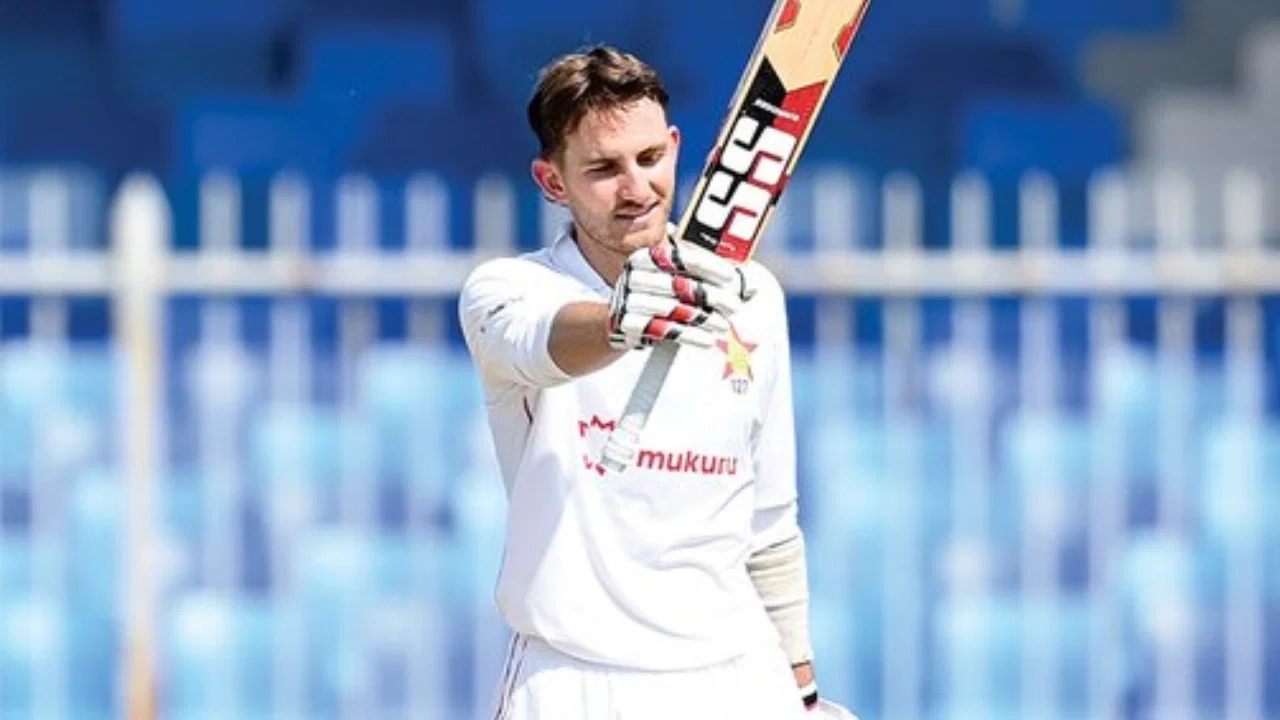
Brian Bennett surpasses Mansur Ali Khan Pataudi with century on Test captaincy debut

Delhi High Court refuses to halt Sourav Ganguly-inspired film, orders disclaimer
Lalchand Rajput steps down as UAE head coach, replacement announced
“We still back ourselves”: Blair Tickner sends warning to Virat Kohli ahead of 2nd ODI
Subhadeep Ghosh reveals secret behind Virat Kohli’s stunning catch and Rohit Sharma’s run-out
Delhi announce SMAT 2026 squad featuring Ishant Sharma, Priyansh Arya
Lucknow Super Giants retained players list 2027: Predicted retentions ahead of IPL auction
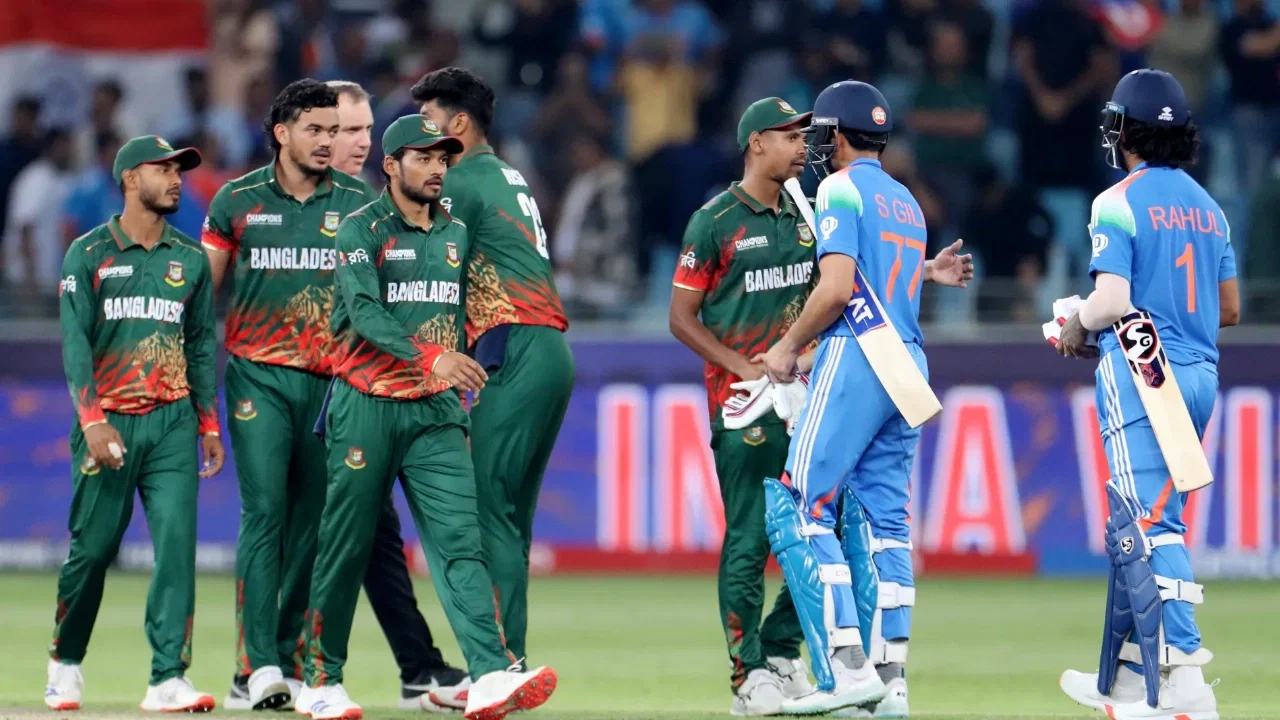
India to finally tour Bangladesh in January 2027 with Rohit Sharma, Virat Kohli
‘Clicky Ponting’ scandal: Brian Devine banned as Saltburn punished
Why Shukri Conrad stopped Wiaan Mulder from breaking Brian Lara’s historic Test record
Watch: Sarfaraz Khan pulls off brilliant diving catch in Mumbai vs Railways Ranji Trophy clash
LSG-RR involved in a multi-player deal like CSK-SRH: Report
ICC announces full schedule for 2027 World Cup Qualifier Playoff in Nepal
David Miller was set for Test debut in Pakistan before injury