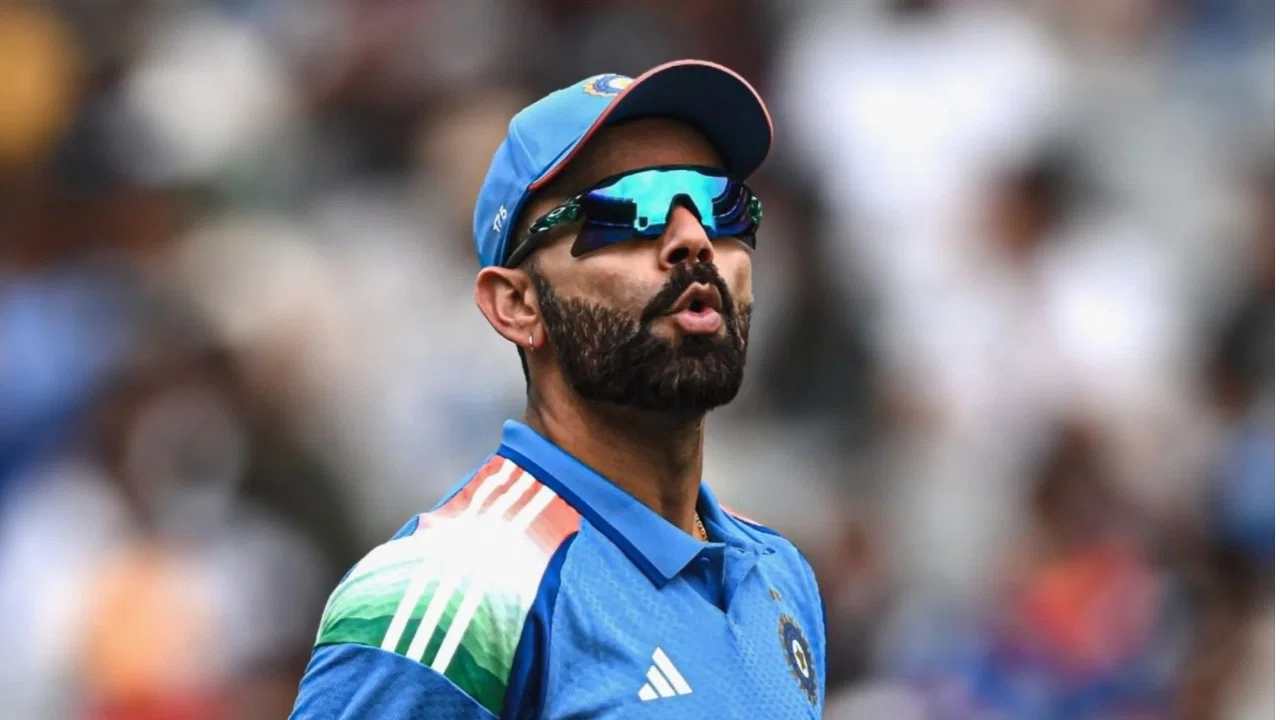
Subhadeep Ghosh reveals secret behind Virat Kohli’s stunning catch and Rohit Sharma’s run-out

Anticipation Behind Virat Kohli’s Stunning Catch and Rohit Sharma’s Acrobatic Run-Out
Two eye-catching fielding moments helped make India’s rain-affected ODI against New Zealand memorable. Virat Kohli’s low, one-handed catch and Rohit Sharma’s airborne run-out showcased athleticism, but India fielding coach Subhadeep Ghosh said the decisive ingredient behind both plays was something less visible: anticipation.
Speaking ahead of the next match in the series, Ghosh explained how experience and early reading of the game helped the former India captains reach the ball in time. His comments offered a useful insight for cricket fans: spectacular fielding is not only about reflexes. It often begins with a player recognising what is likely to happen before the ball is struck.
How Virat Kohli Read the Drive
Kohli’s catch came when New Zealand batter Nathan Smith struck a powerful drive off Anshul Kamboj. Positioned in the cover region, Kohli had little time to react as the ball travelled quickly towards him. He stretched across and held it with one hand, just inches above the ground, turning a difficult chance into a clean dismissal.
Ghosh pointed to Kohli’s extensive experience at cover and point as a key factor. Having fielded in those areas throughout his career, Kohli has seen countless drives and understands how factors such as the batter’s contact, the ball’s angle and its pace can influence its path.
“In fielding, one thing that is very, very important is anticipation,” Ghosh said. He explained that Kohli’s familiarity with the position allows him to read the ball’s likely trajectory earlier than many players. That early assessment gives him a fraction more time to move—and, at the highest level, a fraction can be the difference between a boundary and a wicket.
The catch also underlined the value of staying balanced and alert while stationed in the inner ring. A fielder may have only a moment to adjust once a shot is played. By reading the batter’s movement and preparing for the likely direction of the ball, Kohli was able to cover ground quickly and complete the catch under pressure.
Rohit Sharma’s Run-Out Began Before the Ball Arrived
Rohit’s dismissal of Daryl Mitchell was another highlight from the match at Eden Park. Mitchell was well set when the ball travelled towards the mid-wicket area. Rohit moved into position, gathered it and sent it towards the wicketkeeper while his body was still airborne. The quick, accurate throw helped create a run-out opportunity and brought an important breakthrough for India.
According to Ghosh, the play was made possible because Rohit began moving before the ball reached him. Rather than charging directly towards the expected line, he shifted slightly towards square leg, anticipating where the ball was likely to go. That adjustment helped him arrive at the right spot and complete the play without wasting time.
“He was anticipating the ball early,” Ghosh said, describing how Rohit’s movement towards square leg helped set up the run-out. The coach’s explanation highlights a subtle but important part of fielding: efficient positioning can matter just as much as speed. A fielder who starts in the right direction has a better chance of collecting cleanly and making a quick throw.
Rohit’s effort also required awareness of the match situation. A run-out attempt demands more than a strong arm; the fielder must judge the runner’s progress, identify the best target and release the ball quickly. His airborne throw combined those decisions in a single, instinctive sequence.
Why Anticipation Matters in ODI Fielding
In one-day cricket, teams often look for small opportunities to change the course of an innings. A sharp catch can remove an aggressive batter, while a direct or well-directed throw can break a partnership. Fielding contributions may not always attract the same attention as a century or a five-wicket haul, but they can have a direct impact on the match’s momentum.
Anticipation is especially valuable in the inner field, where batters can strike the ball hard and leave fielders with very little reaction time. Players must assess the batter’s stance, the bowler’s line and length, the field setting and the likely scoring option. The best fielders use that information to make small adjustments before the ball is hit.
Kohli’s catch and Rohit’s run-out were different kinds of dismissals, but both reflected the same process: read the situation early, move decisively and execute the skill. Ghosh’s analysis also shows why experienced players can appear to have more time than others. Often, they have not reacted faster after the ball is struck; they have anticipated its direction sooner.
How India’s Practice Drills Build Match Awareness
Ghosh said India’s fielding sessions aim to reproduce match conditions as closely as possible. Rather than relying only on repetitive catching or throwing exercises, coaches can create drills that resemble the angles, pace and decision-making challenges players encounter during an ODI.
Realistic practice helps fielders develop more than technique. It trains them to read the batter’s shot, adjust their position, communicate with teammates and decide whether to attempt a catch, stop a boundary or target the stumps. Repeating those situations can make the response more instinctive when the pressure of a match is higher.
“In practice sessions, I try to replicate as closely as possible how the ball will come in a match, so that they can anticipate and execute,” Ghosh said. The approach reflects a broader principle in modern cricket: preparation should include the decisions players need to make, not just the physical movements required to perform a skill.
What the Fielding Highlights Mean for the Series
With the India–New Zealand ODI series continuing, Kohli and Rohit’s efforts offer a reminder that fielding can shape a contest even when rain interrupts play. Their moments of brilliance also provide a useful prediction for what could matter in the next match: teams that position themselves intelligently and convert chances may gain a crucial advantage in a closely fought series.
For supporters, the catch and run-out were thrilling highlights. For coaches and players, they were examples of preparation in action. Kohli’s experience in the covers helped him judge the drive, while Rohit’s early movement created the opportunity to dismiss Mitchell. Both plays showed that elite fielding is a blend of awareness, anticipation and precise execution.
As the teams prepare for the next ODI, the spotlight will naturally fall on batting and bowling match-ups. Yet Ghosh’s comments make a strong case for watching the fielders just as closely. A split-second read, a well-chosen starting position or a quick release can change an innings—and sometimes the result.
Latest News

Brian Bennett surpasses Mansur Ali Khan Pataudi with century on Test captaincy debut

Delhi High Court refuses to halt Sourav Ganguly-inspired film, orders disclaimer

Lalchand Rajput steps down as UAE head coach, replacement announced

“We still back ourselves”: Blair Tickner sends warning to Virat Kohli ahead of 2nd ODI
Subhadeep Ghosh reveals secret behind Virat Kohli’s stunning catch and Rohit Sharma’s run-out
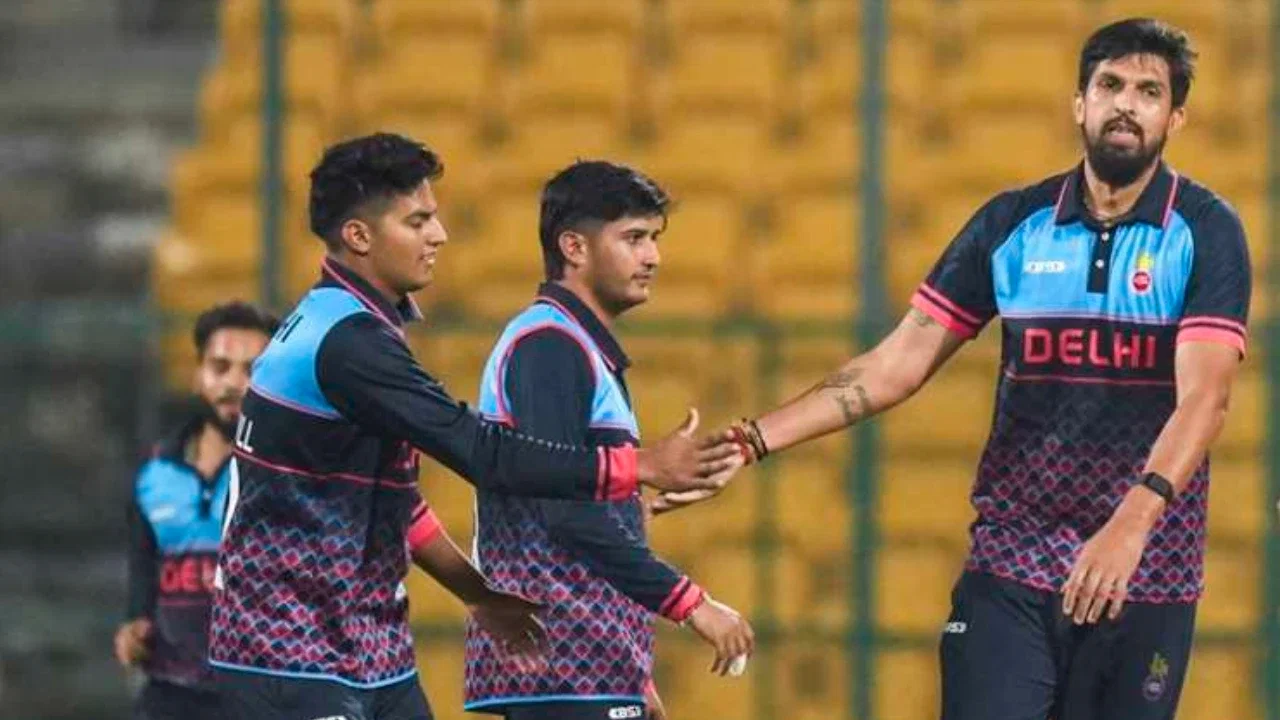
Delhi announce SMAT 2026 squad featuring Ishant Sharma, Priyansh Arya
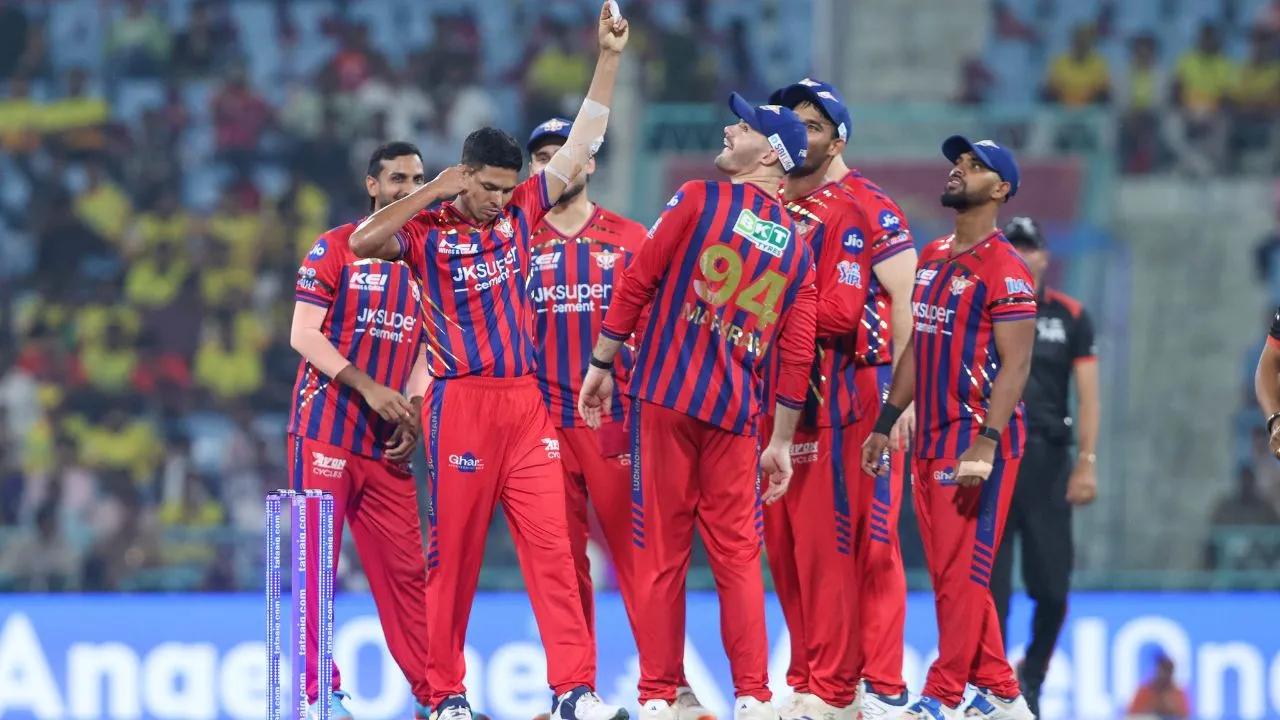
Lucknow Super Giants retained players list 2027: Predicted retentions ahead of IPL auction
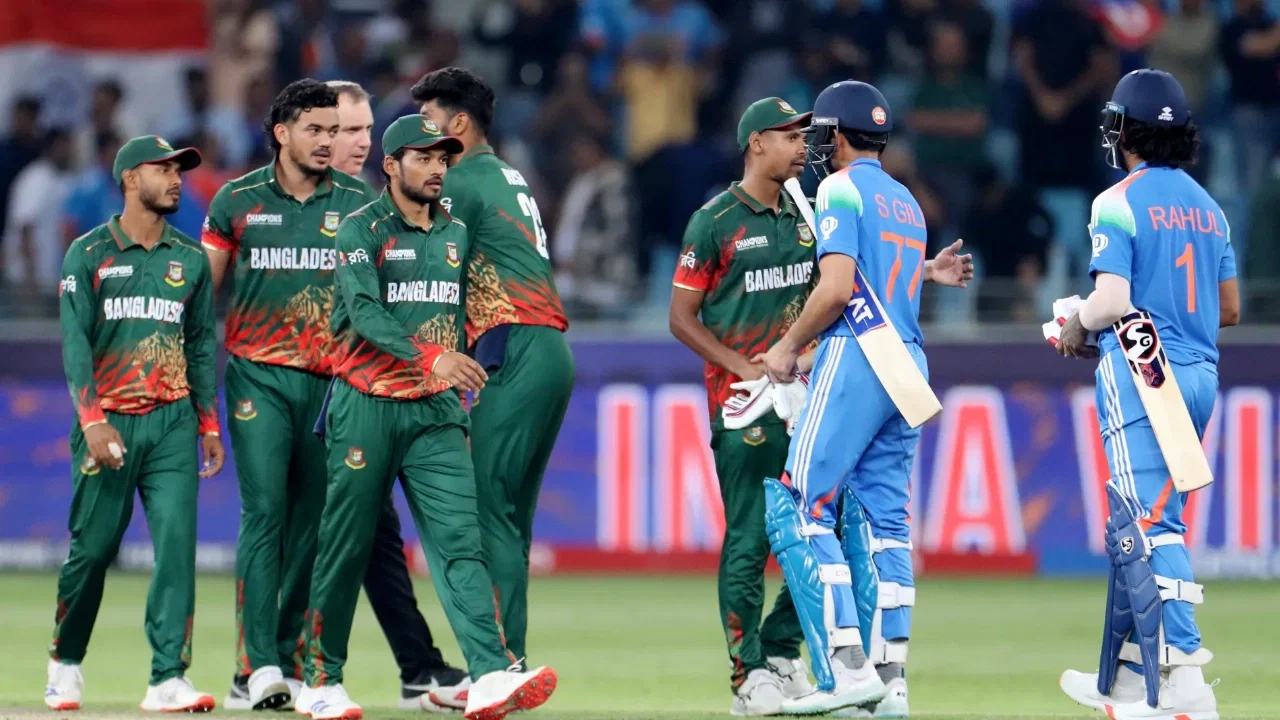
India to finally tour Bangladesh in January 2027 with Rohit Sharma, Virat Kohli

‘Clicky Ponting’ scandal: Brian Devine banned as Saltburn punished

Why Shukri Conrad stopped Wiaan Mulder from breaking Brian Lara’s historic Test record
Watch: Sarfaraz Khan pulls off brilliant diving catch in Mumbai vs Railways Ranji Trophy clash
LSG-RR involved in a multi-player deal like CSK-SRH: Report

ICC announces full schedule for 2027 World Cup Qualifier Playoff in Nepal

David Miller was set for Test debut in Pakistan before injury