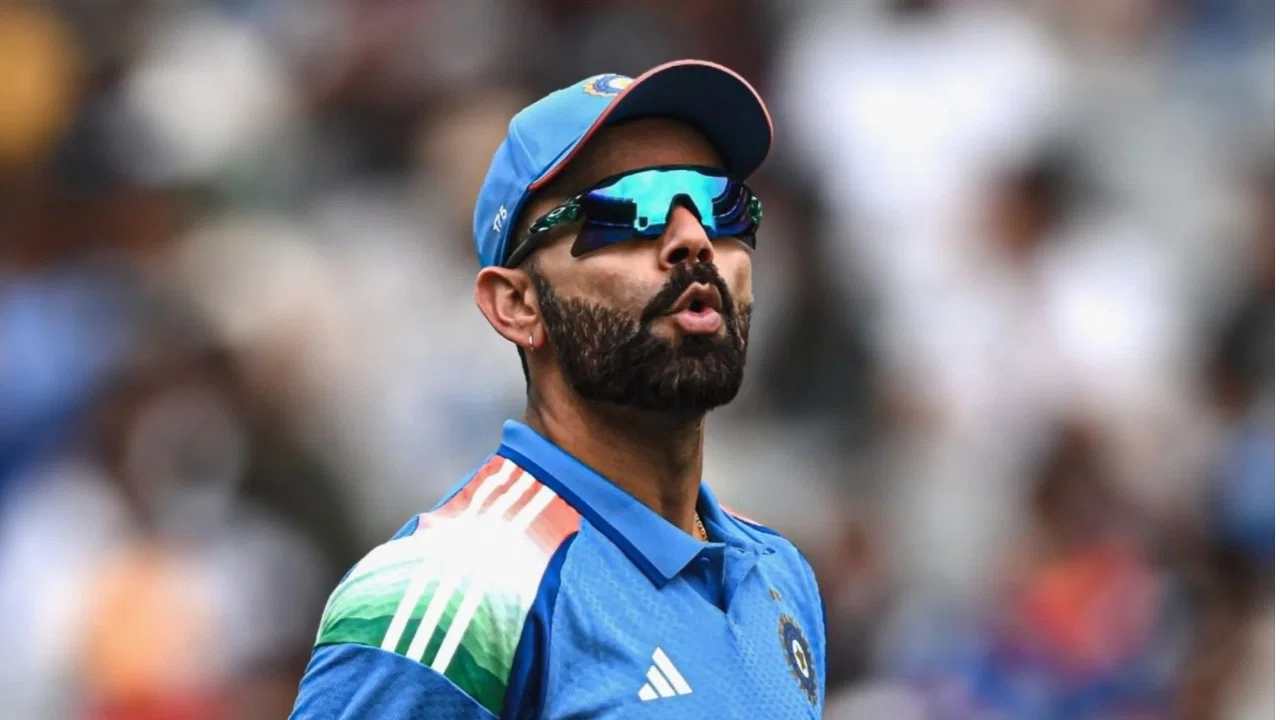
Delhi High Court refuses to halt Sourav Ganguly-inspired film, orders disclaimer
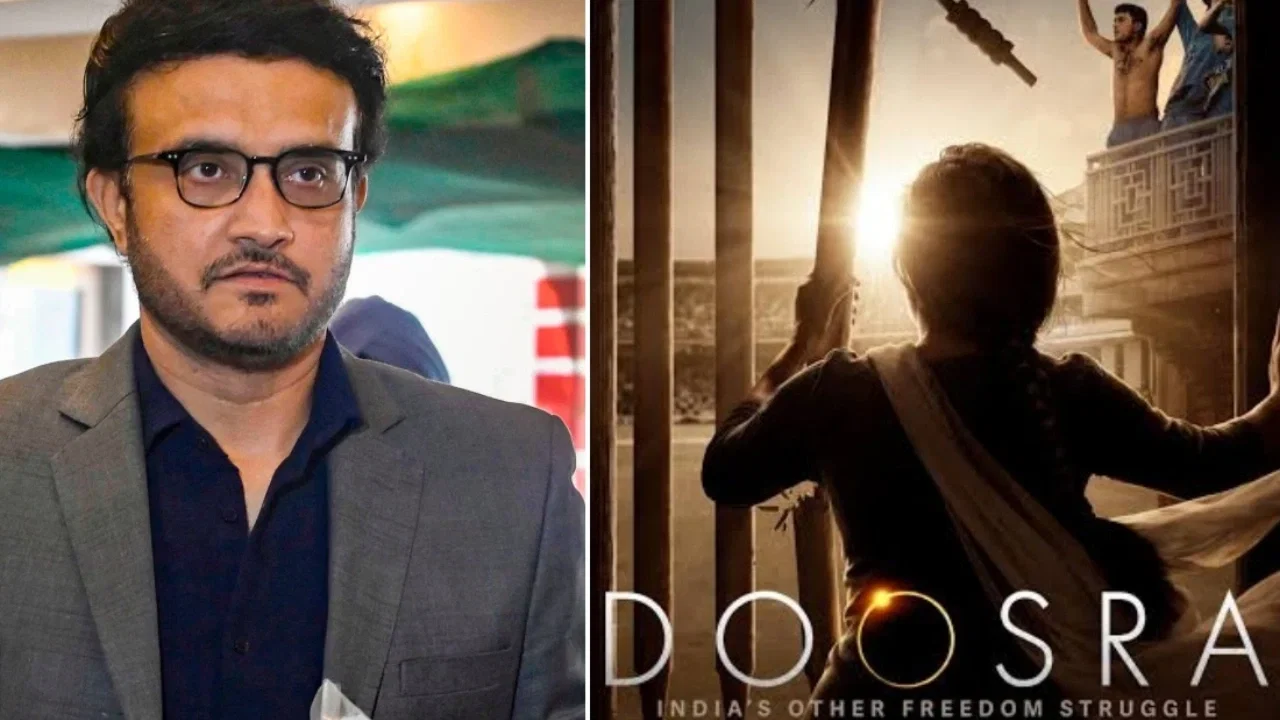
Delhi High Court Orders Disclaimer and ₹2 Crore Guarantee in Sourav Ganguly Film Dispute
The Delhi High Court has directed the makers of “Doosra: India’s Other Freedom Struggle” to add disclaimers at the beginning and end of the film and provide an unconditional bank guarantee of ₹2 crore. The interim directions follow a lawsuit brought by former India cricket captain Sourav Ganguly and production company Luv Films LLP, who allege that the movie uses Ganguly’s personality and public image without permission.
At the same time, the court declined to stop screenings of the sports drama, which opened in cinemas on October 23. The decision allows the film to continue showing, subject to the conditions set by the court. The order, reported by Bar and Bench on November 6, reflects the balance courts may seek between protecting an individual’s personality rights and avoiding an immediate restriction on a film’s release.
What the Delhi High Court Directed
Justice Tejas Karia instructed the filmmakers to display a disclaimer in both Hindi and English at the start and end of the movie. The disclaimer must make clear that Ganguly did not consent to the use of his persona and that the film is not intended to infringe his personality or publicity rights. The filmmakers were given two days to comply.
The court also ordered the production company, Ramesh Deo Productions Private Limited, to submit an unconditional bank guarantee of ₹2 crore to the court’s registrar within two weeks. According to the order, failure to meet the deadlines could lead to the defendants—and people acting on their behalf—being restrained from commercially using the film.
These are interim directions, not a final ruling on the full dispute. The court has not prohibited screenings, and the case will continue as the parties’ claims are considered. The conditions provide a temporary safeguard while allowing audiences to watch the film.
Why Sourav Ganguly and Luv Films Filed the Case
Ganguly and Luv Films LLP have raised concerns about the film’s use of events associated with the former captain’s career. A central point of contention is the portrayal of India’s NatWest Series final against England in 2002, including Ganguly’s famous celebration on the Lord’s balcony after India’s victory.
That moment remains one of the most recognisable images in Indian cricket. It became a symbol of a confident team and a defining episode in Ganguly’s captaincy. The plaintiffs reportedly argue that the filmmakers have drawn on this significant sporting history while also using Ganguly’s identity and public persona in ways that require his consent.
The dispute is not limited to the film’s scenes. The plaintiffs have also alleged that Ganguly’s image or identity was used improperly in promotional and commercial activity connected with the movie, including marketing, screenings and trailer-related events. The court’s requirement for a disclaimer directly addresses the audience’s understanding of whether the former cricketer approved or participated in the production.
Personality Rights and the Use of Public Figures in Films
Personality rights generally concern a person’s ability to control the commercial use of identifying aspects of their identity, such as their name, image, voice or likeness. Public figures, including athletes, often have widely recognised personas that can carry significant commercial value. A film may draw on real events, but disputes can arise when a production is alleged to suggest endorsement or to use a person’s identity for promotion without authorisation.
The case also highlights the difficult line between creative storytelling and commercial use of real-life figures. Filmmakers frequently portray public events and historical moments, while individuals may object when a production appears to imply their involvement, approval or association. A clear disclaimer can help distinguish a dramatisation from an authorised biography, although it does not by itself settle every question about the use of a person’s identity.
For audiences, the distinction matters: a sports drama can be inspired by real events without being an official account or an authorised portrayal. The court’s order seeks to make that point visible rather than leaving viewers to infer whether Ganguly was involved.
Film Continues in Theatres as Legal Proceedings Move Forward
“Doosra: India’s Other Freedom Struggle” is directed by Abhinay Deo and features Plabita Borthakur, Ankur Vikal and Samidha Guru. Despite the legal challenge, the Delhi High Court did not order the movie’s removal from cinemas or suspend its screening. Instead, it imposed conditions intended to address the allegations while the case remains unresolved.
The outcome may be closely watched by filmmakers, sports personalities and entertainment companies because it touches on how real sporting moments can be adapted for the screen. It also offers a reminder that promotional material can raise separate concerns from the content of a film itself, particularly when marketing may create an impression of endorsement.
What Happens Next?
The immediate focus is on whether the production company meets the court’s deadlines for the bilingual disclaimer and bank guarantee. If it does not, the court has indicated that restrictions on commercial use could follow. The broader lawsuit will determine the parties’ competing claims, including whether the film’s portrayal and associated promotion unlawfully used Ganguly’s personality.
For now, the film remains available to viewers, but under the court’s interim conditions. The case is a notable example of the growing attention paid to personality rights in India’s film and entertainment industry—and a reminder that the prediction of how courts will balance creative freedom with individual rights depends on the specific facts, evidence and claims presented in each case.
Latest News
Brian Bennett surpasses Mansur Ali Khan Pataudi with century on Test captaincy debut
Delhi High Court refuses to halt Sourav Ganguly-inspired film, orders disclaimer
Lalchand Rajput steps down as UAE head coach, replacement announced
“We still back ourselves”: Blair Tickner sends warning to Virat Kohli ahead of 2nd ODI
Subhadeep Ghosh reveals secret behind Virat Kohli’s stunning catch and Rohit Sharma’s run-out
Delhi announce SMAT 2026 squad featuring Ishant Sharma, Priyansh Arya
Lucknow Super Giants retained players list 2027: Predicted retentions ahead of IPL auction
India to finally tour Bangladesh in January 2027 with Rohit Sharma, Virat Kohli
‘Clicky Ponting’ scandal: Brian Devine banned as Saltburn punished
Why Shukri Conrad stopped Wiaan Mulder from breaking Brian Lara’s historic Test record
Watch: Sarfaraz Khan pulls off brilliant diving catch in Mumbai vs Railways Ranji Trophy clash
LSG-RR involved in a multi-player deal like CSK-SRH: Report
ICC announces full schedule for 2027 World Cup Qualifier Playoff in Nepal
David Miller was set for Test debut in Pakistan before injury