David Warner demands “open and independent enquiry” into Sandpapergate, questions Cricket Australia
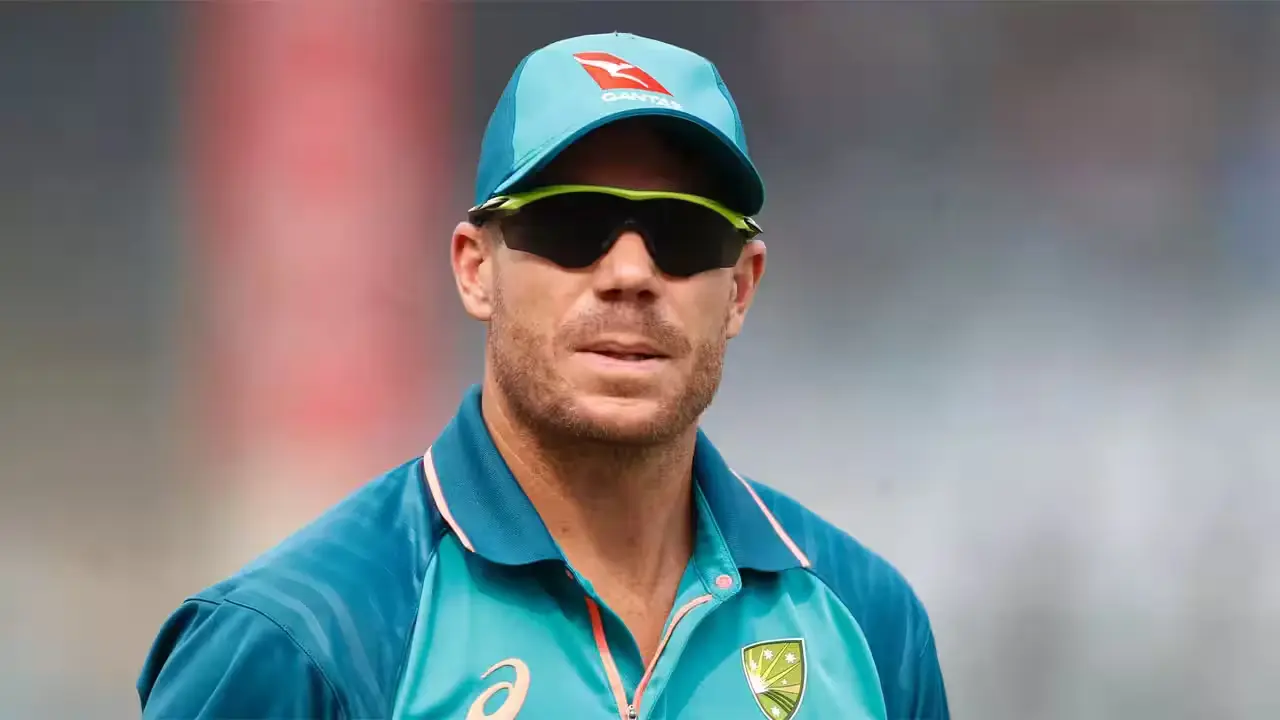
David Warner Calls for Public Inquiry Into Australia’s 2018 Sandpaper Scandal
Australia’s 2018 ball-tampering scandal—widely known as “Sandpaper Gate”—has returned to the spotlight after former opener David Warner called for a public, independent inquiry into the events surrounding the team’s tour of South Africa. His comments follow renewed claims about how much players and staff knew, reopening questions about accountability, Cricket Australia’s response and whether the full story has ever been told.
The controversy began during the third Test against South Africa in Cape Town, when television cameras showed Cameron Bancroft using a piece of sandpaper on the ball. The footage prompted an investigation by Cricket Australia (CA), which resulted in lengthy suspensions for Bancroft, then-captain Steve Smith and Warner. The episode became one of the most damaging crises in modern Australian cricket, affecting the reputations of the players involved and prompting wider scrutiny of the team’s culture.
Why David Warner Wants an Open Inquiry
Speaking to Kayo Sports, Warner said he would have preferred an open investigation that allowed people who were present on the tour to speak publicly. He argued that important conversations between Cricket Australia and former players and coaches took place out of public view, leaving supporters uncertain about what was discussed and how decisions were reached.
“I would have liked an open, independent enquiry where the people who were there at the time could come forward and speak,” Warner said, according to India Today. He added that the public had little insight into what happened behind closed doors between CA and its former employees.
Warner’s request is significant because he was not a bystander in the case: he accepted a 12-month suspension after CA found him responsible for his role in the ball-tampering plan. His call for greater transparency therefore raises a broader question: can a player acknowledge personal responsibility while also asking whether the investigation and its consequences were applied fairly across the wider group?
Renewed Claims Put Team Knowledge Under Scrutiny
The latest debate was fuelled by comments attributed to former Australia opener Usman Khawaja ahead of the release of his autobiography, Sabr. Khawaja reportedly said the incident was known beyond the three players who received sanctions, suggesting that awareness extended across the touring squad and into the coaching staff.
Those claims have reignited discussion about whether the original investigation captured the full context of the team environment or focused primarily on the individuals directly involved in the ball-tampering episode. They do not, by themselves, establish that every member of the squad knew about or supported the plan. However, they have intensified calls for a clearer account of what different people observed, when they learned about it and how the team responded.
That distinction matters. The scandal involved a specific act on the field, but the continuing controversy concerns a much wider set of issues: team culture, leadership, communication and the standards expected of players and staff. Any discussion of the case should separate confirmed findings from later allegations and recollections.
Cricket Australia Plans a Voluntary Forum
Warner’s comments came shortly after CA chief executive Todd Greenberg and board member David Boon announced plans for an independent forum for people connected to the 2018 tour. The proposed process is intended to give players and staff—particularly those who were not interviewed previously or feel they did not have a meaningful opportunity to share their perspective—a private setting in which to speak.
Cricket Australia has stressed that the forum is not a new investigation into Sandpaper Gate. Instead, it is designed as a voluntary and confidential opportunity for participants to describe their experiences. The distinction is important: a forum may help gather personal accounts and improve understanding, but it does not necessarily revisit the original findings, determine new responsibility or produce a public verdict.
CA has indicated that Australian cricket has already endured substantial damage from the scandal and that it does not want to create another cycle of public conflict. Supporters, however, may still want to know how the forum will operate, who will oversee it and whether any themes or recommendations will eventually be shared. Those details could shape whether the process is seen as a genuine effort at reflection or simply a private avenue for participants to speak.
What Happened to Warner, Smith and Bancroft?
Warner received a 12-month ban from international and domestic cricket and accepted the sanction in April 2018 without a hearing. CA also imposed an indefinite restriction preventing him from holding leadership roles in Australian cricket. A later review changed the leadership restriction, which ultimately expired on October 17, 2024.
Smith, who was captain at the time, also received a 12-month suspension. Unlike Warner, he was not permanently barred from leadership roles on his return. Bancroft, who was filmed handling the sandpaper, was suspended for nine months. The different penalties and leadership consequences have remained part of the debate over whether the sanctions were proportionate and how responsibility was divided.
The punishments were only one part of the fallout. Smith and Warner faced intense public criticism, while the episode prompted Cricket Australia to examine the pressures and expectations within the national setup. In the years since, the three players have returned to professional cricket, but the scandal has continued to shape conversations about conduct, leadership and the reputation of the Australian team.
Why the Sandpaper Gate Debate Still Matters
Nearly eight years after the Cape Town Test, the renewed calls for a public inquiry show that the story remains unresolved for some of those involved and for many cricket fans. Warner’s prediction that more clarity is needed reflects a persistent concern: the original sanctions may have addressed the most visible actions without answering every question about the broader environment surrounding them.
A transparent process could help distinguish established facts from disputed memories and provide a fuller account of how the crisis unfolded. At the same time, a voluntary, private forum may encourage people to speak more candidly than they would in a public hearing. The challenge for Cricket Australia will be balancing confidentiality with the public’s interest in understanding one of the most consequential episodes in the sport’s recent history.
For now, the proposed forum is not a formal reopening of the case. Whether it can offer meaningful closure will depend on who participates, how their accounts are handled and whether the process produces insight beyond what has already been made public. Sandpaper Gate remains a defining moment for Australian cricket—and the latest comments from Warner and Khawaja suggest that the debate over what happened, and who knew what, is far from over.
Latest News
Litton Das creates world record in Test cricket, becomes first wicketkeeper to achieve rare feat vs South Africa
IPL 2027: CSK retire MS Dhoni’s iconic No.7 Jersey
Ian Bell appointed Birmingham Phoenix head coach ahead of The Hundred 2027
‘My favourite player’: Jasprit Bumrah calls MS Dhoni his idol after former captain announced IPL retirement
“Utter mess”: Nasser Hussain reacts to Cameron Bancroft’s comments amid fresh Sandpapergate controversy

IPL 2027: Yuvraj Singh mentors Prithvi Shaw, Sam Curran emerges as LSG captain, SRH target Shai Hope
EAGLES vs LIONS Dream11 Prediction Today Match, My11Circle Prediction, Dream11 Team Today, Fantasy Cricket Tips, Playing XI, Pitch Report, Injury Update- Abu Dhabi Cup T10 2026, Match 27

Sunil Narine picked over Rinku Singh as KKR’s next captain for IPL 2027
Gus Atkinson makes Travis Head his bunny with 3 dismissals in 3 games

IPL 2027: Jay Mehta set to sell 22.5% stake in KKR to US-based Ares Management
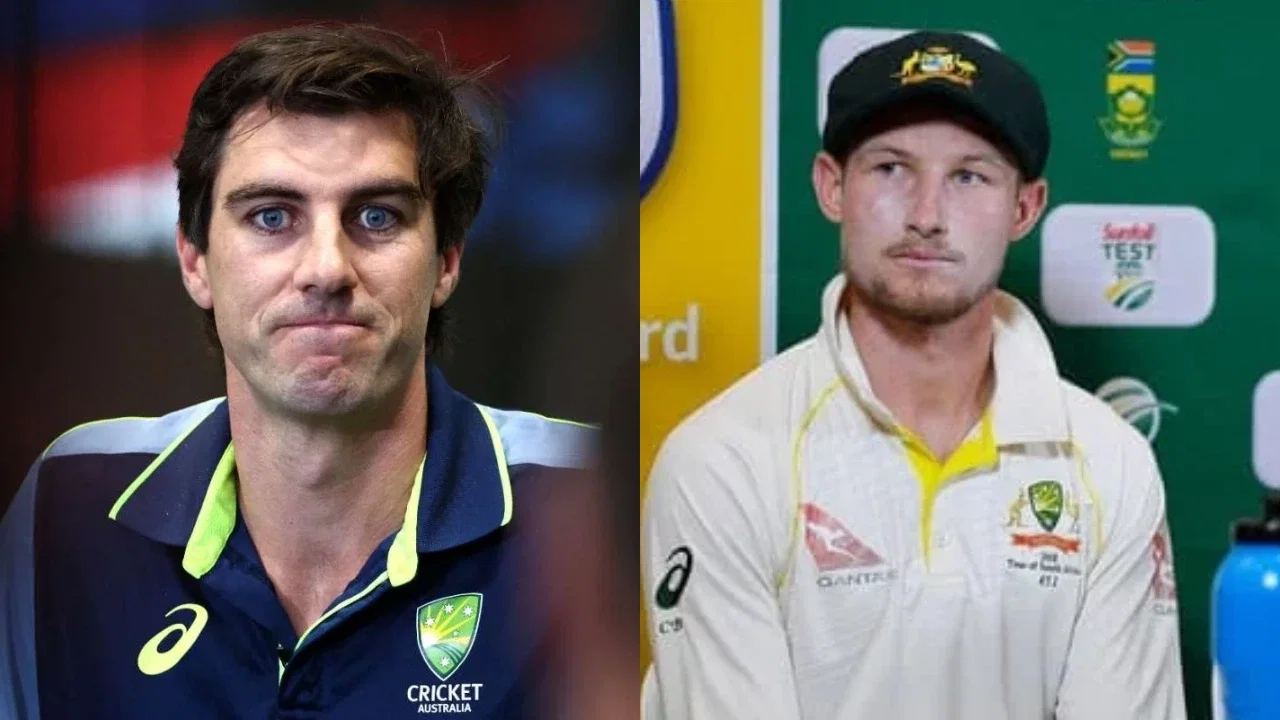
‘Whole team knew’: Cameron Bancroft breaks silence, takes aim at Pat Cummins over Sandpapergate

Sandpapergate: Cameron Bancroft claims Darren Lehmann, David Saker had full knowledge of ball-tampering plot
David Warner demands “open and independent enquiry” into Sandpapergate, questions Cricket Australia
Yuzvendra Chahal becomes first Indian bowler to take 400 T20 wickets