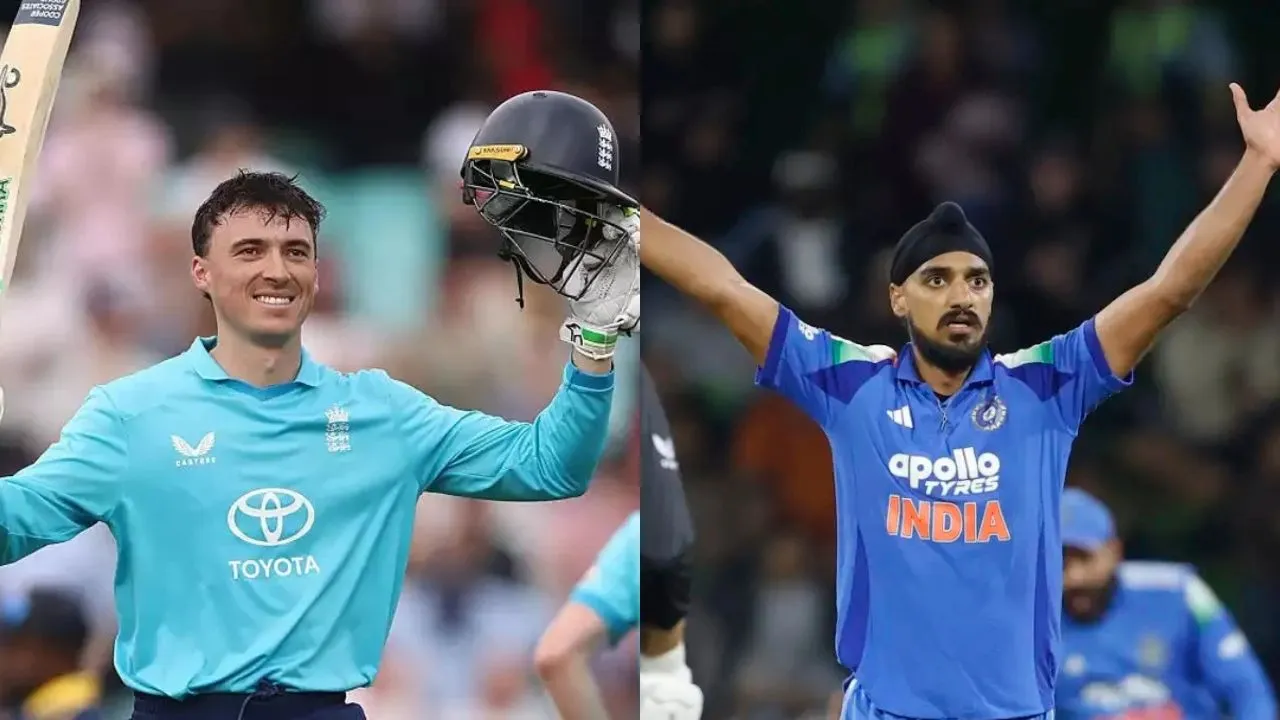
Gus Atkinson makes Travis Head his bunny with 3 dismissals in 3 games
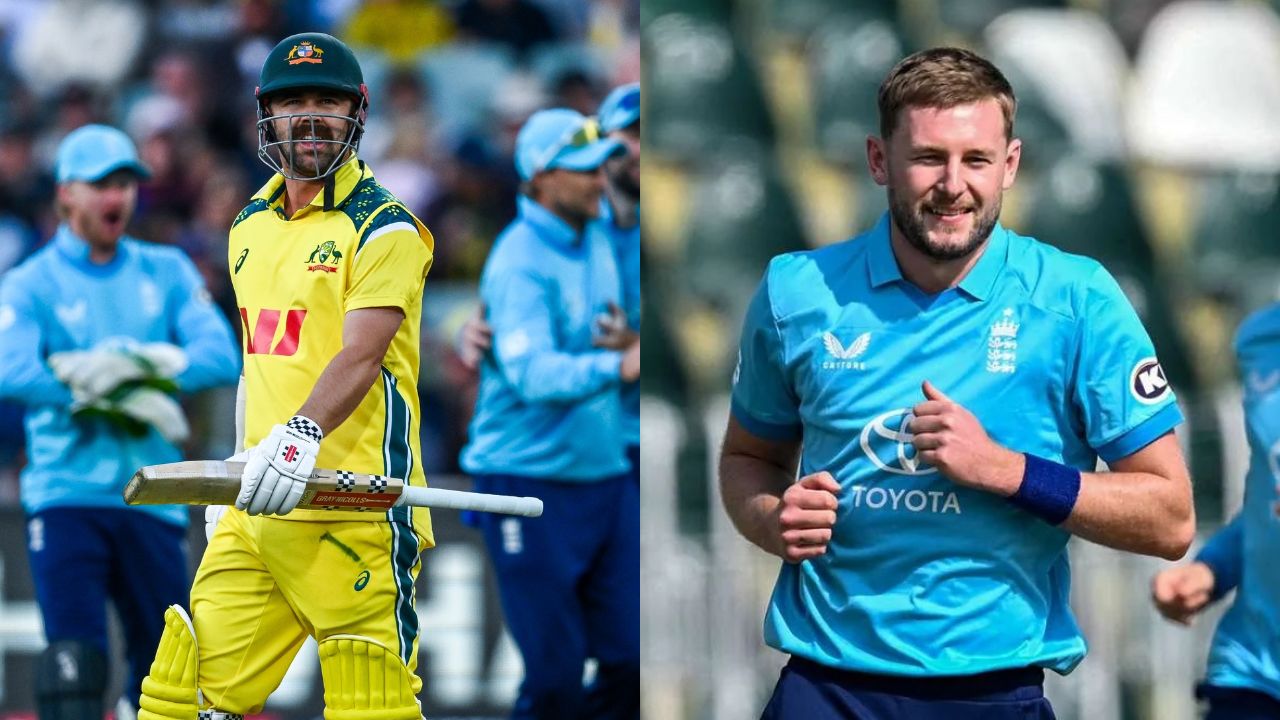
Gus Atkinson Dismisses Travis Head for the Third Straight ODI as England Set Australia 329 to Win
Gus Atkinson has emerged as a persistent problem for Travis Head in England’s ODI series against Australia. The England fast bowler has dismissed the left-handed opener in all three matches, turning a high-profile batting contest into one of the defining individual matchups of the tour.
Head is renowned for his aggressive starts and ability to change the pace of a one-day international in a few overs. Yet he has managed only 10 runs from 10 deliveries against Atkinson in this series, with each encounter ending in a wicket. The repeated success gives England an important tactical edge as the teams continue their battle in Australia.
Three Different Deliveries, the Same Outcome
Atkinson’s first breakthrough came in the opening ODI in Perth. Head faced just one ball before being bowled for a duck. Coming around the wicket, Atkinson sent down a full delivery that angled into the batter. Head tried to drive, but his footwork did not provide enough control. The ball took an inside edge and deflected into the leg stump.
The second meeting, in Adelaide, lasted longer—but not by much. Head made seven from eight balls before Atkinson found the outside edge with a back-of-a-length delivery outside off stump. Looking to cut, Head appeared short of room and sent the ball towards Joe Root at slip, who held the catch.
Atkinson completed his run of dismissals in Hobart, removing Head for four from three deliveries in the opening over. A scrambled-seam ball landed outside off stump, and Head attempted to force a cut despite the length not being especially short. The resulting edge travelled to Root at first slip.
The methods have differed, but the pattern is striking: Atkinson has made Head play at deliveries in areas where a small error can bring an edge or an inside deflection into play. That variation has prevented the Australian opener from settling into his preferred attacking rhythm.
Atkinson’s Series Record Against Head
Balls faced: 10
Runs scored: 10
Dismissals: 3
Batting average against Atkinson: 3.33
The figures capture a remarkable start to their head-to-head contest, although three innings remain a small sample. Head has the experience and range of shots to respond, while Atkinson will need to keep executing his plans to maintain the advantage. For now, however, the England bowler has given his captain a clear reason to keep the matchup in mind whenever Head comes to the crease.
Why the Matchup Matters for England
Head’s role at the top of Australia’s order is to put pressure on the bowling side early. When he gets through the opening overs, he can score quickly, disrupt field settings and give the middle order a strong platform. Dismissing him cheaply therefore offers England more than a personal milestone: it can change the shape of Australia’s entire innings.
Atkinson’s success also highlights the value of disciplined fast bowling in ODI cricket. Rather than relying on one obvious tactic, he has used changes in length, angle and seam movement to create different challenges. Head’s dismissals have involved an inside edge, an outside edge and a catch at slip, showing how consistently Atkinson has made him play under pressure.
England will be keen to turn that individual advantage into a broader bowling performance. Early wickets can expose the middle order, but Australia remain dangerous, particularly if their batters can build partnerships and make use of the conditions. Atkinson’s record against Head is a significant storyline—not a guarantee of what happens next.
Ben Duckett Leads England to 328 in Hobart
Earlier in the third ODI at Bellerive Oval, England posted 328 in 48.3 overs after being asked to bat first. Ben Duckett anchored the innings with a commanding 133 from 115 balls, hitting 15 fours and three sixes. His innings gave England stability and scoring momentum on a surface that was not at its easiest during the opening overs.
Tom Banton added 44 from 35 deliveries, while Will Jacks supplied a valuable late contribution of 59 from 48 balls. England lost wickets along the way, including Joe Root for 12 and captain Harry Brook for 17, but Duckett kept the innings on track. Jacks’ aggressive finish helped the visitors move beyond 300 and establish a challenging target.
Australia’s bowling effort included contributions from Xavier Bartlett, Head, Jack Edwards, Cooper Connolly and Matt Renshaw. England’s total looked competitive, though Duckett suggested his side might have scored more with a stronger middle-order partnership and fewer wickets at key moments.
Duckett on the Hobart Pitch
Duckett described the Hobart wicket as a good batting surface that suited England more than the pitch at Perth’s Optus Stadium. He noted that it played slowly during the powerplay, making the early phase less straightforward, but felt the conditions became manageable as the innings developed.
“It was quite slow in the powerplay,” Duckett said, adding that the surface felt a little more familiar to England’s batters. He also acknowledged that the team may have left runs out there, while stressing that a total close to 330 gives the bowling unit a strong platform.
He credited Australia’s spinners for using the conditions effectively and said England would look to vary their lengths while keeping the ball around the stumps during the defence. That approach could be particularly important against an Australian lineup capable of scoring rapidly once established.
Prediction: England’s Bowling Plans Could Define the Chase
With 329 required for victory, Australia face a demanding chase, but the target is not beyond reach on a good Hobart surface. England’s best route is likely to combine early pressure with disciplined control through the middle overs. Atkinson’s record against Head will attract attention, but England cannot rely on one matchup alone; they will need to manage the rest of Australia’s batting order just as carefully.
The key question is whether Head can finally break free of Atkinson’s spell and give Australia the fast start they need. If the England pacer strikes again, the visitors could seize control of the chase early. If Head survives the opening spell, Australia may be able to build momentum and make England defend every run.
For supporters following the series, the Atkinson-Head contest has become one of its most compelling subplots. England have the immediate advantage, Duckett has supplied a substantial total, and the outcome will depend on whether the visitors can carry their batting performance into the field. The next phase offers a clear test of England’s plans—and an opportunity for Head to answer back.
Latest News
Litton Das creates world record in Test cricket, becomes first wicketkeeper to achieve rare feat vs South Africa
IPL 2027: CSK retire MS Dhoni’s iconic No.7 Jersey
Ian Bell appointed Birmingham Phoenix head coach ahead of The Hundred 2027
‘My favourite player’: Jasprit Bumrah calls MS Dhoni his idol after former captain announced IPL retirement
“Utter mess”: Nasser Hussain reacts to Cameron Bancroft’s comments amid fresh Sandpapergate controversy

IPL 2027: Yuvraj Singh mentors Prithvi Shaw, Sam Curran emerges as LSG captain, SRH target Shai Hope

EAGLES vs LIONS Dream11 Prediction Today Match, My11Circle Prediction, Dream11 Team Today, Fantasy Cricket Tips, Playing XI, Pitch Report, Injury Update- Abu Dhabi Cup T10 2026, Match 27
Sunil Narine picked over Rinku Singh as KKR’s next captain for IPL 2027
Gus Atkinson makes Travis Head his bunny with 3 dismissals in 3 games

IPL 2027: Jay Mehta set to sell 22.5% stake in KKR to US-based Ares Management
‘Whole team knew’: Cameron Bancroft breaks silence, takes aim at Pat Cummins over Sandpapergate

Sandpapergate: Cameron Bancroft claims Darren Lehmann, David Saker had full knowledge of ball-tampering plot
David Warner demands “open and independent enquiry” into Sandpapergate, questions Cricket Australia
Yuzvendra Chahal becomes first Indian bowler to take 400 T20 wickets