“Utter mess”: Nasser Hussain reacts to Cameron Bancroft’s comments amid fresh Sandpapergate controversy

Cameron Bancroft’s Sandpapergate Comments Reignite Questions About Australia’s 2018 Scandal
Fresh comments from Cameron Bancroft have reopened one of Australian cricket’s most painful chapters, prompting renewed debate about who knew what during the 2018 ball-tampering scandal in Cape Town. Former England captain Nasser Hussain says Bancroft’s account raises questions not only about the incident itself, but also about the way responsibility was handled inside the Australian team.
The controversy began during a Test against South Africa when Bancroft was caught on camera using sandpaper on the ball. Steve Smith, then Australia’s captain, and vice-captain David Warner were also sanctioned. The three players received lengthy bans, while Cricket Australia’s investigation concluded that they were involved in the plan. Bancroft’s latest remarks, however, have revived claims that knowledge of the plan may have extended beyond the players who were punished.
What Cameron Bancroft Said About the Cape Town Incident
Bancroft has previously indicated that he wanted to move on from Sandpapergate rather than fuel further controversy. His recent comments have nevertheless brought the issue back into the spotlight. In the account discussed by Hussain, Bancroft suggested that he, Smith and Warner “took the bullet” for the team—an expression that implies the three players accepted the consequences while others may have avoided scrutiny.
The central question remains whether other members of the Australian squad knew that the ball would be tampered with before Bancroft was filmed. Bancroft’s comments do not, by themselves, establish what every player knew or prove that the wider team was involved. But they have renewed calls for a clearer explanation of the events and of the investigation that followed.
For cricket supporters, the issue is bigger than the mechanics of altering a ball’s condition. It concerns accountability, leadership and whether the full truth was disclosed after a major breach of the sport’s rules. That is why each new statement can quickly become a fresh point of debate.
Nasser Hussain Questions the “Mateship” Response
Speaking in a Sky Sports video shared on social media, Hussain focused on the idea that three teammates may have been left to carry the blame. He said the most troubling aspect was not simply that ball-tampering had occurred, but the possibility that players who knew about it failed to speak up when Smith, Warner and Bancroft faced punishment.
Hussain connected the issue to the Australian cricket culture often associated with the Baggy Green and the idea of mateship—standing together and accepting responsibility as a group. If Bancroft’s description reflects what happened, Hussain argued, the handling of the scandal would sit uneasily with that image.
His comments also highlight the difficult distinction between individual responsibility and team accountability. The players who carried out or directed an act are accountable for their decisions. At the same time, questions can reasonably arise about what teammates knew, whether anyone challenged the plan and how the team responded once the incident became public.
Why the dressing-room atmosphere matters
Hussain also reflected on what it might have been like when Bancroft, Smith and Warner returned to the national setup after serving their bans. If some teammates had known about the plan but remained silent, the players who were punished may have faced a complicated return to the dressing room.
That possibility adds a human dimension to the scandal. A team is expected to rebuild trust after a crisis, but trust is difficult to restore when players disagree about what happened or who should have accepted responsibility. The passage of time can soften public attention, yet unresolved questions may remain for those involved.
Usman Khawaja’s Role in the Renewed Debate
Usman Khawaja has also contributed to the renewed discussion, with comments that have drawn a response from current and former Australian players. Hussain said he hoped to speak with Khawaja on a podcast and suggested that one important question would be why he did not speak publicly in defence of the three sanctioned players at the time.
Khawaja’s perspective is significant because it may offer insight into the broader team environment and the conversations that followed the Cape Town Test. However, any account should be assessed carefully: recollections made years after an event can add useful context, but they do not automatically resolve conflicting claims. A detailed timeline, supported by direct evidence and clear explanations, would be more informative than speculation about individual motives.
The debate also shows how books, interviews and podcasts can bring old sporting controversies back into public view. Former players may feel more able to speak once they have left the team environment, while audiences continue to seek answers that were not fully addressed at the time.
Pat Cummins Faces Questions as Scrutiny Grows
Australia captain Pat Cummins has denied claims attributed to Khawaja about what the team knew. Bancroft’s latest comments have now added another layer to the dispute, leading Hussain to describe the situation as increasingly messy. The conflicting accounts have placed Cummins’ response under renewed attention, although disagreement between public statements is not proof that any one person is being dishonest.
The key issue is whether the different accounts can be reconciled with the findings and records from Cricket Australia’s original investigation. A careful assessment would need to distinguish between what players personally witnessed, what they heard from teammates and what they understood before and after the incident. Without that detail, broad claims can easily be overstated.
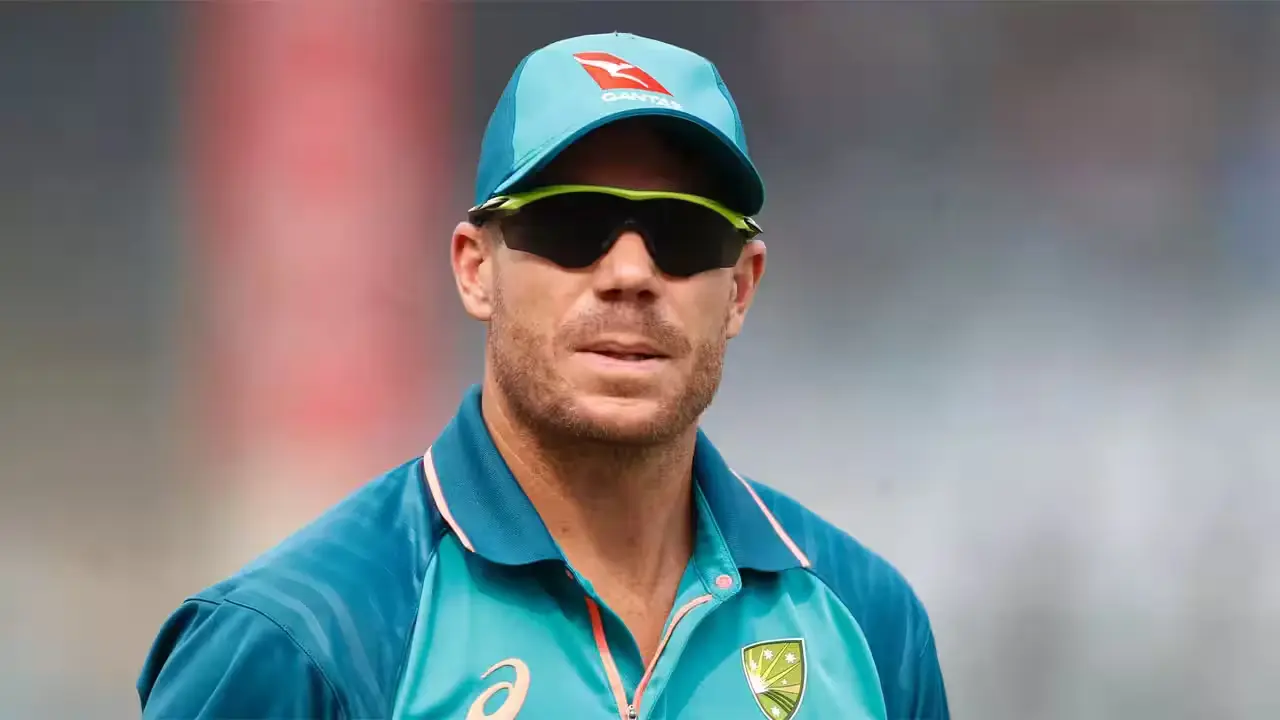
David Warner has separately called for an “open and independent enquiry” into Sandpapergate, questioning Cricket Australia’s handling of the matter. That demand reflects a wider concern among some observers: whether the original process answered all the questions that mattered to players and supporters.
Why Sandpapergate Still Matters to Cricket
The 2018 scandal led to bans, leadership changes and a major loss of public trust. It also forced Australian cricket to confront questions about the standards expected of its players and the culture surrounding the national team. The sport depends on fair competition, and any attempt to alter the ball unlawfully threatens confidence in the result.
Today, the prediction is that Bancroft’s comments will keep Sandpapergate in the headlines for as long as key questions remain unresolved. Yet the most useful outcome would not be another round of accusations. It would be a precise account of who knew what, when they knew it, and how decisions were made after the incident came to light.
Until those questions are addressed with evidence and transparency, the Cape Town Test will remain more than a disciplinary episode. It will continue to serve as a test of how cricket handles accountability—and whether the sport’s promise of team loyalty includes the courage to speak up when something goes wrong.
Latest News
Litton Das creates world record in Test cricket, becomes first wicketkeeper to achieve rare feat vs South Africa

IPL 2027: CSK retire MS Dhoni’s iconic No.7 Jersey
Ian Bell appointed Birmingham Phoenix head coach ahead of The Hundred 2027
‘My favourite player’: Jasprit Bumrah calls MS Dhoni his idol after former captain announced IPL retirement
“Utter mess”: Nasser Hussain reacts to Cameron Bancroft’s comments amid fresh Sandpapergate controversy

IPL 2027: Yuvraj Singh mentors Prithvi Shaw, Sam Curran emerges as LSG captain, SRH target Shai Hope

EAGLES vs LIONS Dream11 Prediction Today Match, My11Circle Prediction, Dream11 Team Today, Fantasy Cricket Tips, Playing XI, Pitch Report, Injury Update- Abu Dhabi Cup T10 2026, Match 27

Sunil Narine picked over Rinku Singh as KKR’s next captain for IPL 2027

Gus Atkinson makes Travis Head his bunny with 3 dismissals in 3 games

IPL 2027: Jay Mehta set to sell 22.5% stake in KKR to US-based Ares Management
‘Whole team knew’: Cameron Bancroft breaks silence, takes aim at Pat Cummins over Sandpapergate

Sandpapergate: Cameron Bancroft claims Darren Lehmann, David Saker had full knowledge of ball-tampering plot
David Warner demands “open and independent enquiry” into Sandpapergate, questions Cricket Australia
Yuzvendra Chahal becomes first Indian bowler to take 400 T20 wickets