India vs Pakistan, ICC’s greed behind 2027 World Cup format change: British media’s claim
ICC ODI World Cup 2027: Changes in Format Stir Controversy
The ICC ODI World Cup 2027 is set to be a major cricket event taking place in South Africa, Zimbabwe, and Namibia. With less than 15 months until the tournament kicks off on October 4, 2027, cricket fans are eagerly awaiting the action. However, recent changes in the tournament format have sparked controversy and raised questions about the fairness of the competition.
New Format, New Controversy
Originally planned to feature 14 teams divided into two groups, the ICC has now decided to reduce the number of participating teams to 12. This change means that associate nations will have fewer matches, while the top-ranked countries will play more games. The tournament will now include a “Super Series” where 12 to 14 teams will compete, with only one team advancing to the main draw.
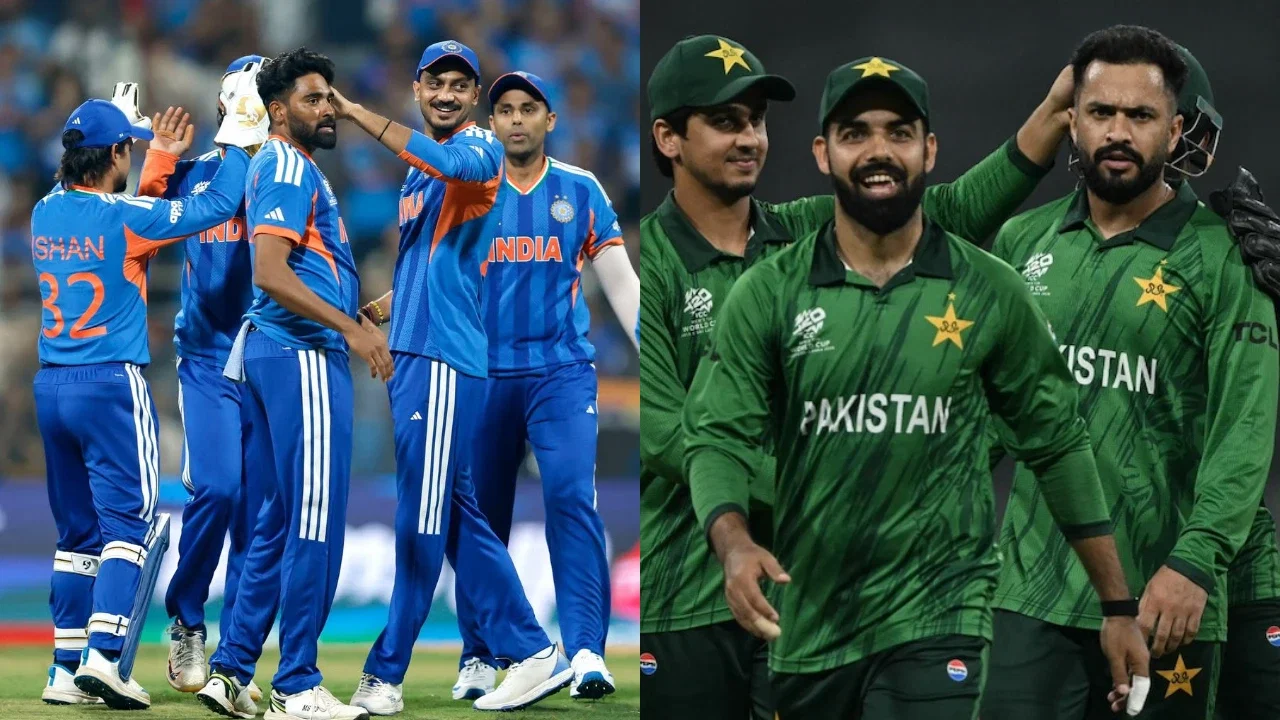
One of the most significant implications of the revised format is the potential for three India vs Pakistan matches. Under the new rules, both teams are expected to face each other during the Group Stage and potentially in the Super 7 round-robin format. If they both qualify for the knockout stage, they could meet once again in the semi-finals, leading to a total of three high-stakes matches.
Controversy Over India’s Influence
The British media has criticized the changes in the World Cup format, pointing fingers at India’s influence on ICC decisions. As the largest contributor to global cricket broadcasting income, India is set to benefit from more key matches, including the highly anticipated India vs Pakistan games. The decision to give extra matches to big nations like India has raised concerns about the impact on smaller and emerging teams.
While the ICC argues that the new format will bring greater context, competitiveness, and consequence to the event, many associate nations fear that they will lose out under the revised structure. Previously, smaller teams had the opportunity to play six matches in the tournament, but now they will only play two games and will not be part of the main event. This change has led to discontent among cricketers from associate nations who have worked hard to qualify for the World Cup.
The Future of the ICC World Cup
With the 2027 ICC ODI World Cup approaching, the cricketing world is divided over the changes in the tournament format. While some argue that the new structure will increase competitiveness and financial value, others believe it will disadvantage smaller nations and reduce the sporting nature of the event.
As cricket fans eagerly await the start of the tournament, the controversy surrounding the format changes adds an extra layer of intrigue to what promises to be an exciting and hotly contested World Cup in 2027.
Impact on Emerging Teams
One of the main concerns raised by the changes in the ICC ODI World Cup 2027 format is the potential impact on emerging cricketing nations. Associate nations, which have historically struggled to compete against top-ranked teams, are now faced with even fewer opportunities to showcase their talent on a global stage. With only two games in the preliminary rounds, these teams risk being marginalized and overshadowed by the powerhouse cricketing nations.
For countries like Afghanistan, Ireland, and Nepal, the World Cup has been a platform to demonstrate their cricketing prowess and gain valuable experience competing against the best in the world. The reduction in matches not only limits their exposure but also hampers their chances of causing upsets and making a mark in the tournament. This imbalance in opportunities has sparked concerns about the future growth and development of cricket in these nations.
Financial Implications
Aside from the sporting aspect, the changes in the ICC ODI World Cup format also have financial implications for both the participating teams and the ICC. With fewer matches for associate nations, there is a risk of reduced revenue generation from broadcasting rights, ticket sales, and sponsorships. This could potentially impact the overall funding available for cricket development programs in these countries.
Furthermore, the concentration of key matches involving big cricketing nations like India and Pakistan raises questions about the distribution of financial benefits within the sport. While powerhouse teams may see an increase in revenue and exposure, smaller nations may struggle to secure the resources needed to sustain and grow their cricketing infrastructure. The economic disparities highlighted by the new format underscore the challenges faced by cricket’s governing bodies in balancing commercial interests with the spirit of fair competition.
Fan Engagement and Viewer Interest
One aspect that cannot be overlooked in the debate over the ICC ODI World Cup 2027 format changes is the impact on fan engagement and viewer interest. Cricket enthusiasts around the world look forward to the World Cup as a spectacle of skill, drama, and passion. The revised structure, with its focus on high-profile matchups and potential rivalries, may attract more viewers and generate buzz around the tournament.
However, there is a fine line between creating excitement and alienating fans who value the inclusivity and diversity of the sport. By limiting the opportunities for underdog teams to shine and relegating them to the sidelines, the ICC runs the risk of losing a segment of the audience that appreciates the underdog stories and the spirit of sportsmanship inherent in cricket.
Looking Ahead
As the countdown to the ICC ODI World Cup 2027 continues, the controversy surrounding the tournament format changes shows no signs of abating. The debates over fairness, competitiveness, and commercial interests will likely persist long after the final ball is bowled in the tournament. The challenge for cricket’s governing bodies lies in finding a balance that promotes growth and sustainability across all levels of the sport while preserving the essence and integrity of the game.
Cricket fans, players, and administrators alike will be closely watching how the 2027 World Cup unfolds and what lessons can be drawn from this edition to shape the future of cricket on the global stage.
Latest News
Top 10 highest run-chases in T20 cricket history, ft. West Indies’ Ranchi win vs India
Aaryavir Sehwag and Anvay Dravid set to make headlines at U19 Asia Cup 2026
Longest ducks in Test cricket history ft. Nic Maddinson, Shoaib Akhtar
ECB to offer 39 central contracts to England players after Ben Stokes, Mark Wood’s retirement
Steve Smith surpasses Steve Waugh in all-time Test run-scorers’ list
Shane Watson identifies Gautam Gambhir’s biggest problem as India struggle for consistency
Is Bhuvneshwar Kumar in India’s 2027 World Cup plans? Ajinkya Rahane makes revelation

BCCI’s big ₹127 Crore move after injury crisis raises concerns over Team India
Parthiv Patel reveals RCB ignored his Jasprit Bumrah recommendation in IPL 2014 Auction
“Never spoke ill of any faith”: Irfan Pathan hits back at fake news using his name
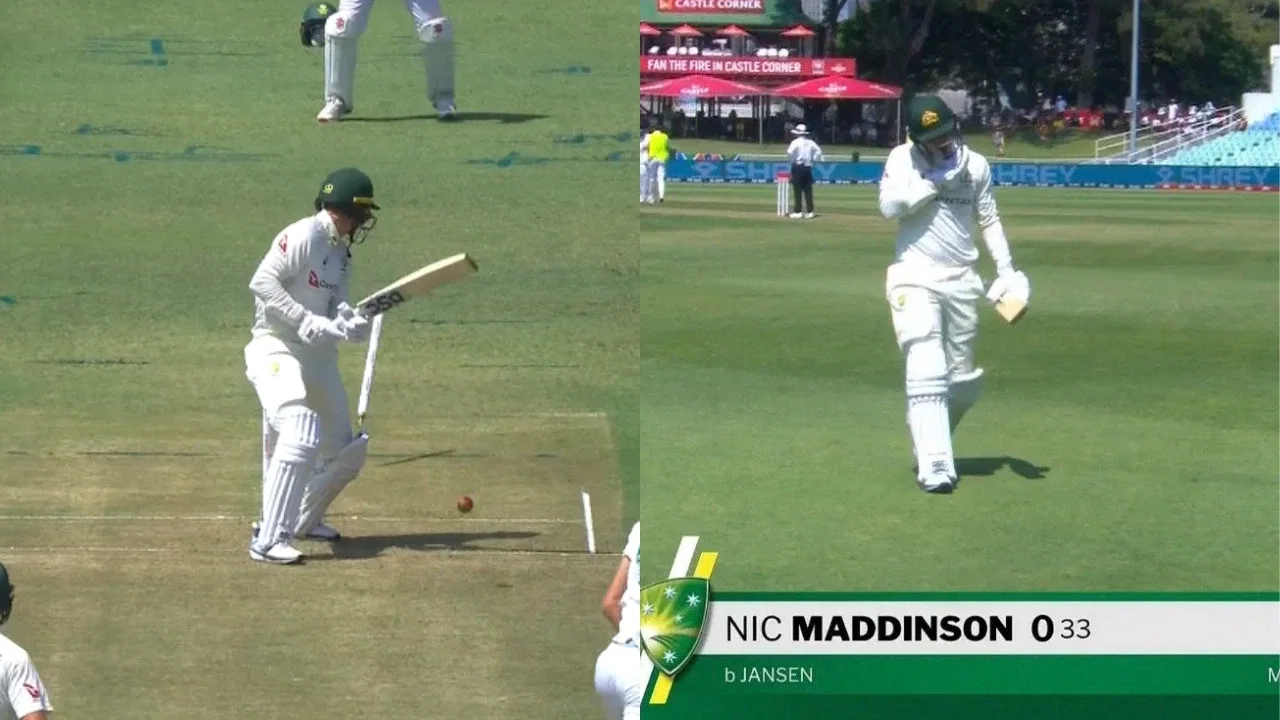
Nic Maddinson bags 33-ball duck on Test comeback, disappoints George Bailey
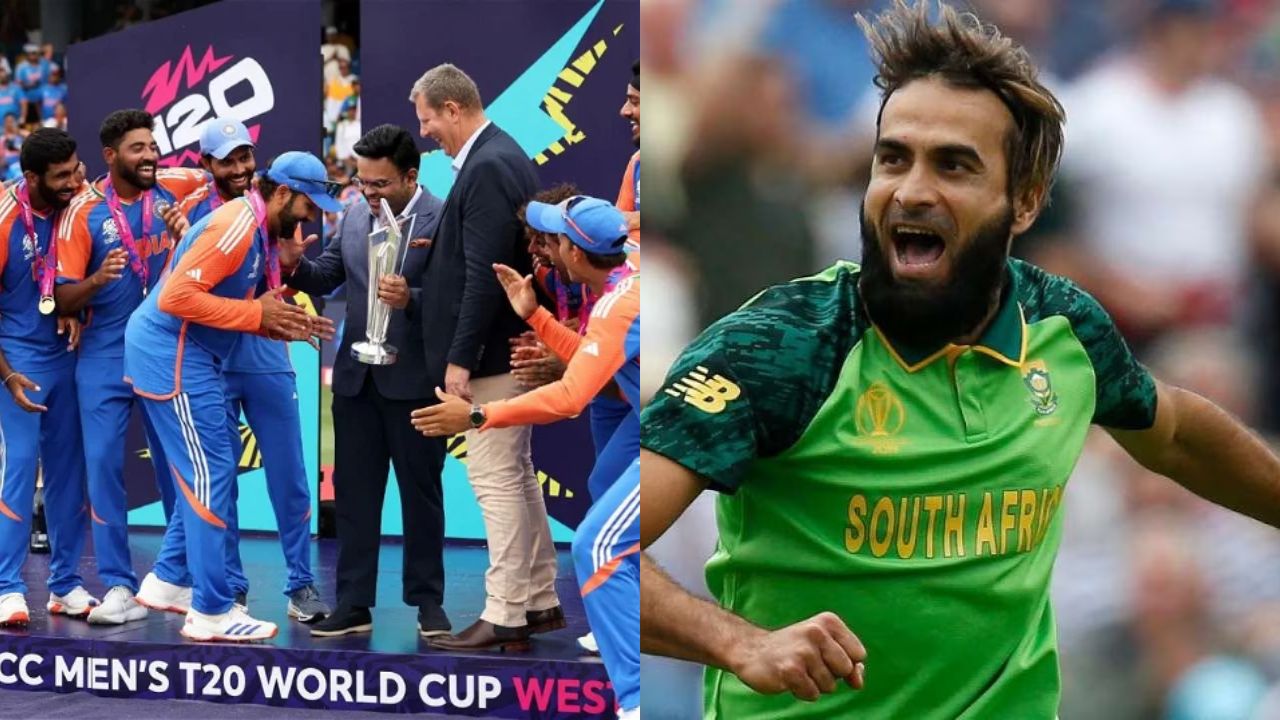
Imran Tahir predicts 2027 ICC ODI World Cup Semi-Finalists, snubs India for title
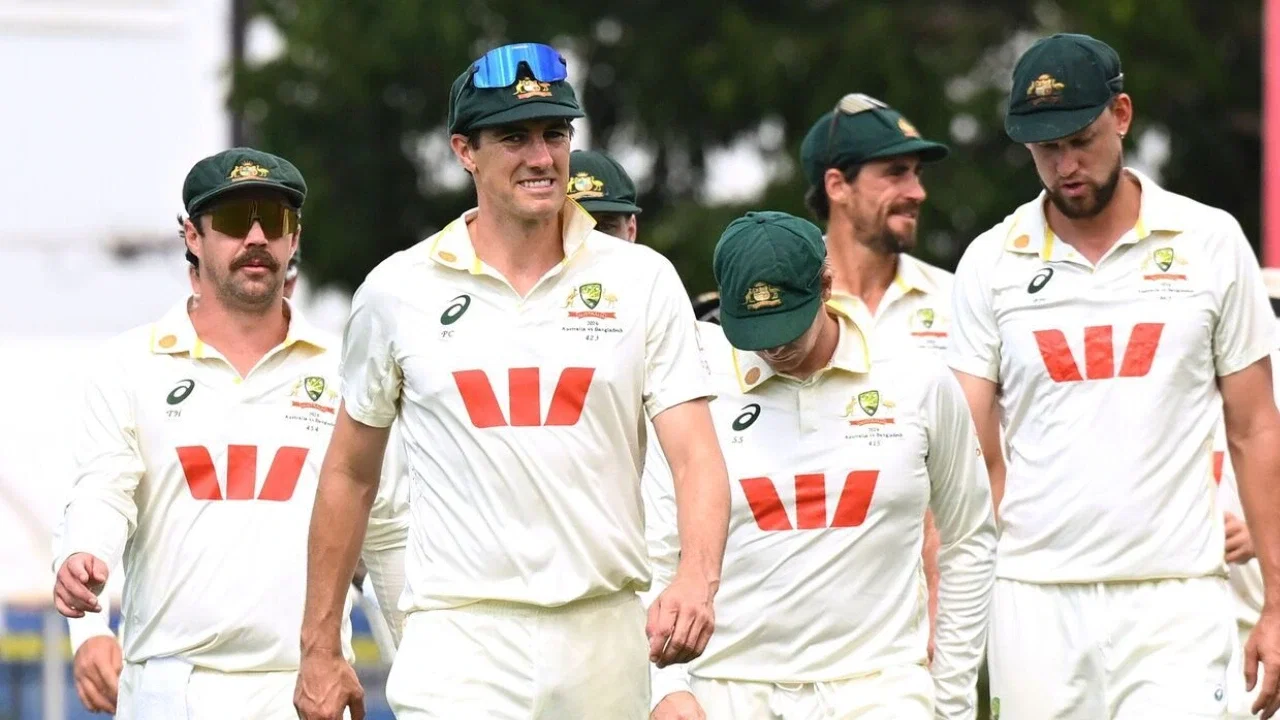
Australia create unwanted history with first all-30-plus Test XI
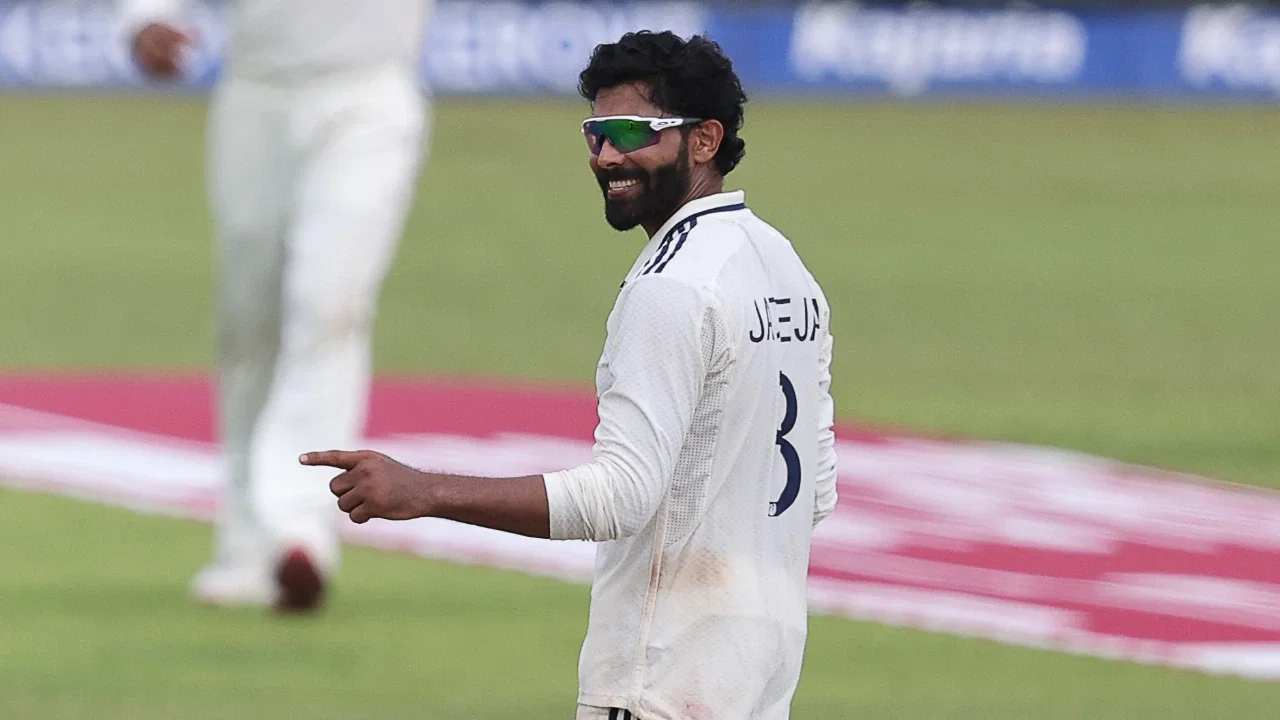
Ravindra Jadeja returns to Ranji Trophy as Saurashtra announce squad