Mithali Raj names India’s next captain after T20 World Cup failure
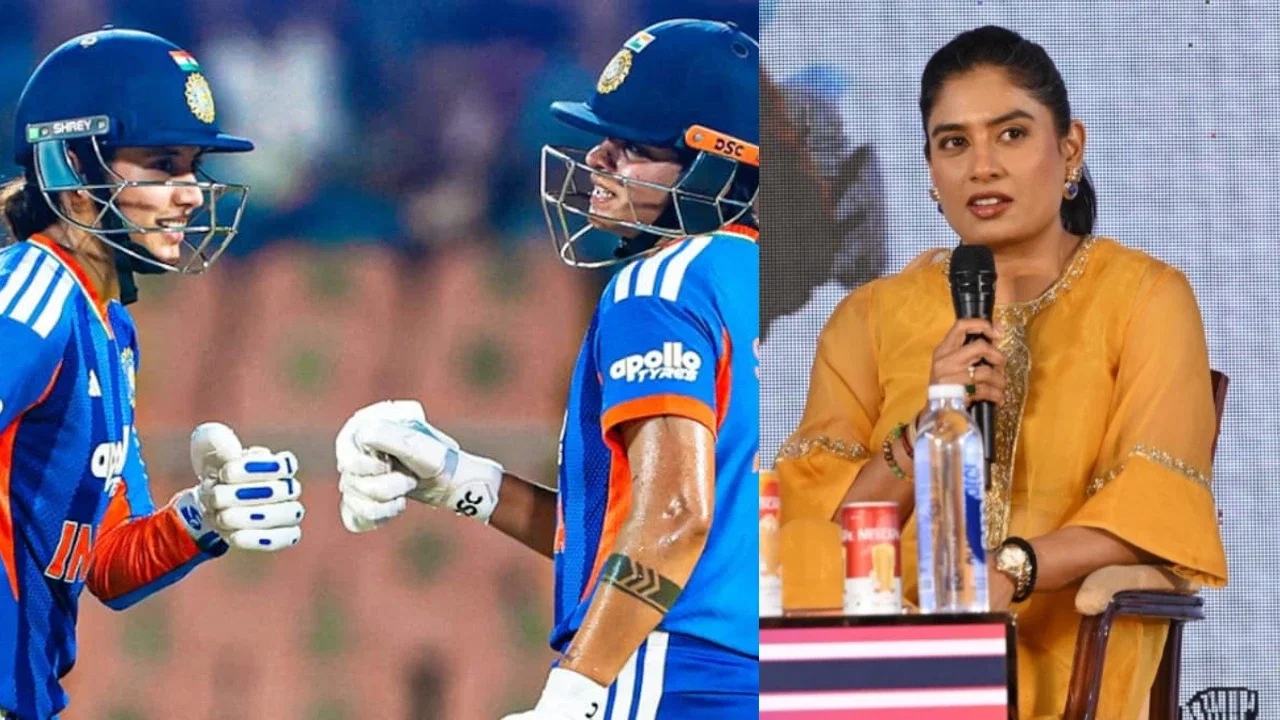
Mithali Raj Proposes Major Changes in India Women’s Cricket Team Leadership
Following the disappointing performance of the India women’s national team at the ICC Women’s T20 World Cup 2026 in England, former captain Mithali Raj has suggested a significant shake-up in the team’s leadership. She believes that it is time to groom young captains for the white-ball formats, specifically endorsing Smriti Mandhana and Shafali Verma for the roles.
Mithali’s Vision for the Future
Mithali Raj has been vocal about her belief that India’s women’s team needs to start preparing for the future, especially in T20 cricket. While she acknowledges Smriti Mandhana’s leadership abilities in the ODI format, she sees Shafali Verma as the ideal candidate for leading the team in T20Is due to her exceptional skills and potential.
Despite Mithali’s well-intentioned suggestions, not everyone has been quick to embrace the proposed changes. One social media user questioned Mithali’s choice, advocating for the current captain, Harmanpreet Kaur, to retain leadership in Tests. However, Mithali remains firm in her stance that India’s bowling needs to be addressed if they are to succeed in future T20 competitions.
Why Shafali Verma?
Explaining her reasoning behind endorsing Shafali Verma for the T20I captaincy, Mithali Raj highlighted the young batter’s explosive batting style, impressive strike rate, and versatility in bowling. She emphasized the importance of providing opportunities for young players to develop their leadership skills on the field rather than waiting for them to gain more experience.
Responding to the skepticism surrounding Shafali’s readiness for the captaincy, Mithali reiterated her belief in the young player’s potential and ability to excel in the role. She also pointed out that Jemimah Rodrigues, another talented player, is prepared to take on leadership responsibilities given her experience in international T20 leagues.
Looking Ahead
Mithali Raj concluded by reiterating her confidence in both Shafali Verma and Jemimah Rodrigues to lead India’s T20I team in the future. Despite the challenges faced at the ICC Women’s T20 World Cup 2026, Mithali remains optimistic about the team’s potential under new leadership.
As the cricketing world awaits the official decisions regarding the captaincy of the India women’s team, Mithali Raj’s proposals have sparked discussions and debates among fans and experts alike. The transition to a new era of leadership in Indian women’s cricket could bring exciting opportunities for young talents to shine on the international stage.
The Importance of Succession Planning in Cricket
Succession planning is a critical aspect of any sports team’s strategy, including cricket. As players retire or step down from leadership roles, it is essential to have a pipeline of talent ready to step into those positions seamlessly. Mithali Raj’s push for grooming young captains like Smriti Mandhana and Shafali Verma reflects the need for a strategic approach to leadership transitions in Indian women’s cricket.
By identifying and nurturing potential leaders early on, teams can ensure continuity and stability in their performance. Developing leadership skills in young players not only prepares them for future roles but also strengthens the overall team dynamic. As the cricket landscape evolves, teams must adapt by investing in the next generation of leaders.
The Evolution of Women’s Cricket in India
Over the years, women’s cricket in India has witnessed tremendous growth and recognition on the international stage. The emergence of players like Mithali Raj, Harmanpreet Kaur, Smriti Mandhana, and Shafali Verma has showcased the depth of talent in the country. With increased participation, exposure, and support, Indian women cricketers are making their mark globally.
As the sport continues to gain popularity and visibility, there is a growing emphasis on professionalism, strategic planning, and talent development in women’s cricket. The proposed changes in leadership highlight the evolving nature of the game and the need for innovation and adaptability in team management strategies.
The Role of Mentoring in Cricket
Mentorship plays a crucial role in shaping the next generation of cricketing talent. Experienced players like Mithali Raj, who have been instrumental in the success of Indian women’s cricket, have a responsibility to guide and mentor younger players. By sharing their knowledge, insights, and experiences, mentors can help accelerate the development of future leaders.
In addition to technical skills, mentorship also focuses on instilling values such as resilience, teamwork, and leadership in players. As young cricketers navigate the complexities of the sport, having a mentor to provide guidance and support can make a significant difference in their growth and success.
The Impact of Leadership Changes on Team Dynamics
Leadership changes within a team can have a profound impact on its dynamics, performance, and culture. Introducing new captains brings fresh perspectives, strategies, and approaches to the game. While change can be disruptive initially, it also presents an opportunity for growth, innovation, and renewal within the team.
Effective communication, collaboration, and trust are essential elements in navigating leadership transitions smoothly. As the India women’s cricket team prepares for a potential shift in leadership, fostering a supportive environment for the incoming captains and the team as a whole will be crucial for their success on and off the field.
Conclusion
As Indian women’s cricket looks towards the future, the proposed changes in team leadership by Mithali Raj signal a new chapter in the sport’s history. Embracing innovation, nurturing young talent, and adapting to evolving trends are key factors in driving the team’s success. With a strategic approach to leadership development, Indian women’s cricket is poised to continue its ascent on the global stage, inspiring generations of fans and players alike.
By prioritizing succession planning, mentorship, and team dynamics, the India women’s cricket team can build a strong foundation for sustained excellence in the years to come. As fans eagerly anticipate the next phase of leadership in the team, they can be assured that the future of Indian women’s cricket is in capable hands.
Latest News
Top 10 highest run-chases in T20 cricket history, ft. West Indies’ Ranchi win vs India
Aaryavir Sehwag and Anvay Dravid set to make headlines at U19 Asia Cup 2026
Longest ducks in Test cricket history ft. Nic Maddinson, Shoaib Akhtar
ECB to offer 39 central contracts to England players after Ben Stokes, Mark Wood’s retirement
Steve Smith surpasses Steve Waugh in all-time Test run-scorers’ list

Shane Watson identifies Gautam Gambhir’s biggest problem as India struggle for consistency
Is Bhuvneshwar Kumar in India’s 2027 World Cup plans? Ajinkya Rahane makes revelation
BCCI’s big ₹127 Crore move after injury crisis raises concerns over Team India
Parthiv Patel reveals RCB ignored his Jasprit Bumrah recommendation in IPL 2014 Auction
“Never spoke ill of any faith”: Irfan Pathan hits back at fake news using his name
Nic Maddinson bags 33-ball duck on Test comeback, disappoints George Bailey
Imran Tahir predicts 2027 ICC ODI World Cup Semi-Finalists, snubs India for title
Australia create unwanted history with first all-30-plus Test XI
Ravindra Jadeja returns to Ranji Trophy as Saurashtra announce squad