Babar Azam’s ‘match-winner’ Mohammad Nawaz banned for ICC Anti-Doping Code breach
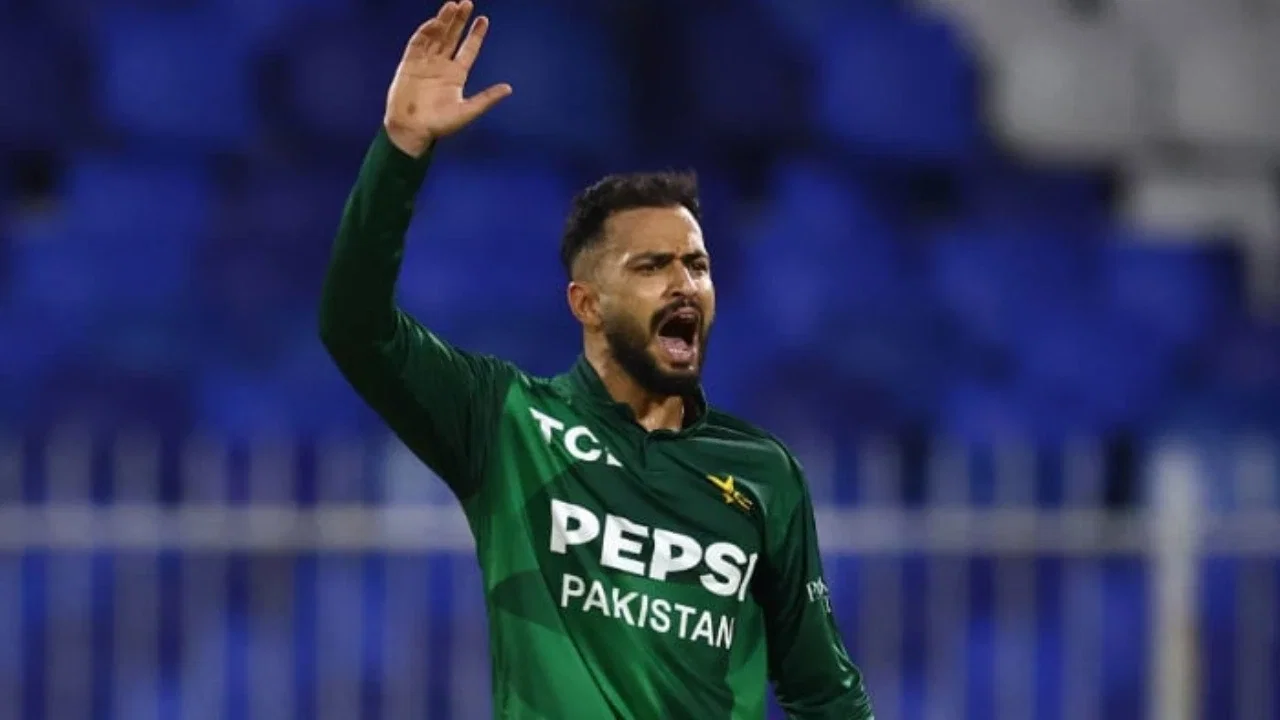
Pakistan National Cricket Team Faces Major Setback with Mohammad Nawaz Doping Controversy
The Pakistan National Cricket Team is currently in turmoil as one of its key players, Mohammad Nawaz, has been embroiled in a major controversy regarding an anti-doping rule violation. The 32-year-old spin-bowling all-rounder has been sanctioned by the International Cricket Council (ICC) for breaching the ICC Anti-Doping Code.
Details of the Violation
The controversy unfolded after Nawaz failed a doping test conducted during the ICC T20 World Cup 2026, specifically after Pakistan’s match against the Netherlands in Colombo, Sri Lanka, on February 7, 2026. The test revealed the presence of Carboxy-THC in his sample, a banned substance classified under the ICC’s list of prohibited “Substances of Abuse.”
Nawaz accepted responsibility for his actions, admitting to breaking the ICC Anti-Doping Code. However, it was clarified that his use of the substance was not intended to enhance his on-field performance during the T20 World Cup matches.
ICC’s Response and Subsequent Actions
In an official statement, the ICC confirmed Nawaz’s ban and highlighted that the ban could potentially be reduced to one month if he successfully completes the ICC’s rehabilitation program. The ban officially began on May 1, 2026, after Nawaz voluntarily suspended himself from cricket activities.
Having already served around two and a half months of the ban, Nawaz’s provisional suspension has been lifted as he committed to the rehabilitation program. If he fulfills all requirements set by the ICC, he may not have to serve the remaining duration of his three-month ban.
Impact on Performance Records
As a consequence of the doping violation, the ICC has nullified all of Nawaz’s performances from the T20 World Cup match against the Netherlands until May 1, 2026. This means that his statistics and contributions during this period will no longer be recognized in official records, significantly impacting his career statistics.
Future Plans for Pakistan Cricket
While dealing with the aftermath of Nawaz’s ban, the Pakistan Cricket Board (PCB) has been informed of the situation by the ICC and has initiated the necessary procedures to address the violation. In the midst of this controversy, Pakistan is gearing up to host a four-team ODI tournament as part of its preparations for the upcoming 2027 World Cup.
In conclusion, the Pakistan National Cricket Team faces a challenging period as it navigates the repercussions of Mohammad Nawaz’s doping controversy. Despite the setback, the team aims to focus on its upcoming fixtures and competitions while ensuring adherence to anti-doping regulations and ethical standards within the sport.
The Importance of Anti-Doping Measures in Cricket
The Mohammad Nawaz doping controversy sheds light on the significance of anti-doping measures in cricket and the strict protocols that players must adhere to. The ICC’s Anti-Doping Code is designed to maintain the integrity of the sport and ensure fair competition by prohibiting the use of performance-enhancing substances. Violating these regulations not only tarnishes the player’s reputation but also affects the team’s credibility and the spirit of the game.
Rehabilitation and Education Programs for Cricketers
Following a doping violation, players like Mohammad Nawaz have the opportunity to participate in rehabilitation and education programs offered by the ICC. These programs aim to educate cricketers about the dangers of doping, promote clean and healthy competition, and help them make informed decisions regarding their physical well-being. By completing the rehabilitation program, players can demonstrate their commitment to fair play and integrity in cricket.
The Psychological Impact on Players
Being embroiled in a doping controversy can have significant psychological effects on players, affecting their confidence, performance, and overall mental well-being. The scrutiny and public scrutiny that follow such incidents can be challenging to navigate for players like Mohammad Nawaz, who must not only face the consequences of their actions but also work towards rebuilding their reputation and relationships within the cricketing community.
Lessons Learned for the Pakistan National Cricket Team
The Pakistan National Cricket Team can use the Mohammad Nawaz doping controversy as a learning opportunity to reinforce the importance of upholding ethical standards and anti-doping regulations within the team. By implementing stringent monitoring and education programs, the PCB can prevent future incidents and ensure that all players are well-informed about the consequences of doping violations. Transparency, accountability, and a zero-tolerance policy towards doping can help maintain the team’s integrity and reputation in the long run.
Supporting Players Through Adversity
As Mohammad Nawaz navigates the aftermath of his doping controversy, it is essential for the Pakistan National Cricket Team and the cricketing community to support him through this challenging time. Encouraging rehabilitation, providing guidance, and fostering a culture of understanding can help players like Nawaz learn from their mistakes, grow as individuals, and ultimately contribute positively to the sport. By offering support and empathy, the team can demonstrate its commitment to the well-being and development of its players.
Looking Ahead: Redemption and Recovery
Despite the setback caused by Mohammad Nawaz’s doping controversy, there is potential for redemption and recovery both for the player and the Pakistan National Cricket Team. By acknowledging the mistake, taking responsibility, and actively participating in the rehabilitation process, Nawaz can rebuild his career and reputation over time. Similarly, the team can use this experience to strengthen its anti-doping measures, foster a culture of integrity, and focus on achieving success through fair and ethical means in future competitions.
In conclusion, the Mohammad Nawaz doping controversy serves as a reminder of the importance of upholding anti-doping regulations, fostering a culture of integrity, and supporting players through adversity in cricket. By learning from this incident and committing to transparency, education, and accountability, the Pakistan National Cricket Team can emerge stronger and more resilient as it continues its journey in the world of cricket.
Latest News
Top 10 highest run-chases in T20 cricket history, ft. West Indies’ Ranchi win vs India
Aaryavir Sehwag and Anvay Dravid set to make headlines at U19 Asia Cup 2026
Longest ducks in Test cricket history ft. Nic Maddinson, Shoaib Akhtar
ECB to offer 39 central contracts to England players after Ben Stokes, Mark Wood’s retirement
Steve Smith surpasses Steve Waugh in all-time Test run-scorers’ list

Shane Watson identifies Gautam Gambhir’s biggest problem as India struggle for consistency
Is Bhuvneshwar Kumar in India’s 2027 World Cup plans? Ajinkya Rahane makes revelation
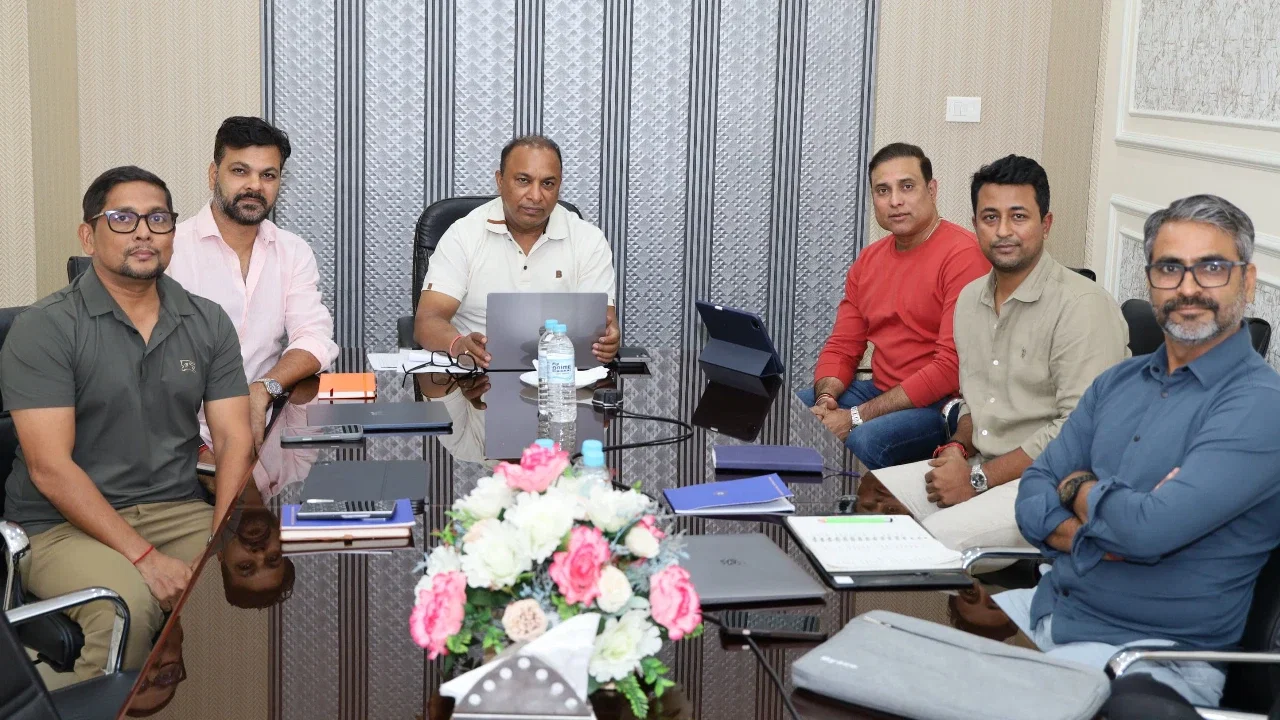
BCCI’s big ₹127 Crore move after injury crisis raises concerns over Team India

Parthiv Patel reveals RCB ignored his Jasprit Bumrah recommendation in IPL 2014 Auction
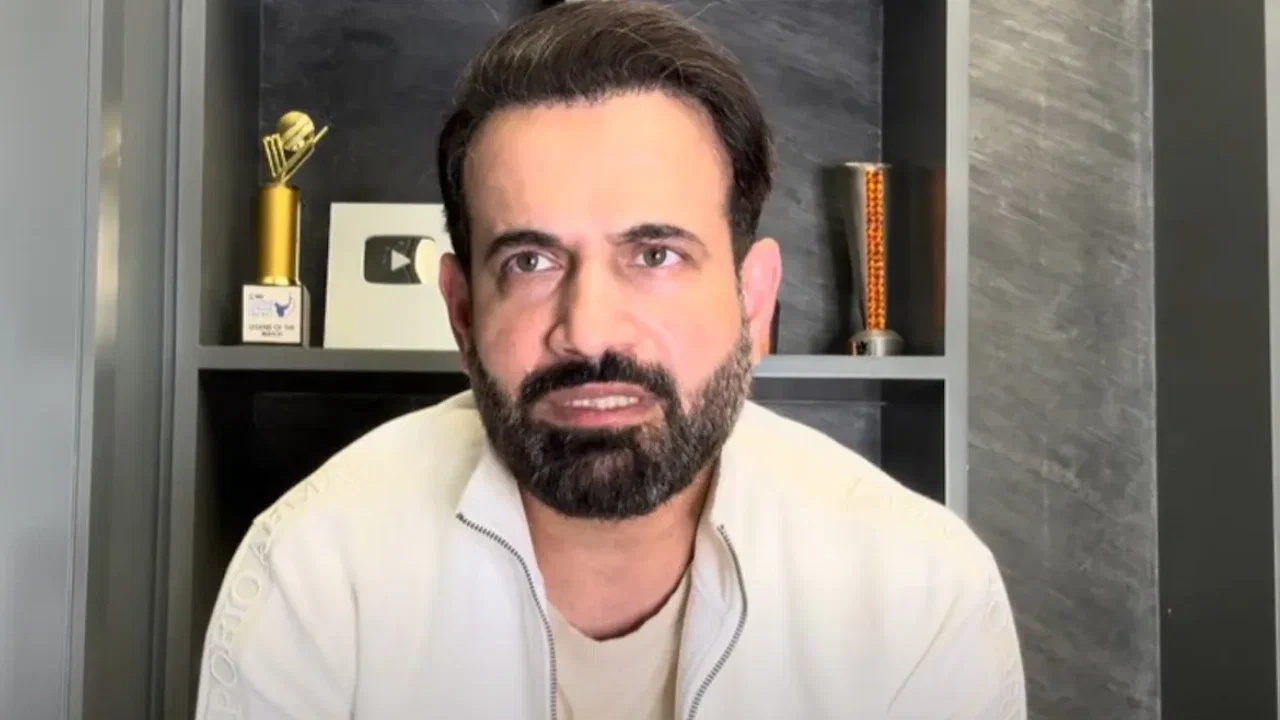
“Never spoke ill of any faith”: Irfan Pathan hits back at fake news using his name
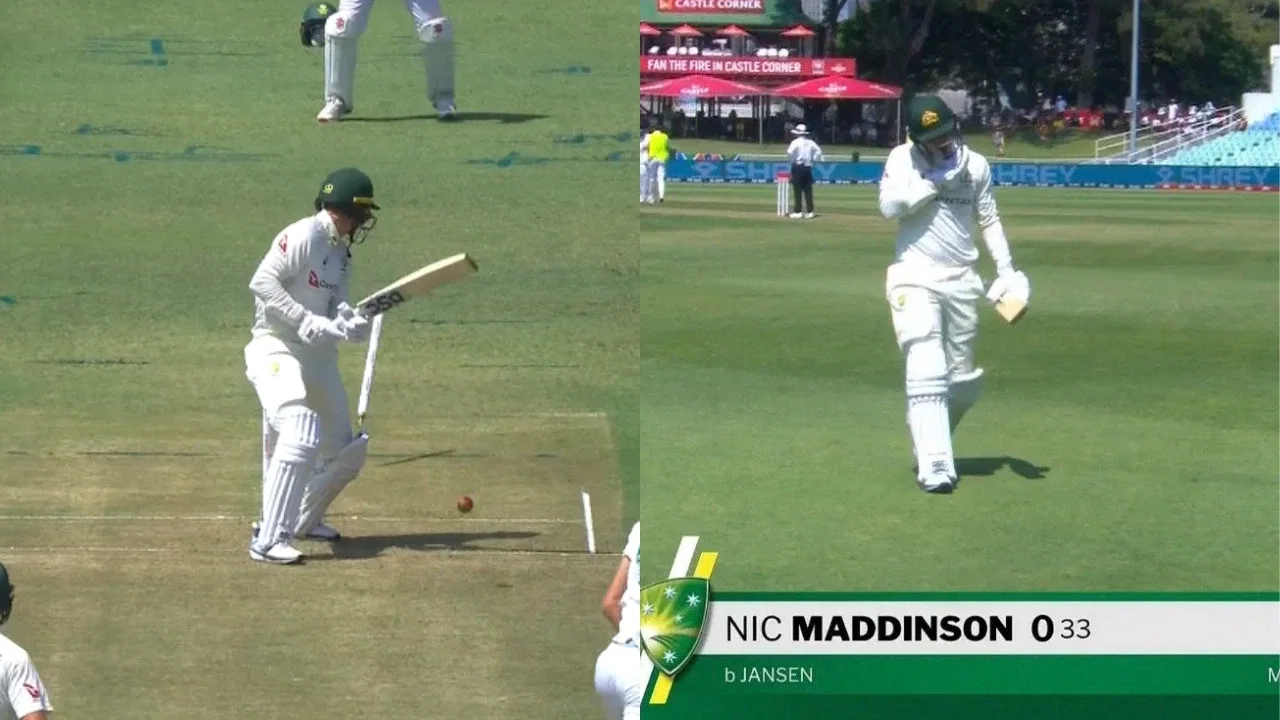
Nic Maddinson bags 33-ball duck on Test comeback, disappoints George Bailey
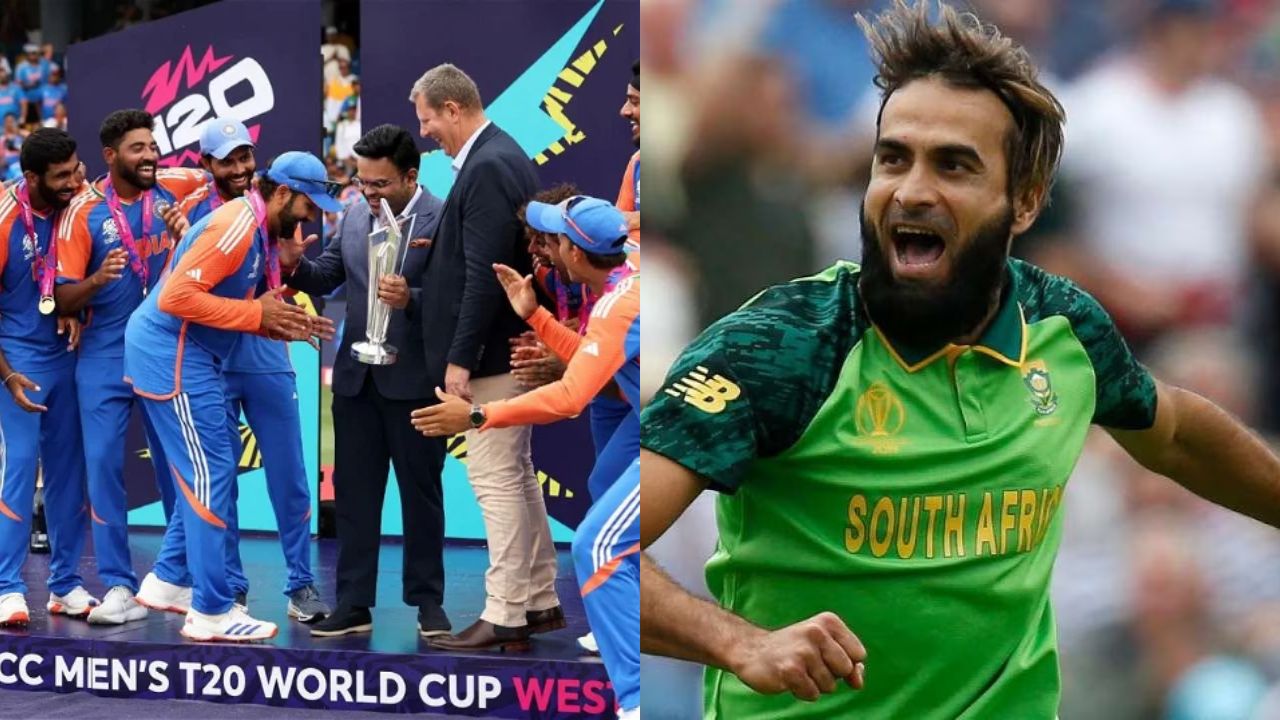
Imran Tahir predicts 2027 ICC ODI World Cup Semi-Finalists, snubs India for title
Australia create unwanted history with first all-30-plus Test XI
Ravindra Jadeja returns to Ranji Trophy as Saurashtra announce squad