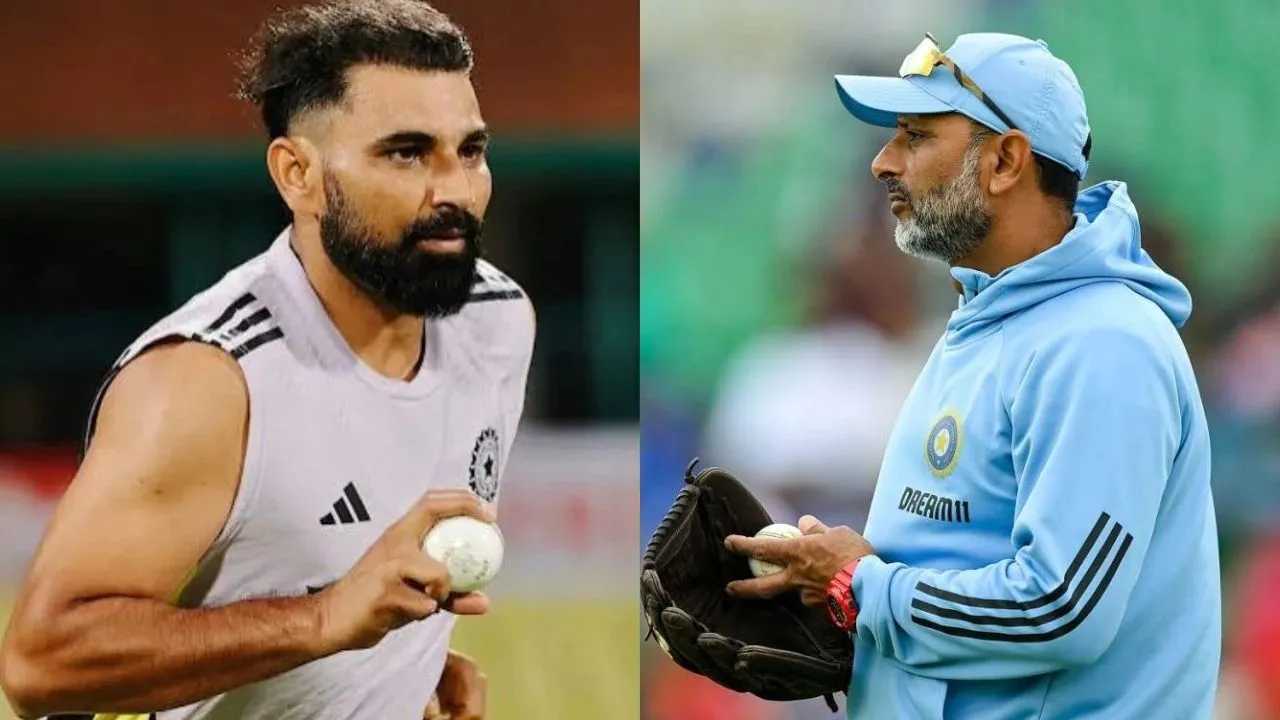
Indian cricketers can’t shake hands with Pakistan players but CWG 2026 athletes can – Here’s why
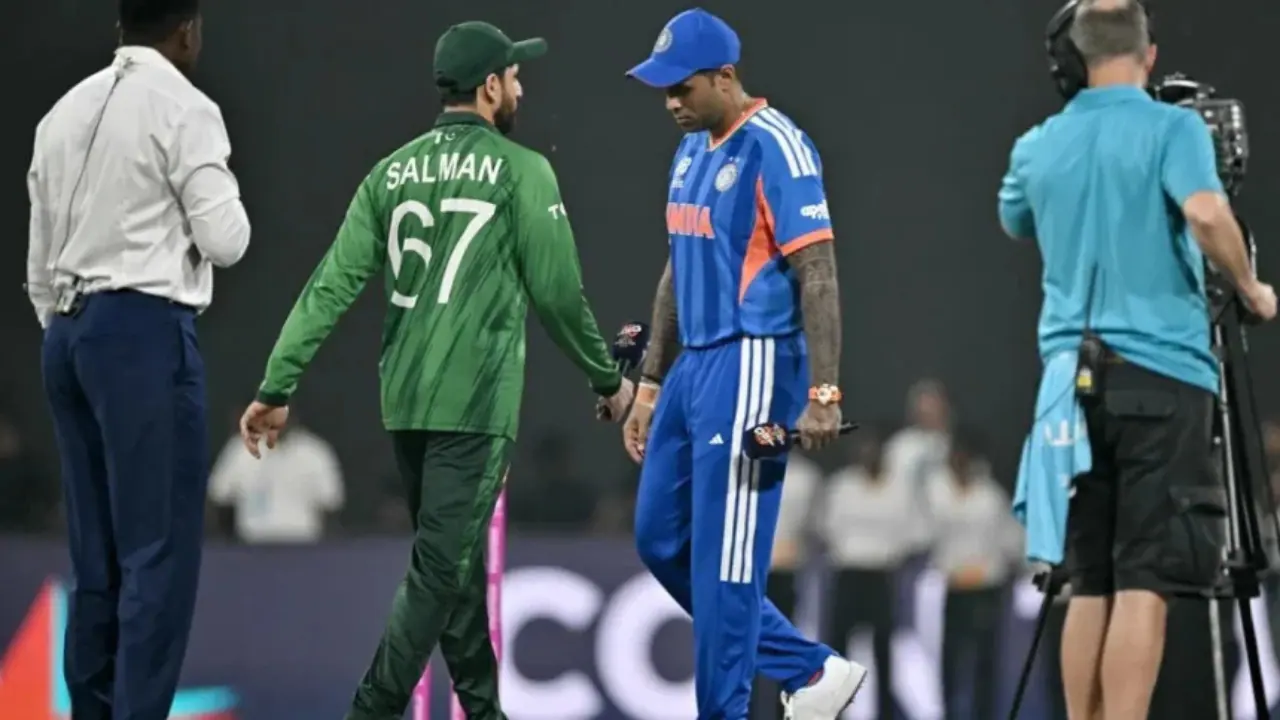
Indian Athletes Given Freedom to Decide on Handshakes at 2026 Commonwealth Games
Indian athletes participating in the upcoming 2026 Commonwealth Games in Glasgow have been granted the freedom to choose whether or not to shake hands or exchange greetings with Pakistani athletes. However, Indian sports officials have made it clear that athletes should refrain from accepting gifts or presents from their Pakistani counterparts during the event.
Key Matchups at the Commonwealth Games
With several India-Pakistan contests scheduled at the Commonwealth Games, one of the most anticipated matchups is the men’s javelin throw showdown between Neeraj Chopra and Arshad Nadeem. Additionally, in boxing, fans can look forward to Jadumani Singh Mandengbam facing off against Sumama Rehman in the men’s quarterfinals.
Respecting Individual Choices
The decision to allow Indian athletes to decide on interactions with Pakistani athletes comes in the context of the diverse sports and national federations participating in the Commonwealth Games. According to The Times of India, Indian officials have opted to leave the choice of handshakes to the athletes and their respective federations.
Athletes from various countries are currently housed in the same accommodation zones. Notably, defending Commonwealth Games champion Arshad Nadeem and Indian Olympic champion Neeraj Chopra are both staying in Zone 3 hotel ahead of their highly anticipated javelin event.
Varying Approaches in Different Sports
Individual sports have adopted different stances on interactions between Indian and Pakistani athletes. While lawn bowls officials have deemed handshakes, high-fives, and other on-field greetings with Pakistani opponents as acceptable, several other national federations have indicated that they have not received any official instructions banning such interactions.
Despite this, Indian athletes have been advised against accepting gifts or presents from their Pakistani counterparts during the Commonwealth Games in Glasgow.
Background on India’s ‘No-Handshake’ Policy with Pakistan
The strained sporting ties between India and Pakistan date back to the Pahalgam terrorist attack, after which the Indian cricket team adopted a no-handshake policy with Pakistani players before and after matches across senior and age-group cricket.
This policy was first implemented during the Asia Cup 2025 and has since been observed in various ICC events, including the T20 World Cup and the Champions Trophy. While bilateral cricket between the two nations remains suspended, India and Pakistan continue to meet in multinational tournaments due to the schedules set by the ICC and ACC.
Historical Cricket Rivalry between India and Pakistan
The India-Pakistan cricket rivalry is one of the fiercest in the world, with a rich history dating back to their first Test match in 1952. Over the years, the two teams have played a total of 212 international matches across all formats, with Pakistan holding a slight lead with 88 wins compared to India’s 81 victories.
While Pakistan leads the head-to-head record in Tests and ODIs, India has dominated in T20 Internationals. Notably, India holds an 8-0 advantage over Pakistan in Men’s ODI World Cup matches and an 8-1 lead in Men’s T20 World Cup encounters.
The rivalry has produced many iconic moments, cementing its status as one of the most intense and storied matchups in cricket history.
Implications of Individual Choices
By allowing Indian athletes to make their own decisions regarding interactions with Pakistani athletes at the 2026 Commonwealth Games, sports officials are acknowledging the complexities of international relations and the significance of individual autonomy. This move not only respects the athletes’ personal preferences but also highlights the nuanced diplomatic considerations at play during sporting events involving rival nations.
With tensions often running high between India and Pakistan, particularly in the realm of sports, giving athletes the freedom to choose their gestures towards their counterparts can serve as a small step towards promoting sportsmanship and mutual respect. It also underscores the idea that sports can transcend political differences and foster camaraderie among competitors on a global stage.
Cultural Sensitivities and Sporting Etiquette
While the decision to allow handshakes or greetings between Indian and Pakistani athletes is a gesture of goodwill, the caution against accepting gifts or presents reflects a sensitivity towards potential diplomatic sensitivities. In many cultures, gift-giving can carry significant symbolic weight and may inadvertently lead to misunderstandings or misinterpretations.
By providing clear guidelines on acceptable behaviors, sports officials are aiming to mitigate any potential controversies that could arise during the Commonwealth Games. This proactive approach not only ensures a smooth and respectful sporting environment but also underscores the importance of upholding sporting etiquette and decorum amidst competitive matchups.
Unity and Diversity in Sports
The diverse range of sports and national federations participating in the Commonwealth Games highlights the unity and inclusivity of the sporting community. Athletes from various backgrounds, representing different nations, come together to showcase their talents and compete in a spirit of sportsmanship and fair play.
While rivalries and tensions may exist between certain countries, the overarching principle of unity through sports remains a powerful force for promoting understanding and cooperation. The Commonwealth Games serve as a platform for athletes to transcend political divides and cultural differences, emphasizing the shared passion for sport that unites individuals from around the world.
Looking Ahead
As the 2026 Commonwealth Games approach, the spotlight will be on the performances of athletes from India, Pakistan, and other participating nations. Beyond the competitive matchups and rivalries, the event presents an opportunity for athletes to demonstrate sportsmanship, respect, and unity on a global stage.
By giving Indian athletes the freedom to decide on their interactions with Pakistani counterparts, sports officials are acknowledging the complexities of international relations and the individual agency of athletes in navigating such sensitivities. The Commonwealth Games will not only showcase sporting excellence but also serve as a testament to the power of sports in fostering connections and bridging divides.
Latest News
Top 10 highest run-chases in T20 cricket history, ft. West Indies’ Ranchi win vs India
Aaryavir Sehwag and Anvay Dravid set to make headlines at U19 Asia Cup 2026
Longest ducks in Test cricket history ft. Nic Maddinson, Shoaib Akhtar
ECB to offer 39 central contracts to England players after Ben Stokes, Mark Wood’s retirement
Steve Smith surpasses Steve Waugh in all-time Test run-scorers’ list
Shane Watson identifies Gautam Gambhir’s biggest problem as India struggle for consistency
Is Bhuvneshwar Kumar in India’s 2027 World Cup plans? Ajinkya Rahane makes revelation
BCCI’s big ₹127 Crore move after injury crisis raises concerns over Team India
Parthiv Patel reveals RCB ignored his Jasprit Bumrah recommendation in IPL 2014 Auction
“Never spoke ill of any faith”: Irfan Pathan hits back at fake news using his name
Nic Maddinson bags 33-ball duck on Test comeback, disappoints George Bailey
Imran Tahir predicts 2027 ICC ODI World Cup Semi-Finalists, snubs India for title
Australia create unwanted history with first all-30-plus Test XI
Ravindra Jadeja returns to Ranji Trophy as Saurashtra announce squad