

“Don’t understand why”: Madan Lal questions Rishabh Pant’s absence in ODIs and T20Is
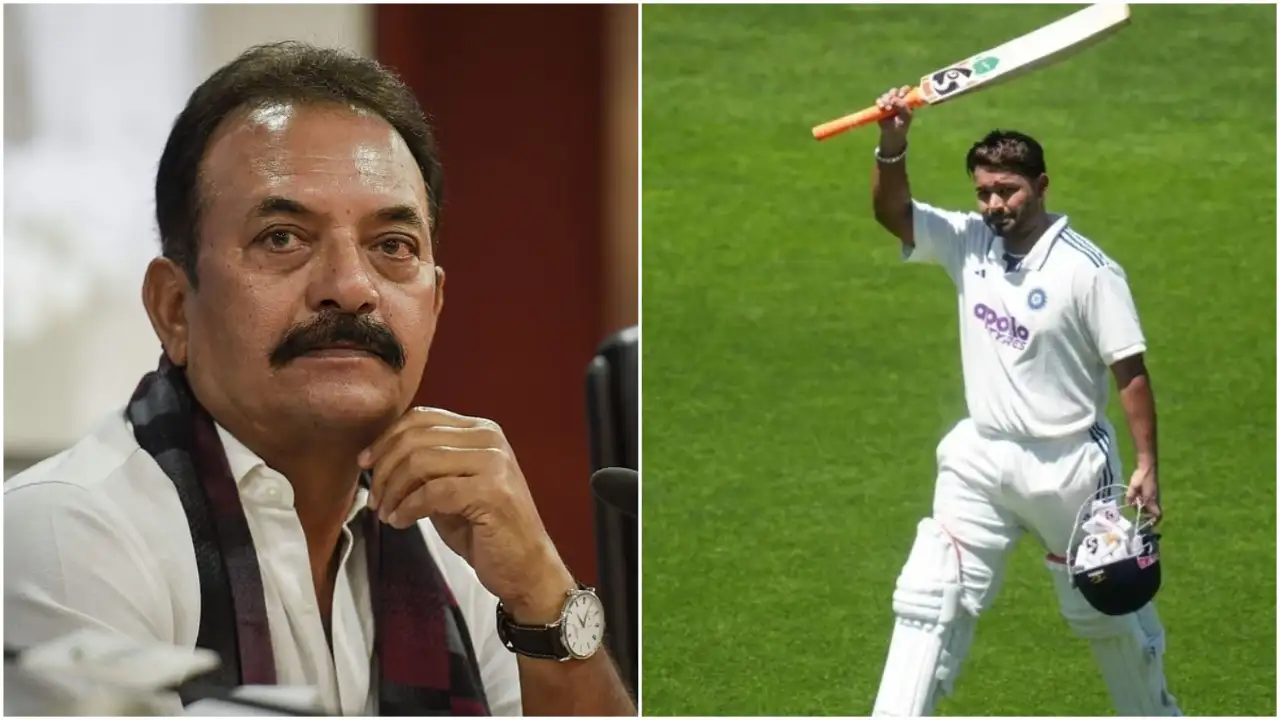
Madan Lal Questions Rishabh Pant’s Absence from India’s White-Ball Plans
Rishabh Pant’s commanding century in the first Test between India and New Zealand has renewed debate over his place in the national team’s one-day international and T20I setups. Former India all-rounder and 1983 World Cup winner Madan Lal believes the wicketkeeper-batter’s ability is too valuable to leave out, particularly with the 2027 ODI World Cup on the horizon.
Pant made his case with the bat in Wellington, scoring 128 from 153 deliveries as India built a formidable first-innings total before declaring. His innings featured ten fours and six sixes, combining measured shot selection with the attacking instinct that has made him one of India’s most distinctive batters.
Speaking to news agency ANI after the match, Lal questioned why Pant had not been included in India’s recent white-ball squads. The former player and coach acknowledged that selection decisions can involve several considerations, including fitness and team balance, but argued that a cricketer of Pant’s calibre should remain in contention.
Why Madan Lal wants Pant considered for the 2027 ODI World Cup
Pant last played an ODI for India in August 2024 and last appeared in a T20I in July of the same year. His absence from both formats has prompted discussion about the team’s long-term plans, especially as India begins shaping its squad for the next global one-day tournament.
“I honestly don’t understand why he has been left out of India’s T20 and ODI setups, whether it is the selectors’ decision or otherwise,” Lal said. He added that fitness concerns may have played a role at some stage, but cautioned against allowing those concerns to overshadow Pant’s talent and match-winning potential.
Lal’s prediction is clear: India should keep Pant in the conversation for the 2027 ODI World Cup rather than risk overlooking a player capable of changing the course of a match. That does not necessarily mean an automatic place in every squad. Instead, it highlights the value of giving Pant opportunities to demonstrate his readiness and build consistency in the formats where he has not featured recently.
For India, the challenge is to balance proven performers, emerging options and specialist roles. Pant’s ability to bat in the middle order and contribute as a wicketkeeper gives selectors flexibility. His aggressive approach can also help a side shift momentum quickly—a quality that can be especially important in limited-overs cricket when a chase or innings needs a rapid change of pace.
A century that showcased Pant’s range
Pant’s Wellington innings was notable not only for its scoring rate but also for its control. He reached 128 from 153 balls, striking ten boundaries and clearing the rope six times. The innings demonstrated his capacity to attack without abandoning the discipline required in a Test match.
That blend of patience and boldness is central to Lal’s assessment. He described Pant as a confident cricketer who trusts his natural game, particularly in Test cricket, and said he had rarely seen the batter go through an extended struggle for form. Pant’s approach can be unconventional, but his willingness to take calculated risks has repeatedly made him a difficult opponent for bowlers.
The distinction between Test and white-ball cricket remains important, however. Strong performances in one format do not automatically guarantee success in another, and India’s selectors will need to consider Pant’s recent match exposure, fitness and role within the team. Still, a substantial Test century offers a timely reminder of his ability to make a major contribution when given the opportunity.
Siraj’s omission also draws criticism
Lal also questioned India’s decision to leave fast bowler Mohammed Siraj out of the first Test against New Zealand. He urged the team management to consider bringing the experienced seamer back into the playing XI for the second Test, which was scheduled to begin on Friday.
According to Lal, Siraj’s height and ability to hit the pitch hard could make him particularly effective in New Zealand conditions. A bowler who generates extra bounce can challenge batters with deliveries that rise sharply, while sustained pressure from the fast bowlers may create opportunities for edges and mistimed shots.
“I also feel India missed Mohammed Siraj in this match, regardless of what the team management might say. He should definitely be brought back into the playing XI for the next match,” Lal said. He added that Siraj’s ability to extract bounce would have suited a surface offering assistance to fast bowlers.
Siraj’s possible return would give India another experienced pace option, but the final combination would depend on the pitch, workload and the balance of the attack. Conditions can change from one venue to another, making selection a matter of weighing individual strengths against the demands of the surface.
Selection questions continue after the Wellington draw
The first Test ended in a draw after India declared at 720 for nine, with Pant’s century among the innings’ standout contributions. While the result did not settle every question about India’s team combination, it gave Lal an opportunity to raise two broader selection issues: whether Pant should return to white-ball cricket and whether Siraj should feature in the next Test.
Both debates point to the same challenge for India’s management: identifying the right players for each format while planning beyond the immediate fixture. Pant brings an attacking middle-order option and wicketkeeping skills, while Siraj offers pace, experience and the ability to exploit bounce. Their inclusion will ultimately depend on form, fitness and team strategy, but Lal’s comments have renewed attention on the choices facing the selectors.
For Pant, the Wellington hundred strengthens the case for continued consideration, even if it does not decide his white-ball future on its own. As preparations for the 2027 ODI World Cup develop, his performances, availability and adaptability will remain central to the discussion over whether India should restore him to its limited-overs plans.
Latest News
ICC rejects England’s request to change WTC slow over-rate penalties
IPL 2027: LSG, PBKS set to battle for England pacer Sonny Baker in mini-auction
“Don’t understand why”: Madan Lal questions Rishabh Pant’s absence in ODIs and T20Is
Aakash Chopra points out why Ravindra Jadeja is a better bowler than Washington Sundar
PSL 2027: Peshawar gets historic first match as PCB confirms six host cities
“Keep fighting”: Daryl Mitchell highlights New Zealand’s team spirit ahead of 2nd Test
Kamindu Mendis to skip IPL 2027, remains open to franchise cricket
Aakash Chopra backs Shubman Gill to continue as India Test captain despite WTC setback
India’s nemesis chooses PSL over IPL, joins Islamabad United for PKR 7.07 crore
ICC unwilling to reconsider saliva ban despite India’s concerns after Wellington Test

SA vs BAN Playing 11 Today, Live Streaming, Pitch & Weather: South Africa tour of Bangladesh 2026, 2nd Test

AUS vs ENG Playing 11 Today, Live Streaming, Pitch & Weather: England tour of Australia 2026, 2nd T20I

Blair Tickner ruled out of 2nd Test vs India, replacement named

Tim Paine and Justin Langer face fresh questions over Australia’s ball-tampering scandal


