Sanjay Govil eyes Melbourne Renegades and Hobart Hurricanes, but refuses to enter BBL bidding war
Sanjay Govil explores Big Bash League investment as global T20 ambitions grow
American technology entrepreneur Sanjay Govil is considering a major expansion of his cricket portfolio, with a potential investment in Australia’s Big Bash League (BBL) among the opportunities on his radar. Govil is interested in acquiring either a 50 per cent stake or full ownership of a BBL franchise as he builds a network of T20 teams across several countries.
The move would add an Australian club to a portfolio that already includes Washington Freedom in Major League Cricket (MLC) and an investment in Welsh Fire, one of the teams in England’s The Hundred. Govil’s interest comes as Cricket Australia begins opening the privately owned BBL to outside investors, creating a new chapter for the competition and its clubs.
While the Melbourne Renegades have attracted his attention, Govil is also considering the Hobart Hurricanes. He says he wants to invest where he can make a meaningful contribution—and is not prepared to pursue a club at any price. His approach offers a glimpse into how prospective owners may weigh brand value, sporting performance, local connections and long-term infrastructure when assessing a BBL opportunity.
Melbourne Renegades enter the BBL sale process
Cricket Australia approved the privatisation of the Big Bash League after months of discussion, setting the stage for investors to take ownership stakes in the competition’s clubs. The first phase of the Melbourne Renegades’ sale process is now under way, with Cricket Australia, Cricket Victoria and financial adviser Raine Group inviting expressions of interest from potential buyers.
An outright purchase would give an investor control of the club and its operations, while a partial stake would allow ownership to be shared. The process is expected to attract interest from established sports investors, including owners linked to Indian Premier League franchises. Organisers are aiming to identify a preferred buyer before the 2026–27 BBL season begins on December 12.
Govil has confirmed that the Renegades are under consideration, but he is realistic about the competition for a high-profile Australian sports asset. He has indicated that he will not let the prospect of a bidding contest push him beyond what makes sense for his business.
“I’m interested in the Renegades; it’s on the radar. But I think there are going to be a lot of big players who will be interested. I need to focus on what I am capable of doing. I don’t want to get into a bidding war,” Govil said, according to ESPNcricinfo.
That position could be significant as the BBL sale process develops. A buyer’s decision is unlikely to rest on the team’s playing record alone. Commercial opportunities, stadium arrangements, the club’s supporter base and the ability to grow its presence in the Melbourne market may all influence a final valuation.
Why the Hobart Hurricanes appeal to Govil
The Renegades are not Govil’s only option. He has also expressed interest in the Hobart Hurricanes, whose scale and existing cricket connections may suit his investment strategy. The Hurricanes have links to Washington Freedom through several players, while Ricky Ponting provides a prominent connection between the two organisations.
Ponting has coached Washington Freedom for the past three seasons and also serves as the Hurricanes’ head of strategy. His standing in Tasmania gives him a strong connection to the club and the region, although Govil’s interest appears to extend beyond any individual relationship. He sees a smaller franchise as a place where an owner may have greater scope to influence its development.
Govil has described Welsh Fire and Washington Freedom as examples of the type of team he enjoys building. In his view, pursuing a smaller club can offer a different balance from competing for one of the biggest and most expensive sports properties.
“That’s our size of team. If you look at Welsh Fire and Freedom, we have sort of smaller franchises compared to others. There are the big boys who want to go after the big teams. I love Hobart; they are a winning team. We can make more impact in those teams,” he said.
The Hurricanes’ recent success could also strengthen their appeal. A winning club can help attract supporters and commercial partners, while an owner with experience across different T20 competitions may be able to share ideas on marketing, fan engagement and team development. Any such opportunity, however, would need to be assessed against the realities of the Australian market and the club’s financial structure.
Proposed Hobart stadium adds another investment dimension
A potential BBL purchase could also connect Govil to a much larger infrastructure plan. Cricket Tasmania is backing proposals for a billion-dollar, enclosed-roof stadium intended to become the Hurricanes’ home ground from 2031. The project is designed to provide a modern venue and could broaden Tasmania’s capacity to host major sporting and entertainment events.
For a prospective owner, a new stadium may offer long-term opportunities through ticketing, hospitality, sponsorship and other events. It may also help strengthen a club’s identity and create a more reliable home venue. At the same time, projects of this scale involve complex funding, construction and operating questions, making a detailed financial assessment essential.
Govil has said he would be interested in the stadium project but would first need to examine its economics. His comments suggest that enthusiasm for the concept would not replace the due diligence required before committing capital.
“I absolutely would be interested. Would have to look at the economics and all that stuff, but I’m all for making sure that we have the best facilities,” he said.
The stadium proposal also reflects a wider trend in sports investment: buyers increasingly consider the venue and surrounding commercial ecosystem alongside the team itself. For a BBL franchise, the quality of facilities could shape the match-day experience, help attract players and support the growth of the competition’s audience.
Washington Freedom project reflects Govil’s long-term approach
Govil is already investing in cricket infrastructure in the United States. He is funding a new ground for Washington Freedom in Frederick, Maryland, a project expected to cost tens of millions of dollars and potentially be ready for the 2027 MLC season.
The development signals that his interest is not limited to buying team stakes. Building venues can require sustained investment, but it can also give a franchise greater control over its facilities and create a foundation for future growth. Govil’s experience with Washington Freedom may therefore inform how he evaluates the Hurricanes and any potential stadium involvement in Tasmania.
For the BBL, the entry of international investors could bring fresh capital and expertise, while also raising questions about how clubs preserve their local identity. The most successful ownership model may be one that combines global commercial knowledge with a clear understanding of the communities that support each team.
Govil’s prediction: live sport will retain its value in the AI era
Govil’s broader case for sports ownership is rooted in the belief that live sport offers something technology cannot easily reproduce. As artificial intelligence transforms industries and investment priorities, he sees teams as a way to diversify his business interests while backing an experience built around competition, shared emotion and community.
“Sport is something that AI cannot replace in the future. It’s a great asset. It’s a great diversification asset. It’s fun. It’s sports. It’s teamwork. It encompasses everything that people enjoy. To me, the BBL is probably the number two T20 league in the world. I think it’s a great opportunity to get into,” he said.
Born in Montreal and raised in India before building his fortune in the United States, Govil brings an international perspective to a league with a strong Australian identity. His prediction that sport will remain valuable despite rapid advances in AI reflects a wider investor view: technology may change how fans follow games, but the attraction of watching teams compete together in real time is likely to endure.
Whether Govil ultimately pursues the Renegades, the Hurricanes or another opportunity will depend on the sale process and the financial case for each option. For now, his interest highlights the growing global appeal of the BBL—and the potential for new ownership to reshape the league’s future.
Latest News
Kavya Maran to marry Anirudh Ravichander in November, PM Modi and Vijay invited
Eoin Morgan, Aaron Finch among 5 famous candidates for Mumbai Indians head coach role

Kagiso Rabada, Anrich Nortje fully fit and available for 2nd Test vs Australia
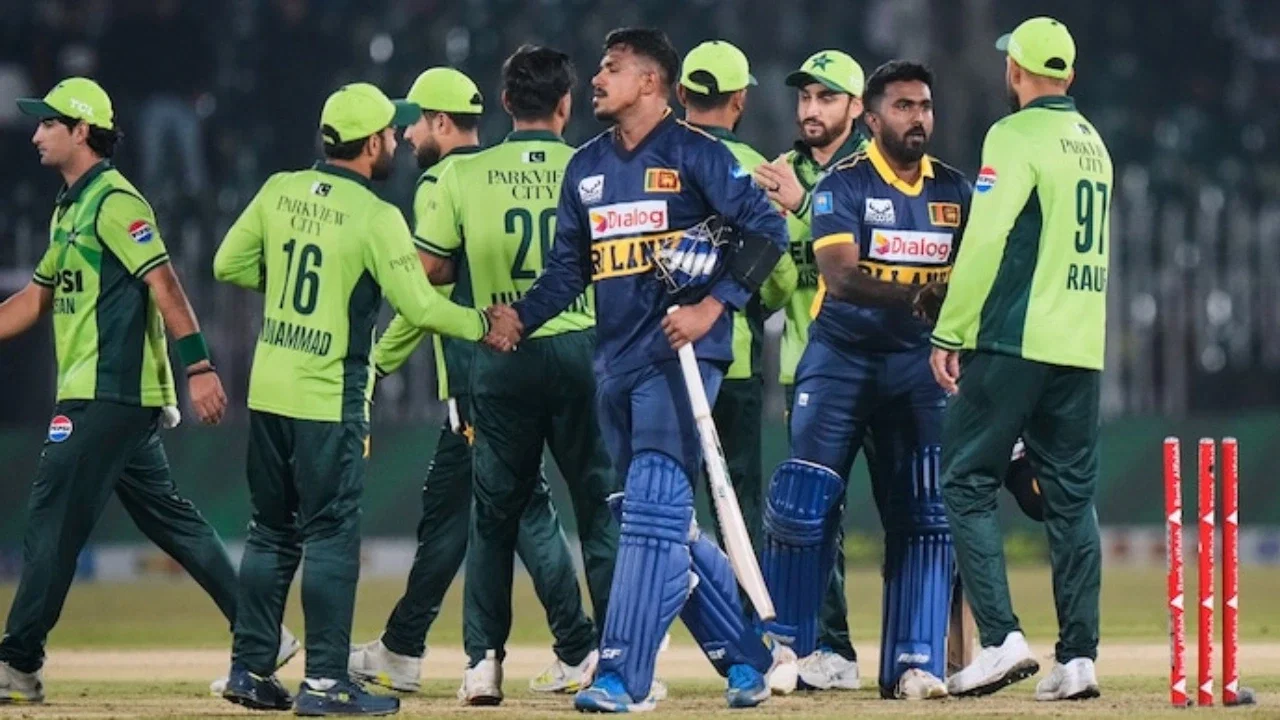
PAK vs SL Playing 11 Today, Live Streaming, Pitch & Weather: Pakistan vs Sri Lanka 1st ODI, Tri-Series 2026
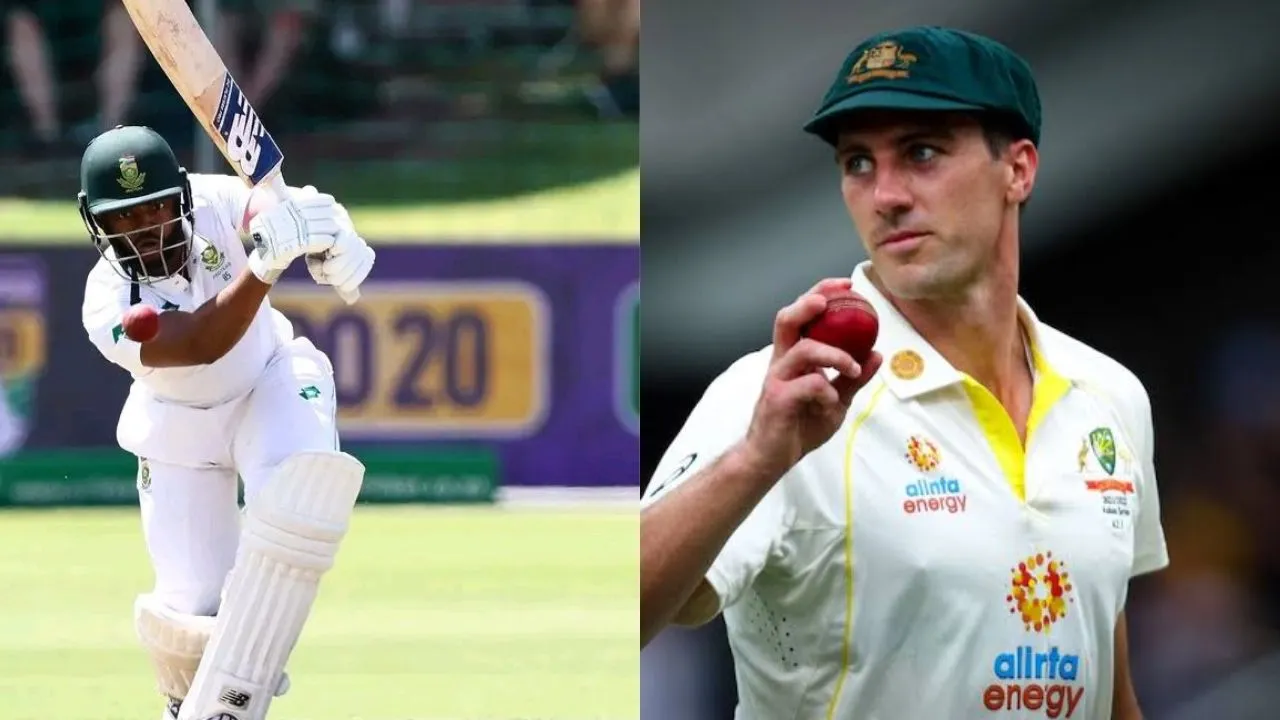
SA vs AUS Playing 11 Today, Live Streaming, Pitch & Weather: South Africa vs Australia 2nd Test 2026
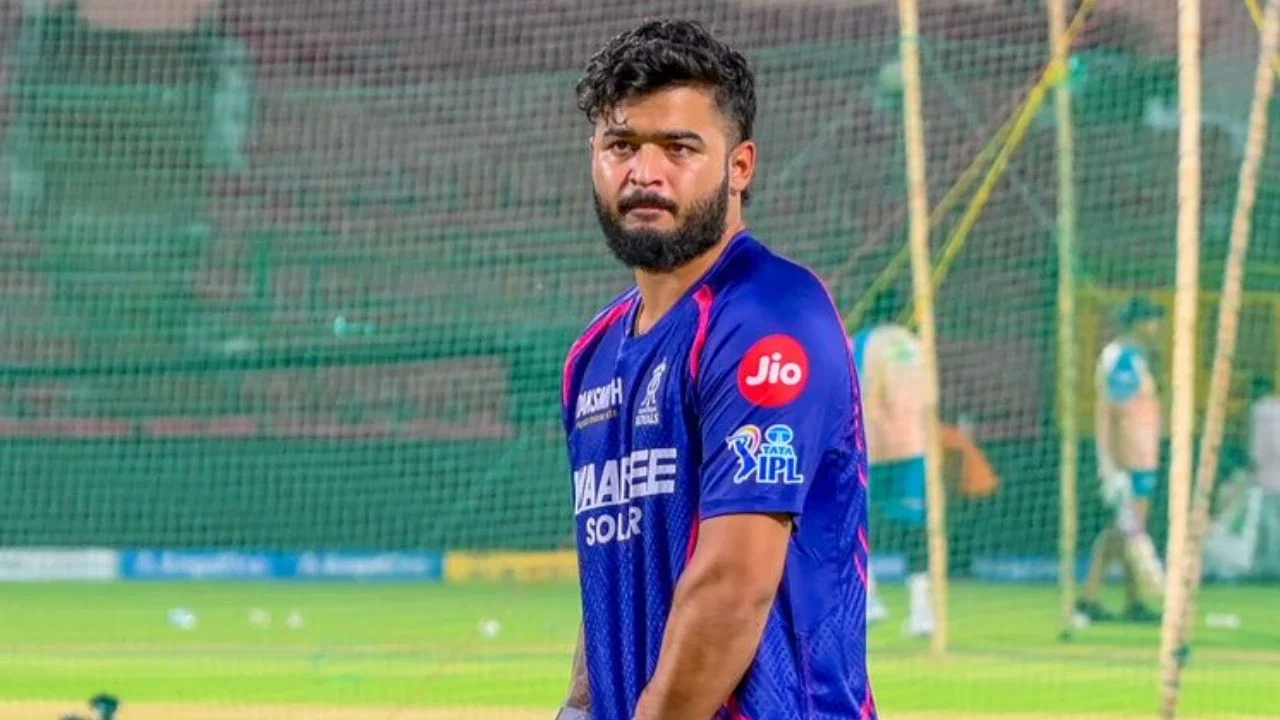
Riyan Parag begins training at CoE ahead of 2027 ODI World Cup
Sanjay Govil eyes Melbourne Renegades and Hobart Hurricanes, but refuses to enter BBL bidding war
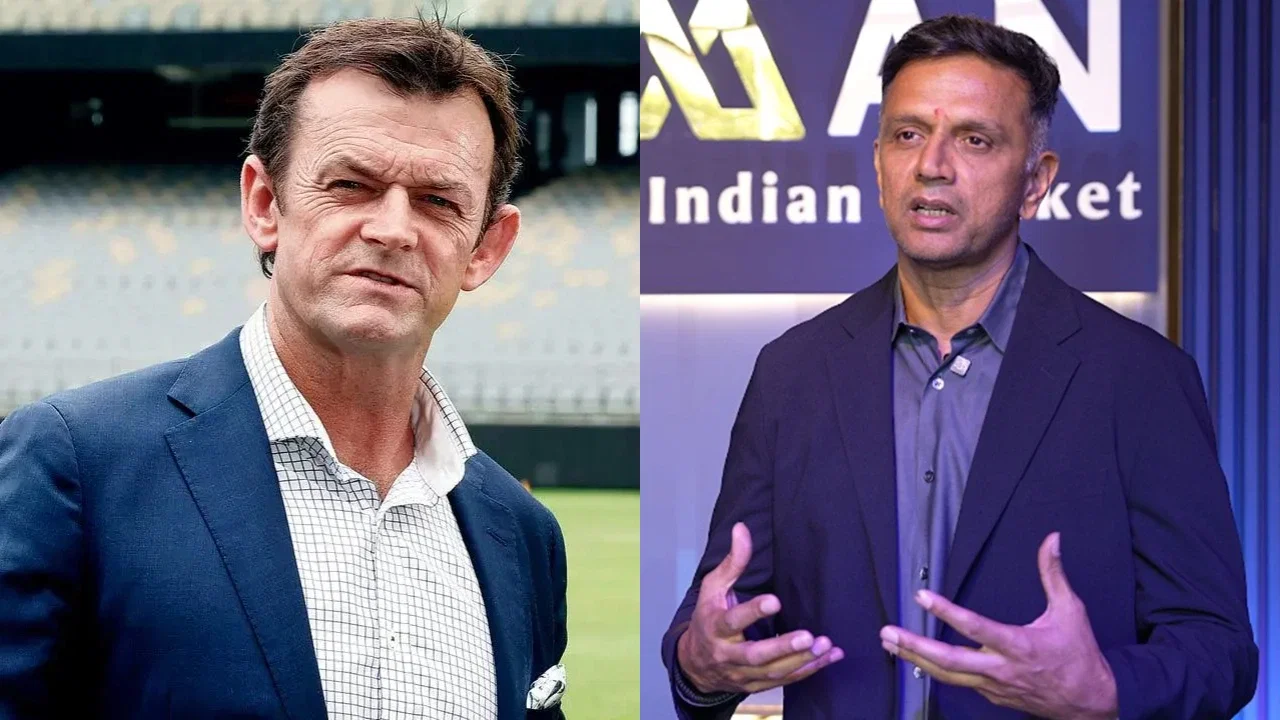
Rahul Dravid, Adam Gilchrist reject Mumbai Indians head coach job
Ravindra Jadeja denied Rohit-Kohli treatment, dropped from India’s 2027 World Cup plans
Ravichandran Ashwin accuses BCCI selectors of ruining Yashasvi Jaiswal
Pakistan players want Category C deals as PCB set to revamp Central Contracts
Ramesh Powar set to replace Ajit Agarkar, Dodda Ganesh in line for junior selection committee role
Bhuvneshwar Kumar replaced by GT pacer after India recall, Krunal Pandya named captain
Shubman Gill to pay for 4-5 personal net bowlers in NZ, face Chhattisgarh in Ranji Trophy