Pakistan players want Category C deals as PCB set to revamp Central Contracts
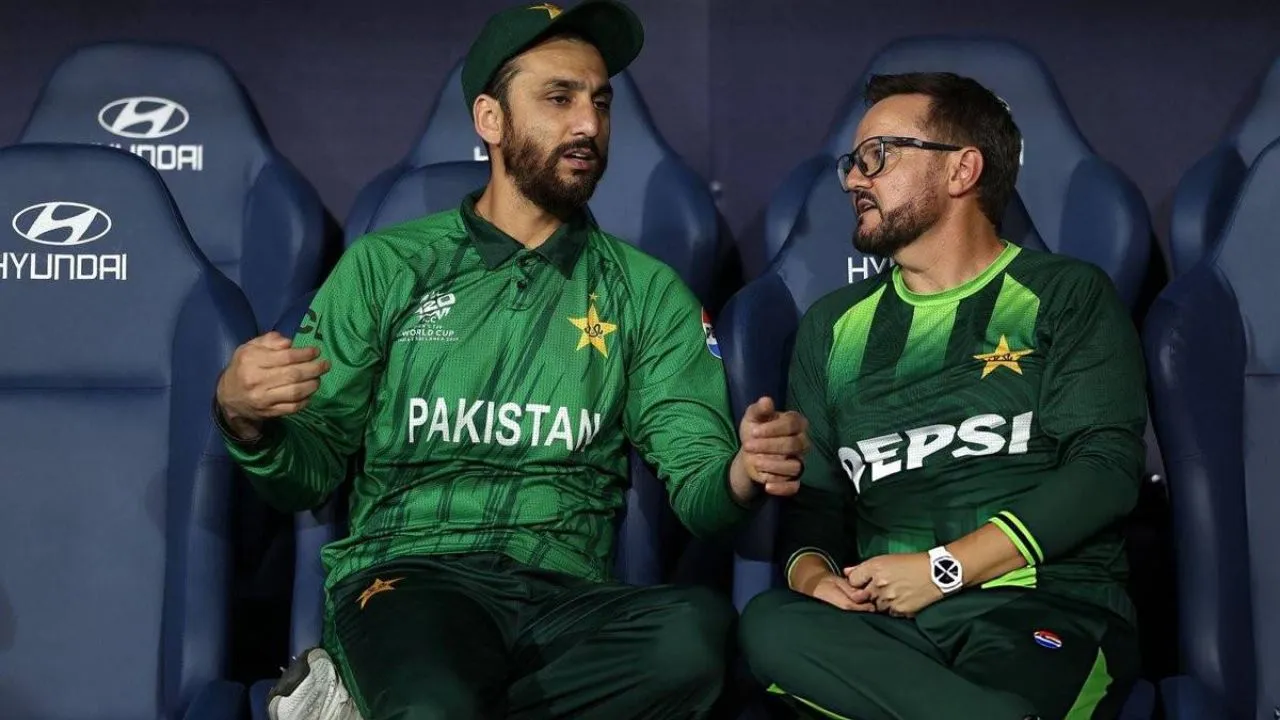
Pakistan Cricketers Eye Category C Contracts as PCB Considers Overhaul
Several Pakistan cricketers are reportedly interested in signing Category C central contracts as the Pakistan Cricket Board (PCB) prepares to reshape its player-contract system. The proposed changes could offer players greater flexibility to compete in overseas leagues while remaining eligible for national selection—a balance that has become increasingly important in a crowded international cricket calendar.
Rather than relying primarily on seniority, the PCB is expected to assess players according to recent performances, their roles in the team and the formats in which they are likely to contribute. The final contract categories have not yet been confirmed, with head coach Mike Hesson and the national selectors reportedly keen to review performances in upcoming international fixtures and domestic first-class cricket before making recommendations.
Why Category C Contracts Could Appeal to Players
The main attraction of a Category C deal is reportedly the potential freedom to play in overseas leagues without needing a separate No Objection Certificate (NOC) from the PCB for each opportunity. Under the proposed arrangement, contracted players would still be expected to remain available for Pakistan when selected, but could have more room to pursue franchise cricket around their national commitments.
That flexibility could matter to players seeking regular match practice, international exposure and additional professional opportunities. Overseas leagues can provide experience in different conditions and team environments, while also helping players develop specialist skills in formats such as T20 cricket. For the PCB, a more flexible structure may help retain players within its contract system while recognising the realities of modern professional cricket.
However, the exact terms remain unclear. The board has yet to formally confirm which players will receive Category C contracts, how league participation will be managed, or whether any restrictions will apply during international windows. Until an official announcement is made, reports about NOCs and player availability should be treated as details of a proposed system rather than final policy.
Performance and Role Expected to Shape Contract Decisions
According to reports cited by PTI and Pakistani journalists, the PCB wants to evaluate players across both international and domestic cricket before finalising the new contract list. The assessment could include Pakistan’s home international matches as well as the ongoing first-class season, giving selectors a broader view of form, fitness and consistency.
A source familiar with the discussions said that Hesson and the selectors wanted to examine performances in the current international programme and domestic competitions before reaching a decision. That approach suggests the board is considering a more role-based model, in which contracts reflect what a player is expected to deliver rather than simply how long they have been part of the national setup.
The reported plan could also divide players into specialist groups for Test cricket, T20 cricket and white-ball cricket, which includes both One-Day Internationals (ODIs) and T20 Internationals (T20Is). Such a structure may allow the PCB to distinguish between players who are central to one format and those who are regular contributors across several. It could also support clearer planning around workload, availability and succession in each team.
Contract Announcement May Come After November Tests
The timing of the new contracts remains uncertain. Pakistan’s previous central contracts expired on July 31, and the PCB typically announces its annual list around August. This time, however, the board may wait until Pakistan completes a two-match Test series against Sri Lanka in November 2026 before confirming the next group of deals.
Reports indicate that any new contracts could be applied retrospectively from the date the previous agreements expired. If that happens, players may receive contracts covering the period beginning August 1, even if the official announcement arrives later in the year. The PCB has not publicly confirmed the final timetable, so players and supporters will be watching for an update from the board.
Pakistan Prepare for ODI Tri-Series Against Sri Lanka and England
The contract review is unfolding as Pakistan prepare to host an ODI tri-series featuring Sri Lanka and England from October 18 to 31. Matches are scheduled for Rawalpindi and Lahore, with seven games in total, including the final. Each team is expected to face the other two sides twice during the competition.
Pakistan will meet Sri Lanka in the opening match at Rawalpindi Cricket Stadium. The fixture gives both teams an early opportunity to set the tone in a tournament that could offer selectors valuable evidence when assessing players for the new contract structure.
Pakistan enter the ODI series after beating Sri Lanka 2–1 in a recent home T20I series. That result may provide confidence, but the shift to the 50-over format brings different demands, including longer innings, varied bowling plans and greater emphasis on partnerships. Sri Lanka will be looking to respond, while England’s presence adds another strong opponent and a useful test of Pakistan’s depth.
A Key Period for Pakistan’s Players and Selection Plans
The coming weeks could therefore influence more than the outcome of the tri-series. Strong performances in the ODIs, combined with form in domestic first-class cricket, may help players strengthen their case for a particular contract category. For emerging cricketers, the proposed performance-based system could create a clearer route into the national setup; for established players, it may place renewed emphasis on current contribution.
For fans, the central question is whether the PCB can create a contract model that supports both national cricket and players’ professional ambitions. A well-defined Category C option could offer greater flexibility, but its success will depend on clear rules around league participation, national availability and selection. Until the PCB publishes the final framework, the contract overhaul remains a developing story—and any prediction about who will benefit most should be viewed cautiously.
Latest News
Ravindra Jadeja denied Rohit-Kohli treatment, dropped from India’s 2027 World Cup plans
Ravichandran Ashwin accuses BCCI selectors of ruining Yashasvi Jaiswal
Pakistan players want Category C deals as PCB set to revamp Central Contracts
Ramesh Powar set to replace Ajit Agarkar, Dodda Ganesh in line for junior selection committee role

Bhuvneshwar Kumar replaced by GT pacer after India recall, Krunal Pandya named captain
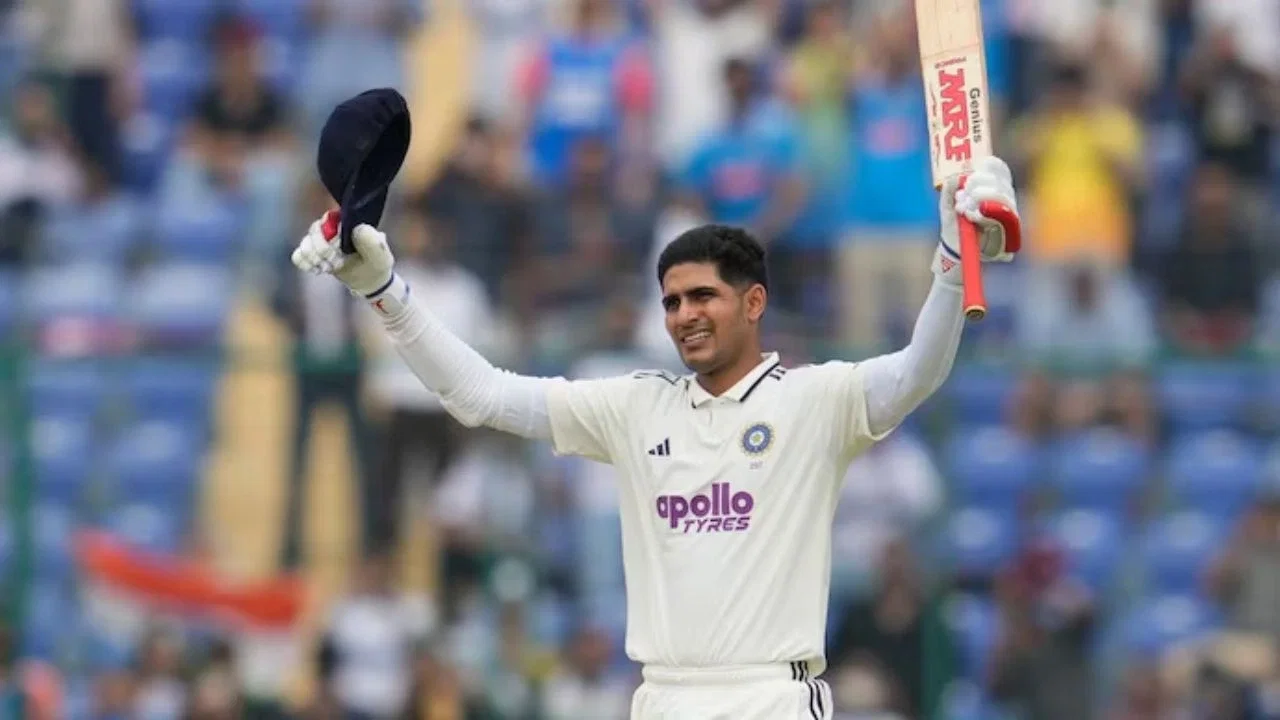
Shubman Gill to pay for 4-5 personal net bowlers in NZ, face Chhattisgarh in Ranji Trophy
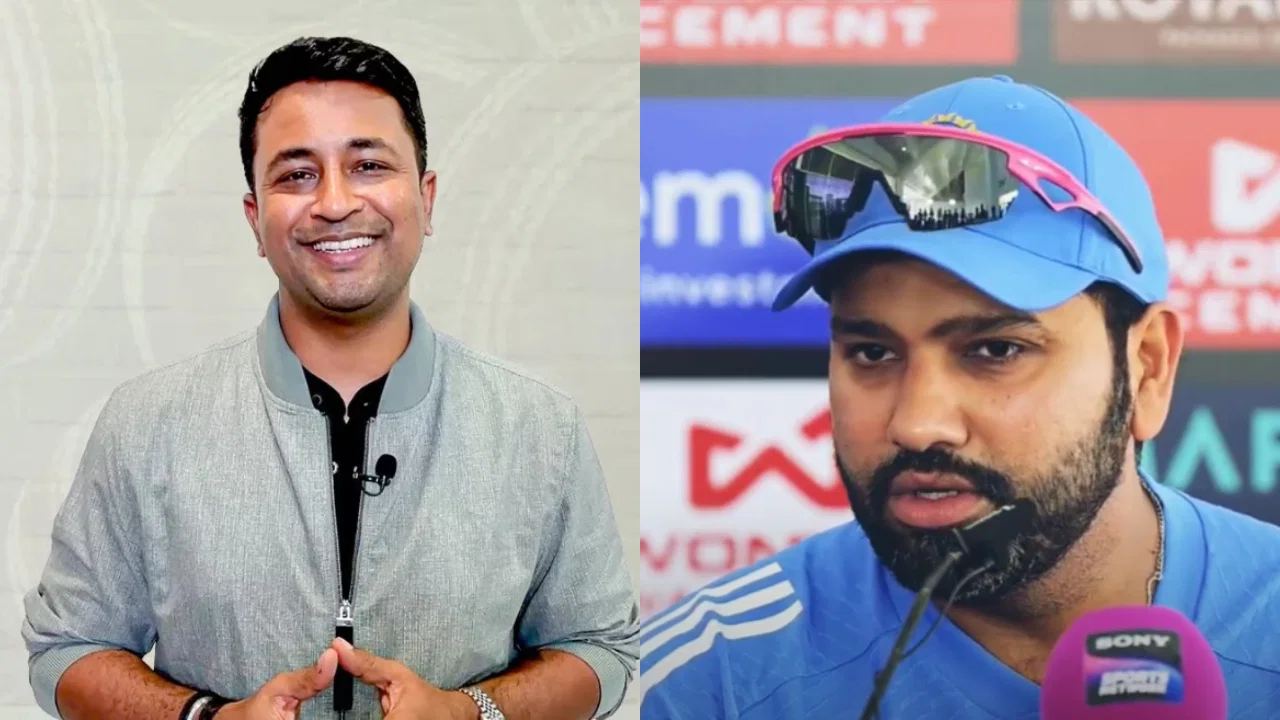
BCCI grills selector candidates on Rohit Sharma’s future and Vaibhav Sooryavanshi’s situation
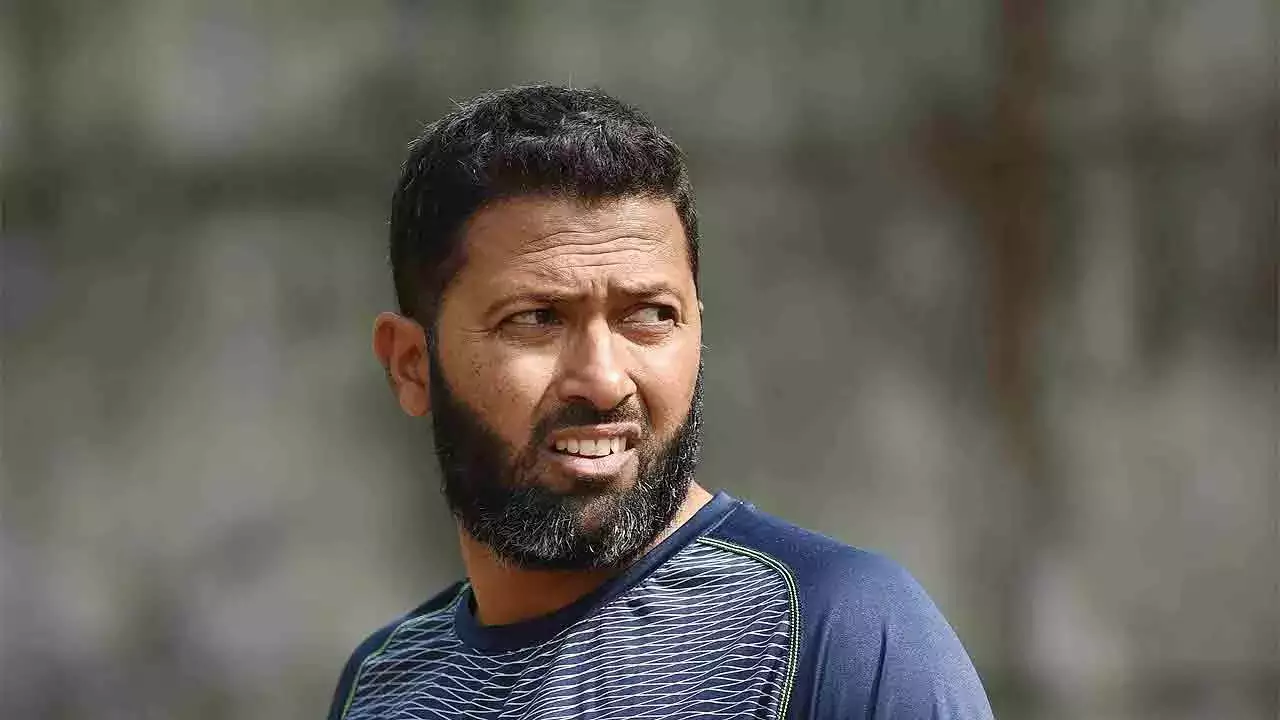
Wasim Jaffer in line to replace Ajit Agarkar as BCCI chief selector
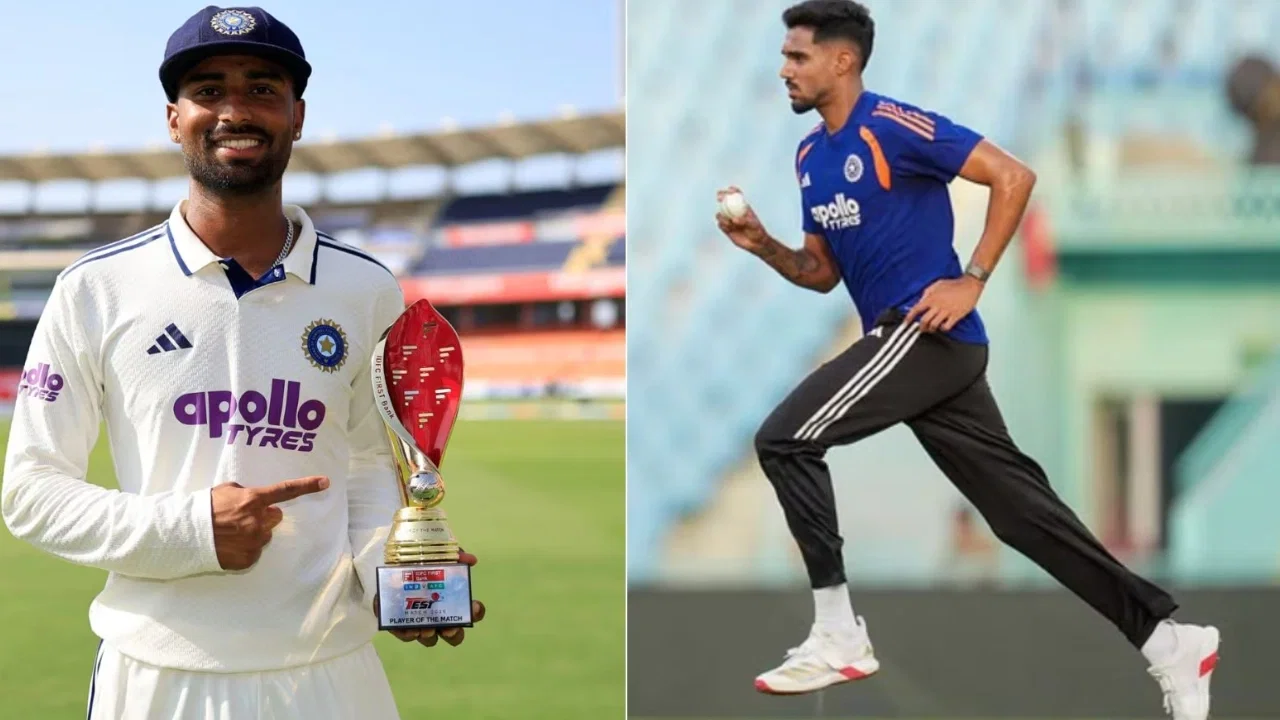
Why Gurnoor Brar, Manav Suthar were left out of India’s New Zealand Test squad
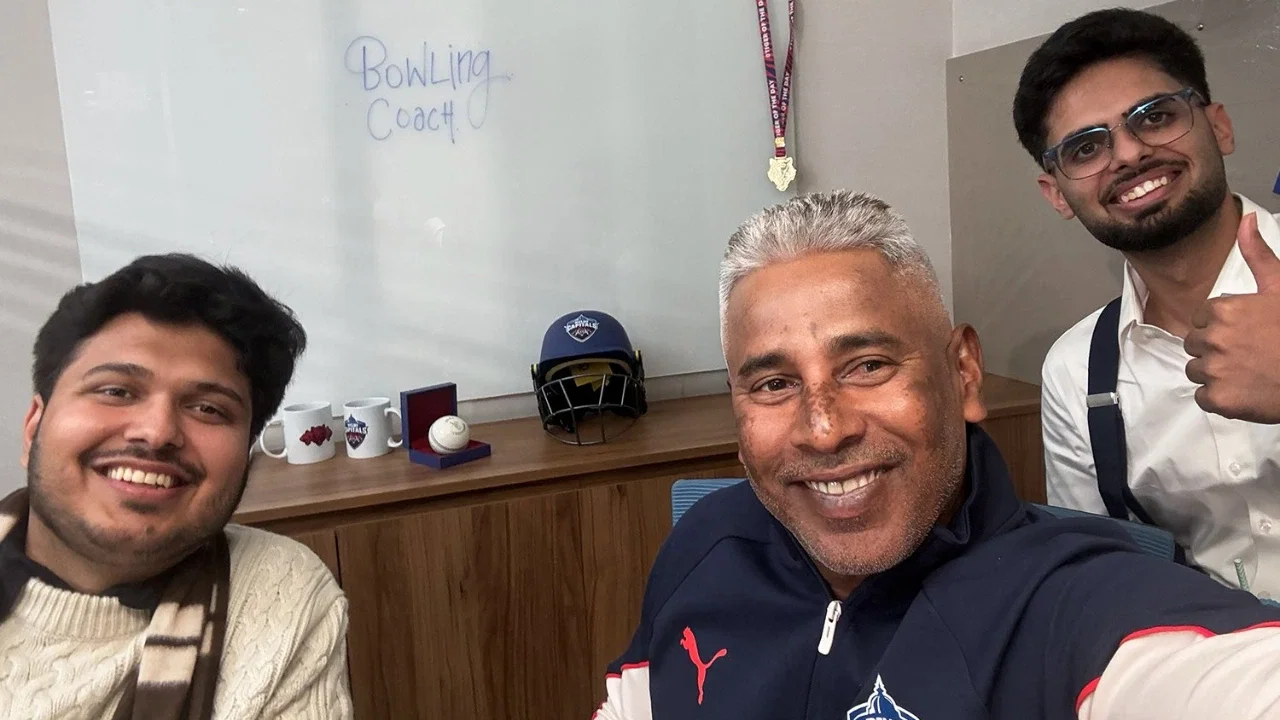
Chaminda Vaas joins Delhi Capitals: A look at his coaching journey

Prasidh Krishna, Harshit Rana to undergo match simulations ahead of New Zealand tour

Jonny Bairstow calls ECB’s George Hill snub an ‘absolute joke’
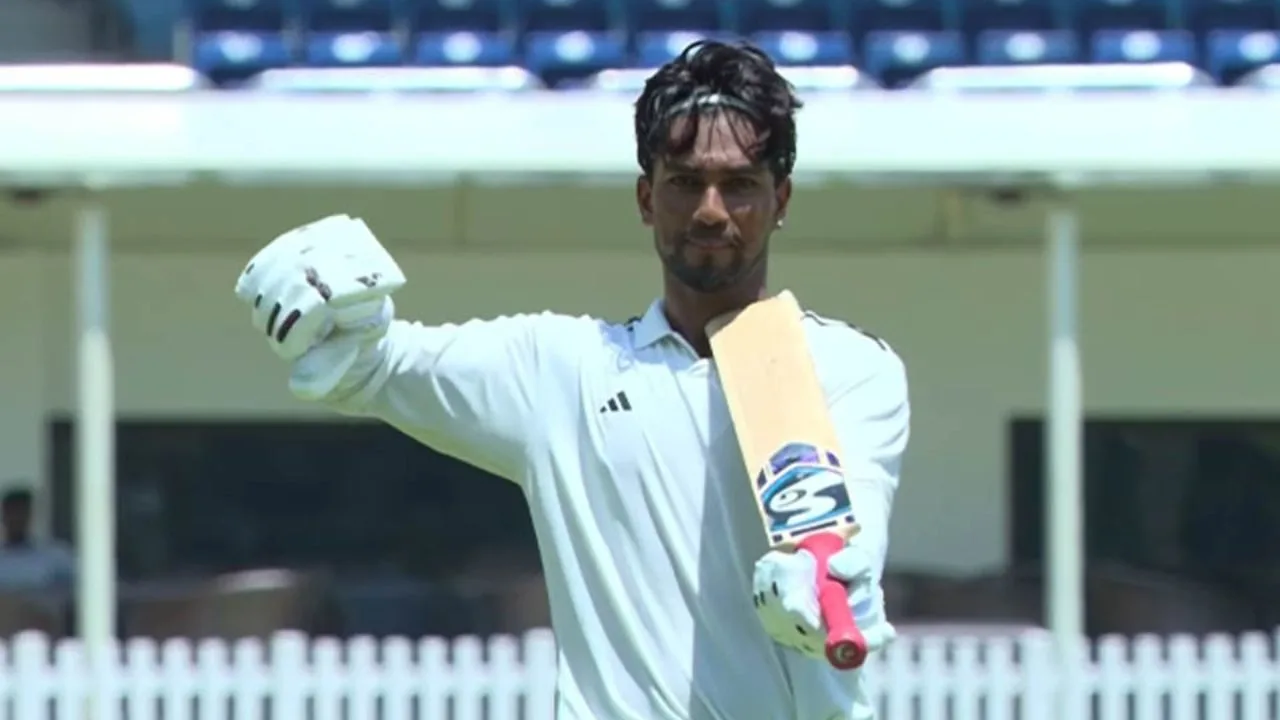
Who is Kumar Kushagra? Jharkhand wicketkeeper picked over Sanju Samson for NZ ODIs
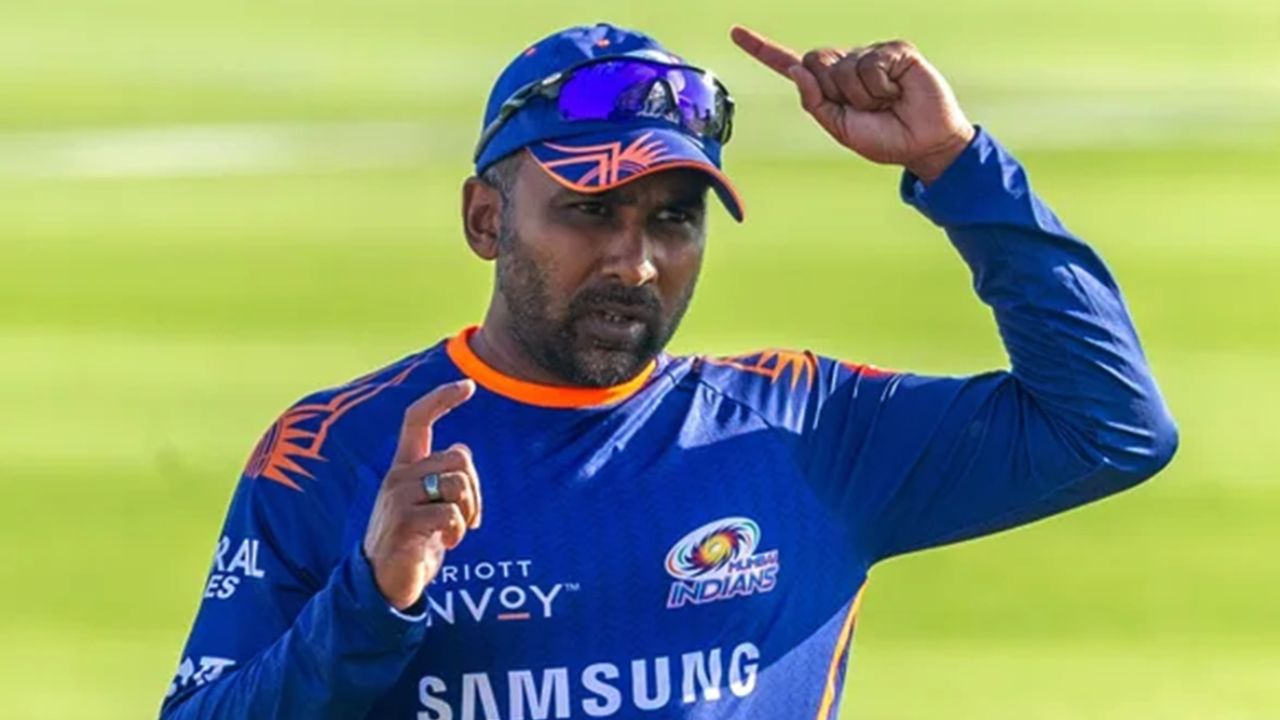
Mahela Jayawardene OUT: Mumbai Indians shortlist several big names for head coach role