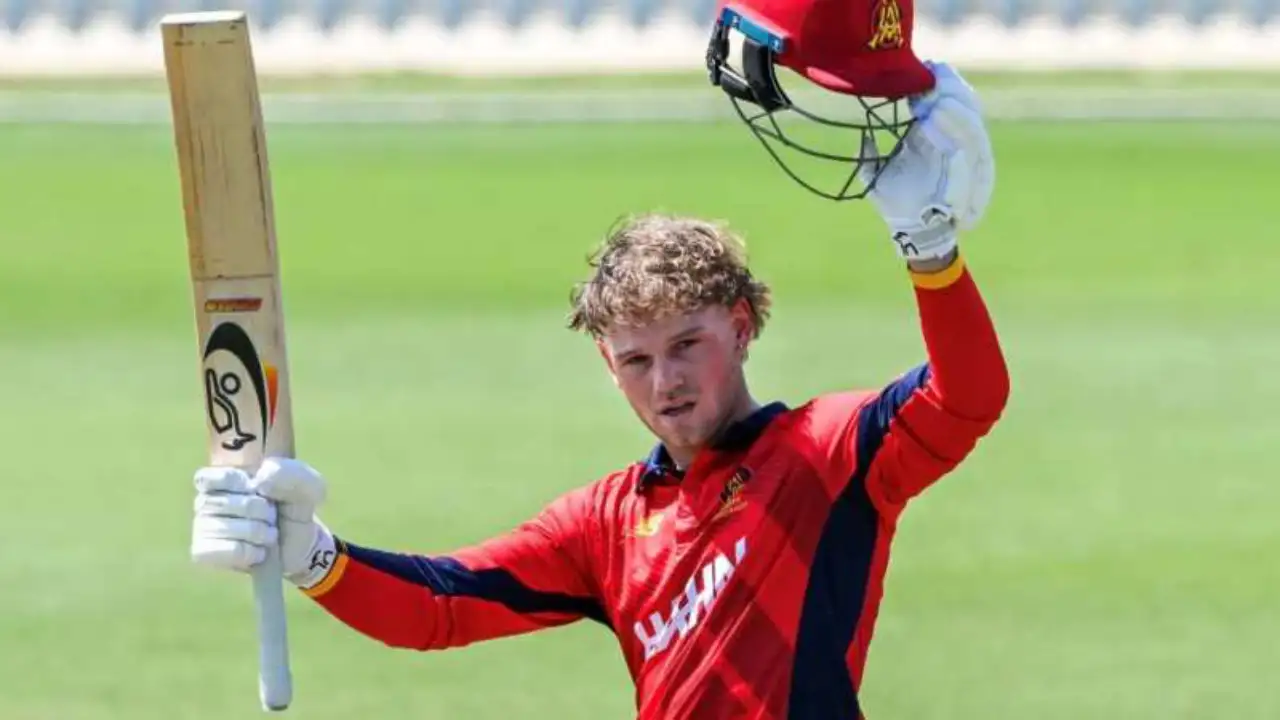
Ravichandran Ashwin accuses BCCI selectors of ruining Yashasvi Jaiswal
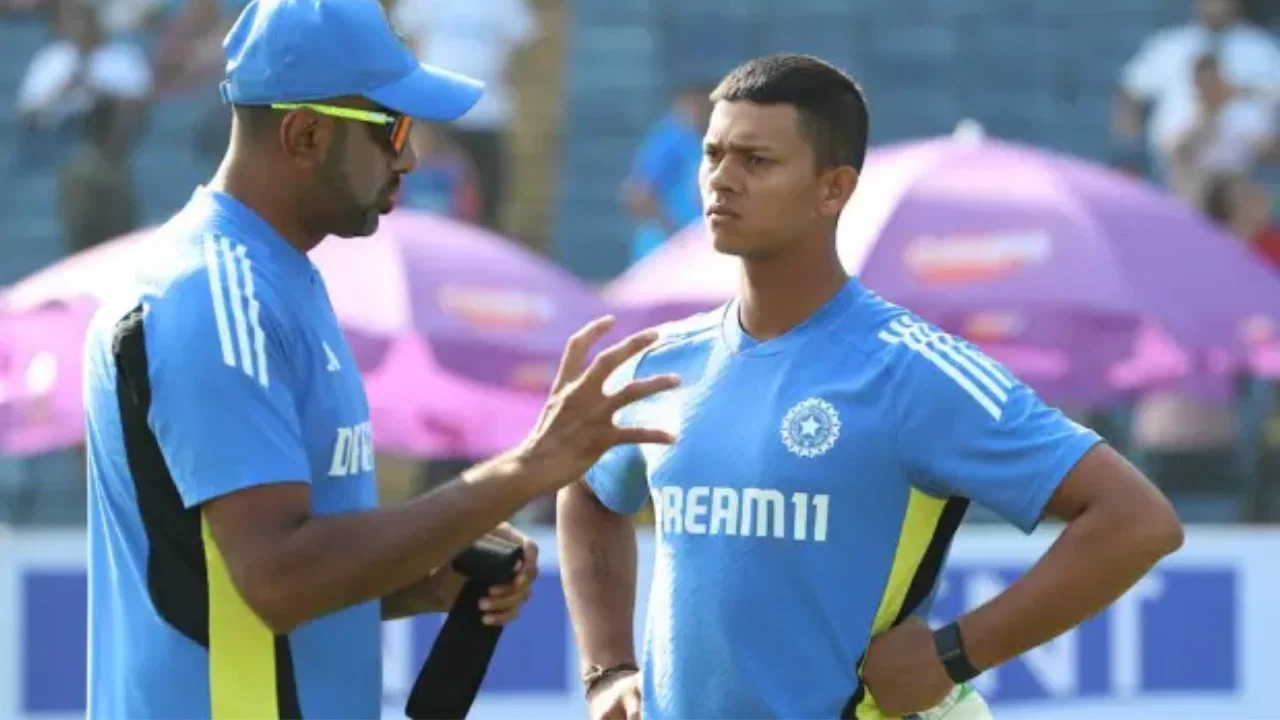
Ashwin Questions Jaiswal’s Omission as India Prepare for New Zealand ODI Series
India’s five-match ODI series against New Zealand is expected to play an important role in the team’s preparations for the 2027 Cricket World Cup. With the tournament still some time away, the fixtures offer selectors and coaches a valuable chance to assess combinations, test squad depth and identify players who could become part of India’s long-term plans.
That makes the omission of Yashasvi Jaiswal particularly striking. The left-handed opener has previously been viewed as a potential reserve at the top of the order, and his absence has prompted questions about where he stands in India’s ODI plans. Former India spinner Ravichandran Ashwin has described the decision as “very unfortunate,” arguing that the upcoming series could have offered Jaiswal a timely opportunity.
Opening opportunities may emerge during the series
India’s selection decisions could become more significant as the five-match contest progresses. Captain Shubman Gill is expected to miss the final two ODIs, while KL Rahul is also set to be rested for those matches. Their absences may require the team to reshuffle its batting order and select a new opening combination.
For Ashwin, that situation makes Jaiswal’s exclusion difficult to understand. If India need to experiment with their top order, he believes the young batter should be among the candidates considered. Instead, Jaiswal has not been included in the squad, leaving the team to explore other options.
Jaiswal’s previous ODI appearances provide a reason to keep him in the conversation. He has been used as a replacement opener in the past, including in a home match against Afghanistan when Virat Kohli was unavailable. In his most recent ODI appearance, Jaiswal scored an unbeaten 110 in Chennai, demonstrating his ability to build an innings and convert an opportunity into a substantial score.
That history has added to the debate around his current status. A player who was once regarded as a possible back-up opener now appears to be outside the squad picture, at least for this series. Ashwin’s criticism is not simply about one selection call; it reflects a wider concern about how India can provide emerging players with consistent opportunities while preparing for a major tournament.
Ashwin says Jaiswal needs game time
Speaking during a discussion on his YouTube channel, Ashwin said Jaiswal should have been considered for the final two ODIs if Gill was unavailable. He acknowledged that Gill’s travel and workload, as well as Rahul’s planned rest, could be understood. But he questioned why Jaiswal had not been included as an alternative.
“If Shubman Gill is not playing the last two ODIs, then Jaiswal should definitely get that spot,” Ashwin said, describing the situation as unfortunate. He added that the batter was not getting enough match time and warned that a lack of opportunities could affect his confidence.
Ashwin also noted that Jaiswal’s recent batting has not looked as assured as it did earlier in his career. That observation, in his view, makes regular cricket more important—not less. Players who are short of confidence may benefit from a clear role and the chance to settle into a rhythm, particularly when they are being considered for future international duties.
His argument highlights a familiar challenge for national selectors: balancing current form with a player’s potential and long-term value. A batter may need time in the middle to regain fluency, but a crowded squad can make it difficult to guarantee that opportunity. For India, the question is whether Jaiswal should be given a defined role in the ODI setup or continue to wait for another opening.
Why the decision matters for India’s World Cup planning
The New Zealand series is not a World Cup selection trial on its own, but it can influence the direction of India’s planning. A five-match schedule gives the team more scope than a short series to test different combinations, assess backup players and learn how they respond to changing roles. That is especially relevant in the opening positions, where availability, form and match conditions can quickly alter the preferred pairing.
Jaiswal’s exclusion also raises a practical question about squad depth. India will need reliable alternatives across the batting order as it builds towards 2027. Giving a promising player opportunities in a bilateral series can help the team understand whether he is suited to the demands of ODI cricket, while also providing the player with valuable experience at international level.
At the same time, selection decisions are shaped by factors that are not always visible to the public. Team management may be weighing training performances, workload, tactical plans or the need to assess another player. Without a clear explanation from the selectors, however, Jaiswal’s omission is likely to remain a talking point—particularly because Gill and Rahul are set to miss part of the series.
A call for a fair opportunity
Ashwin’s central concern is that Jaiswal should be given a genuine chance to show what he can contribute. He argued that when a player who has previously been productive is struggling for confidence, selectors and coaches should consider how they can help him regain momentum. In his view, leaving Jaiswal out altogether is unfair when opportunities may be available elsewhere in the lineup.
That does not guarantee Jaiswal a place in India’s future ODI plans, nor does one selection decision determine his international prospects. But the discussion underlines the importance of communication and role clarity. For a young batter, knowing whether he is being developed as an opener, a reserve or a player outside the immediate plans can make a meaningful difference to preparation and confidence.
As India take on New Zealand, attention will focus not only on results but also on the combinations the team tests and the players entrusted with the top-order responsibilities. Jaiswal’s absence will remain part of that conversation. Ashwin’s prediction is that missed opportunities could carry a cost if the batter is left without regular match time; the series may now provide India with a chance to show how it intends to manage its emerging talent on the road to the 2027 ODI World Cup.
Latest News
Ravindra Jadeja denied Rohit-Kohli treatment, dropped from India’s 2027 World Cup plans
Ravichandran Ashwin accuses BCCI selectors of ruining Yashasvi Jaiswal
Pakistan players want Category C deals as PCB set to revamp Central Contracts
Ramesh Powar set to replace Ajit Agarkar, Dodda Ganesh in line for junior selection committee role
Bhuvneshwar Kumar replaced by GT pacer after India recall, Krunal Pandya named captain
Shubman Gill to pay for 4-5 personal net bowlers in NZ, face Chhattisgarh in Ranji Trophy
BCCI grills selector candidates on Rohit Sharma’s future and Vaibhav Sooryavanshi’s situation
Wasim Jaffer in line to replace Ajit Agarkar as BCCI chief selector
Why Gurnoor Brar, Manav Suthar were left out of India’s New Zealand Test squad
Chaminda Vaas joins Delhi Capitals: A look at his coaching journey
Prasidh Krishna, Harshit Rana to undergo match simulations ahead of New Zealand tour
Jonny Bairstow calls ECB’s George Hill snub an ‘absolute joke’
Who is Kumar Kushagra? Jharkhand wicketkeeper picked over Sanju Samson for NZ ODIs
Mahela Jayawardene OUT: Mumbai Indians shortlist several big names for head coach role