Tribunal grants relief to Lalit Modi, BCCI in IPL 2009 FEMA case
Lalit Modi Cleared of Charges in 2009 IPL Case After 16 Years
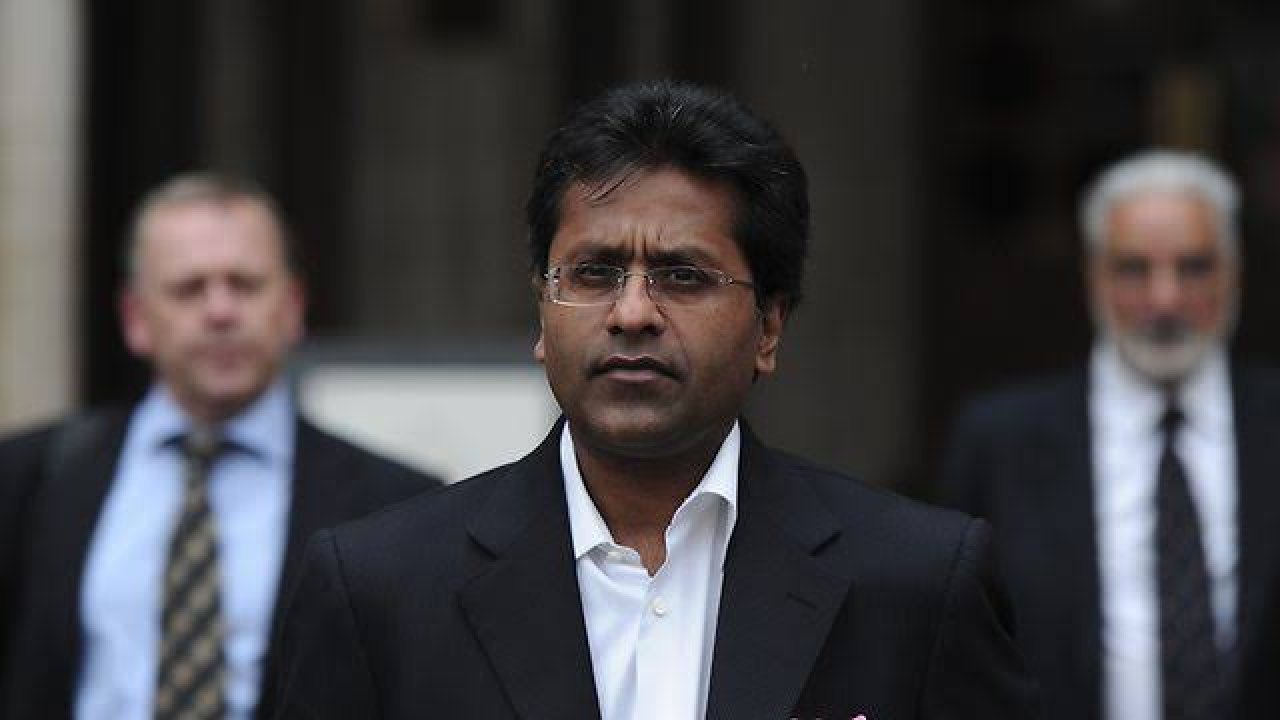
The former Chairman of the TATA Indian Premier League (IPL), Lalit Modi, has finally been proven innocent and cleared of all charges related to the principal proceedings that arose during the 2009 IPL season. This decision comes after a long legal battle that lasted 16 years.
Appellate Tribunal Ruling
The Appellate Tribunal under SAFEMA has removed all penalties and charges imposed on Lalit Modi. They have also rejected the Enforcement Directorate’s claim of mishandling foreign money transfers, which were initially classified as capital account transactions.
The judgment stated that the penalties imposed on Lalit Modi were erroneous, as he was not in charge of any affairs during the 2009 IPL season in South Africa. The Tribunal found that the remittances related to the event were current account transactions, not capital account transactions.
Lalit Modi’s Response
Lalit Modi expressed his relief at the Tribunal’s verdict, stating that he has always acted in the best interests of Indian cricket and the IPL. He emphasized that the Tribunal’s decision clears him of any wrongdoing that could harm the reputation of the country in terms of cricket.
Modi welcomed the judgment, stating, “For over sixteen years I have consistently maintained one simple position: I acted in good faith, in the best interests of Indian cricket and the IPL, and committed no personal wrongdoing.”
Relief for N Srinivasan and Pandove
Aside from Lalit Modi, two other former BCCI officials, N Srinivasan and Pandove, also saw a reduction in penalties imposed on them. Srinivasan’s punishment was decreased from INR 1 crore to INR 10 lakh, while Pandove’s penalty was reduced from INR 50 lakh to INR 5 lakh. The penalty imposed on the BCCI itself was lowered from INR 4 crore to INR 1 crore.
This ruling by the Appellate Tribunal has brought closure to a significant legal matter that has been ongoing since the 2009 IPL season. It marks a victory for Lalit Modi and a major relief for all those involved in the case.
Overall, the decision has set a precedent for accountability and fairness in the world of cricket administration. It highlights the importance of thorough investigations and ensuring that justice is served, even if it takes years to reach a final verdict.
The Impact of the Ruling on Cricket Administration
The exoneration of Lalit Modi and the reduction of penalties for other officials have significant implications for the world of cricket administration. The ruling sets a precedent for ensuring accountability and fairness within the management of cricket leagues and organizations. It emphasizes the importance of conducting thorough investigations and upholding justice, even if it means a prolonged legal battle.
Cricket, being a sport that holds a special place in the hearts of millions around the world, requires transparency and integrity in its administration. The outcome of this case serves as a reminder that individuals in positions of power within cricket organizations must act in the best interests of the sport and its fans.
Lessons Learned from the 2009 IPL Case
The 2009 IPL case and the subsequent legal battle have shed light on the complexities and challenges faced by cricket administrators. It underscores the need for clear regulations and guidelines to prevent misunderstandings and misinterpretations of financial transactions within the sport. This incident has prompted organizations like the BCCI to revisit their governance structures and mechanisms to avoid similar controversies in the future.
Furthermore, the case serves as a lesson for individuals involved in cricket administration to exercise caution and diligence in their decision-making processes. It highlights the importance of adhering to ethical standards and maintaining transparency to uphold the integrity of the sport.
Rebuilding Reputation and Moving Forward
For Lalit Modi, the Tribunal’s ruling not only clears his name but also provides an opportunity to rebuild his reputation within the cricketing community. After years of legal battles and scrutiny, Modi can now focus on contributing positively to the sport he once played a significant role in shaping.
As for the other officials involved in the case, the reduced penalties offer a chance to learn from past mistakes and move forward with renewed dedication to upholding the values of cricket. The ruling allows for a fresh start and an opportunity to demonstrate a commitment to transparency and accountability in their future endeavors.
The Future of Cricket Administration
Looking ahead, the outcome of the 2009 IPL case serves as a catalyst for change and improvement in cricket administration. It highlights the need for continuous evaluation of governance practices and the implementation of robust mechanisms to prevent financial irregularities and controversies.
Cricket, as a sport beloved by millions, must prioritize integrity and fairness in its management to maintain the trust and respect of fans worldwide. The lessons learned from this case will undoubtedly shape the future of cricket administration, paving the way for a more transparent and accountable system that upholds the values of the sport.
In conclusion, the resolution of the 2009 IPL case signifies a turning point in the world of cricket administration, emphasizing the importance of accountability, fairness, and integrity. It serves as a reminder of the need for ethical conduct and transparency in all aspects of the sport to ensure its continued success and sustainability.
Latest News
Top 10 highest run-chases in T20 cricket history, ft. West Indies’ Ranchi win vs India
Aaryavir Sehwag and Anvay Dravid set to make headlines at U19 Asia Cup 2026
Longest ducks in Test cricket history ft. Nic Maddinson, Shoaib Akhtar
ECB to offer 39 central contracts to England players after Ben Stokes, Mark Wood’s retirement
Steve Smith surpasses Steve Waugh in all-time Test run-scorers’ list

Shane Watson identifies Gautam Gambhir’s biggest problem as India struggle for consistency
Is Bhuvneshwar Kumar in India’s 2027 World Cup plans? Ajinkya Rahane makes revelation
BCCI’s big ₹127 Crore move after injury crisis raises concerns over Team India
Parthiv Patel reveals RCB ignored his Jasprit Bumrah recommendation in IPL 2014 Auction
“Never spoke ill of any faith”: Irfan Pathan hits back at fake news using his name
Nic Maddinson bags 33-ball duck on Test comeback, disappoints George Bailey
Imran Tahir predicts 2027 ICC ODI World Cup Semi-Finalists, snubs India for title
Australia create unwanted history with first all-30-plus Test XI
Ravindra Jadeja returns to Ranji Trophy as Saurashtra announce squad