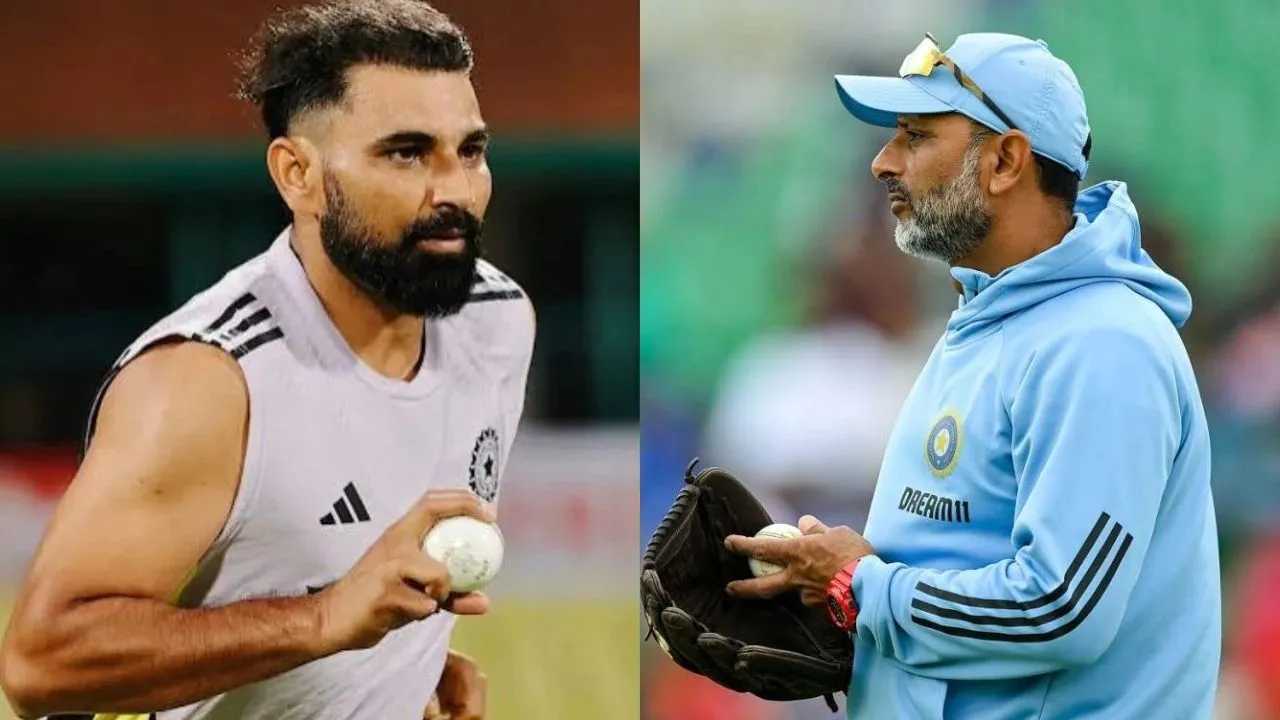
“Without him, India has no chance”: Kris Srikkanth names Mohammed Shami as India’s X-factor for 2027 ODI World Cup
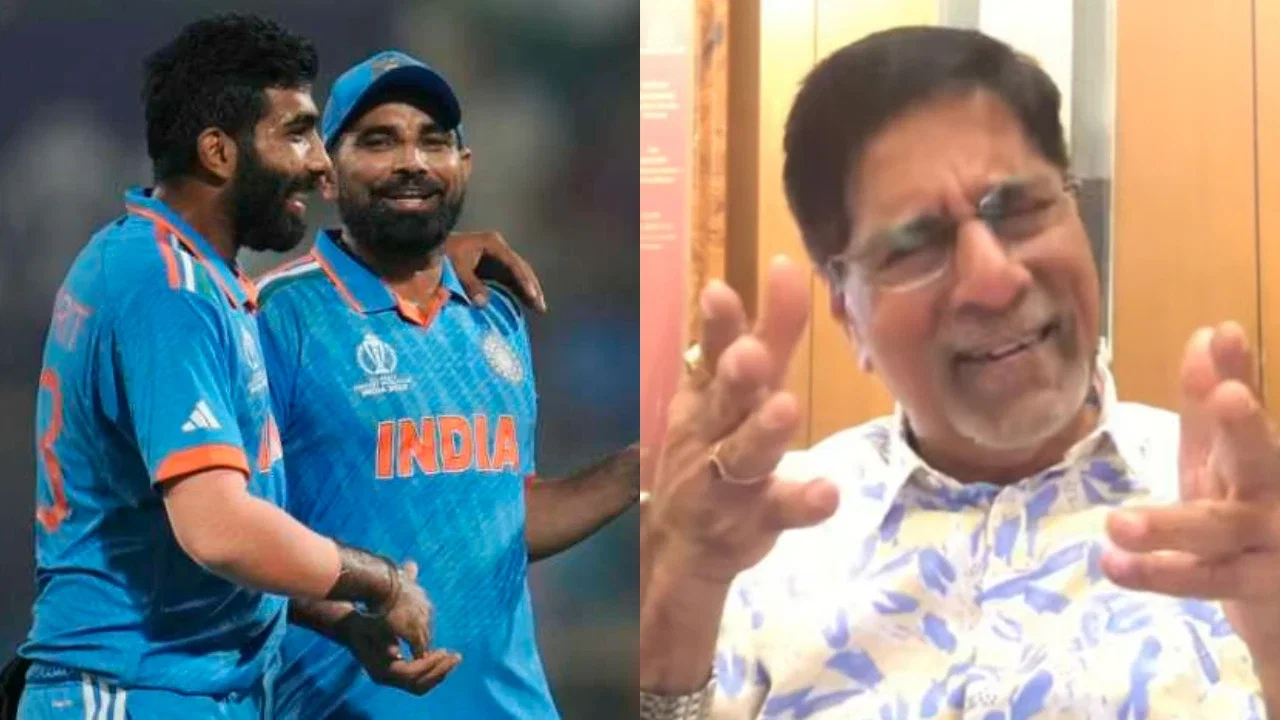
Former India Captain Kris Srikkanth Questions India’s Strategy for the 2027 ODI World Cup
Former India captain Kris Srikkanth has expressed his concerns regarding India’s plans for the upcoming 2027 ODI World Cup. Srikkanth is puzzled by the Indian team management’s decision to sideline experienced fast bowler Mohammed Shami despite his stellar performance in the 2023 ODI World Cup.
Mohammed Shami’s Impactful Performance in the 2023 World Cup
Mohammed Shami was a standout performer during the 2023 ODI World Cup held in India. The seasoned fast bowler finished the tournament as the highest wicket-taker with an impressive tally of 24 wickets in just seven matches. His exceptional bowling stats included an average of 10.70 and an economy rate of 5.26, playing a vital role in India’s journey to the final.
However, Shami’s career trajectory took a different turn due to various injuries, and at 35 years old, he finds himself struggling to reclaim his spot in the national team.
Kris Srikkanth Criticizes India’s Treatment of Mohammed Shami
Srikkanth expressed his disappointment with the Indian selectors and team management for overlooking Shami since the 2025 Champions Trophy. He believes that Shami’s experience and track record make him a strong contender for the 2027 ICC ODI World Cup squad, despite his recent absence from the team.
While advocating for Shami’s inclusion, Srikkanth also highlighted the potential of young fast bowlers like Prince Yadav, Gurnoor Brar, and Mohsin Khan. He emphasized that there is still ample time before the World Cup for these bowlers to make their mark and earn a spot in the squad.
Importance of Jasprit Bumrah for India’s World Cup Chances
Srikkanth underscored the significance of Jasprit Bumrah for India’s World Cup aspirations, stating that the team’s chances of winning the trophy depend heavily on Bumrah’s performance. He stressed the need for careful workload management for Bumrah leading up to the tournament.
Bumrah’s exceptional track record, especially during the 2023 ODI World Cup, where he picked up 20 wickets at an average of below 19 and an economy rate of 4.06, makes him a pivotal player for India. Srikkanth expressed that Bumrah’s presence is crucial for India’s success, given the current bowling lineup.
As India gears up for the 2027 ODI World Cup, the selection of the bowling unit will play a critical role in determining the team’s performance in the tournament. With experienced campaigners like Shami and emerging talents like Yadav, Brar, and Khan in the mix, the competition for spots in the squad is expected to intensify in the coming months.
The Evolution of India’s Bowling Lineup
India’s bowling lineup has seen a significant evolution over the years, with a focus on nurturing young talent while also relying on experienced campaigners. The combination of youth and experience has been a key factor in India’s success in international cricket, especially in ICC tournaments like the ODI World Cup.
While Mohammed Shami has been a stalwart in the Indian bowling attack for many years, injuries and age have posed challenges for his consistent presence in the team. The emergence of young bowlers like Prince Yadav, Gurnoor Brar, and Mohsin Khan reflects India’s commitment to building a strong and versatile bowling unit for the future.
The Role of Predictive Analytics in Team Selection
With advancements in technology and data analytics, cricket teams, including India, are increasingly relying on predictive analytics to assess players’ performance and potential. These tools provide valuable insights into players’ form, fitness, and projected impact, helping selectors make informed decisions about team composition.
As India prepares for the 2027 ODI World Cup, predictive analytics could play a crucial role in determining the final squad. By analyzing historical data, player statistics, and performance trends, selectors can identify the most suitable candidates for different roles in the team, ensuring a well-rounded and competitive lineup.
The Impact of Team Dynamics on Performance
Team dynamics and chemistry play a significant role in a cricket team’s success in high-pressure tournaments like the ODI World Cup. While individual talent is essential, the ability of players to gel together as a cohesive unit can often make the difference between victory and defeat.
India’s team management must not only focus on individual player performances but also on fostering a strong team culture that promotes collaboration, communication, and mutual respect. Building trust and camaraderie among players can enhance their on-field coordination and decision-making, leading to improved performance in crucial matches.
Strategies for Managing Workload and Injuries
Injuries and workload management are critical considerations for cricket teams, especially in the lead-up to major tournaments like the ODI World Cup. Balancing players’ participation in various formats of the game, monitoring their fitness levels, and implementing tailored training programs are essential for reducing the risk of injuries and ensuring peak performance during key matches.
India’s team management must work closely with physiotherapists, fitness trainers, and coaches to develop personalized plans for each player, taking into account their workload, recovery needs, and injury history. By implementing proactive strategies to prevent injuries and optimize player fitness, India can field a strong and resilient team for the 2027 ODI World Cup.
Conclusion
As India navigates the challenges and opportunities leading up to the 2027 ODI World Cup, the team’s selection strategy, focus on predictive analytics, attention to team dynamics, and commitment to managing player workload and injuries will be critical factors in determining their success. By striking the right balance between experience and youth, individual talent and team cohesion, India can build a formidable lineup capable of competing at the highest level and contending for the coveted World Cup trophy.
Latest News
Top 10 highest run-chases in T20 cricket history, ft. West Indies’ Ranchi win vs India
Aaryavir Sehwag and Anvay Dravid set to make headlines at U19 Asia Cup 2026
Longest ducks in Test cricket history ft. Nic Maddinson, Shoaib Akhtar
ECB to offer 39 central contracts to England players after Ben Stokes, Mark Wood’s retirement
Steve Smith surpasses Steve Waugh in all-time Test run-scorers’ list
Shane Watson identifies Gautam Gambhir’s biggest problem as India struggle for consistency
Is Bhuvneshwar Kumar in India’s 2027 World Cup plans? Ajinkya Rahane makes revelation
BCCI’s big ₹127 Crore move after injury crisis raises concerns over Team India
Parthiv Patel reveals RCB ignored his Jasprit Bumrah recommendation in IPL 2014 Auction
“Never spoke ill of any faith”: Irfan Pathan hits back at fake news using his name
Nic Maddinson bags 33-ball duck on Test comeback, disappoints George Bailey
Imran Tahir predicts 2027 ICC ODI World Cup Semi-Finalists, snubs India for title
Australia create unwanted history with first all-30-plus Test XI
Ravindra Jadeja returns to Ranji Trophy as Saurashtra announce squad