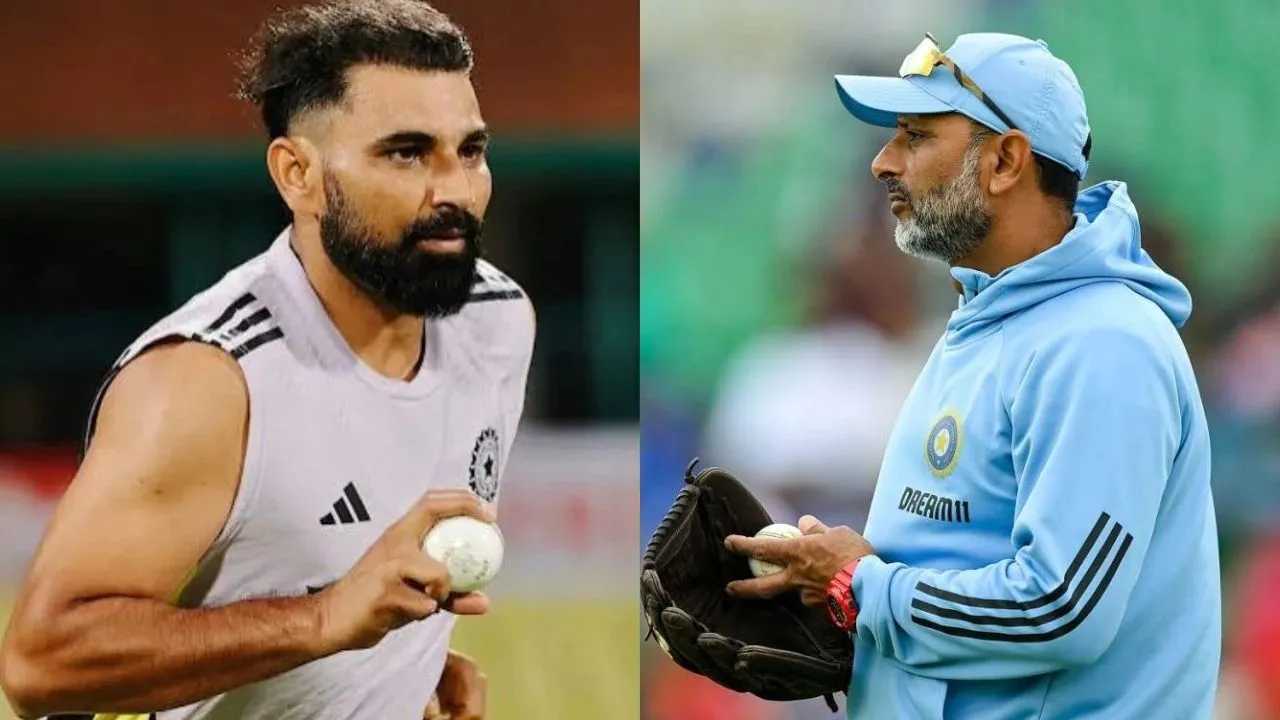
“Yash Thakur is not an international-level bowler”: Kris Srikkanth’s blunt verdict after Zimbabwe T20I
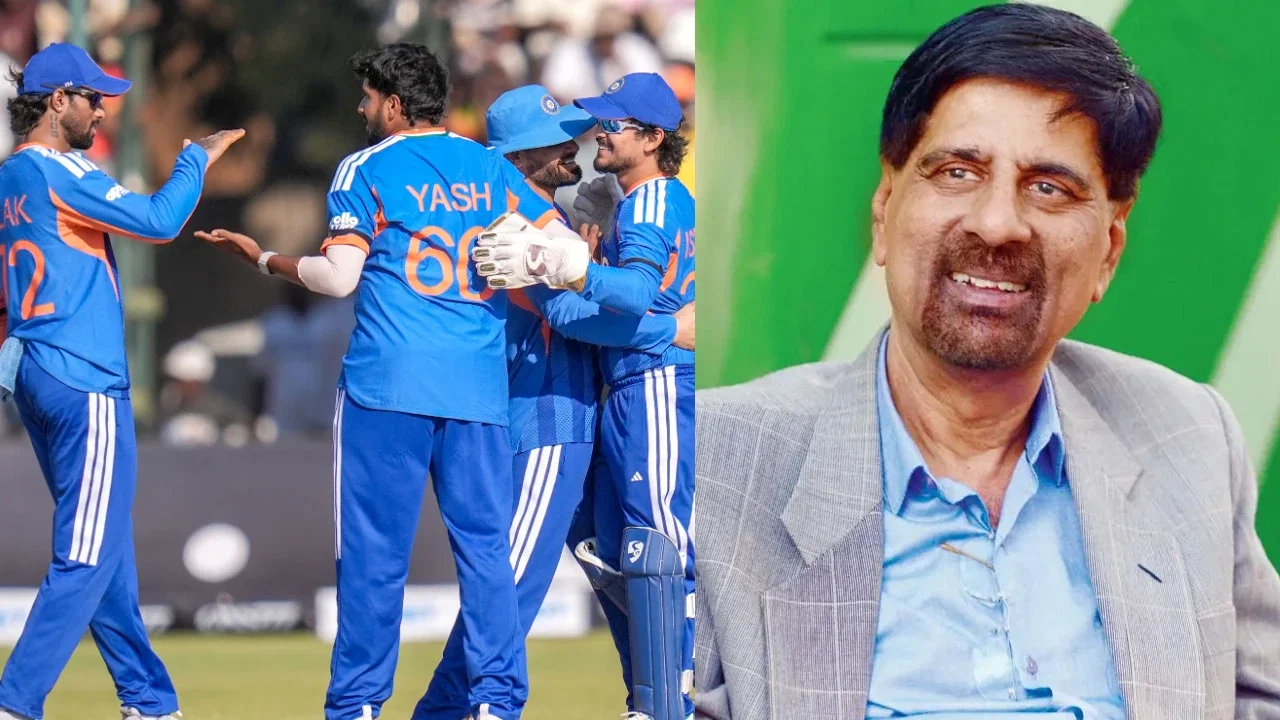
India’s T20I Series Win Against Zimbabwe Raises Questions on Selection Choices
Former Captain Kris Srikkanth Questions India’s Selection Decisions
Despite India’s dominant 90-run victory in the second T20I against Zimbabwe, former Indian captain Kris Srikkanth has raised serious concerns about the selection decisions made by the team management. Srikkanth criticized the selectors for dropping Ashok Sharma after just one wicketless outing, questioning the logic behind giving a player a debut and then immediately replacing him.
Srikkanth’s Criticism of Yash Thakur’s Debut
Srikkanth specifically called out the decision to debut Yash Thakur in place of Ashok Sharma, stating that Thakur is not yet at the international level despite his two-wicket haul in his first match. The former chief selector pointed out that Thakur’s limited experience in the IPL raised doubts about his readiness for international cricket, especially when compared to Sharma’s consistent performances in the league.
In a video on his YouTube channel, Srikkanth expressed his concerns, saying, “Yash Thakur is not an international-level bowler. This is where you are making a mistake. Why did you drop Ashok Sharma after giving him a debut? You gave him a chance, then dropped him. You are making a kichy here and spoiling the team. You start backing the wrong horses.”
India’s All-Round Strength Praised
Despite the controversy surrounding the selection choices, Srikkanth did acknowledge India’s all-round strength, particularly praising the part-time bowlers who made an impact in the series. Players like Abhishek Sharma, Shivam Dube, and Tilak Varma contributed with crucial wickets, showcasing the team’s depth and versatility in bowling options.
Srikkanth also commended India’s series win, highlighting the importance of bouncing back after disappointing losses in previous T20I series. He emphasized the significance of securing victories, especially against weaker opponents like Zimbabwe, to build momentum and confidence moving forward.
Conclusion
As India continues its T20I campaign, the scrutiny over selection decisions will likely intensify, with Srikkanth’s comments adding to the ongoing debate. The team management will need to carefully consider the balance between giving opportunities to young talents like Thakur while also nurturing experienced players like Sharma to ensure a cohesive and successful squad.
Overall, India’s victory against Zimbabwe may have been convincing on the scoreboard, but the underlying questions and criticisms raised by cricket experts like Kris Srikkanth highlight the complexities and challenges faced in managing a national team with high expectations and aspirations for success.
India’s Bowling Depth and Emerging Talent
While the selection decisions have sparked controversy, India’s T20I series win against Zimbabwe also showcased the team’s bowling depth and the emergence of young talent. Players like Yash Thakur, despite facing criticism for his debut, demonstrated potential with his two-wicket haul. This highlights India’s commitment to grooming new bowlers and providing them with opportunities to prove themselves on the international stage.
Additionally, the contributions of part-time bowlers like Abhishek Sharma and Shivam Dube underline India’s versatility and adaptability in different match situations. The ability of these all-rounders to pick up crucial wickets adds a layer of unpredictability to India’s bowling attack, making them a formidable force in the T20 format.
Striking a Balance Between Experience and Youth
The debate sparked by Kris Srikkanth’s comments reflects the ongoing challenge for team management in striking a balance between experienced players and promising youngsters. While nurturing young talent is essential for long-term success, it is equally important to value the experience and consistency that seasoned players like Ashok Sharma bring to the team.
By carefully managing the transition between established players and newcomers, India can ensure a seamless integration of talent and maintain a competitive edge in international cricket. The selection dilemma faced by the team management serves as a reminder of the delicate juggling act required to build a winning combination.
Lessons Learned and Room for Improvement
India’s series win against Zimbabwe not only highlights their strengths but also exposes areas for improvement. The scrutiny over selection decisions provides valuable lessons for the team management, emphasizing the need for clear communication and strategic planning in player selection.
Moving forward, India can use the feedback from experts like Srikkanth to fine-tune their selection process and create a more cohesive and balanced squad. By learning from past mistakes and leveraging the potential of both experienced and young players, India can further solidify their position as a competitive force in international cricket.
Looking Ahead: Challenges and Opportunities
As India navigates future T20I series and competitions, they will face a myriad of challenges and opportunities. The pressure to maintain consistency while fostering new talent will require a harmonious blend of experience, skill, and strategic decision-making.
With the spotlight on selection choices, India has the chance to reevaluate their approach and make adjustments that align with their long-term goals. By leveraging the depth of talent within their squad and capitalizing on the emerging stars, India can forge a path towards sustained success in the fiercely competitive world of T20 cricket.
Ultimately, India’s victory over Zimbabwe serves as a stepping stone towards greater achievements, with each challenge and criticism propelling the team towards continuous growth and evolution in the dynamic landscape of modern cricket.
Latest News
Top 10 highest run-chases in T20 cricket history, ft. West Indies’ Ranchi win vs India
Aaryavir Sehwag and Anvay Dravid set to make headlines at U19 Asia Cup 2026
Longest ducks in Test cricket history ft. Nic Maddinson, Shoaib Akhtar
ECB to offer 39 central contracts to England players after Ben Stokes, Mark Wood’s retirement
Steve Smith surpasses Steve Waugh in all-time Test run-scorers’ list
Shane Watson identifies Gautam Gambhir’s biggest problem as India struggle for consistency
Is Bhuvneshwar Kumar in India’s 2027 World Cup plans? Ajinkya Rahane makes revelation
BCCI’s big ₹127 Crore move after injury crisis raises concerns over Team India
Parthiv Patel reveals RCB ignored his Jasprit Bumrah recommendation in IPL 2014 Auction
“Never spoke ill of any faith”: Irfan Pathan hits back at fake news using his name
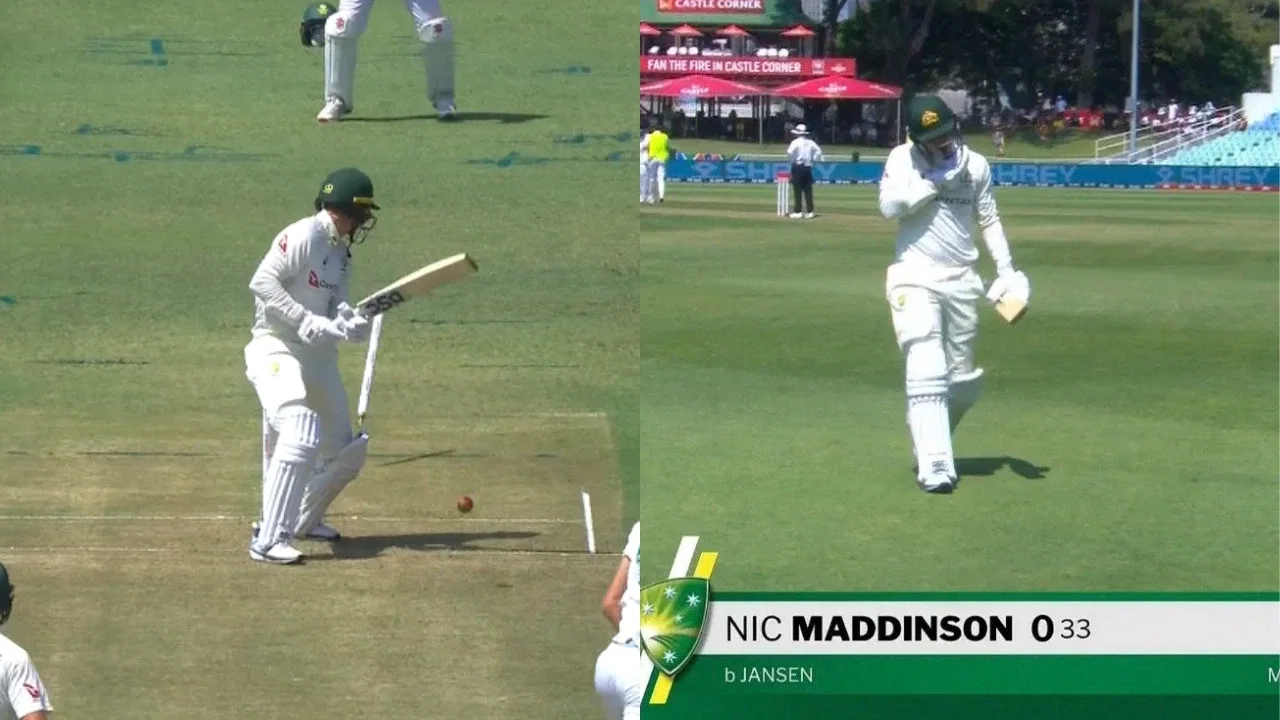
Nic Maddinson bags 33-ball duck on Test comeback, disappoints George Bailey
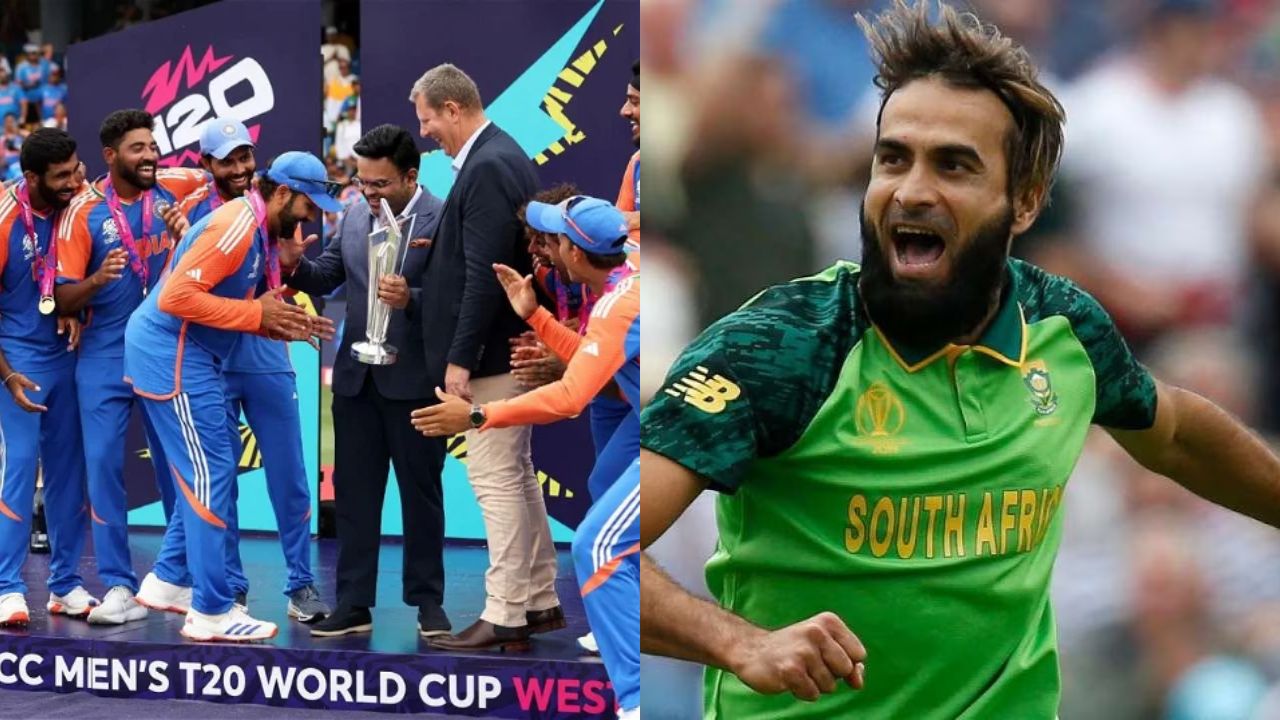
Imran Tahir predicts 2027 ICC ODI World Cup Semi-Finalists, snubs India for title
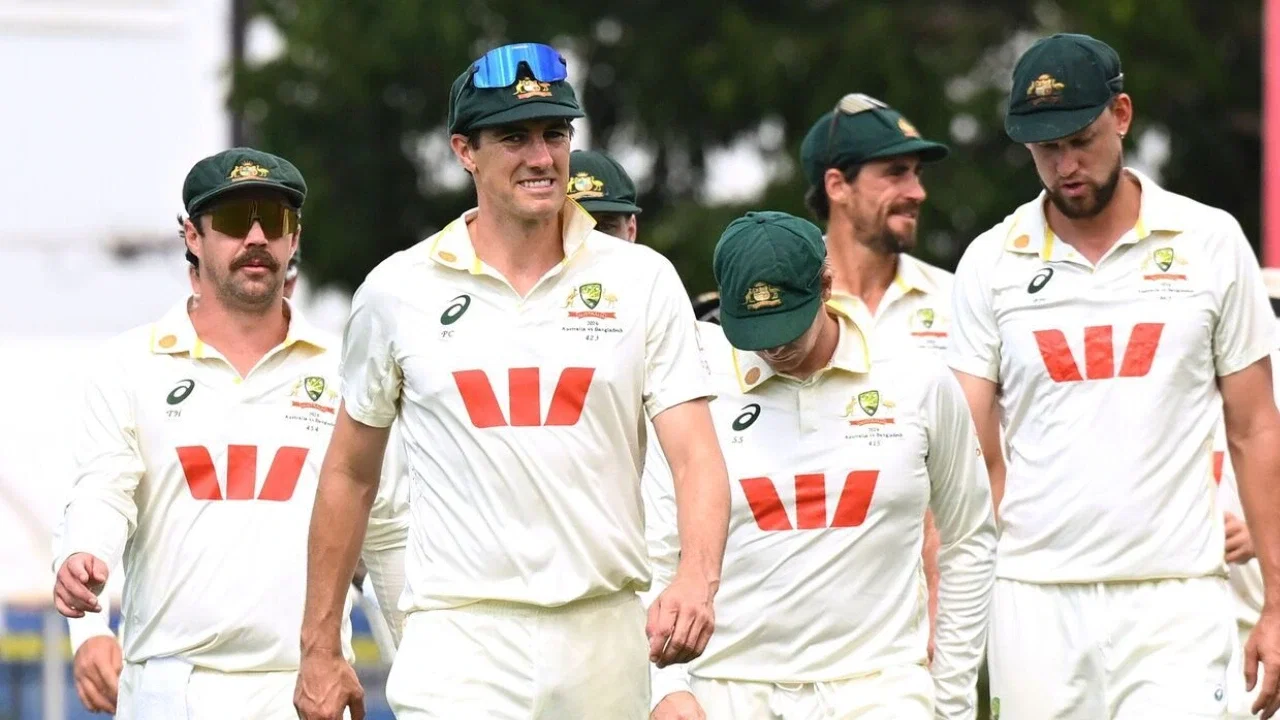
Australia create unwanted history with first all-30-plus Test XI
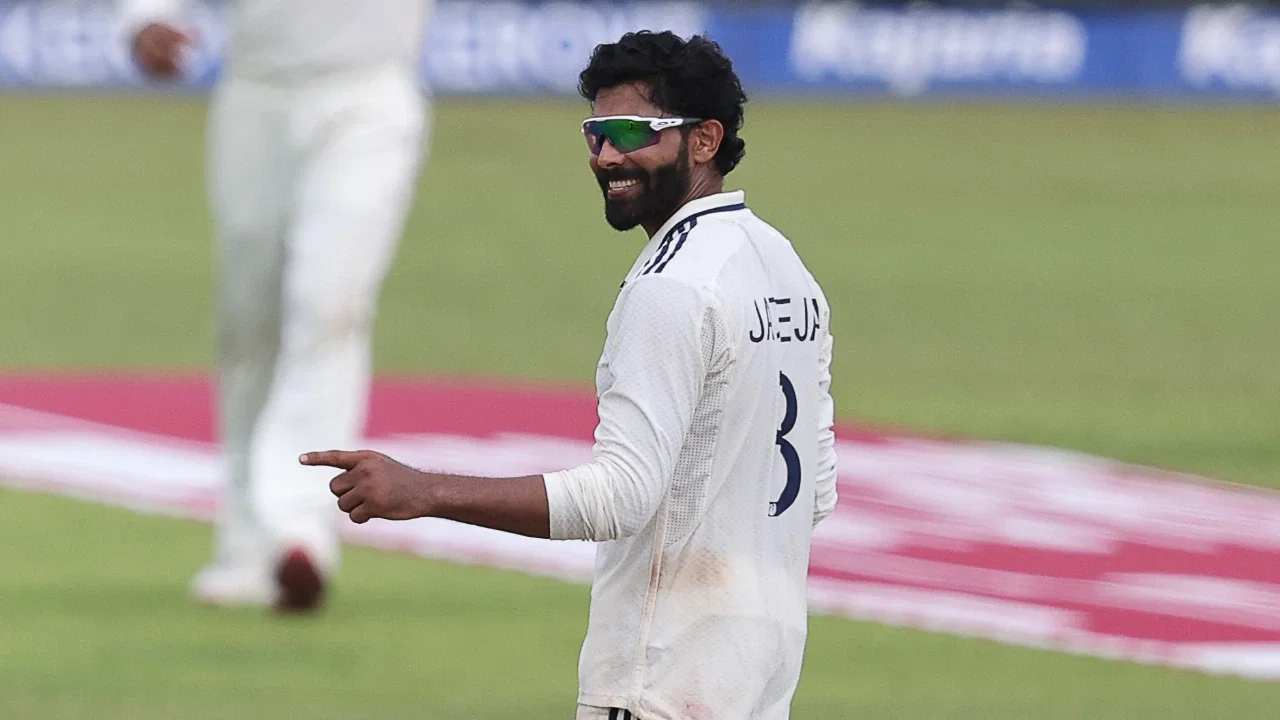
Ravindra Jadeja returns to Ranji Trophy as Saurashtra announce squad