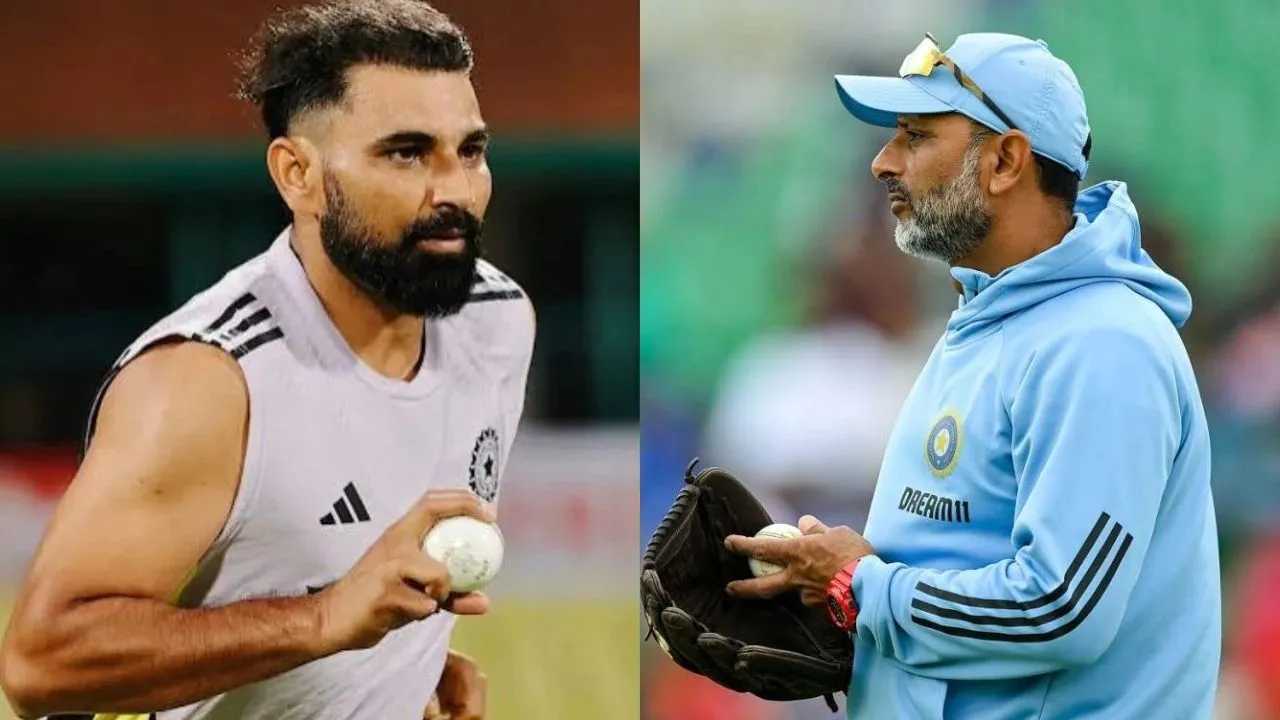
Aakash Chopra blasts Ajit Agarkar and Gautam Gambhir over Mohammed Siraj’s limited role in Team India
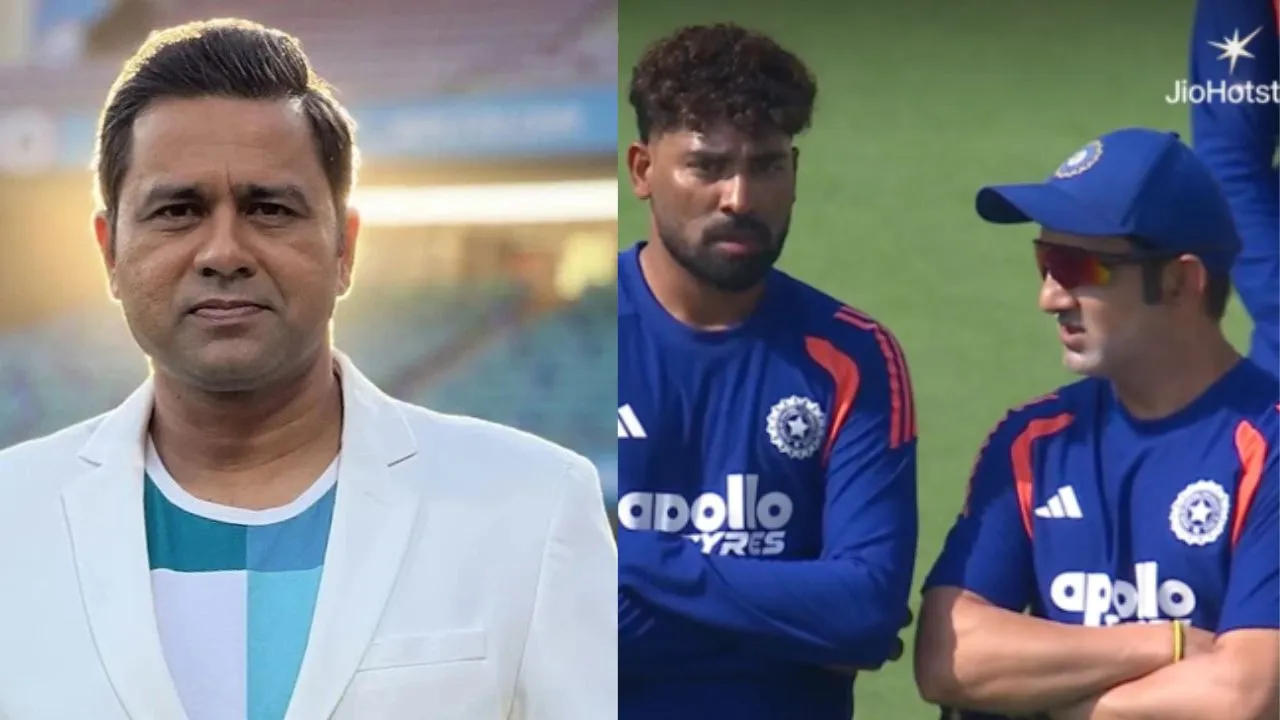
Former Indian Cricketer Aakash Chopra Criticizes Team Management for Labeling Mohammed Siraj as a One-Format Player
In a recent development, former Indian cricketer Aakash Chopra has expressed his concerns regarding the way fast bowler Mohammed Siraj has been sidelined from the white-ball teams by the India national cricket team management. Chopra believes that Siraj has been unfairly labeled as a player suited only for Test cricket, neglecting his potential in limited-overs formats like ODI and T20I.
The Unfair Treatment of Mohammed Siraj
Chopra highlights that Mohammed Siraj, who was a regular member of India’s white-ball teams until recently, lost his place due to concerns over his effectiveness with the old ball. However, a stroke of luck came Siraj’s way when an injury to Harshit Rana opened the door for him in the ICC T20 World Cup 2026. Siraj seized the opportunity and delivered a commendable performance, showcasing his abilities beyond Test cricket.
Chopra slammed the team management and selectors for abruptly turning Siraj into a one-format player, emphasizing that the fast bowler deserved more opportunities and support in the ODI and T20I formats. He criticized the premature decision to remove Siraj from the white-ball squads without considering his overall potential as a versatile bowler.
Questioning India’s Preparation for the 2027 World Cup
As India gears up for the upcoming ODI World Cup 2027, Chopra raised questions about Mohammed Siraj’s absence from the ongoing three-match ODI series against Afghanistan. He emphasized the importance of including Siraj in the squad, given his strong track record in ODI cricket and his potential contribution to the team’s success in the upcoming World Cup.
Chopra expressed his doubts regarding the selectors’ decision to rest Siraj, wondering if workload management or any underlying issues influenced the choice. He urged the team management to reconsider Siraj’s exclusion and provide him with the opportunities he deserves to excel in the limited-overs formats.
A Call for Fair Treatment and Support
In conclusion, Aakash Chopra emphasized the need for fair treatment and support for players like Mohammed Siraj, who possess the talent and skills to thrive in multiple formats of the game. He called on the team management to recognize Siraj’s potential beyond Test cricket and provide him with the necessary opportunities to showcase his abilities on the international stage.
As cricket enthusiasts await India’s selections for future tournaments, including the 2027 World Cup, the spotlight remains on players like Mohammed Siraj, whose performances and contributions could be pivotal in shaping India’s success in limited-overs cricket.
Challenges Faced by Multi-Format Bowlers
The case of Mohammed Siraj sheds light on the challenges faced by bowlers who excel in multiple formats of the game. Often, players who are successful in Test cricket are pigeonholed into that category, limiting their opportunities in white-ball cricket. This trend is not unique to Siraj, as many talented bowlers have struggled to break into or maintain a spot in limited-overs squads despite their capabilities.
It is crucial for team management and selectors to recognize the value of versatile bowlers like Siraj, who can adapt their skills to different formats. By embracing the diversity of player skill sets, teams can create more balanced and effective bowling attacks that can thrive in various match scenarios.
Impact of Player Rotation on Performance
The issue of player rotation and workload management has also come under scrutiny in recent years, particularly in the context of major tournaments like the World Cup. While it is essential to protect players from burnout and injuries, excessive rotation or rest decisions can disrupt a player’s rhythm and impact their performance on the field.
In the case of Mohammed Siraj, the decision to exclude him from the ongoing ODI series against Afghanistan raises questions about the rationale behind player selection and rotation policies. Balancing the need for rest with the desire to field the strongest possible squad requires careful consideration and communication between players, management, and selectors.
Looking Ahead: Opportunities for Redemption
Despite the challenges faced by Mohammed Siraj, there is still hope for him to reclaim his spot in India’s white-ball teams and make a significant impact in future tournaments. With his recent success in the T20 World Cup and proven abilities in ODI cricket, Siraj has the potential to become a key player for India in the upcoming World Cup and beyond.
It is essential for the team management to reassess their approach towards Siraj and provide him with the necessary support and opportunities to showcase his skills. By nurturing his talent and giving him the chance to prove himself in different formats, India can strengthen their bowling arsenal and increase their chances of success in international competitions.
Conclusion
In conclusion, the case of Mohammed Siraj serves as a reminder of the complexities and challenges faced by cricketers navigating multiple formats of the game. By recognizing and supporting players like Siraj, teams can harness their full potential and create well-rounded squads capable of competing at the highest level.
As India prepares for the 2027 World Cup and future tournaments, the spotlight remains on players like Mohammed Siraj, whose resilience, talent, and determination could shape the team’s success in limited-overs cricket. It is essential for the cricketing fraternity to embrace the diversity of player skill sets and provide equal opportunities for all players to thrive and succeed on the international stage.
Latest News
Top 10 highest run-chases in T20 cricket history, ft. West Indies’ Ranchi win vs India
Aaryavir Sehwag and Anvay Dravid set to make headlines at U19 Asia Cup 2026
Longest ducks in Test cricket history ft. Nic Maddinson, Shoaib Akhtar
ECB to offer 39 central contracts to England players after Ben Stokes, Mark Wood’s retirement
Steve Smith surpasses Steve Waugh in all-time Test run-scorers’ list
Shane Watson identifies Gautam Gambhir’s biggest problem as India struggle for consistency
Is Bhuvneshwar Kumar in India’s 2027 World Cup plans? Ajinkya Rahane makes revelation
BCCI’s big ₹127 Crore move after injury crisis raises concerns over Team India
Parthiv Patel reveals RCB ignored his Jasprit Bumrah recommendation in IPL 2014 Auction
“Never spoke ill of any faith”: Irfan Pathan hits back at fake news using his name
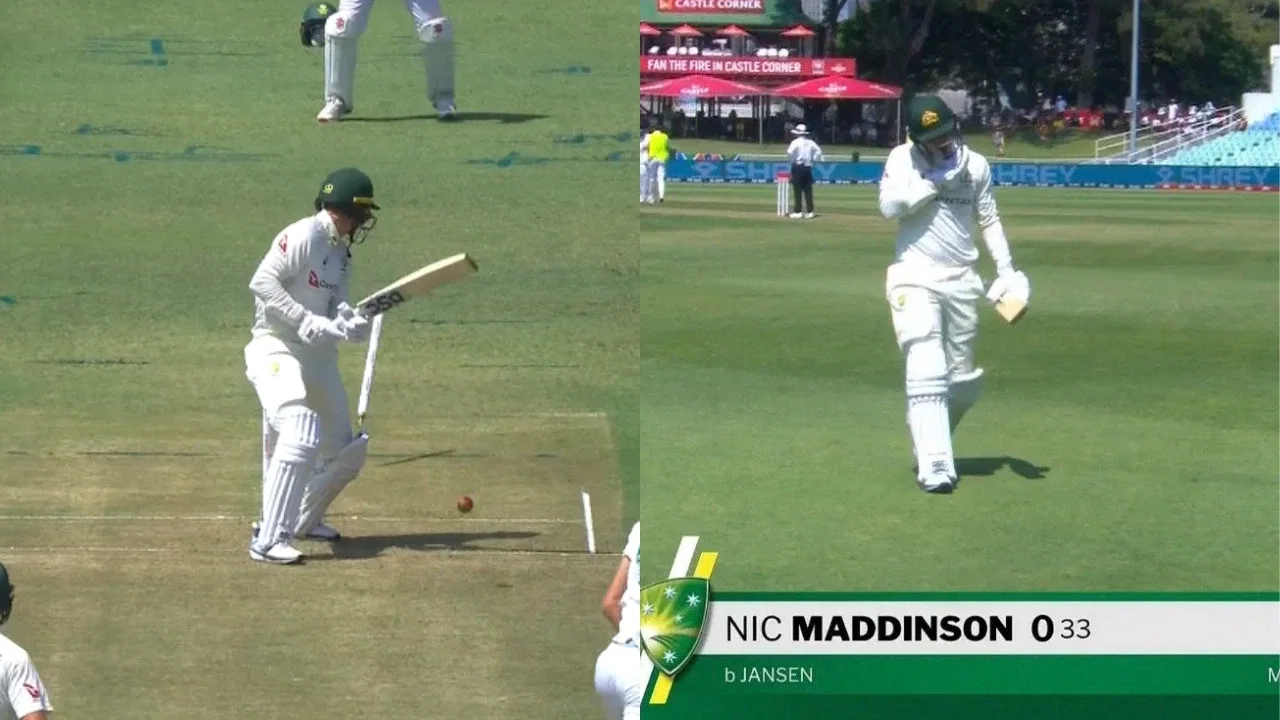
Nic Maddinson bags 33-ball duck on Test comeback, disappoints George Bailey
Imran Tahir predicts 2027 ICC ODI World Cup Semi-Finalists, snubs India for title
Australia create unwanted history with first all-30-plus Test XI
Ravindra Jadeja returns to Ranji Trophy as Saurashtra announce squad