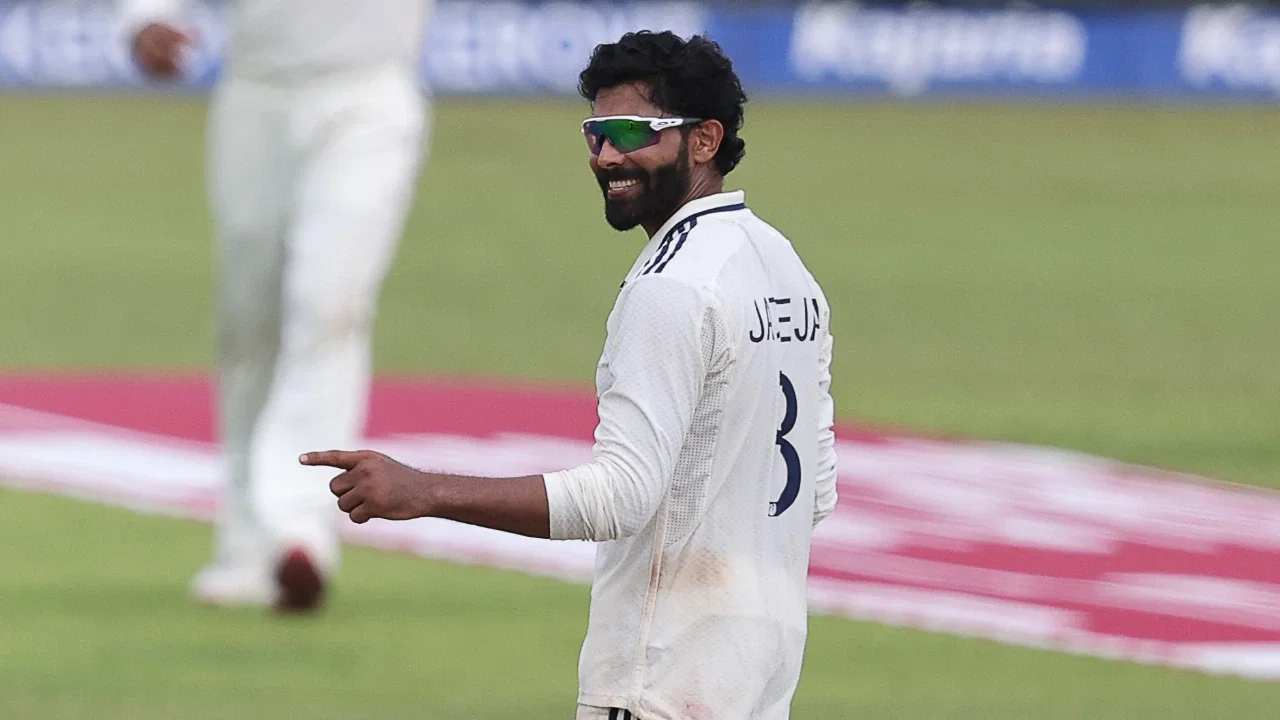
Aakash Chopra blasts Shubman Gill’s captaincy in Delhi Test vs WI, fumes over Nitish Kumar Reddy being ignored

Former India Opener Aakash Chopra Criticizes Shubman Gill’s Captaincy in India vs. WI Test Series
Former India National Cricket Team opening batsman Aakash Chopra has expressed his disappointment with Shubman Gill’s captaincy during the ongoing second Test of the two-match series against the West Indies National Cricket Team. Chopra was particularly critical of Gill for not utilizing Nitish Kumar Reddy’s bowling skills in the match held at the Arun Jaitley Stadium in Delhi.
Nitish Kumar Reddy’s Underutilization
In the Test series opener at the Narendra Modi Stadium in Ahmedabad, India secured a resounding victory over the West Indies by an innings and 140 runs. Nitish Kumar Reddy was part of the playing XI in the match but had minimal impact, bowling just four overs in the first innings and not bowling at all in the second innings. Despite scoring 43 runs in India’s first innings, Reddy was left out of the bowling attack by captain Shubman Gill in the Delhi Test.
India bowled 81.5 overs in the first innings to dismiss West Indies for 248 and enforced a follow-on. The visitors responded with an improved performance, scoring 390 runs. However, despite the extended playtime, Nitish Kumar Reddy did not get a chance to bowl in either innings, which surprised and disappointed Aakash Chopra.
Aakash Chopra’s Criticism
Aakash Chopra took to Twitter to express his dismay at Nitish Kumar Reddy not being given a single over to bowl in over 200 overs bowled by India in the Delhi Test. Chopra questioned Gill’s decision-making and the missed opportunity to utilize Reddy’s bowling skills effectively.
Disappointment with Gill’s Captaincy
During a post-match analysis on Star Sports, Aakash Chopra criticized Shubman Gill’s captaincy on the fourth day of the Delhi Test, highlighting his failure to adopt an aggressive approach against the opposition. Chopra emphasized the importance of seizing opportunities to attack and utilize all available resources to maintain dominance in the game.
Chopra expressed his disappointment with the passive approach taken by Gill, particularly in allowing West Indies tailenders to build partnerships and extend the match. He questioned Gill’s reluctance to take risks and aggressive measures to secure a comprehensive victory against the opposition.
Critical Evaluation
Chopra’s critical evaluation of Shubman Gill’s captaincy sheds light on the nuances of leadership in cricket and the strategic decisions that can impact a team’s performance. By emphasizing the need for proactive and assertive tactics, Chopra highlights the importance of maximizing player potential and exploiting opportunities for success.
As the India vs. West Indies Test series unfolds, the scrutiny on Shubman Gill’s captaincy and strategic acumen will continue to be a focal point for fans and analysts alike. The outcome of the series may hinge on the captain’s ability to adapt, innovate, and lead the team effectively in challenging situations.
The Role of Captaincy in Test Cricket
Test cricket is a format that demands patience, skill, and strategic thinking from both players and captains. The role of a captain goes beyond just making tactical decisions on the field; it also involves inspiring and motivating the team, managing egos and personalities, and maintaining a cohesive unit under pressure. Aakash Chopra’s criticism of Shubman Gill’s captaincy highlights the complexities and challenges that come with leading a team in the longest format of the game.
As a former opening batsman himself, Chopra understands the nuances of Test cricket and the impact that a captain’s decisions can have on the outcome of a match. His analysis provides valuable insights into the mindset of a captain and the need for proactive and bold decision-making, especially when facing a competitive opposition like the West Indies.
Strategic Leadership in Cricket
One of the key aspects of successful captaincy in cricket is the ability to adapt to changing situations and think on your feet. Captains are constantly required to assess the conditions, the performance of their players, and the tactics of the opposition to make informed decisions that give their team the best chance of success. In the case of Shubman Gill, Chopra’s criticism suggests that there may have been missed opportunities to capitalize on the skills of a player like Nitish Kumar Reddy, which could have potentially influenced the outcome of the match.
Effective leadership in cricket also involves maintaining a balance between being aggressive and being defensive. While it is important to seize opportunities and take risks to press for a win, it is equally crucial to have a measured approach to avoid unnecessary setbacks. Chopra’s evaluation of Gill’s captaincy underscores the delicate balance that captains must strike between aggression and caution in order to lead their team to victory.
Looking Ahead
As the India vs. West Indies Test series progresses, all eyes will be on Shubman Gill and his captaincy decisions. The scrutiny from fans, analysts, and former players like Aakash Chopra will only intensify, putting additional pressure on Gill to showcase his leadership abilities and guide India to a series victory.
Ultimately, the outcome of the series will not only be a test of India’s cricketing prowess but also a test of Shubman Gill’s capabilities as a captain. Whether he can learn from the criticism, adapt his tactics, and lead his team to success remains to be seen. But one thing is certain – the unpredictability of Test cricket means that anything can happen, and the role of captaincy will continue to be a topic of discussion and debate as the series unfolds.
In conclusion, Aakash Chopra’s critique of Shubman Gill’s captaincy adds a layer of complexity to the ongoing India vs. West Indies Test series, highlighting the importance of strategic leadership, decision-making, and adaptability in the game of cricket.
Latest News
New Zealand suffer blow as William O’Rourke misses India ODIs and Tests
Top 10 highest run-chases in T20 cricket history, ft. West Indies’ Ranchi win vs India
Aaryavir Sehwag and Anvay Dravid set to make headlines at U19 Asia Cup 2026
Longest ducks in Test cricket history ft. Nic Maddinson, Shoaib Akhtar
ECB to offer 39 central contracts to England players after Ben Stokes, Mark Wood’s retirement
Steve Smith surpasses Steve Waugh in all-time Test run-scorers’ list
Shane Watson identifies Gautam Gambhir’s biggest problem as India struggle for consistency
Is Bhuvneshwar Kumar in India’s 2027 World Cup plans? Ajinkya Rahane makes revelation
BCCI’s big ₹127 Crore move after injury crisis raises concerns over Team India
Parthiv Patel reveals RCB ignored his Jasprit Bumrah recommendation in IPL 2014 Auction
“Never spoke ill of any faith”: Irfan Pathan hits back at fake news using his name
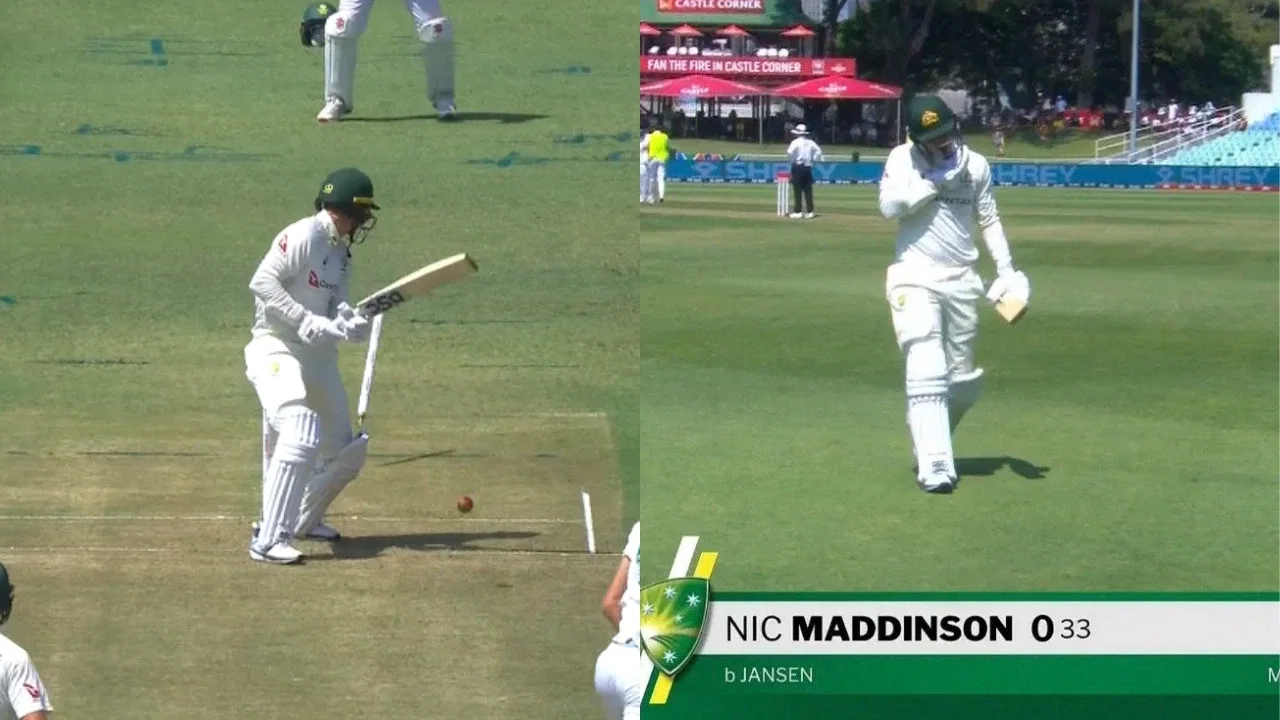
Nic Maddinson bags 33-ball duck on Test comeback, disappoints George Bailey
Imran Tahir predicts 2027 ICC ODI World Cup Semi-Finalists, snubs India for title
Australia create unwanted history with first all-30-plus Test XI