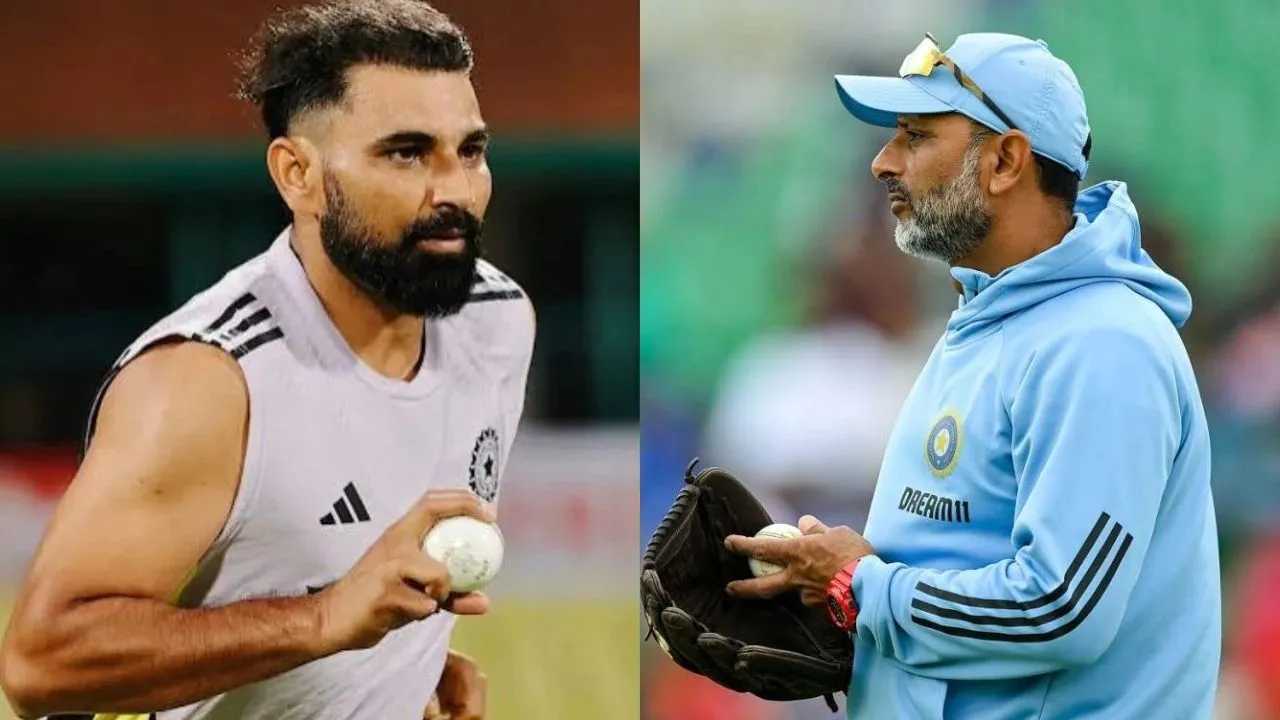
AB de Villiers attacks KL Rahul and others for “way too conservative” approach in Lord’s Test

India’s Loss at Lord’s Sparks Controversy Among Cricket Experts
India’s recent defeat at Lord’s against England has stirred up a storm of criticism and debate within the cricket community. The Men in Blue were tasked with chasing a modest target of 193 runs over four sessions after a stellar performance by the Indian bowlers, restricting England to just 192 runs in the second innings. Despite being the clear favorites, India fell short, losing the match by 22 runs.
AB de Villiers Criticizes Indian Top-Order
Former South African cricketer and ex-Royal Challengers Bangalore star AB de Villiers has been vocal in his criticism of the Indian top-order batsmen. De Villiers lamented the lack of intent shown by the top 5 batters in the Indian lineup, attributing their conservative approach to the team’s defeat. He expressed his belief that the Indian batsmen missed an opportunity to take the attack to the English bowlers and apply pressure, ultimately leading to their downfall.
De Villiers questioned India’s strategy of playing conservatively, especially considering the low target and the team’s history of success when playing with intent. He highlighted the contrast between the approach of the top-order batsmen and the tailenders, notably praising the efforts of all-rounder Ravindra Jadeja and the lower-order batsmen who fought valiantly in the face of defeat.
AB de Villiers Acknowledges India’s Bowling Excellence
Despite his criticism of the Indian top-order, AB de Villiers commended the performance of the Indian bowlers in the match. He praised bowlers like Jasprit Bumrah, Mohammed Siraj, Washington Sundar, and others for their exceptional efforts in the second innings. Sundar’s impressive figures of 4/22, which included dismissing key English players like Joe Root and Ben Stokes, earned special recognition from de Villiers.
De Villiers emphasized his belief that India’s bowling attack is superior to England’s batting lineup and that the bowlers were doing their job effectively. He pointed out that the Indian batters need to capitalize on the starts they get and maintain momentum throughout their innings to secure victories.
Herschelle Gibbs Joins the Chorus
AB de Villiers is not alone in his critique of India’s performance at Lord’s. Former South African cricketer Herschelle Gibbs also expressed disappointment with the Indian top-order’s lack of intent in the second innings. Gibbs specifically called out Jasprit Bumrah for his passive approach despite his ability to score quickly, questioning why the same aggressive intent he shows in limited-overs cricket was absent in the Test match.
Overall, the consensus among experts like de Villiers and Gibbs is that intent and aggression are crucial in all forms of cricket, including Test matches. The defeat at Lord’s serves as a reminder to the Indian team that a proactive approach with the bat is essential to secure victories, even in the longest format of the game.
India’s Struggle with Predictions and Consistency
While the criticism from cricket experts like AB de Villiers and Herschelle Gibbs sheds light on India’s recent loss at Lord’s, it also raises questions about the team’s ability to predict outcomes and maintain consistency in their performances. The unpredictability of cricket as a sport is well-known, with matches often swinging in unexpected directions based on various factors such as pitch conditions, weather, and player form.
However, for a team like India, known for its depth of talent and strong performances in all formats of the game, the challenge lies in translating that potential into consistent results. The Lord’s defeat serves as a stark reminder that even the best teams can falter under pressure and that the margin for error in international cricket is razor-thin.
The Role of Captains in Decision-Making
Another aspect that experts and fans alike have been debating is the role of team captains in decision-making during crucial moments in a match. In the case of India’s loss at Lord’s, Virat Kohli’s captaincy has come under scrutiny for some of the tactical choices made during the chase. While Kohli’s aggressive style of leadership is often lauded for its passion and intensity, there are instances where a more calculated approach might be warranted.
Cricket is a game of strategy and timing, where captains have to make split-second decisions that can impact the outcome of a match. Finding the right balance between aggression and caution is key, especially in high-pressure situations like a run chase in a Test match. Kohli’s leadership style, which is known for its aggressive intent, may need to be tempered with a more measured approach when the situation demands it.
Learning from Defeats and Moving Forward
Despite the disappointment of the loss at Lord’s, defeats can often serve as valuable learning experiences for teams and players alike. It is during challenging times that character is tested, and the true mettle of a team is revealed. India’s cricketing history is replete with examples of comebacks and triumphs following setbacks, showcasing the resilience and determination of its players.
As the team reflects on the reasons for their loss and analyzes areas for improvement, they have an opportunity to regroup, refocus, and come back stronger in the next match. Cricket is a game of uncertainties, but it is also a game of resilience and adaptability. The ability to learn from mistakes, make necessary adjustments, and forge ahead with renewed determination is what sets champion teams apart.
Looking Ahead to the Future
As India prepares for the next test match against England, the focus will be on regaining momentum, rectifying the mistakes from the previous match, and showcasing the team’s true potential. The cricketing world is eagerly awaiting the response from the Men in Blue, who have shown time and again their ability to bounce back from adversity and emerge victorious.
With a talented squad of players, a passionate fan base, and a rich cricketing legacy to draw inspiration from, India has all the ingredients for a successful resurgence. The defeat at Lord’s may be a bitter pill to swallow, but it could also be the catalyst for a new chapter of triumph and glory for Indian cricket.
By delving deeper into the nuances of cricket strategy, leadership dynamics, and the resilience of teams in the face of defeat, we gain a more comprehensive understanding of the complexities of the sport and the challenges that players and teams face. India’s loss at Lord’s is not just a moment of disappointment but also an opportunity for growth, learning, and ultimately, redemption.
Latest News
Top 10 highest run-chases in T20 cricket history, ft. West Indies’ Ranchi win vs India

Aaryavir Sehwag and Anvay Dravid set to make headlines at U19 Asia Cup 2026
Longest ducks in Test cricket history ft. Nic Maddinson, Shoaib Akhtar
ECB to offer 39 central contracts to England players after Ben Stokes, Mark Wood’s retirement

Steve Smith surpasses Steve Waugh in all-time Test run-scorers’ list

Shane Watson identifies Gautam Gambhir’s biggest problem as India struggle for consistency

Is Bhuvneshwar Kumar in India’s 2027 World Cup plans? Ajinkya Rahane makes revelation

BCCI’s big ₹127 Crore move after injury crisis raises concerns over Team India

Parthiv Patel reveals RCB ignored his Jasprit Bumrah recommendation in IPL 2014 Auction
“Never spoke ill of any faith”: Irfan Pathan hits back at fake news using his name
Nic Maddinson bags 33-ball duck on Test comeback, disappoints George Bailey

Imran Tahir predicts 2027 ICC ODI World Cup Semi-Finalists, snubs India for title
Australia create unwanted history with first all-30-plus Test XI
Ravindra Jadeja returns to Ranji Trophy as Saurashtra announce squad