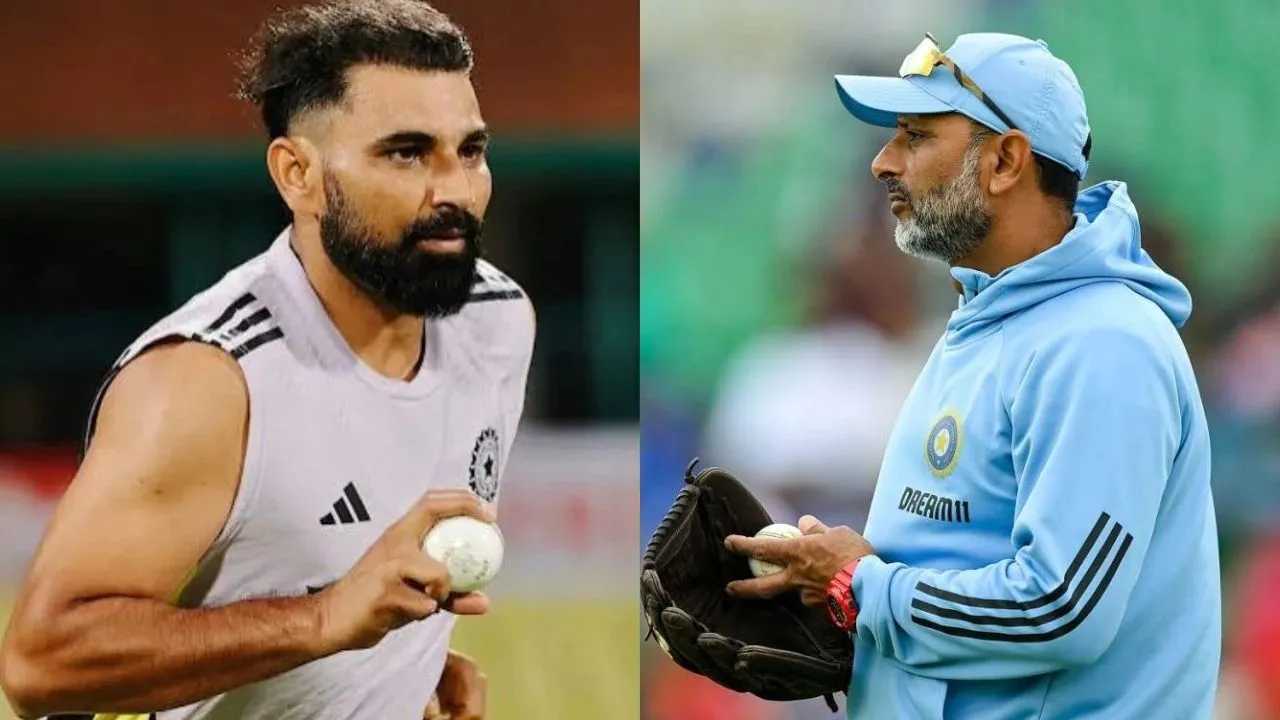
AB de Villiers raises questions over Gautam Gambhir’s future, backs VVS Laxman’s impact
AB de Villiers Hints at Competition for India National Cricket Team Head Coach Position
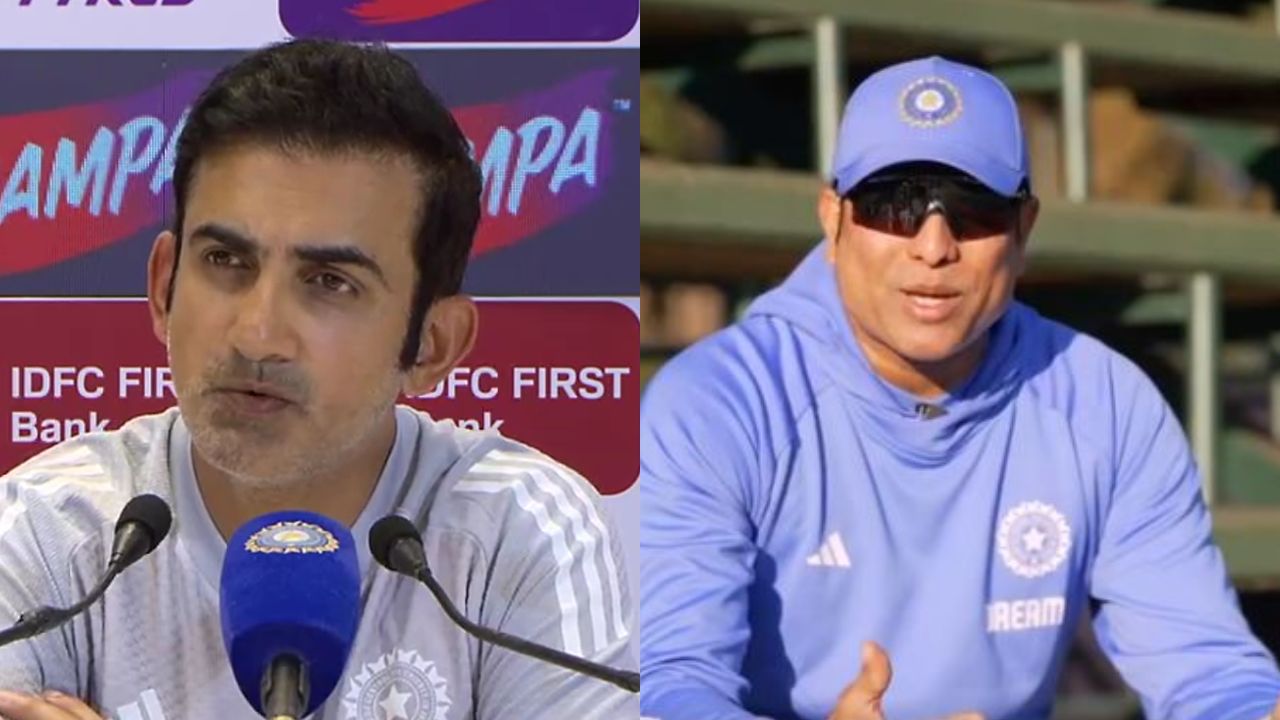
Former South Africa and Royal Challengers Bengaluru (RCB) batter AB de Villiers has sparked speculation about a possible competition for the head coach position of the India National Cricket Team. De Villiers senses tension surrounding the coaching staff following interim coach VVS Laxman’s success during the recently concluded T20I series against Zimbabwe.
Success Under VVS Laxman’s Interim Coaching
During the 3-match T20I series against Zimbabwe, India secured a convincing 3-0 victory with VVS Laxman leading as the interim head coach in the absence of Gautam Gambhir. Shreyas Iyer, who captained the team in the absence of Gambhir, praised Laxman for his coaching approach, emphasizing the freedom he provided to the players. Iyer highlighted the effective communication between Laxman and the team, which contributed to their outstanding performance throughout the series.
Following Laxman’s interim coaching stint, speculation began about the future of Gautam Gambhir as the head coach of the national team. Despite Gambhir’s success in leading India to victories in major tournaments, including the 2025 Champions Trophy and the 2026 T20 World Cup, concerns have been raised about communication and team selection under his leadership.
A Renewed Approach to Coaching
As questions arise about Gambhir’s future, AB de Villiers suggests that there may be a competition brewing between Laxman and Gambhir for the head coach position. De Villiers pointed out Laxman’s successful track record, including victories in the 2023 Asian Games and the 2024 T20I series in South Africa, as well as the recent triumph over Zimbabwe.
De Villiers expressed his observations on his YouTube channel, AB de Villiers 360, stating, “There seems to be a competition. You think you take a break and rest a little bit to man-manage yourself. And the next minute you realise that the players are enjoying someone else’s presence perhaps a bit more. Maybe there is something there with Laxman pushing Gambhir and forcing his hand too.”
Future of Indian Cricket Coaching
With the Board of Control for Cricket in India (BCCI) potentially facing a decision regarding the coaching staff, the performances under both Laxman and Gambhir are under scrutiny. While Gambhir’s success cannot be overlooked, Laxman’s impact on the team and the positive feedback from players like Shreyas Iyer raise questions about the future direction of the coaching set-up.
As the cricketing world awaits the BCCI’s decision, the competition for the head coach position adds an intriguing dynamic to the future of the India National Cricket Team’s coaching staff.
The Role of Communication and Team Dynamics in Coaching
One key aspect that has come to the forefront amidst the speculation surrounding the coaching staff of the India National Cricket Team is the role of communication and team dynamics in coaching. While Gautam Gambhir has led the team to significant victories, concerns have been raised about his communication style and team selection. On the other hand, VVS Laxman’s interim coaching stint during the T20I series against Zimbabwe highlighted the importance of effective communication and fostering a positive team environment.
Effective communication between the coach and players can significantly impact player performance and team cohesion. Providing players with the freedom to express themselves and offering clear guidance can lead to improved morale and better on-field results. Laxman’s approach of empowering the players and fostering open communication channels with the team has been praised by players like Shreyas Iyer, who credited the coach for his role in the team’s success.
The Evolution of Coaching in Cricket
Cricket coaching has evolved significantly over the years, with coaches playing a crucial role in shaping the performance and mindset of players. While traditional coaching methods focused on technical aspects of the game, modern coaching emphasizes holistic development, including mental conditioning, tactical awareness, and communication skills. Coaches are now expected to not only improve players’ skills but also nurture their mental resilience and foster a positive team culture.
As the competition for the head coach position of the India National Cricket Team intensifies, the BCCI faces a decision that goes beyond just picking a candidate based on past success. The future of Indian cricket coaching lies in finding a coach who can strike a balance between technical expertise and effective communication, someone who can inspire the team to achieve greatness both on and off the field.
The Global Impact of Coaching Battles
The competition for coaching positions is not unique to Indian cricket alone. Across the globe, cricketing nations are witnessing similar battles for coaching roles, with former players vying for leadership positions to shape the future of their respective teams. These coaching battles add an element of intrigue and excitement to the cricketing world, as fans speculate on the potential impact of new coaching appointments on team performance and dynamics.
As the coaching landscape in cricket continues to evolve, the focus is shifting towards finding coaches who can adapt to changing player needs, foster strong team dynamics, and lead their teams to success on the global stage. The competition for coaching roles serves as a reminder of the competitive nature of the sport and the constant quest for excellence in coaching methodologies.
Conclusion
As the competition for the head coach position of the India National Cricket Team unfolds, the cricketing world eagerly awaits the BCCI’s decision on the future of the coaching staff. The dynamic between VVS Laxman and Gautam Gambhir highlights the importance of effective communication, team dynamics, and the evolving role of coaches in modern cricket. The outcome of this coaching battle will not only shape the future of Indian cricket but also offer valuable insights into the changing landscape of coaching in the sport.
Latest News
Top 10 highest run-chases in T20 cricket history, ft. West Indies’ Ranchi win vs India
Aaryavir Sehwag and Anvay Dravid set to make headlines at U19 Asia Cup 2026
Longest ducks in Test cricket history ft. Nic Maddinson, Shoaib Akhtar
ECB to offer 39 central contracts to England players after Ben Stokes, Mark Wood’s retirement
Steve Smith surpasses Steve Waugh in all-time Test run-scorers’ list
Shane Watson identifies Gautam Gambhir’s biggest problem as India struggle for consistency
Is Bhuvneshwar Kumar in India’s 2027 World Cup plans? Ajinkya Rahane makes revelation
BCCI’s big ₹127 Crore move after injury crisis raises concerns over Team India
Parthiv Patel reveals RCB ignored his Jasprit Bumrah recommendation in IPL 2014 Auction
“Never spoke ill of any faith”: Irfan Pathan hits back at fake news using his name
Nic Maddinson bags 33-ball duck on Test comeback, disappoints George Bailey
Imran Tahir predicts 2027 ICC ODI World Cup Semi-Finalists, snubs India for title
Australia create unwanted history with first all-30-plus Test XI
Ravindra Jadeja returns to Ranji Trophy as Saurashtra announce squad