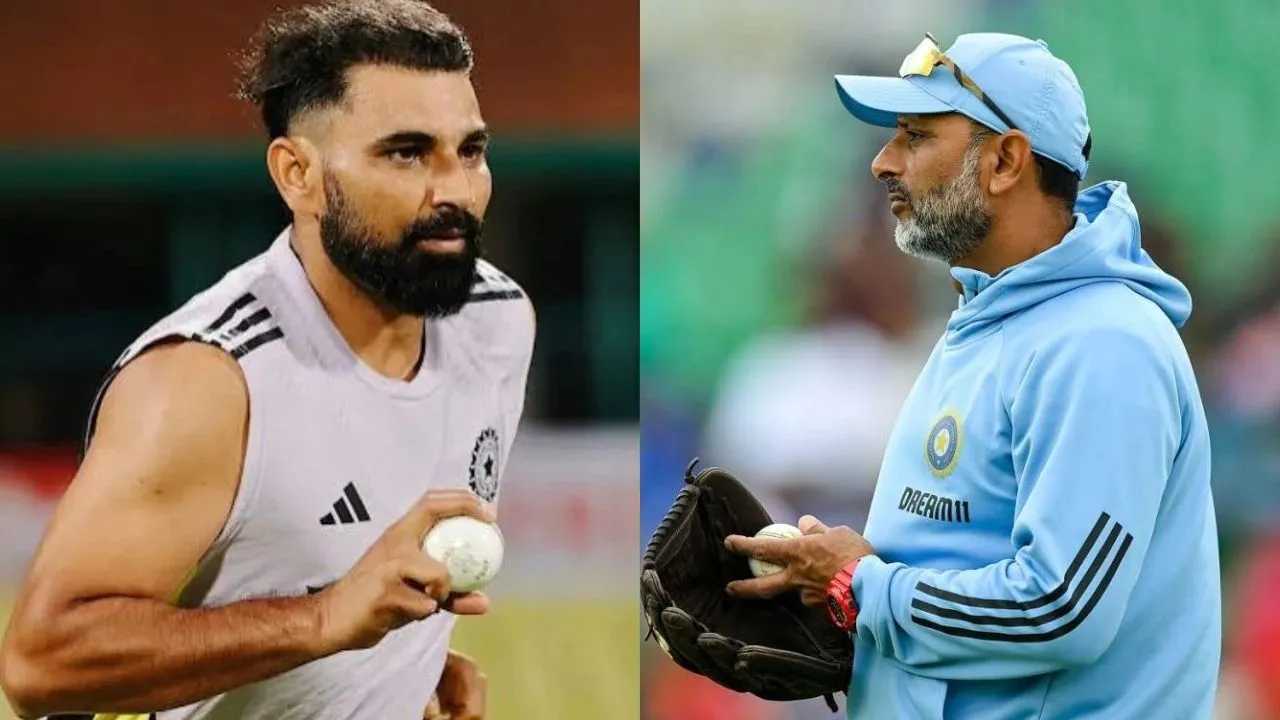
Abhishek Sharma under pressure! Ex-BCCI selector backs Sanju Samson’s India XI return
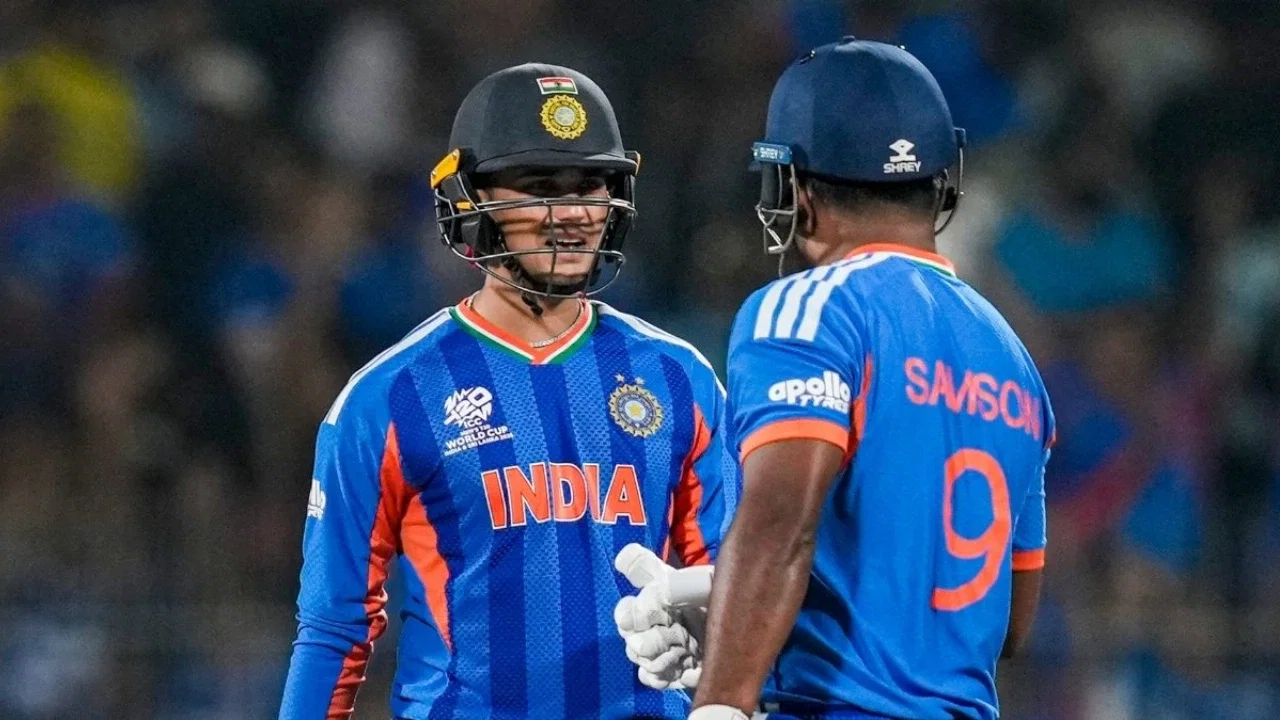
India National Cricket Team Dominates Zimbabwe in T20I Series
The India National Cricket Team put on a dominant performance in the three-match T20I series against Zimbabwe, securing a clean sweep with a 3-0 victory. However, amidst the team’s success, the poor form of young opener Abhishek Sharma has sparked discussions and concerns within the cricketing community.
Abhishek Sharma’s Struggles Raise Eyebrows
Abhishek Sharma failed to make an impact in all three matches against Zimbabwe after a string of poor performances during the England tour. Former Indian chief selector Kris Srikkanth has expressed his belief that tough decisions may need to be made by the current selection panel and team management regarding Abhishek Sharma’s position in the squad.
Despite Abhishek’s struggles, teammate Suryakumar Yadav has voiced his support for the young opener following the Zimbabwe series.
Kris Srikkanth Calls for Sanju Samson’s Return
Following India’s triumph in Zimbabwe, Kris Srikkanth has called for the return of Sanju Samson to the Indian T20I team. Srikkanth believes that Abhishek Sharma’s continued poor form cannot be overlooked, especially considering Sanju’s previous experience with the national team.
Abhishek Sharma’s recent scores have been less than impressive, with only 11 runs in three matches against Zimbabwe, averaging 3.66 with a strike rate of 55.
Srikkanth’s Concerns About Abhishek Sharma’s Batting Style
Srikkanth highlighted that opposing bowlers have seemingly figured out Abhishek Sharma’s batting style, leading to his recent struggles. He emphasized the need for selectors to make tough decisions, suggesting that dropping Abhishek Sharma in favor of Sanju Samson could be the way forward for the team.
Abhishek’s last 10 T20I scores have been consistently low, indicating a need for improvement if he wishes to secure his place in the playing XI.
Mayank Yadav Shines in Zimbabwe Series
While Abhishek Sharma’s form has been a cause for concern, the fast bowler Mayank Yadav emerged as a standout performer during the Zimbabwe series. Making a strong comeback after a two-year absence due to injuries, Mayank displayed excellent pace and control throughout the matches.
Mayank Yadav finished the series as the highest wicket-taker, claiming a total of five wickets in three matches with an impressive performance in the final T20I, where he recorded figures of 3/29.
Former Indian captain Kris Srikkanth commended Mayank’s consistency and expressed optimism about the future of Indian cricket, highlighting the potential of young talents like Ashok Sharma as well.
As the India National Cricket Team looks ahead to future engagements, the discussions surrounding player selections and performances will undoubtedly play a crucial role in shaping the team’s success in upcoming matches.
Abhishek Sharma’s Struggles and Potential Solutions
Abhishek Sharma’s recent dip in form has raised concerns about his spot in the Indian T20I team. While his struggles against Zimbabwe and England have been evident, it is essential to analyze the underlying reasons for his poor performance. Sharma, known for his aggressive batting style, may need to refine his approach and develop more consistency at the international level.
One potential solution could be to provide Sharma with an extended run in the team to allow him to gain confidence and find his rhythm. While dropping him in favor of Sanju Samson is a valid suggestion, nurturing young talent like Sharma could also prove beneficial in the long run. With proper guidance and support from the coaching staff, Abhishek Sharma has the potential to bounce back and showcase his true capabilities on the field.
Importance of Player Rotation and Team Balance
As discussions around player selections continue, it is crucial for the Indian team management to strike a balance between experience and youth. While seasoned players like Virat Kohli and Rohit Sharma provide stability and leadership, integrating younger talents like Mayank Yadav and Ashok Sharma can inject fresh energy and dynamism into the team.
Player rotation policies can also play a significant role in maintaining player fitness and preventing burnout, especially in the fast-paced T20 format. By strategically rotating players based on form and workload management, the Indian team can ensure that all squad members are primed and ready to deliver their best performances when called upon.
Building for the Future: Talent Development and Mentorship
While immediate results are essential, the long-term success of the Indian National Cricket Team hinges on talent development and mentorship programs. Identifying promising young players early in their careers and providing them with the necessary resources and guidance can pave the way for a sustainable pipeline of talent for the national team.
Mentorship from senior players and coaching staff can also play a crucial role in nurturing young talents and helping them navigate the challenges of international cricket. By fostering a culture of continuous learning and growth, the Indian team can ensure that future generations of players are well-equipped to carry on the legacy of excellence.
Looking Ahead: Opportunities and Challenges
As the India National Cricket Team sets its sights on upcoming series and tournaments, the journey ahead is filled with both opportunities and challenges. While the recent success against Zimbabwe showcased the team’s dominance, tougher opponents and competitive environments lie ahead.
It will be imperative for the team management to stay agile in their decision-making, adapt to changing conditions, and foster a culture of resilience and teamwork. By leveraging the strengths of individual players while emphasizing collective performance, the Indian team can position itself as a formidable force in the global cricketing landscape.
As fans eagerly await the next chapter in the Indian cricketing saga, the narratives of triumph, resilience, and evolution will continue to shape the team’s journey towards greater success on the international stage.
Latest News
Top 10 highest run-chases in T20 cricket history, ft. West Indies’ Ranchi win vs India
Aaryavir Sehwag and Anvay Dravid set to make headlines at U19 Asia Cup 2026
Longest ducks in Test cricket history ft. Nic Maddinson, Shoaib Akhtar
ECB to offer 39 central contracts to England players after Ben Stokes, Mark Wood’s retirement
Steve Smith surpasses Steve Waugh in all-time Test run-scorers’ list
Shane Watson identifies Gautam Gambhir’s biggest problem as India struggle for consistency
Is Bhuvneshwar Kumar in India’s 2027 World Cup plans? Ajinkya Rahane makes revelation
BCCI’s big ₹127 Crore move after injury crisis raises concerns over Team India
Parthiv Patel reveals RCB ignored his Jasprit Bumrah recommendation in IPL 2014 Auction
“Never spoke ill of any faith”: Irfan Pathan hits back at fake news using his name
Nic Maddinson bags 33-ball duck on Test comeback, disappoints George Bailey
Imran Tahir predicts 2027 ICC ODI World Cup Semi-Finalists, snubs India for title
Australia create unwanted history with first all-30-plus Test XI
Ravindra Jadeja returns to Ranji Trophy as Saurashtra announce squad