“Absolutely crazy”: Ravichandran Ashwin slams Indian team management for dropping Mohammed Siraj and Ravindra Jadeja
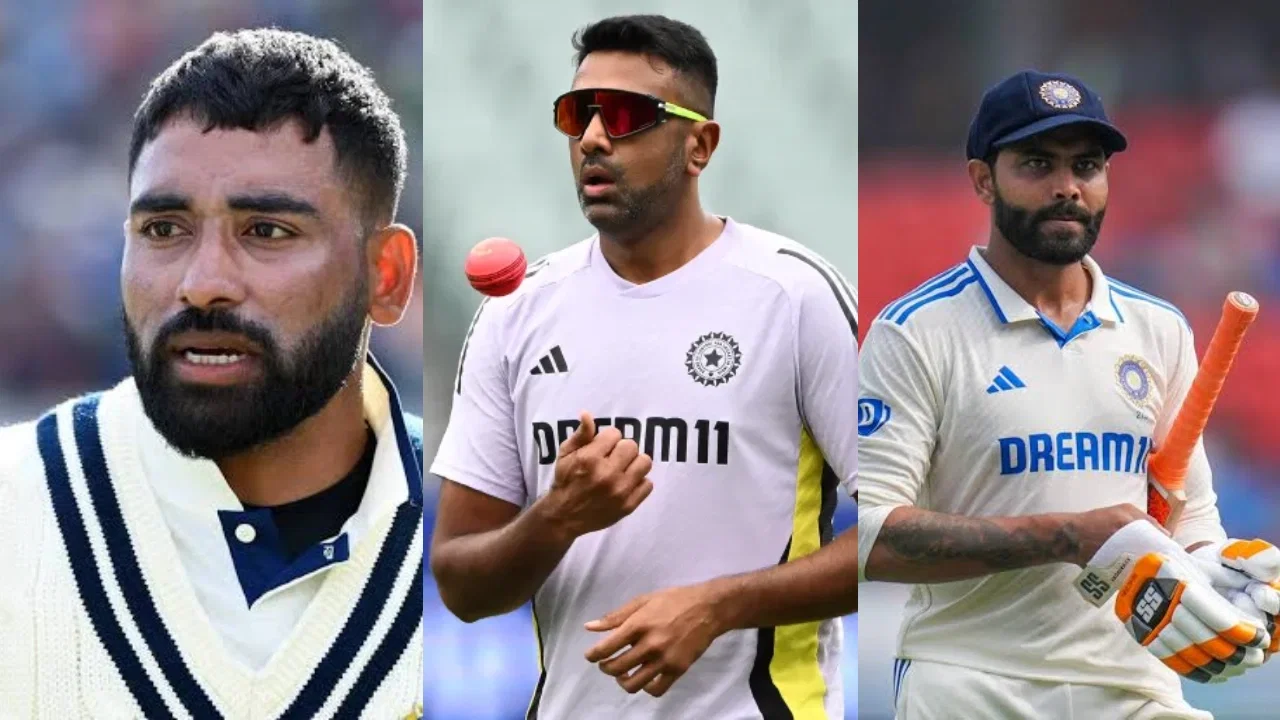
Ravichandran Ashwin Questions India’s Selection for First Test Against New Zealand
India’s team selection for the first Test against the New Zealand National Cricket Team has sparked debate, with senior players Mohammed Siraj and Ravindra Jadeja left out of the playing XI. Former India spinner Ravichandran Ashwin has criticised the decision, describing the selection as “absolutely crazy” and questioning the team management’s approach to repeated changes in the lineup.
In a video shared on his YouTube channel, Ashwin argued that players who have made substantial contributions to Indian cricket should be given the opportunity to earn their place through performance on the field. His comments have renewed discussion about how India balances form, conditions, workload management and long-term planning when choosing a Test team.
Ashwin backs Siraj and Jadeja
Ashwin made a strong case for both omitted players, while acknowledging that their situations are not identical. Jadeja has been a key part of India’s Test setup for years, offering value as a left-arm spinner, lower-order batter and outstanding fielder. Siraj, meanwhile, has developed into one of India’s leading fast bowlers, particularly when Jasprit Bumrah is unavailable or needs support.
Jadeja, now 37, is at a later stage of his professional career, which may prompt selectors to consider succession planning and workload. Siraj, at 32, is younger and remains an important option in India’s pace attack. Ashwin said there could be a debate about Jadeja’s selection, but he did not see a clear reason for leaving Siraj out of the XI.
His central point was that established players should be allowed to compete for their place through their performances rather than being removed from the lineup without a clear opportunity to respond. “They deserve to go out there, fail on their own terms,” Ashwin said, emphasising the contributions both players have made to the national side.
Ashwin added that players who have served the team over a long period deserve chances to demonstrate their value before being dropped. That argument is particularly relevant in Test cricket, where conditions can change from match to match and a player’s role may depend on the pitch, opposition and balance of the side.
Why the playing XI has become a talking point
Team selections are rarely straightforward. A Test XI must provide enough batting depth, a suitable mix of pace and spin, and options for different stages of a match. New Zealand’s strengths, the expected surface and the demands of a multi-day contest can all influence the final combination. Even so, omitting experienced players naturally invites questions when they have been central to India’s plans in previous seasons.
Ashwin said the debate should not be reduced to whether one player is better than another in the abstract. Instead, he argued, the management should explain how the chosen combination fits the conditions and what the selection means for players who have been regular contributors. In his view, clarity matters because selection decisions affect not only the immediate match but also a player’s confidence and understanding of his role.
The former spinner also criticised what he sees as frequent experimentation under head coach Gautam Gambhir. Team combinations must evolve, but constant changes can make it difficult for players to know where they stand. For supporters, the key question is whether the adjustments reflect a consistent strategy or short-term preferences.
Ashwin warns against overlooking the human side
Ashwin’s criticism extended beyond the technical merits of India’s playing XI. He reminded viewers that international cricketers may be professionals, but they are also people who respond to uncertainty, disappointment and changes in responsibility. Being left out can be difficult, particularly for a player who believes he has earned a place through years of service.
“Don’t play with their confidence,” Ashwin said, warning that a loss of confidence could affect a player’s performance and, in turn, the course of a career. He described the team management and selectors as custodians of the game, arguing that their decisions should be guided by balance and cricketing needs rather than personal preferences.
Ashwin also drew on his own experience, noting that he understands what it feels like to be judged or overlooked. His remarks were not simply a defence of two former teammates; they raised a broader question about how elite teams manage players who have helped build their success while continuing to make room for new talent.
What India’s selection could mean going forward
The omission of Siraj and Jadeja may prove to be a match-specific decision, but it has already prompted wider scrutiny of India’s selection policy. If the team performs well, the chosen combination may be viewed as a successful tactical call. If it struggles, questions about the absence of experienced players are likely to intensify.
For selectors, the challenge is to communicate the reasoning behind difficult decisions without undermining the players involved. Clear explanations can help maintain trust, especially when a senior cricketer is left out despite a strong record. They can also reassure supporters that selection is based on a defined plan rather than inconsistent judgment.
Any prediction about the impact of the decision should remain cautious until the match develops. Test cricket can turn on small details: a spell of disciplined bowling, a partnership in the lower order or a change in pitch conditions. Siraj’s pace and Jadeja’s all-round skills might have offered India different options, but the selected XI will now be judged on how effectively it handles the demands of the contest.
Ashwin’s comments have ensured that the debate extends beyond the names on the team sheet. His message is that selection involves more than choosing eleven players: it also requires fairness, communication and respect for those who have contributed to the team. As India’s campaign against New Zealand unfolds, the performance of the chosen combination—and the clarity of the management’s long-term plan—will determine whether this controversial call is seen as a calculated move or a missed opportunity.
Latest News
“Very slim chance”: Wasim Jaffer makes big statement on India’s WTC final qualification hopes
Hasan Mahmud ruled out of 2nd Test vs South Africa, replacement named
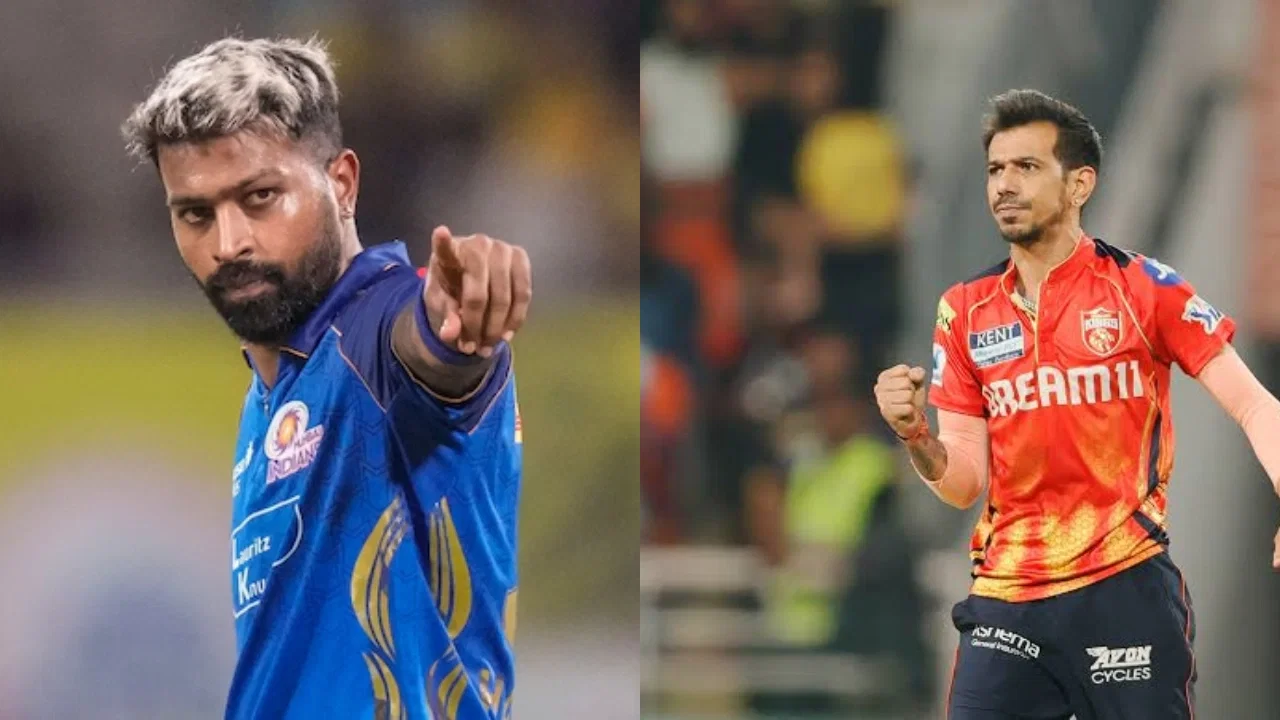
IPL 2027: Yuzvendra Chahal calls Hardik Pandya’s PBKS move a ‘big addition’ to franchise
“Absolutely crazy”: Ravichandran Ashwin slams Indian team management for dropping Mohammed Siraj and Ravindra Jadeja
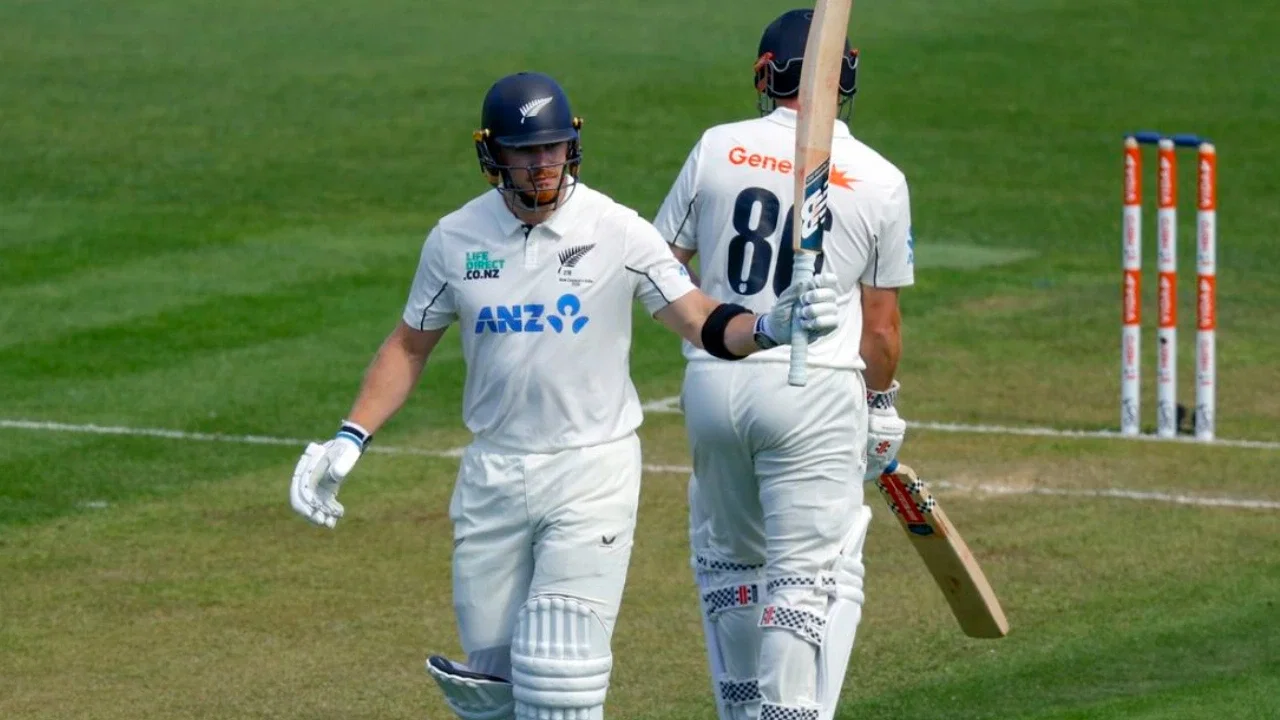
Glenn Phillips on verge of historic three-format century feat against India
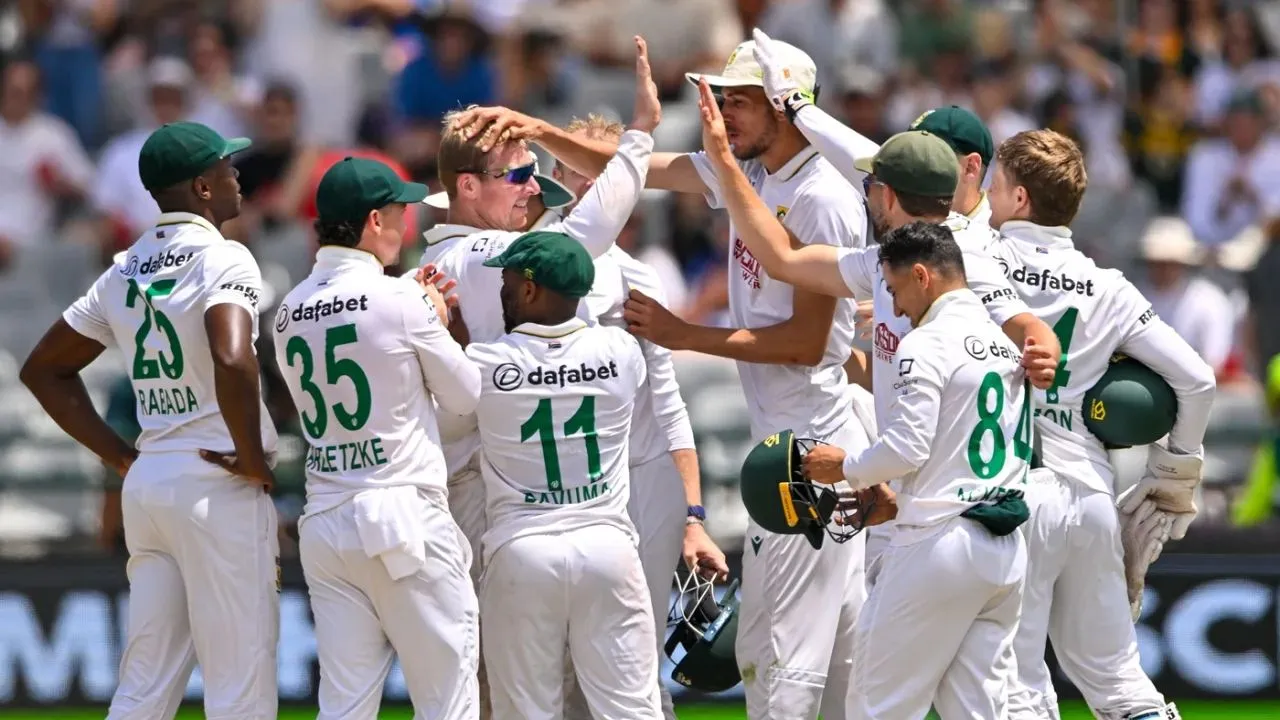
WTC points table after South Africa vs Bangladesh 1st Test, 2026
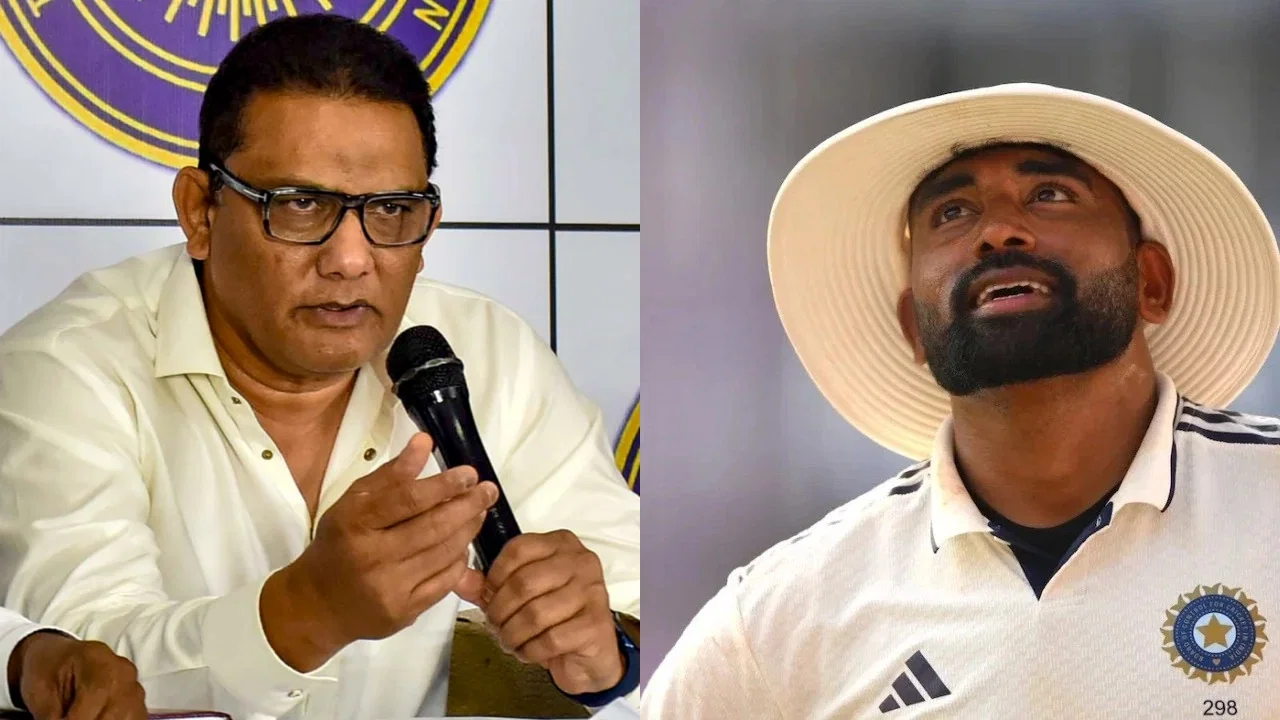
Mohammad Azharuddin “disappointed” with Mohammed Siraj’s exclusion from 1st Test against New Zealand
Temba Bavuma ruled out of 2nd Test against Bangladesh with calf injury
IPL 2027: Paras Mhambrey to join Punjab Kings as bowling coach
Nepal to face Bangladesh at Lord’s as MCC plans special 2027 cricket series
Nahid Rana declared fit set to return for Bangladesh’s ODI series against South Africa
‘India are too dependent on Jasprit Bumrah’: Dinesh Karthik raises concern over bowling attack
Harsh Dubey confident of making India Test debut in 2027 Border-Gavaskar Trophy
4 IPL franchises in race for Yashasvi Jaiswal as Rajasthan Royals explore blockbuster trade