

‘Pakistan used bottle caps’: Shoaib Akhtar takes aim at Sandpapergate debate sparked by Usman Khawaja
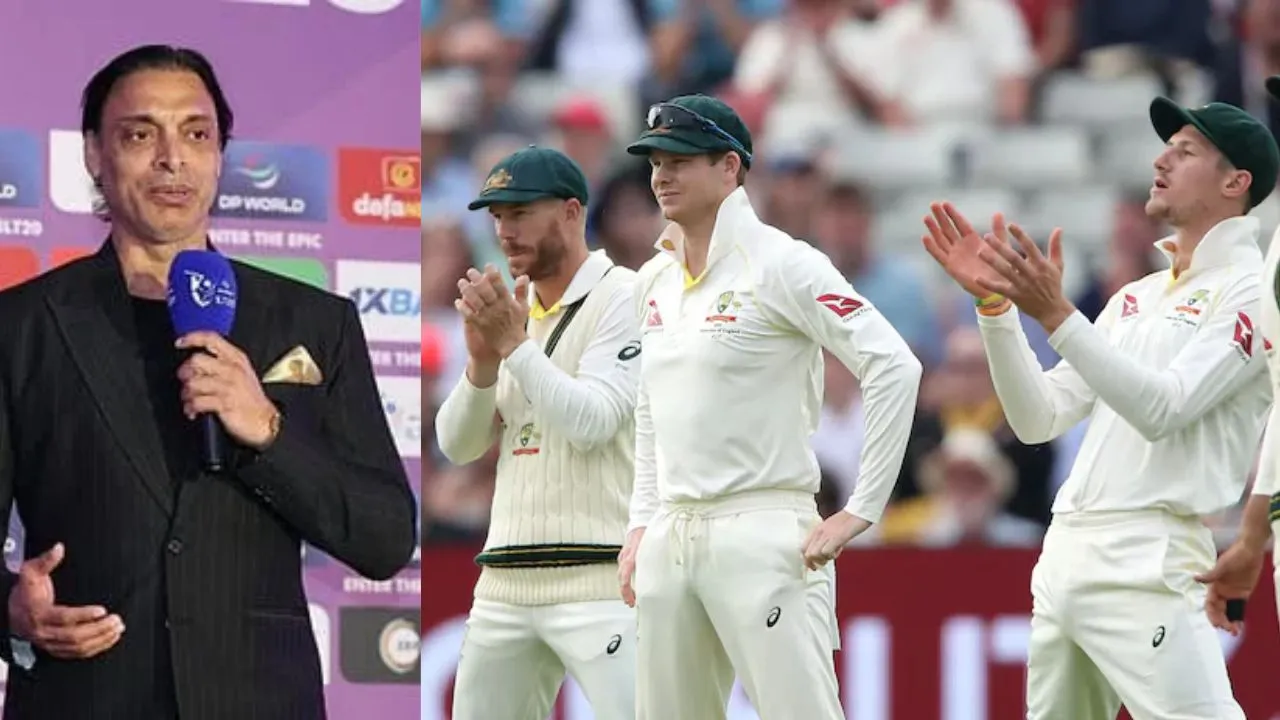
Shoaib Akhtar Urges Cricket to Move On as Sandpapergate Debate Returns
Fresh comments about the 2018 ball-tampering scandal have reopened one of cricket’s most damaging controversies, prompting renewed debate among former players about who knew what—and whether the incident should still dominate discussion years later. Former Pakistan fast bowler Shoaib Akhtar has urged the sport to move forward, while also acknowledging recent claims that the episode may have involved more than the three Australian players who were formally punished.
The controversy resurfaced after former Australia opener Usman Khawaja suggested that knowledge of the ball-tampering plan extended beyond Steve Smith, David Warner and Cameron Bancroft. Khawaja’s remarks have raised questions about the role of the wider team and coaching staff during Australia’s 2018 tour of South Africa. Akhtar has backed the view that such an act would be difficult to carry out without others being aware, but says the timing and manner of the renewed discussion matter.
What happened during the 2018 Sandpapergate scandal?
During the third Test between Australia and South Africa in Cape Town in March 2018, television cameras captured Bancroft attempting to alter the ball’s surface with a piece of yellow sandpaper. The ball was later concealed, and the incident triggered an investigation by Cricket Australia. Smith, then the team’s captain, Warner and Bancroft were found to have breached the game’s rules and received suspensions and other penalties.
The fallout extended well beyond the immediate sanctions. Smith and Warner were barred from international cricket for a year, while Bancroft received a nine-month suspension. Smith and Warner also faced restrictions on leadership roles. The episode damaged Australia’s reputation and prompted wider scrutiny of the intense win-at-all-costs culture that can develop in elite sport.
For many fans, Sandpapergate became a defining moment in modern cricket—not only because of the act itself, but because it raised broader questions about accountability, team culture and the responsibility of senior players. That is why fresh claims about the extent of awareness within the squad have quickly attracted attention.
Akhtar calls for the sport to “let go”
Speaking to Wisden, Akhtar argued that cricket should acknowledge the harm caused by ball tampering without allowing the controversy to become an endless cycle of accusations. He said the incident had damaged the game, but questioned why it was being repeatedly revived.
“Mate, come on. Let go of it now. Why are you making a huge fuss out of this?” Akhtar said, according to comments reported by NDTV. He also referred to practices he said he had encountered during his own career, claiming that players in Pakistan had used bottle tops in England and that balls had sometimes been changed.
Those remarks should be understood as Akhtar’s personal recollection, not as an official finding about a specific match or team. Ball tampering is prohibited under cricket’s laws, and any allegation requires evidence and proper investigation. His comments nevertheless underline a difficult reality: the sport has long grappled with the boundary between legitimate ball maintenance and deliberate attempts to alter a ball’s condition.
Why Akhtar says team awareness is plausible
Akhtar also supported Khawaja’s suggestion that the Sandpapergate episode may not have been limited to a small group. In his view, a plan involving the ball could be difficult to carry out without broader awareness, particularly when a team is relying on reverse swing to gain an advantage.
“It has to be a team decision. It cannot be a couple of guys’ decision,” Akhtar said, while acknowledging that players during his era had engaged in improper conduct with the ball. He added that the latest claims had created “absolute chaos” and said that, although Khawaja was right to speak, the timing could have been better.
That distinction is important. Akhtar’s support for Khawaja’s interpretation does not itself prove that every Australian player or member of the coaching staff knew about the plan. Rather, it reflects a former fast bowler’s view of how team environments can operate—and why responsibility in a high-pressure dressing room may extend beyond the players directly involved.
“I’ve got a lot to say,” but Akhtar avoids naming former teammates
Akhtar said he could share more stories about questionable conduct by former teammates, but does not want to publicly expose individuals or trigger new controversies. He described the uncertainty he felt while playing, saying he sometimes wondered whether the people on the field could be trusted.
His comments point to a recurring challenge for cricket: former players may possess personal accounts of misconduct, but speaking publicly can affect reputations long after careers have ended. Silence, however, can also leave unresolved questions about how widespread certain practices were. The balance between transparency, evidence and fairness remains central to the debate.
A wider lesson for cricket’s integrity and culture
The renewed Sandpapergate discussion is not simply about revisiting an old punishment. It highlights how teams establish standards, how leaders respond when rules are broken and whether sporting institutions can create environments where players feel able to challenge misconduct.
Cricket has since strengthened its focus on integrity, education and the conduct expected of players and support staff. Yet rules and penalties alone cannot guarantee trust. That depends on consistent enforcement, clear accountability and a team culture in which winning does not take priority over the spirit of the game.
Akhtar’s comments are therefore likely to fuel further discussion rather than settle it. His call to move on sits alongside his support for Khawaja’s claim that the incident may have involved a wider circle. For supporters following the latest Sandpapergate prediction and reaction, the most likely outcome is continued debate—not a simple resolution. The central question remains whether new claims will be supported by further evidence, or whether the controversy will remain a clash of recollections about one of cricket’s most consequential scandals.
Latest News
“Very slim chance”: Wasim Jaffer makes big statement on India’s WTC final qualification hopes

Hasan Mahmud ruled out of 2nd Test vs South Africa, replacement named

IPL 2027: Yuzvendra Chahal calls Hardik Pandya’s PBKS move a ‘big addition’ to franchise

“Absolutely crazy”: Ravichandran Ashwin slams Indian team management for dropping Mohammed Siraj and Ravindra Jadeja

Glenn Phillips on verge of historic three-format century feat against India

WTC points table after South Africa vs Bangladesh 1st Test, 2026

Mohammad Azharuddin “disappointed” with Mohammed Siraj’s exclusion from 1st Test against New Zealand

Temba Bavuma ruled out of 2nd Test against Bangladesh with calf injury
IPL 2027: Paras Mhambrey to join Punjab Kings as bowling coach
Nepal to face Bangladesh at Lord’s as MCC plans special 2027 cricket series

Nahid Rana declared fit set to return for Bangladesh’s ODI series against South Africa

‘India are too dependent on Jasprit Bumrah’: Dinesh Karthik raises concern over bowling attack

Harsh Dubey confident of making India Test debut in 2027 Border-Gavaskar Trophy

4 IPL franchises in race for Yashasvi Jaiswal as Rajasthan Royals explore blockbuster trade

