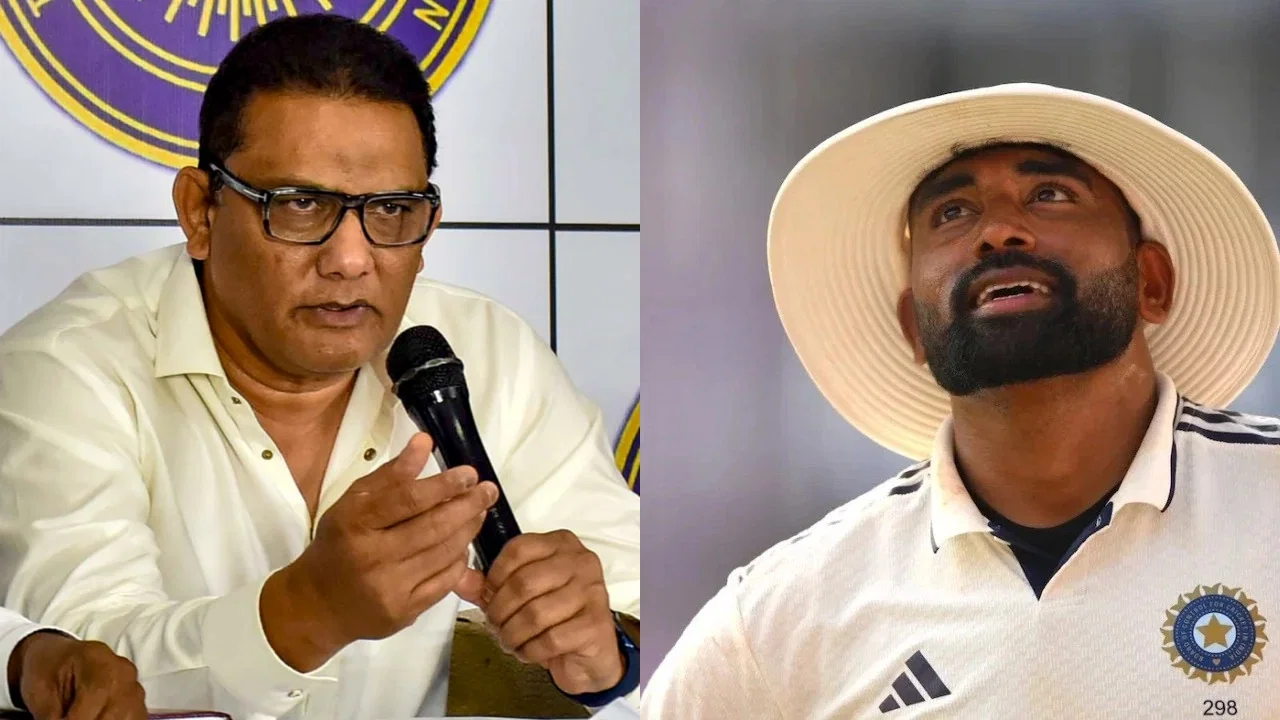
Mohammad Azharuddin “disappointed” with Mohammed Siraj’s exclusion from 1st Test against New Zealand
Mohammed Siraj’s Absence Raises Questions as India Face New Zealand in Wellington
Mohammed Siraj’s omission from India’s playing XI for the first Test against New Zealand surprised many fans, particularly given the fast bowler’s recent importance to the team. With the match under way at Wellington’s Basin Reserve, former India captain Mohammad Azharuddin publicly questioned the decision, saying Siraj’s past contributions deserved careful consideration.
Azharuddin also wished debutant Anshul Kamboj well, but stressed that India’s team management should explain the selection call clearly and respectfully to Siraj. The debate has added an off-field talking point to a Test that began with early movement for the Indian seamers before New Zealand fought back on the opening day.
India’s Pace Selection for the First Test
India selected four specialist fast bowlers for the match: returning spearhead Jasprit Bumrah, Anshul Kamboj, Akash Deep and Prasidh Krishna. Siraj, who has often carried a heavy workload in Bumrah’s absence, was left out of the XI.
The decision reflects the difficult choices facing selectors in a conditions-dependent Test. Wellington is known for its breeze and its potential to assist swing bowling, while the surface can reward disciplined seamers early in a match. India’s combination appears to have been built around that opportunity, with Bumrah leading an attack that includes both experience and newer options.
Bumrah made an immediate impact, taking three wickets on the first day. Kamboj and Akash Deep claimed one apiece, while Krishna had not taken a wicket by stumps. Those figures offered an early indication of the attack’s potential, though the match remained finely balanced as New Zealand’s middle order rebuilt.
Azharuddin Says Siraj Deserved Stronger Consideration
In a post on X on November 19, Azharuddin expressed disappointment that Siraj was not included. He pointed to the bowler’s performances when India needed him to shoulder responsibility, especially during periods when Bumrah was unavailable.
“His performances, especially when Team India needed him in Bumrah’s absence, have shown his commitment, ability and fighting spirit,” Azharuddin wrote, adding that Siraj had repeatedly stepped up for the country. He wished Kamboj the best but said he believed Siraj “deserved better consideration.”
Azharuddin also highlighted the importance of communication between a team and a player. Selection decisions are part of professional cricket, but explaining the reasoning can help maintain trust and give a player clarity about his role. His comments therefore addressed not only the choice of XI, but also how such decisions are handled within a high-performance environment.
Why Siraj’s Role Has Become a Talking Point
Siraj has established himself as a dependable Test bowler through his ability to maintain intensity across long spells. His value is not limited to taking wickets: he can build pressure, attack the stumps and keep a contest alive when conditions become less helpful. That work rate has made him an important part of India’s pace plans in recent seasons.
Leaving out a bowler with that record is likely to prompt discussion, especially when the match is played in conditions traditionally associated with fast bowling. At the same time, team selection involves balancing workload, form, fitness, tactical match-ups and the specific qualities a captain wants from the attack. Without an official explanation, it is difficult to know which factors carried the most weight in this decision.
India Strike Early, but New Zealand Recover
India’s seamers made a promising start after New Zealand began its innings. The hosts lost captain Tom Latham and experienced batter Devon Conway inside the first four overs, giving the visitors an early chance to take control. Bumrah’s precision and Kamboj’s movement helped India make the most of the conditions.
New Zealand, however, responded through Henry Nicholls and Glenn Phillips. Their partnership steadied the innings and shifted momentum back towards the home side. By the close of play on Day 1, New Zealand had reached 243 for five. Nicholls was unbeaten on a century, while Phillips was just six runs short of his own hundred and set to resume alongside him on the second morning.
The recovery means India’s bowlers will face a significant test when play resumes. The new ball had offered movement and early rewards, but as it ages, the challenge often changes. The Indian attack will need to stay patient, vary its lengths and use reverse swing or subtle changes in pace if the pitch offers less assistance.
Old-Ball Bowling Could Shape the Next Phase
India’s ability to make inroads with the older ball may prove decisive. Nicholls and Phillips have already shown that New Zealand can score freely once its batters settle, so the visitors will need to prevent the pair from turning a recovery into a commanding total. Consistent lines, sharp fielding and well-planned spells could matter as much as raw pace.
The first day also underlined why pace depth is valuable across a long Test. A four-man seam attack can distribute the workload, but each bowler must contribute at different stages: the opening burst, the middle overs and the periods when the ball loses its shine. India’s selection will be judged not only by the first session’s wickets, but by how effectively the group handles the demands ahead.
What to Watch on Day 2
The immediate focus will be on whether Phillips reaches his century and how long the Nicholls-Phillips partnership lasts. If New Zealand adds a substantial total, India may have to bat under pressure. If the visitors break through early, they can prevent the hosts from turning a competitive position into a decisive advantage.
Siraj’s omission will remain part of the wider conversation, but the match itself will provide the clearest evidence of how India’s chosen combination performs. Any prediction about the outcome is premature while New Zealand’s set batters remain at the crease. The next session could quickly tilt the balance, making the contest—and the debate over India’s pace selection—one to follow closely.
Latest News
“Very slim chance”: Wasim Jaffer makes big statement on India’s WTC final qualification hopes
Hasan Mahmud ruled out of 2nd Test vs South Africa, replacement named

IPL 2027: Yuzvendra Chahal calls Hardik Pandya’s PBKS move a ‘big addition’ to franchise
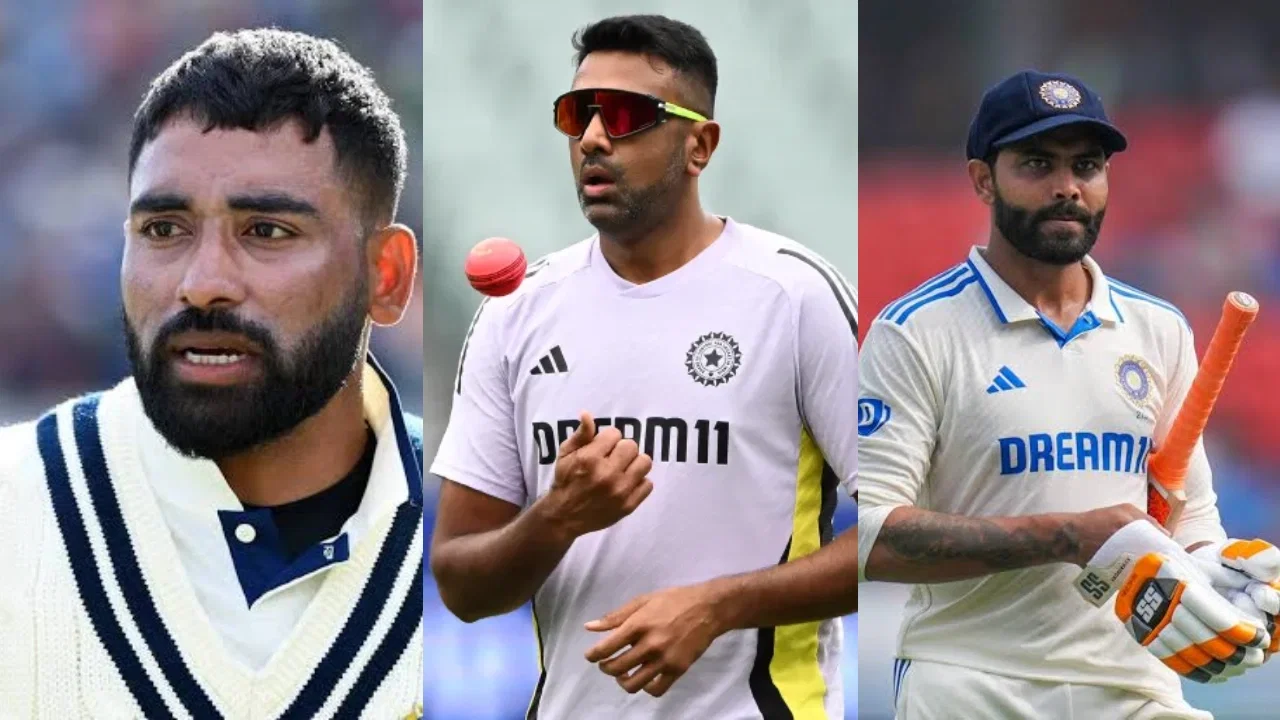
“Absolutely crazy”: Ravichandran Ashwin slams Indian team management for dropping Mohammed Siraj and Ravindra Jadeja
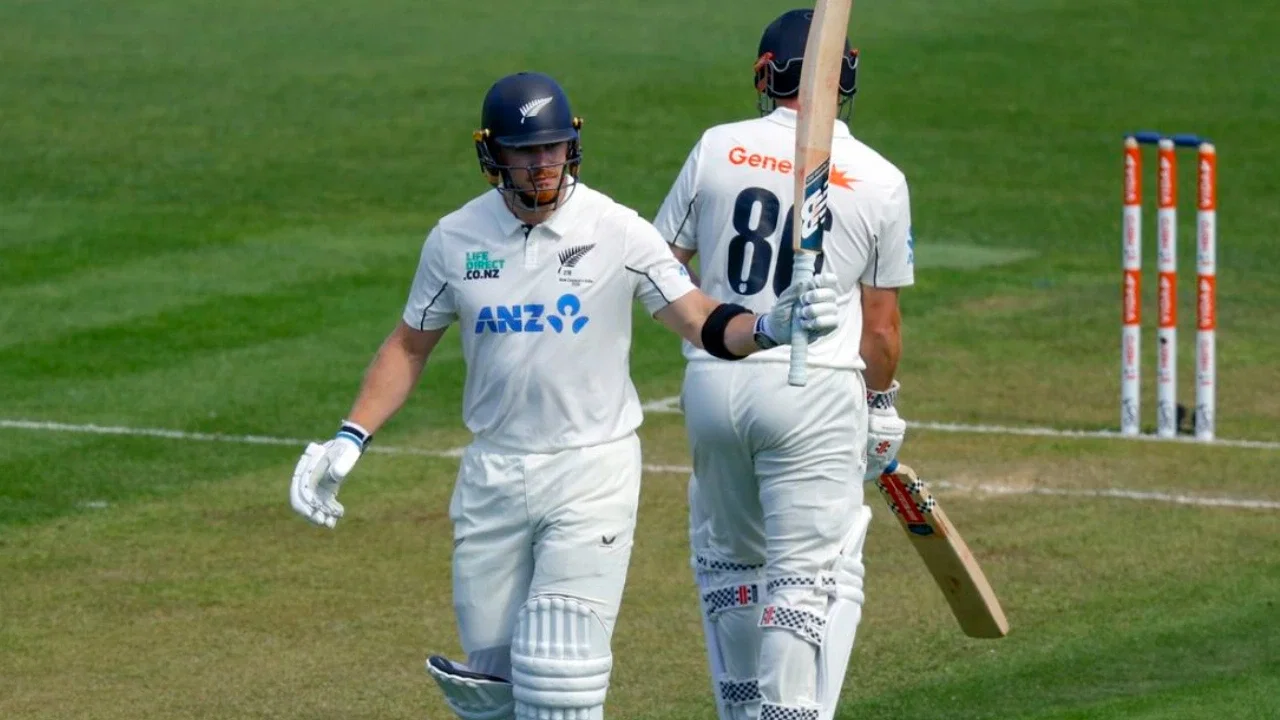
Glenn Phillips on verge of historic three-format century feat against India
WTC points table after South Africa vs Bangladesh 1st Test, 2026
Mohammad Azharuddin “disappointed” with Mohammed Siraj’s exclusion from 1st Test against New Zealand
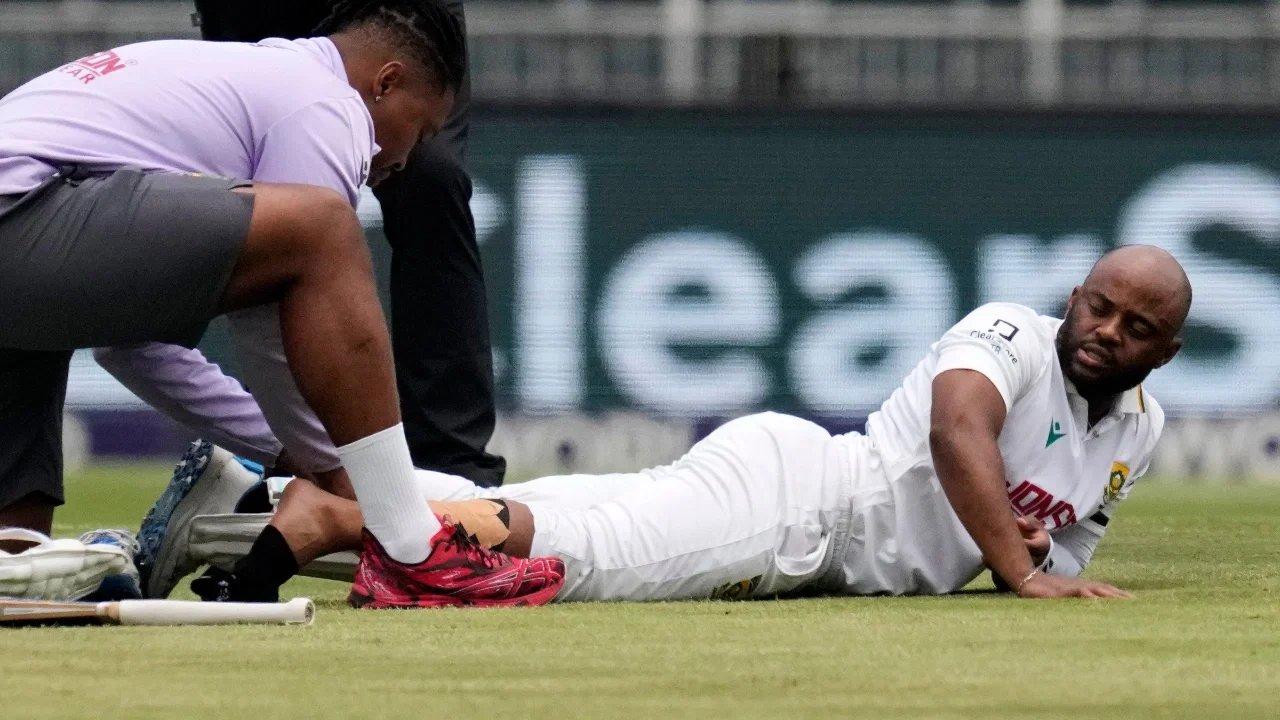
Temba Bavuma ruled out of 2nd Test against Bangladesh with calf injury
IPL 2027: Paras Mhambrey to join Punjab Kings as bowling coach
Nepal to face Bangladesh at Lord’s as MCC plans special 2027 cricket series

Nahid Rana declared fit set to return for Bangladesh’s ODI series against South Africa
‘India are too dependent on Jasprit Bumrah’: Dinesh Karthik raises concern over bowling attack
Harsh Dubey confident of making India Test debut in 2027 Border-Gavaskar Trophy
4 IPL franchises in race for Yashasvi Jaiswal as Rajasthan Royals explore blockbuster trade