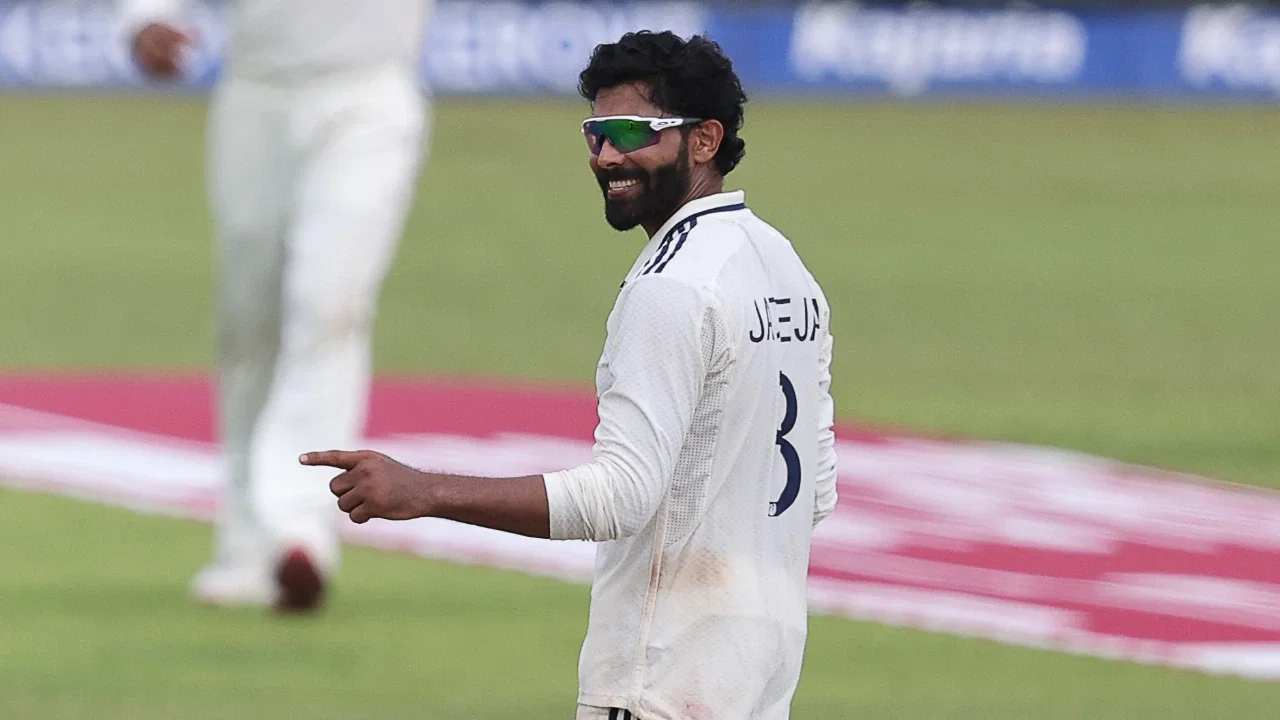
Ajinkya Rahane fires shots at Gautam Gambhir for choosing Washington Sundar over Axar Patel

Ajinkya Rahane Questions Axar Patel’s Absence in India’s First Match at the 2026 T20 World Cup
India suffered a disappointing loss in their first match at the 2026 T20 World Cup against South Africa at the Narendra Modi Stadium in Ahmedabad. The Men in Blue were bundled out for 111 runs while chasing a target of 188 runs. The defeat has raised questions about India’s high-risk, high-reward game strategy and team selection.
Rahane Questions Team Selection
After the match, former Indian batter Ajinkya Rahane criticized the decision to exclude vice-captain Axar Patel from the playing XI against South Africa. Rahane, along with others, expressed surprise at the choice to play Washington Sundar over Patel.
Rahane’s Concerns
Rahane highlighted the fact that South Africa had three left-handed batters in their lineup, including top-order batsmen like Quinton de Kock, Ryan Rickelton, and David Miller. Rahane emphasized Patel’s strong record against left-handers and questioned the decision to leave him out of the team.
Speaking on Cricbuzz, Rahane said, “I’m really surprised Axar Patel is not playing the match. I don’t understand what is happening. Washington Sundar is a quality player — no one is against him — but Axar has been doing so well for India in different situations. Sometimes when you try to be too smart selection-wise, that can hamper you.”
Importance of Axar Patel
Rahane also pointed out that Sundar’s bowling might not necessarily be limited to left-handers, whereas Patel’s effectiveness against them is well-established. He cited the example of Keshav Maharaj’s success against India’s left-handed batters in the match. Rahane stressed the importance of including quality players in the team, especially those who have performed well in challenging situations.
Former England captain Michael Vaughan also criticized the team management for their decision to exclude Patel from the playing XI. Vaughan highlighted Patel’s crucial innings in the 2024 T20 World Cup final against the same opposition, where he played a significant role in India’s recovery.
India’s Path Forward
Following the defeat, India faces an uphill battle to qualify for the knockout stages. They need to win their remaining matches against Zimbabwe and the West Indies, while also focusing on improving their net run rate. India will be hoping for South Africa to win all their group fixtures to increase their chances of progressing.
The Men in Blue will be up against Zimbabwe next at the MA Chidambaram Stadium in Chennai on Thursday. The team will need to regroup and make strategic decisions to bounce back from their initial setback and keep their T20 World Cup hopes alive.
Overall, the exclusion of Axar Patel from India’s first match has sparked debate and raised questions about the team’s selection strategy, especially in crucial tournaments like the T20 World Cup.
Impact of Axar Patel’s Absence
Axar Patel’s absence in India’s first match at the 2026 T20 World Cup has not only raised eyebrows among fans and experts but has also highlighted the importance of strategic team selection in high-stakes tournaments. Patel, known for his accuracy, variations, and ability to trouble left-handed batters, could have potentially made a difference in the outcome of the match against South Africa.
His exclusion from the playing XI has underscored the significance of picking players based on match-ups and past performances, especially in T20 cricket where one over or one good spell can change the course of the game. Rahane’s critique of the decision to leave out Patel shines a light on the intricate balance between sticking to a winning formula and adapting to match situations.
Strategic Decision-making in T20 Cricket
The T20 format is known for its fast-paced nature, where quick decisions and adaptability are key to success. Team selection plays a crucial role in determining the outcome of a match, as the margin for error is minimal in such a condensed format. Captains and coaches need to strike a balance between playing to the team’s strengths and exploiting the opposition’s weaknesses.
The debate surrounding Axar Patel’s exclusion serves as a reminder of the complexities involved in strategic decision-making in T20 cricket. It highlights the need for thorough analysis, foresight, and a clear understanding of player roles and match conditions when crafting a winning combination.
Learning from Setbacks
While India’s loss in their opening match was a setback, it presents an opportunity for introspection and course correction. The team can use this experience to reassess their strategies, identify areas for improvement, and come back stronger in the upcoming matches. Adversity often serves as a catalyst for growth and can galvanize a team to perform better under pressure.
By reflecting on the decision-making process leading up to the match against South Africa and considering the feedback from experts like Rahane and Vaughan, India’s think tank can refine their approach and make informed selections moving forward. The T20 World Cup is a challenging competition that demands precision and adaptability, and India will need to harness these qualities to stay competitive.
Looking Ahead
As India prepares to face Zimbabwe in their next match, they have an opportunity to regroup, recalibrate their strategies, and showcase their resilience. The team’s ability to bounce back from setbacks and maintain a positive mindset will be crucial in their quest to secure a spot in the knockout stages of the tournament.
With talented players like Axar Patel waiting in the wings, India has the depth and skill to overcome challenges and make a strong comeback. The lessons learned from the loss to South Africa can serve as a stepping stone towards success, providing valuable insights into the team’s strengths and areas of improvement.
Conclusion
The exclusion of Axar Patel from India’s first match at the 2026 T20 World Cup has sparked a discussion around team selection, strategic decision-making, and the dynamic nature of T20 cricket. As India navigates through the group stage matches, they will need to leverage their resources effectively, make tactical adjustments, and exhibit resilience in the face of adversity.
Ultimately, the T20 World Cup is a test of skill, strategy, and temperament, and India’s journey in the tournament will be defined by their ability to learn from setbacks, make prudent decisions, and execute their plans with precision. With the spotlight on team selection and performance, every match presents an opportunity for redemption and growth as India vies for glory on the global stage.
Latest News
New Zealand suffer blow as William O’Rourke misses India ODIs and Tests
Top 10 highest run-chases in T20 cricket history, ft. West Indies’ Ranchi win vs India
Aaryavir Sehwag and Anvay Dravid set to make headlines at U19 Asia Cup 2026
Longest ducks in Test cricket history ft. Nic Maddinson, Shoaib Akhtar
ECB to offer 39 central contracts to England players after Ben Stokes, Mark Wood’s retirement
Steve Smith surpasses Steve Waugh in all-time Test run-scorers’ list

Shane Watson identifies Gautam Gambhir’s biggest problem as India struggle for consistency
Is Bhuvneshwar Kumar in India’s 2027 World Cup plans? Ajinkya Rahane makes revelation
BCCI’s big ₹127 Crore move after injury crisis raises concerns over Team India
Parthiv Patel reveals RCB ignored his Jasprit Bumrah recommendation in IPL 2014 Auction
“Never spoke ill of any faith”: Irfan Pathan hits back at fake news using his name
Nic Maddinson bags 33-ball duck on Test comeback, disappoints George Bailey
Imran Tahir predicts 2027 ICC ODI World Cup Semi-Finalists, snubs India for title
Australia create unwanted history with first all-30-plus Test XI