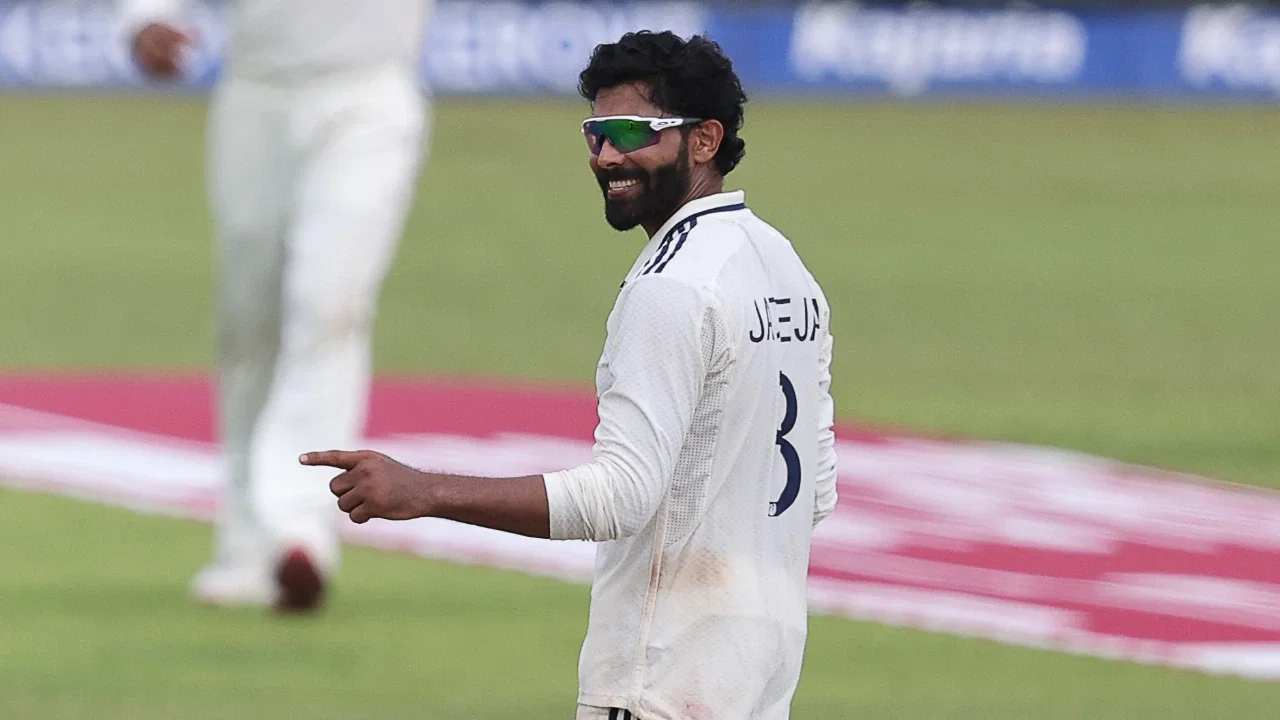
Ajit Agarkar issues official statement on Virat Kohli receiving special treatment for fitness test in London
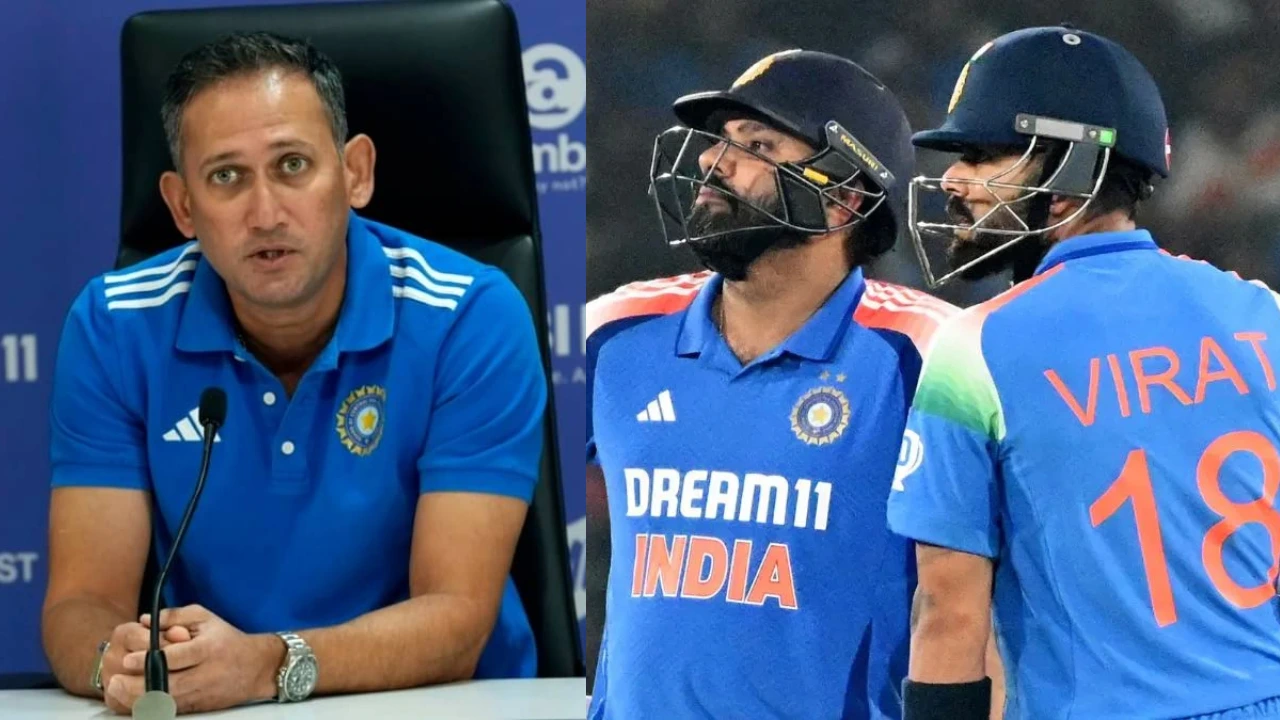
Virat Kohli Given Special Treatment by BCCI to Undergo Fitness Test in London
Chairman of selectors Ajit Agarkar recently addressed the rumors surrounding Indian cricket team captain Virat Kohli undergoing a fitness test in London before the upcoming Australia tour. Agarkar confirmed that Kohli, along with other players, had met the required fitness standards to be considered for selection for the forthcoming series.
Both Kohli and Rohit Sharma are gearing up for their return to international cricket after being named in the squad for the three-match ODI series in Australia. This series holds immense significance as it could play a pivotal role in determining their long-term positions within the team and their prospects of playing until the 2027 World Cup in South Africa, Zimbabwe, and Namibia.
Controversy Surrounding Kohli’s Fitness Test
Earlier this year, the BCCI mandated all centrally contracted cricketers to undergo fitness assessments at the Centre of Excellence in Bengaluru. Several players, including Rohit Sharma, Shubman Gill, Jasprit Bumrah, and Mohammed Siraj, participated in the tests. However, Virat Kohli was notably absent from the camp.
Subsequent reports claimed that Kohli had been granted special permission by the BCCI to conduct his fitness evaluation in London, with the results being shared with the Center of Excellence. This development sparked a heated debate on social media, with many questioning whether Kohli received preferential treatment.
Ajit Agarkar’s Statements
During a press conference following the squad announcement, Chief Selector Ajit Agarkar addressed the issue of Kohli’s fitness test. Agarkar affirmed that all selected players, including Kohli, had completed the necessary fitness assessments and were deemed fit for selection.
Agarkar stated, “I think they’ve both done their fitness tests or the fitness norms that have been suggested… Everyone who’s been picked has been declared fit and available. So, I haven’t heard anything other than that.” He further emphasized that before the selection process, the names of players are provided to the Center of Excellence, which then informs the selectors about their fitness status.
Focus on Scoring Runs
Shubman Gill was named as India’s ODI captain, with Rohit Sharma focusing solely on his batting contributions. Agarkar highlighted that the primary goal for both Sharma and Kohli is to continue scoring runs in the ODI format.
Agarkar expressed his hope that both players would participate in the upcoming Vijay Hazare Trophy to stay match-fit, given their current involvement only in ODIs in international cricket. He stressed the importance of Sharma and Kohli maintaining their exceptional batting records and contributing significantly to the team’s success.
Overall, the selection committee is optimistic about the duo’s performance in the upcoming series and expects them to continue their exceptional form in the ODI format.
Strategic Move or Preferential Treatment?
While the BCCI’s decision to allow Virat Kohli to undergo his fitness test in London may have raised eyebrows, it also sheds light on the strategic planning and flexibility required in managing the fitness of high-profile players. Given Kohli’s status as one of the premier batsmen in world cricket, ensuring his fitness and availability for crucial series becomes paramount for the Indian team’s success.
Moreover, Kohli’s individual circumstances, including potential family commitments or personal reasons for being in London, could have influenced the decision to conduct his fitness assessment overseas. The BCCI’s emphasis on player welfare and accommodating such factors underscores a more holistic approach to managing player fitness.
Long-Term Goals and Player Development
The inclusion of Virat Kohli and Rohit Sharma in the squad for the Australia series signifies a strategic move by the selectors to assess their form, fitness, and long-term prospects in the team. With an eye on the 2027 World Cup, the selectors are keen on grooming a core group of players who can lead India’s campaign in the future.
By focusing on scoring runs and maintaining their exceptional batting records, Kohli and Sharma are not only expected to contribute to the team’s success in the immediate future but also pave the way for a seamless transition in leadership and batting prowess as they approach the twilight of their careers.
Challenges of International Cricket
The demands of international cricket, especially in the modern era, are increasingly intense, requiring players to balance physical fitness, mental resilience, and consistent performance across formats. For players like Kohli and Sharma, who have shouldered the burden of expectations and responsibilities for years, managing workload and staying fit become crucial aspects of prolonging their careers.
The selectors’ decision to monitor and ensure the fitness of key players reflects a broader trend in modern cricket, where player management and workload optimization are integral to sustaining peak performance over an extended period. Balancing international commitments, domestic tournaments, and personal well-being poses a unique challenge for players at the highest level of the sport.
Conclusion
In conclusion, the controversy surrounding Virat Kohli’s fitness test in London highlights the nuanced dynamics and considerations involved in managing the fitness of top cricketers. While questions of preferential treatment may arise, it is essential to recognize the strategic rationale and individual circumstances that inform such decisions.
As Kohli and Sharma prepare to make their comeback in the upcoming Australia series, the focus remains on their batting prowess, leadership qualities, and long-term contributions to Indian cricket. By maintaining their fitness, form, and commitment to scoring runs, these stalwarts aim to not only excel in the immediate future but also leave a lasting impact on the team’s trajectory towards future success.
By examining the broader context of player management, long-term planning, and the challenges of international cricket, we gain a deeper appreciation of the intricate processes involved in shaping the future of Indian cricket.
Latest News
New Zealand suffer blow as William O’Rourke misses India ODIs and Tests
Top 10 highest run-chases in T20 cricket history, ft. West Indies’ Ranchi win vs India
Aaryavir Sehwag and Anvay Dravid set to make headlines at U19 Asia Cup 2026
Longest ducks in Test cricket history ft. Nic Maddinson, Shoaib Akhtar
ECB to offer 39 central contracts to England players after Ben Stokes, Mark Wood’s retirement
Steve Smith surpasses Steve Waugh in all-time Test run-scorers’ list

Shane Watson identifies Gautam Gambhir’s biggest problem as India struggle for consistency
Is Bhuvneshwar Kumar in India’s 2027 World Cup plans? Ajinkya Rahane makes revelation

BCCI’s big ₹127 Crore move after injury crisis raises concerns over Team India
Parthiv Patel reveals RCB ignored his Jasprit Bumrah recommendation in IPL 2014 Auction
“Never spoke ill of any faith”: Irfan Pathan hits back at fake news using his name
Nic Maddinson bags 33-ball duck on Test comeback, disappoints George Bailey
Imran Tahir predicts 2027 ICC ODI World Cup Semi-Finalists, snubs India for title
Australia create unwanted history with first all-30-plus Test XI