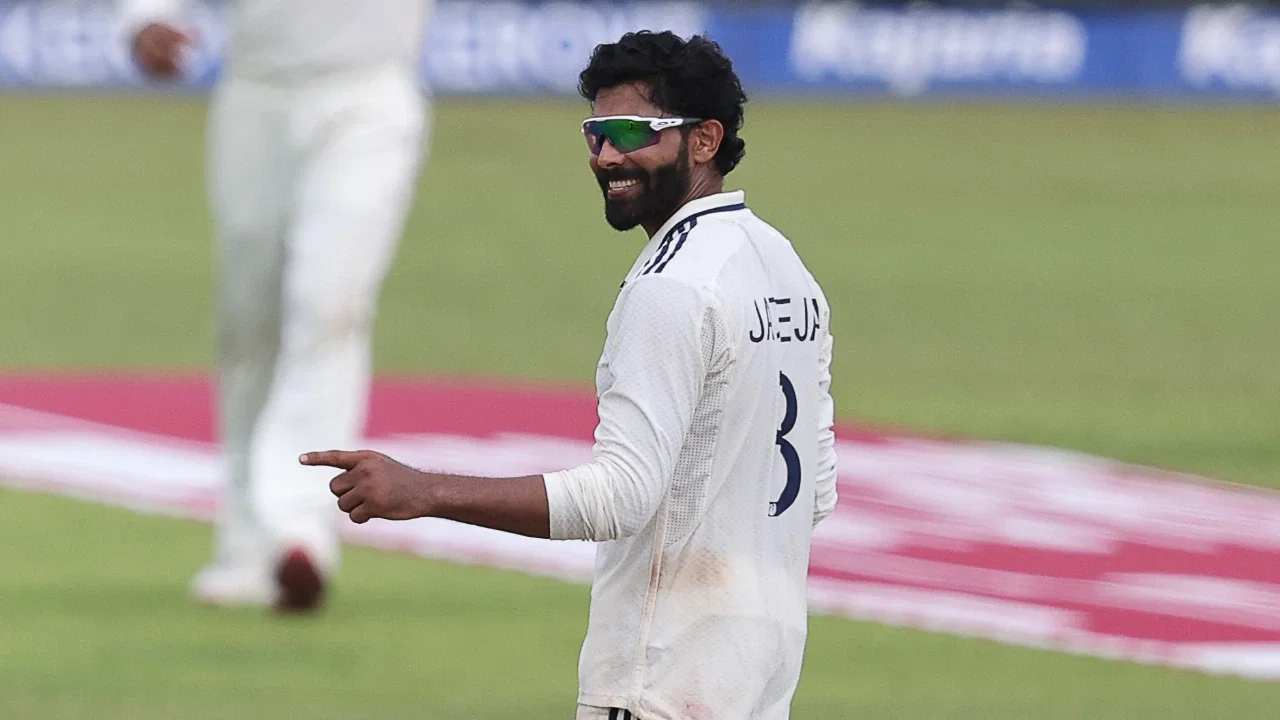
Amit Mishra accuses Virat Kohli of favoritism after retirement

Amit Mishra Retires, Criticizes Former Captains for Favoritism
Indian leg-spinner Amit Mishra recently announced his retirement from all forms of the game, ending a career that spanned from 2003 to 2017. With 156 wickets in 68 international games, Mishra leaves behind a legacy tainted by frustration over what he perceived as selection politics and favoritism.
Despite showcasing his talent across formats, the 42-year-old often found himself on the fringes of the Indian team, struggling to secure a spot in the playing XI. Mishra launched a scathing attack on his former captains, including MS Dhoni and Virat Kohli, accusing them of giving opportunities to “chosen” players while others like him had to constantly prove their worth.
Mishra’s frustrations came to a boiling point as he recalled the challenges he faced during his tenure in the national team. “It was a very disappointing thing. Sometimes you’re in the team, sometimes you’re out. Sometimes you get a chance in the playing eleven, sometimes you don’t. Of course, it’s frustrating, and I was frustrated many times, no doubt,” Mishra said in an interview with PTI.
Reflecting on his career, Mishra highlighted the IPL 2008 season as a turning point. Representing Delhi Daredevils, Mishra’s hat-trick against Deccan Chargers, which included the wickets of Shahid Afridi and Herschelle Gibbs, propelled him back into the national team. This performance not only showcased his skill but also paved the way for his T20 career.
Furthermore, Mishra emphasized the importance of hard work and self-improvement during challenging times. “Whenever I was frustrated, I thought about what I could improve on. Whether it was my fitness, batting, or bowling, I always focused on getting better. Whenever I got a chance to play for the Indian team, I performed well, and I’m very happy about that. I never shied away from hard work,” he stated.
While Mishra’s retirement marks the end of an era for Indian cricket, his vocal criticism of favoritism in the selection process sheds light on the challenges faced by many talented players striving to make their mark in the international arena. As fans bid farewell to a player known for his craft and determination, Mishra’s legacy serves as a reminder of the complexities and intricacies of sports at the highest level.
In conclusion, Amit Mishra’s retirement not only marks the end of a successful career but also opens up a dialogue about the importance of transparency and fairness in team selection processes, resonating with fans and players alike.
The Impact of Favoritism in Sports
Amidst Amit Mishra’s retirement and candid remarks about favoritism in team selection, it raises broader questions about the prevalence of this issue in sports. While talent and hard work are fundamental in an athlete’s journey, the role of politics and favoritism cannot be overlooked. Many players, like Mishra, have found themselves grappling with unfair treatment and bias in the selection process.
It is essential to acknowledge the emotional toll that favoritism can take on athletes. Being constantly sidelined or overlooked despite one’s capabilities can lead to frustration, demotivation, and a sense of injustice. Mishra’s experience sheds light on the mental resilience required to navigate such challenges and the resolve needed to persevere in the face of adversity.
Transparency in Selection Policies
One of the key takeaways from Mishra’s criticism is the importance of transparency in selection policies. When players feel that decisions are being made based on factors other than performance and merit, it erodes trust in the system and undermines the integrity of the sport. Establishing clear criteria for selection and ensuring that all players are given equal opportunities to prove themselves can help minimize biases and favoritism.
Moreover, fostering a culture of open communication between players, coaches, and selectors can provide a platform for addressing grievances and fostering a more inclusive and equitable environment within sports teams. By promoting transparency and accountability in decision-making processes, organizations can uphold the principles of fairness and meritocracy.
The Legacy of Amit Mishra
As Amit Mishra bids farewell to the cricketing world, his legacy extends beyond his on-field achievements. Mishra’s journey serves as a testament to resilience, dedication, and the indomitable spirit of athletes striving to overcome obstacles in pursuit of their dreams. Despite facing setbacks and experiencing moments of disillusionment, Mishra’s unwavering commitment to self-improvement and hard work propelled him to success.
Furthermore, Mishra’s willingness to speak out against favoritism sends a powerful message to aspiring athletes and sports enthusiasts. His courage to challenge the status quo and advocate for fairness in the selection process ignites a dialogue on the need for reform and accountability in sports governance.
Looking Ahead
As the cricketing community reflects on Amit Mishra’s retirement and the issues raised by his departure, it prompts a reevaluation of the values and principles that underpin sportsmanship. Moving forward, it is imperative for stakeholders in the sporting world to prioritize integrity, transparency, and equity in all aspects of the game. By fostering an environment that values merit and equal opportunity, we can create a more inclusive and just playing field for athletes of all backgrounds.
In conclusion, Amit Mishra’s retirement not only signifies the end of a chapter in Indian cricket but also sparks a larger conversation about the ethical considerations that shape the sporting landscape. His legacy will endure as a reminder of the resilience required to navigate challenges in the pursuit of excellence.
Latest News

New Zealand suffer blow as William O’Rourke misses India ODIs and Tests
Top 10 highest run-chases in T20 cricket history, ft. West Indies’ Ranchi win vs India
Aaryavir Sehwag and Anvay Dravid set to make headlines at U19 Asia Cup 2026
Longest ducks in Test cricket history ft. Nic Maddinson, Shoaib Akhtar
ECB to offer 39 central contracts to England players after Ben Stokes, Mark Wood’s retirement
Steve Smith surpasses Steve Waugh in all-time Test run-scorers’ list
Shane Watson identifies Gautam Gambhir’s biggest problem as India struggle for consistency
Is Bhuvneshwar Kumar in India’s 2027 World Cup plans? Ajinkya Rahane makes revelation

BCCI’s big ₹127 Crore move after injury crisis raises concerns over Team India
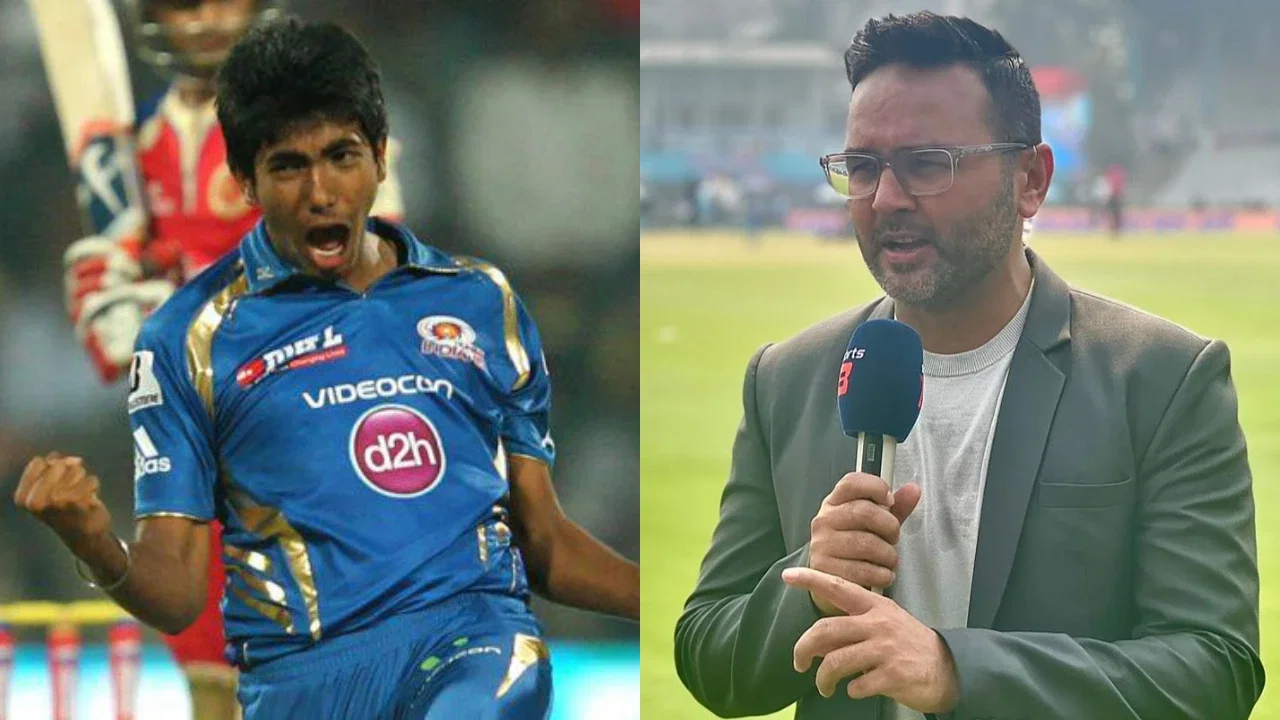
Parthiv Patel reveals RCB ignored his Jasprit Bumrah recommendation in IPL 2014 Auction
“Never spoke ill of any faith”: Irfan Pathan hits back at fake news using his name
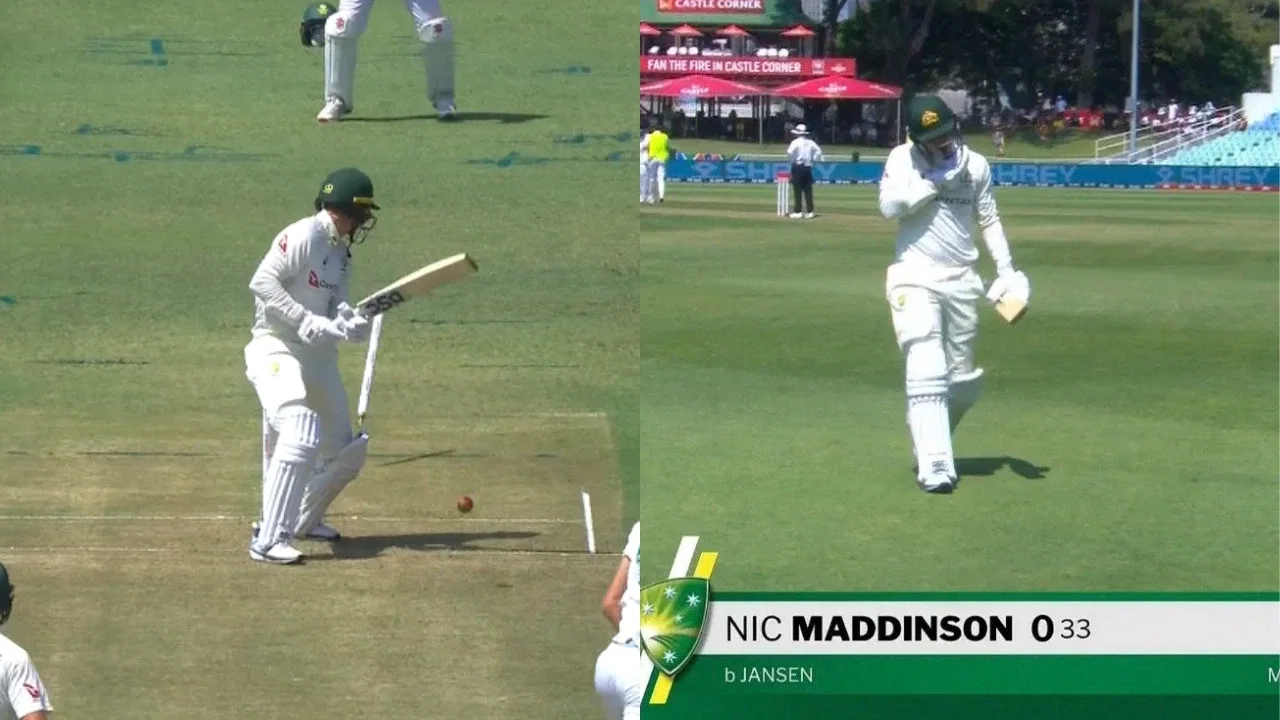
Nic Maddinson bags 33-ball duck on Test comeback, disappoints George Bailey
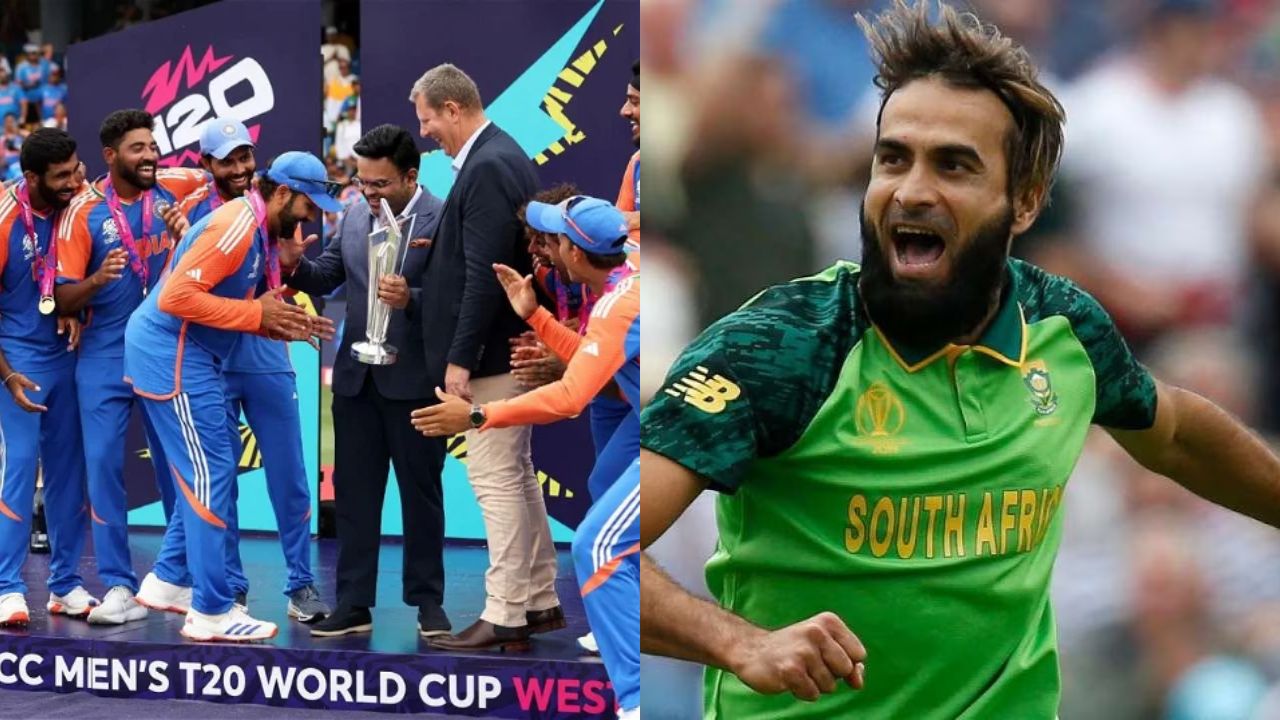
Imran Tahir predicts 2027 ICC ODI World Cup Semi-Finalists, snubs India for title
Australia create unwanted history with first all-30-plus Test XI