Andrew McDonald urges ICC to increase 2027 ODI World Cup squad size after format revamp
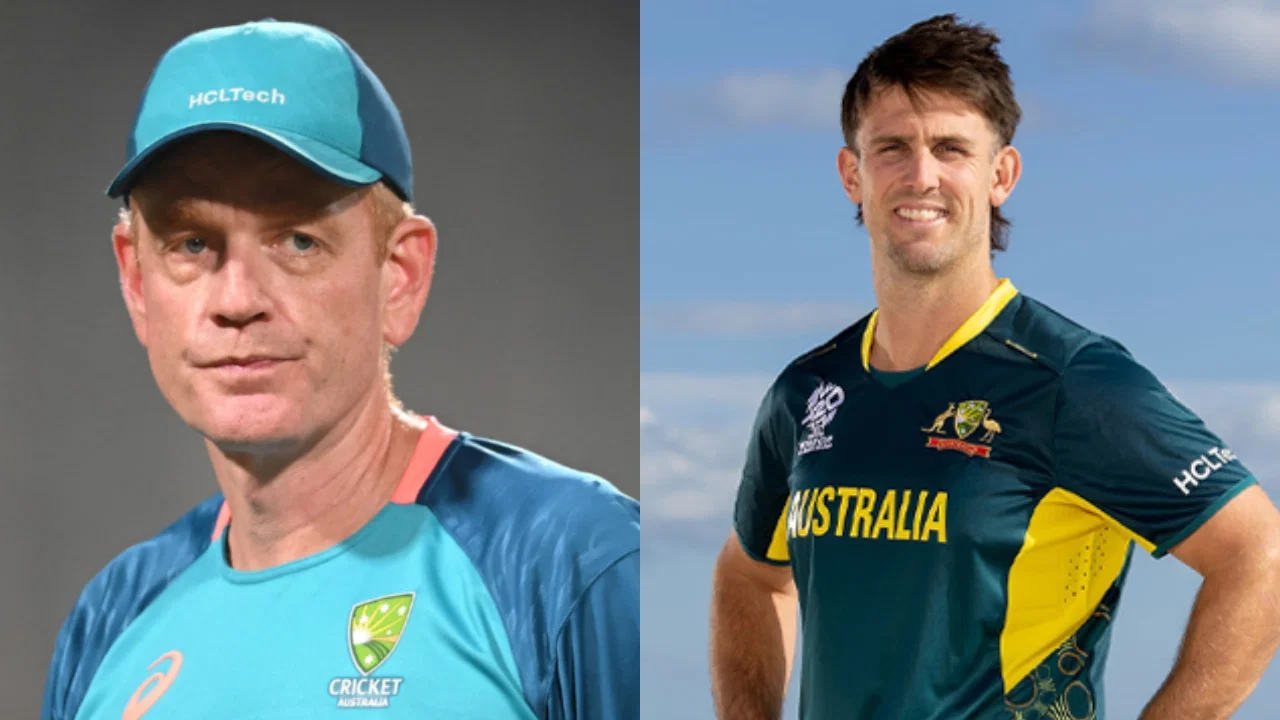
Australia’s World Cup-winning coach, Andrew McDonald, has called for an increase in squad size for the upcoming 2027 ODI World Cup. The International Cricket Council (ICC) recently announced a revamped format for the tournament, introducing a Super Series round before the group stages and a new Super 7 round before the semi-finals. This change means that the eventual winner of the 2027 World Cup will have to play more matches than in previous editions.
The 2023 World Cup required the winner to play 11 matches, including nine group games, a semi-final, and a final. In contrast, the 2027 champion will need to compete in at least two additional matches. If a lower-ranked team reaches the final, they could potentially play a total of 15 matches. To accommodate this increased workload, the ICC has introduced a two-match ‘super series’ for the bottom three ranked teams before the matches between the top-ranked teams.
In light of Australia’s history of injuries during ICC events, McDonald emphasized the importance of considering larger squad sizes for the 2027 World Cup. He highlighted the injury concerns that plagued Australia in previous World Cups, including the 2019, 2023, 2022, 2024, and 2026 tournaments.
During an interview on Australian radio, McDonald raised the question of squad size for the pinnacle event. He pointed out that teams like Australia and New Zealand, who have key players with fitness issues, should consider expanding their squads beyond the typical 15-member roster. McDonald cited Kane Williamson’s fitness concerns as an example and noted that having a larger squad would allow teams to cope with potential injuries more effectively.
Reflecting on past experiences, McDonald mentioned how injuries to players like Travis Head and Kane Williamson had limited team selection options in previous World Cups. Having a larger squad would provide more flexibility in team composition and strategy, especially in countries where playing conditions vary significantly.
As the cricketing world gears up for the 2027 ODI World Cup, the discussion around squad size and player fitness will be crucial for teams aiming to lift the coveted trophy. With the tournament set to be jointly held in South Africa, Zimbabwe, and Namibia, teams will need to carefully consider their squad selections to ensure they have the depth and resilience to navigate the challenges of an expanded competition format. As Andrew McDonald’s insights suggest, a larger squad could be the key to success in the upcoming World Cup.
Impact of Squad Size on Performance
As the cricketing world eagerly anticipates the 2027 ODI World Cup, the debate over squad size and player fitness continues to gain prominence. The correlation between squad size and team performance has been a subject of much discussion among cricket experts and enthusiasts alike. The success of a team in a tournament as grueling as the World Cup often hinges on its ability to adapt to unforeseen circumstances, such as injuries to key players.
Expanding the squad size for the 2027 World Cup could provide teams with a strategic advantage, allowing them to mitigate the risks associated with player injuries and fatigue. In a tournament where every match counts, having a deep pool of talent to draw from can be a game-changer. A larger squad not only offers flexibility in team selection but also provides coaches with more options to tailor their playing XI according to the conditions and opposition.
Diversity in Playing Conditions
One of the unique challenges that teams will face in the 2027 World Cup is the diverse playing conditions across the host countries – South Africa, Zimbabwe, and Namibia. From the pace-friendly pitches of South Africa to the spin-friendly tracks of Zimbabwe, teams will need to adapt quickly to different environments. A larger squad can help teams field a well-rounded side capable of thriving in varied conditions, giving them a competitive edge over their opponents.
Moreover, the demands of playing multiple matches in a short span of time can take a toll on players’ bodies. In such a scenario, having a larger squad ensures that teams can rotate their players effectively, keeping them fresh and reducing the risk of injuries. The ability to manage player workloads will be crucial in a tournament as grueling as the World Cup, where the margin for error is minimal.
Strategic Considerations
Expanding the squad size for the 2027 World Cup also opens up new strategic possibilities for teams. Coaches can experiment with different combinations, assess the form and fitness of players, and make informed decisions based on the match situation. The depth of talent within the squad allows teams to adapt to changing circumstances on the field, giving them a competitive advantage over opponents with smaller squads.
Furthermore, a larger squad fosters healthy competition among players, pushing them to perform at their best and constantly improve. The presence of quality backups ensures that no position in the team is secure, motivating players to give their all in every match. This competitive environment can elevate the overall standard of play and drive teams towards success in the World Cup.
Conclusion
As teams gear up for the 2027 ODI World Cup, the spotlight on squad size and player fitness is brighter than ever. The decision to increase squad sizes for the upcoming tournament could prove to be a game-changing move, providing teams with the depth and resilience needed to excel in a challenging competition format. With Andrew McDonald’s call for larger squads echoing across the cricketing world, it is clear that strategic squad selection will play a pivotal role in determining the fortunes of teams vying for World Cup glory.
As the cricketing fraternity eagerly awaits the spectacle of the 2027 World Cup, the discussion around squad size serves as a reminder of the intricate balance between talent, strategy, and preparation in the pursuit of cricketing excellence.
Latest News
Top 10 highest run-chases in T20 cricket history, ft. West Indies’ Ranchi win vs India
Aaryavir Sehwag and Anvay Dravid set to make headlines at U19 Asia Cup 2026
Longest ducks in Test cricket history ft. Nic Maddinson, Shoaib Akhtar
ECB to offer 39 central contracts to England players after Ben Stokes, Mark Wood’s retirement
Steve Smith surpasses Steve Waugh in all-time Test run-scorers’ list

Shane Watson identifies Gautam Gambhir’s biggest problem as India struggle for consistency
Is Bhuvneshwar Kumar in India’s 2027 World Cup plans? Ajinkya Rahane makes revelation

BCCI’s big ₹127 Crore move after injury crisis raises concerns over Team India
Parthiv Patel reveals RCB ignored his Jasprit Bumrah recommendation in IPL 2014 Auction
“Never spoke ill of any faith”: Irfan Pathan hits back at fake news using his name
Nic Maddinson bags 33-ball duck on Test comeback, disappoints George Bailey
Imran Tahir predicts 2027 ICC ODI World Cup Semi-Finalists, snubs India for title
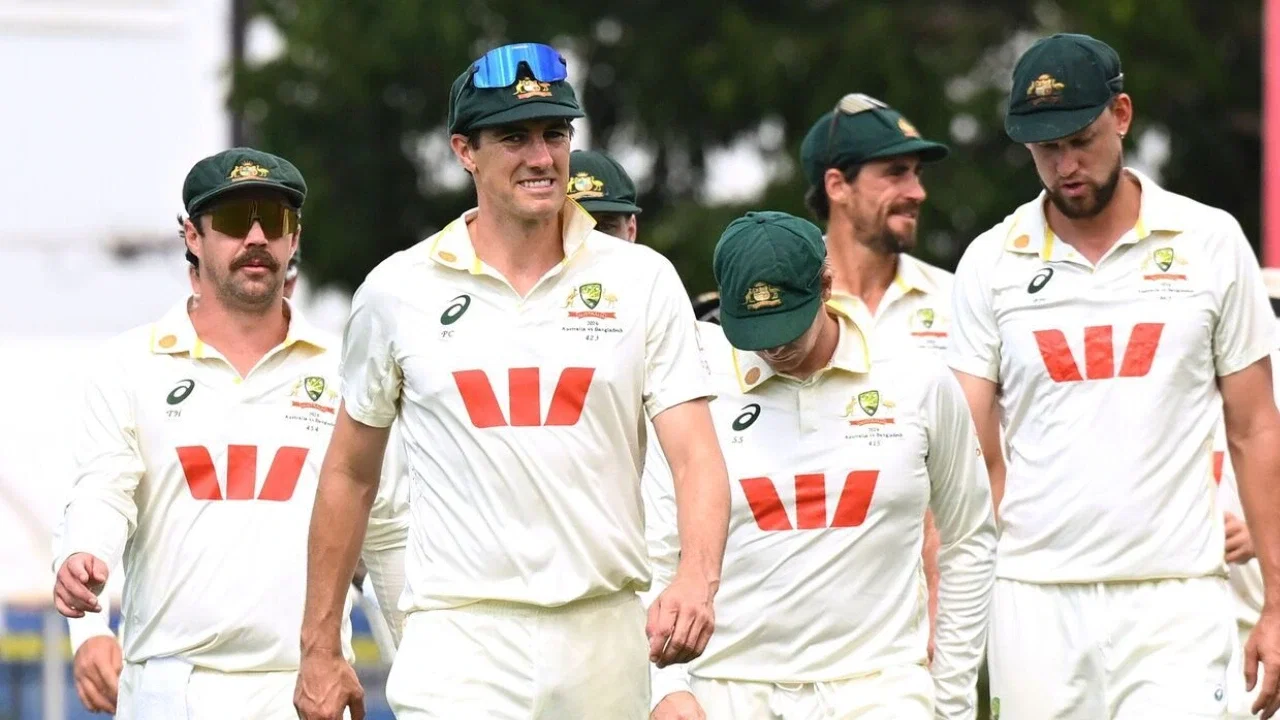
Australia create unwanted history with first all-30-plus Test XI
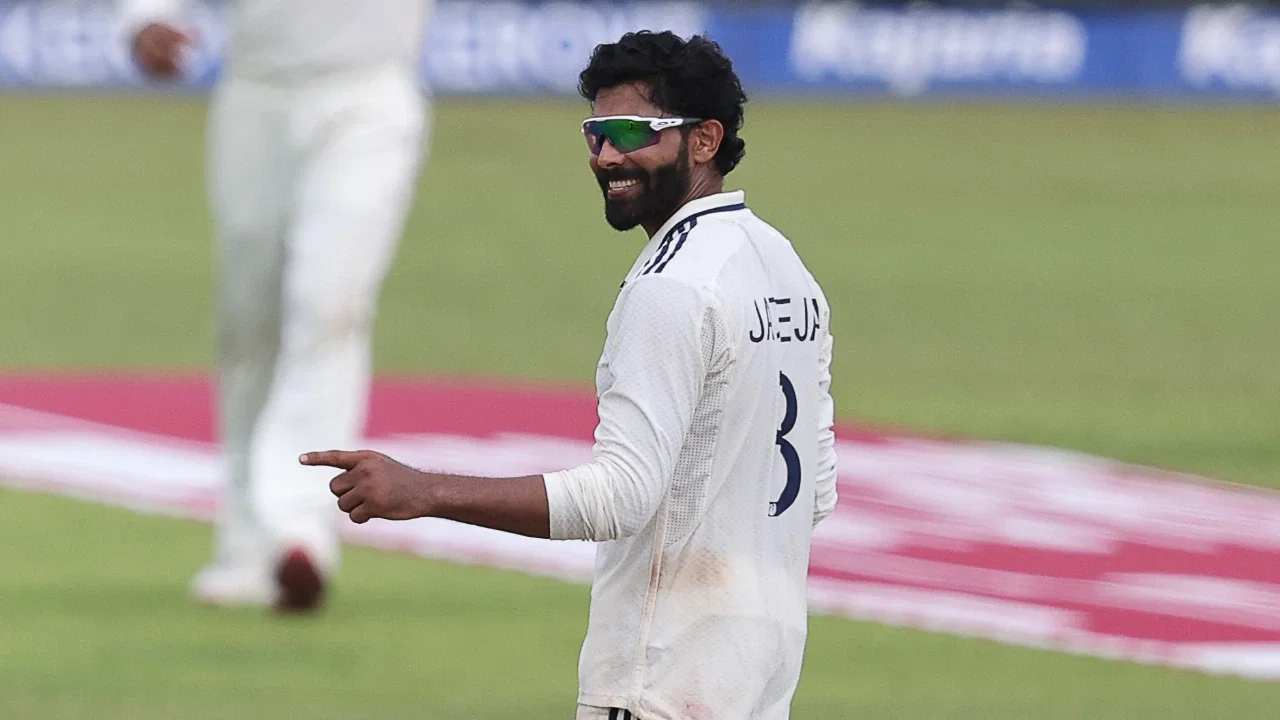
Ravindra Jadeja returns to Ranji Trophy as Saurashtra announce squad