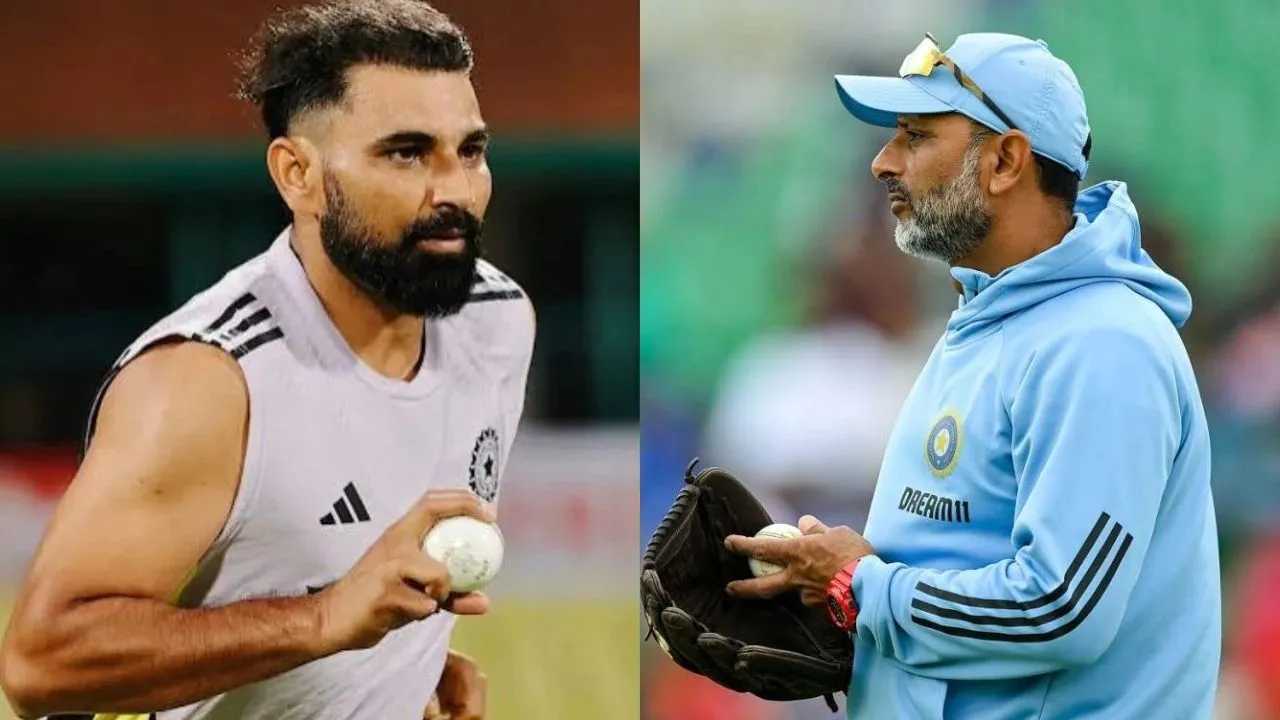
Aravinda de Silva backs blockbuster India vs Pakistan series to revive Test cricket
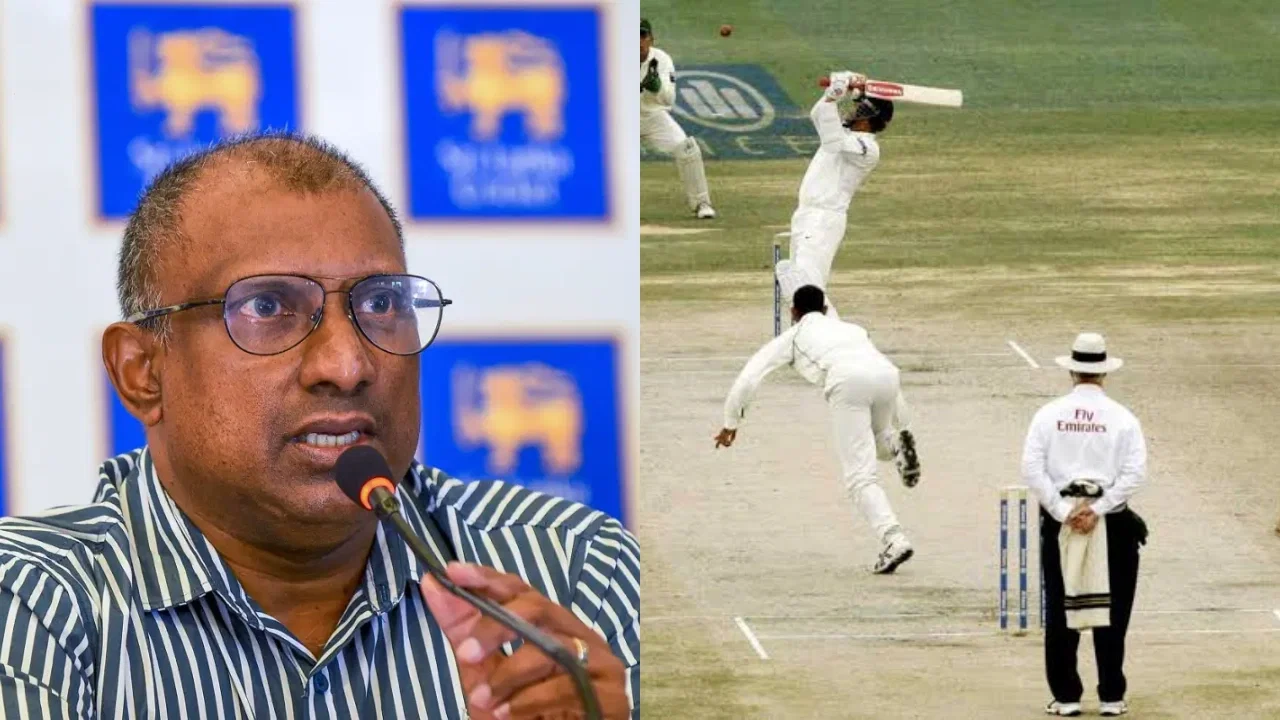
**Aravinda de Silva Optimistic About Test Cricket’s Future Despite T20 Popularity**
**Legendary Sri Lankan cricketer Aravinda de Silva remains hopeful about the future of Test cricket, even in the midst of the growing popularity of T20 cricket. De Silva, who led his team to victory in the World Cup, believes that Test cricket can still thrive by showcasing some of the biggest rivalries in the sport in a more appealing manner.**
In a recent interview, de Silva highlighted the significance of iconic cricket rivalries like India vs Pakistan in drawing attention to the longest format of the game. Despite political tensions between the two nations, matches between India and Pakistan have always garnered immense interest from fans around the world.
**Proposal for an India vs Pakistan Test Match**
De Silva proposed the idea of hosting an India vs Pakistan Test match, even if it needs to take place at a neutral venue due to geopolitical issues. He emphasized that such a match would be a blockbuster event, attracting a massive audience and reigniting the historic rivalry between the two cricketing giants. The last Test match between India and Pakistan took place in December 2007, and de Silva believes that reviving this rivalry in Test format will capture the attention of cricket enthusiasts globally.
**Suggestions for Sri Lanka Cricket**
As a former captain and player, de Silva also shared insights on how Sri Lanka Cricket can harness its talent pool more effectively. Despite producing world-class players and coming close to winning another World Cup title, de Silva feels that Sri Lanka needs to align its cricketing standards with modern-day requirements. He stressed the importance of preparing players according to the evolving landscape of the game, focusing on skill development and strategic planning.
**Emphasis on Financial Influence in Modern Cricket**
De Silva acknowledged the significant role that financial stability plays in shaping modern cricket. He noted that national cricket boards with substantial financial backing tend to have better resources, technology, and infrastructure to support player development from the grassroots level. While money has become a driving force in the sport, de Silva reiterated the importance of preserving the essence of Test cricket in a more attractive package to maintain its relevance in the ever-evolving cricketing landscape.
**Conclusion**
Overall, Aravinda de Silva’s insights shed light on the potential for Test cricket to thrive alongside the fast-paced excitement of T20 cricket. By leveraging historic rivalries, preparing players for the modern game, and acknowledging the impact of financial resources, cricket boards can ensure the sustainability and growth of the sport in the years to come. As cricket continues to evolve, the wisdom of legends like de Silva will be crucial in guiding the future of the game.
Exploring the Global Impact of Test Cricket
Aravinda de Silva’s optimism regarding the future of Test cricket is not only limited to the Indian subcontinent but extends to a global scale. Test cricket has a rich history and tradition that is deeply rooted in the cricketing culture of many nations. While T20 cricket has gained immense popularity due to its fast-paced and entertaining nature, Test cricket holds a unique place in the hearts of cricket purists and enthusiasts.
In countries like England, Australia, and South Africa, Test cricket continues to draw crowds and maintain a strong following. The iconic Ashes series between England and Australia, for example, is a prime example of the enduring appeal of Test cricket. The fierce rivalry and historical significance of this series have stood the test of time, captivating fans for over a century.
Moreover, in countries like the West Indies and New Zealand, Test cricket is seen as a true test of skill and endurance. The slower pace of the game allows players to showcase their technical abilities, patience, and mental resilience over extended periods. These qualities make Test cricket a true test of character and a platform for players to leave a lasting legacy in the sport.
Reviving Test Cricket through Innovation
To ensure the continued relevance of Test cricket in the modern era, innovation and adaptation are key. One approach could involve introducing day-night Test matches, which have already shown promising results in attracting larger crowds and viewership. The use of pink balls under floodlights adds a new dimension to the game, making it more appealing to fans and players alike.
Additionally, creating a Test championship format, similar to the World Test Championship, can add excitement and meaning to bilateral Test series. By assigning points and crowning a champion at the end of a cycle, Test cricket can regain some of the competitive edge that T20 cricket currently holds.
Building a Strong Foundation for Future Generations
As de Silva emphasized, nurturing young talent and developing players according to modern standards are crucial for the long-term success of Test cricket. Cricket boards need to invest in grassroots programs, coaching initiatives, and infrastructure to identify and groom the next generation of cricketers.
Furthermore, ensuring a balance between traditional values and modern advancements is essential in preserving the spirit of Test cricket. While technology and analytics play a significant role in the game today, maintaining the integrity and spirit of fair play should always be paramount.
In conclusion, Test cricket has a bright future ahead if stakeholders across the cricketing world come together to innovate, adapt, and promote the longest format of the game. By leveraging historic rivalries, embracing new ideas, and investing in player development, Test cricket can continue to thrive alongside the excitement of T20 cricket and secure its position as the pinnacle of the sport. Aravinda de Silva’s vision for the future of Test cricket serves as a guiding light for the cricketing community as they navigate the ever-changing landscape of the game.
Latest News
Top 10 highest run-chases in T20 cricket history, ft. West Indies’ Ranchi win vs India
Aaryavir Sehwag and Anvay Dravid set to make headlines at U19 Asia Cup 2026
Longest ducks in Test cricket history ft. Nic Maddinson, Shoaib Akhtar
ECB to offer 39 central contracts to England players after Ben Stokes, Mark Wood’s retirement
Steve Smith surpasses Steve Waugh in all-time Test run-scorers’ list

Shane Watson identifies Gautam Gambhir’s biggest problem as India struggle for consistency
Is Bhuvneshwar Kumar in India’s 2027 World Cup plans? Ajinkya Rahane makes revelation
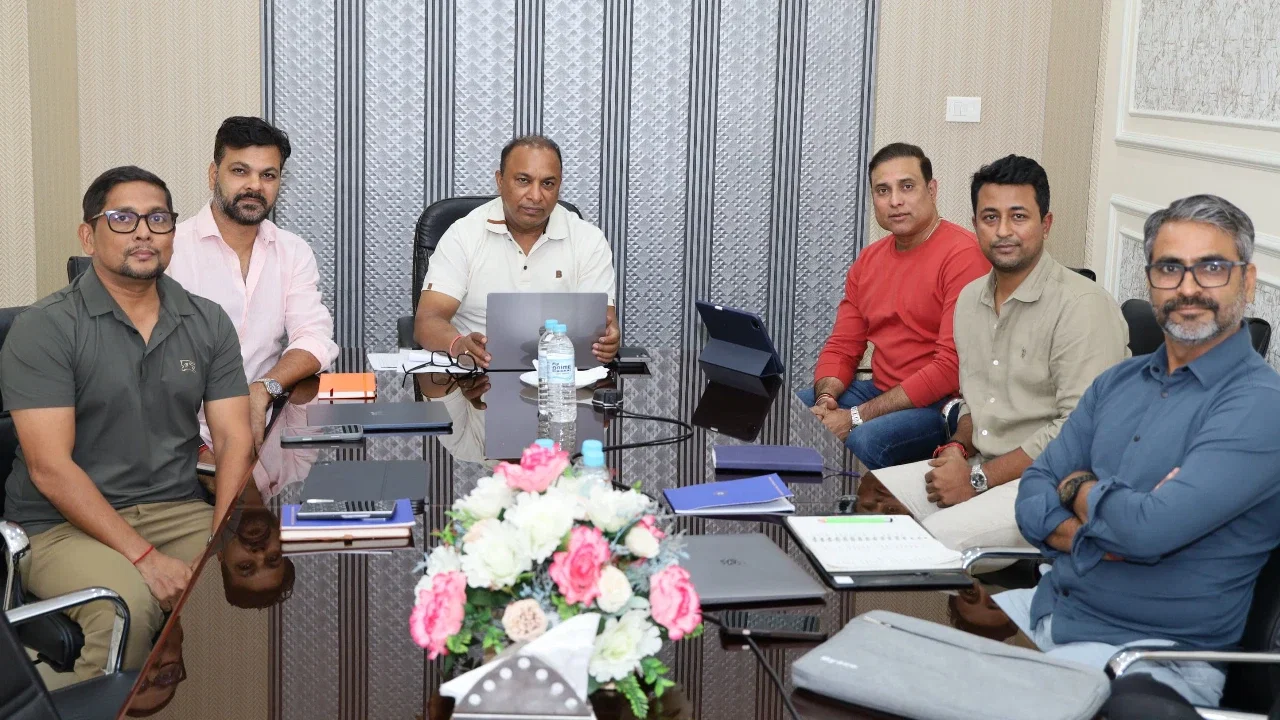
BCCI’s big ₹127 Crore move after injury crisis raises concerns over Team India

Parthiv Patel reveals RCB ignored his Jasprit Bumrah recommendation in IPL 2014 Auction
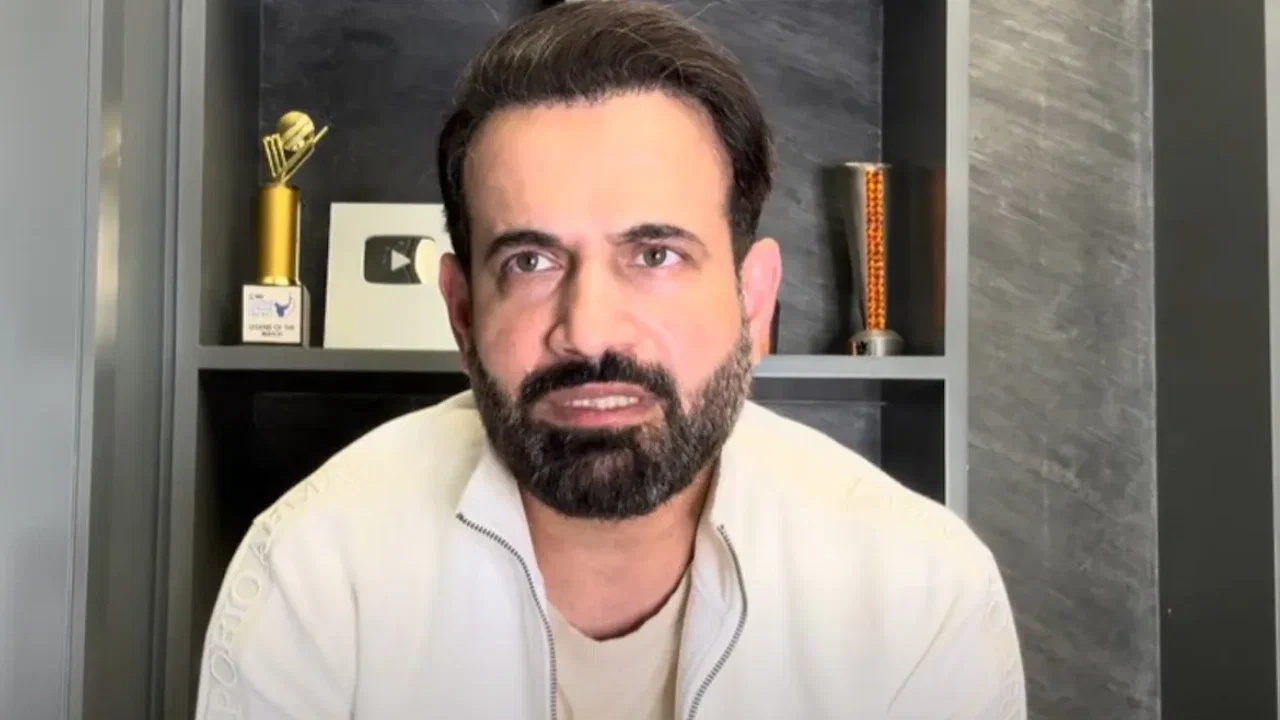
“Never spoke ill of any faith”: Irfan Pathan hits back at fake news using his name
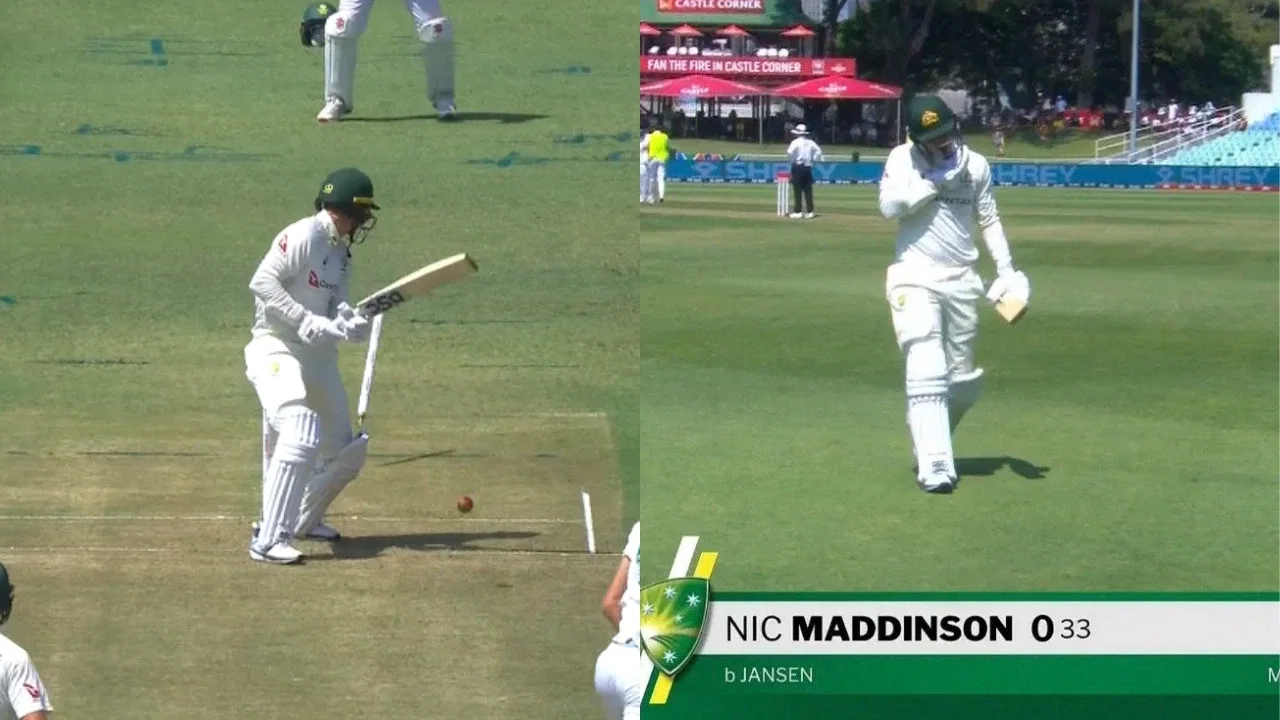
Nic Maddinson bags 33-ball duck on Test comeback, disappoints George Bailey
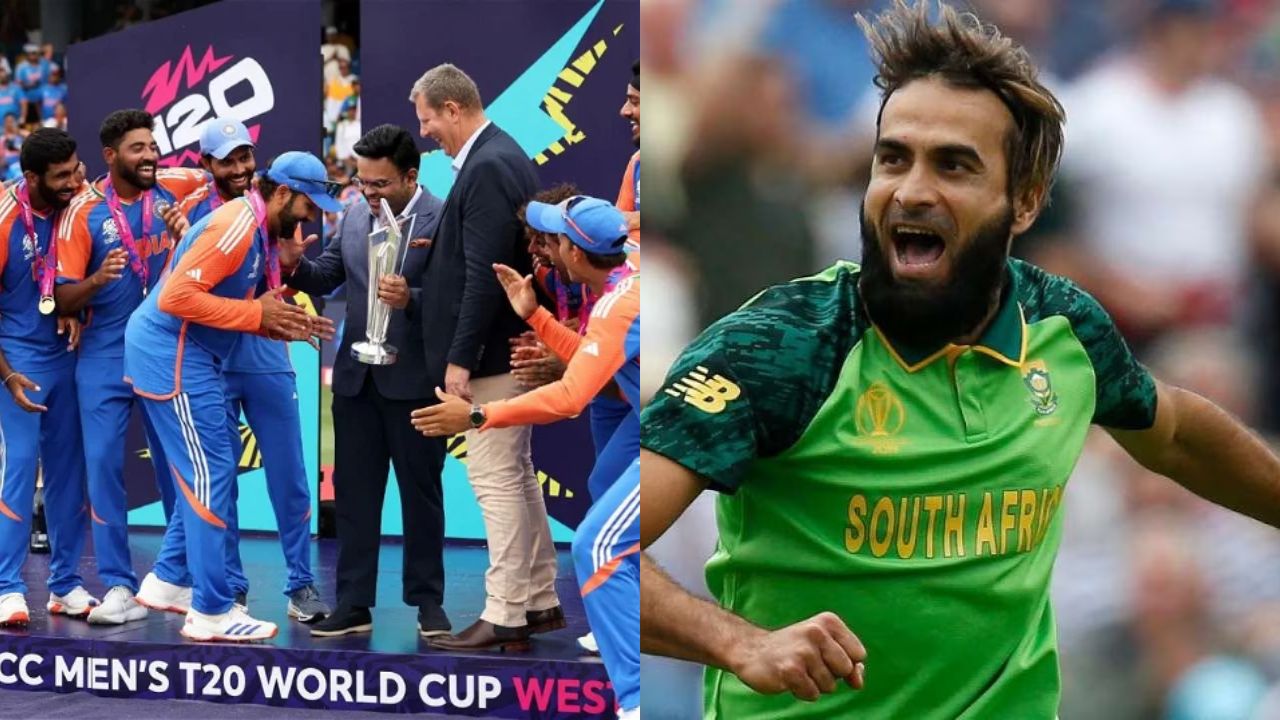
Imran Tahir predicts 2027 ICC ODI World Cup Semi-Finalists, snubs India for title
Australia create unwanted history with first all-30-plus Test XI
Ravindra Jadeja returns to Ranji Trophy as Saurashtra announce squad