Asia Cup 2025- BCCI Under Immense Pressure To Host The Tournament From…
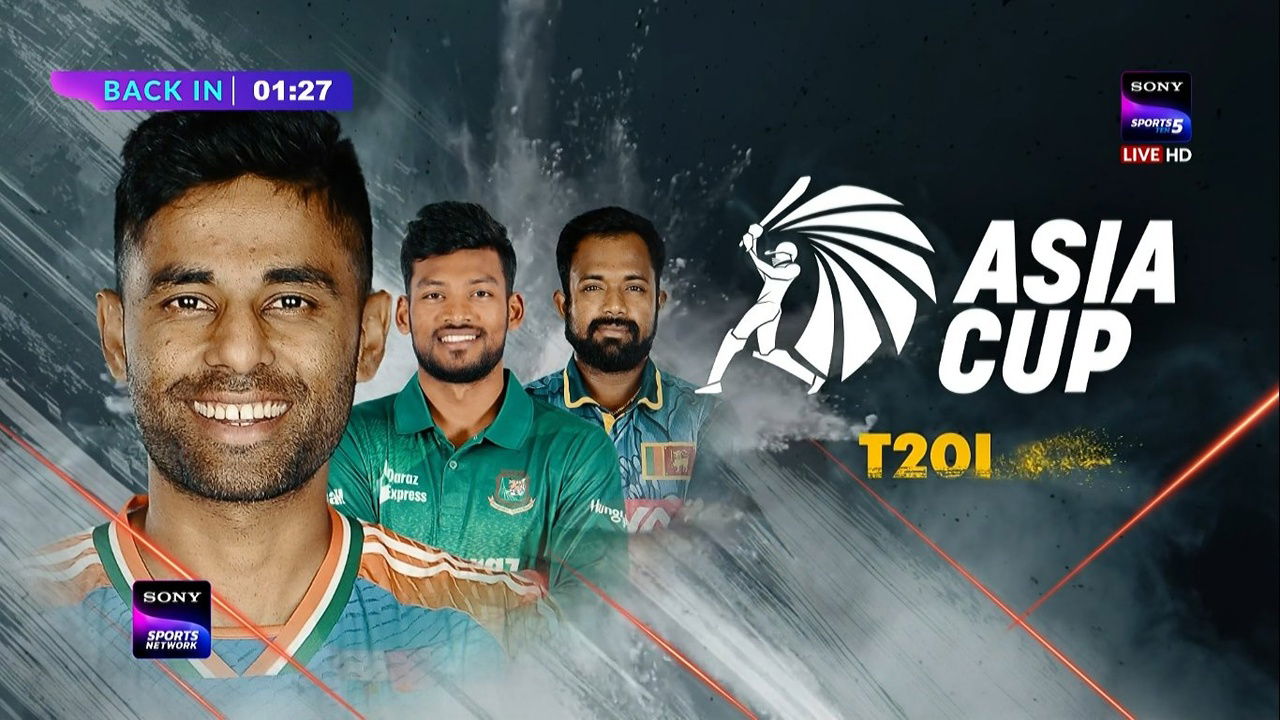
Uncertainty Surrounds Asia Cup 2025 as BCCI Faces Tough Decision
The fate of the Asia Cup 2025 hangs in the balance as the Board of Control for Cricket in India (BCCI) grapples with a challenging situation. India is set to host the continental championship this year, but recent tensions between India and Pakistan have cast a shadow of uncertainty over the tournament.
Fans Call for Boycott
Amid the border tension, there has been a widespread call from fans to boycott Pakistan at all levels of cricket. India has refrained from playing bilateral series against Pakistan since the 2012/13 season, participating only in ICC tournaments and the Asia Cup matches against the neighboring country. However, in the aftermath of the Pahalgam terror attack, voices demanding a complete boycott of Pakistan in all cricketing events have grown louder.
Pressure on BCCI
The BCCI is under immense pressure to make a decision regarding India’s participation in the Asia Cup 2025. While public sentiment leans towards a complete boycott of Pakistan, the cricket board faces conflicting interests from broadcasters and sponsors. The India-Pakistan clash is a significant revenue-generating fixture in the tournament, making it a crucial event for broadcasters. Failure to host the match could lead to substantial financial losses for these stakeholders.
According to reports from Sports Tak, the BCCI is currently in a difficult position trying to navigate these opposing viewpoints. While the public demands a boycott, the commercial interests push for India’s participation, especially against Pakistan. The final decision rests with the BCCI, which is expected to follow the government’s directive on the matter.
ACC Meeting Venue Shifted
Meanwhile, the venue for the upcoming Asian Cricket Council (ACC) meeting, where a decision on the Asia Cup 2025 is likely to be made, is set to be shifted from Dhaka. This change comes after the BCCI postponed India’s tour of Bangladesh and raised concerns about the political situation in the country. The ACC meeting, initially scheduled for July 24, will play a crucial role in determining the fate of the Asia Cup.
As the cricketing world eagerly awaits a resolution to the Asia Cup 2025 conundrum, the BCCI finds itself at a crossroads, balancing national sentiments, commercial interests, and diplomatic considerations. The decision taken by the cricket board will not only impact the tournament but also have broader implications for the future of cricketing relations between India and Pakistan.
Stay tuned for updates as the BCCI navigates through this challenging predicament and strives to find a solution that aligns with the interests of all stakeholders involved.
Historical Context of India-Pakistan Cricketing Relations
The India-Pakistan cricket rivalry is one of the most intense and storied in the history of the sport. Dating back to their first Test match in 1952, matches between the two nations have always been highly anticipated and emotionally charged affairs. The political tensions between India and Pakistan have often spilled over into cricket, with matches symbolizing more than just sporting contests.
Despite the political differences and occasional disruptions, cricket has served as a bridge between the two nations, fostering cricketing diplomacy and people-to-people connections. The resumption of cricketing ties in the early 2000s led to memorable encounters and brought fans from both sides together in celebration of the sport. However, incidents such as the 2008 Mumbai attacks and subsequent border conflicts have strained relations and impacted cricketing engagements between India and Pakistan.
Impact of Social Media and Public Opinion
In today’s digital age, social media plays a significant role in shaping public opinion and influencing decision-making in the realm of sports. The clamor for a boycott of Pakistan in cricketing events has gained momentum on various social media platforms, with fans expressing strong sentiments against engaging with the neighboring country. The BCCI, as the governing body of cricket in India, must navigate the complex landscape of public opinion while considering the broader implications of its decisions on the sport.
The power of social media in mobilizing support for causes and influencing sporting events cannot be underestimated. The voices of fans and stakeholders on digital platforms can exert pressure on sports organizations and governing bodies, highlighting the need for transparency and accountability in decision-making processes.
Commercial Considerations and Broadcast Rights
Cricket is not just a sport but a multi-billion-dollar industry driven by broadcasting deals, sponsorships, and advertising revenue. The India-Pakistan cricket rivalry is a lucrative asset for broadcasters, attracting millions of viewers and advertisers during high-stakes matches. The financial implications of a potential boycott or non-participation in the Asia Cup 2025 against Pakistan are significant, with stakeholders closely monitoring the developments.
The BCCI must strike a delicate balance between honoring public sentiment, safeguarding commercial interests, and upholding the spirit of sportsmanship and fair play. The decision regarding India’s participation in the Asia Cup will have far-reaching consequences not only for the tournament but also for the broader landscape of cricketing relations in the subcontinent.
Diplomatic Impact and Geopolitical Dynamics
Cricket has often been used as a diplomatic tool to improve relations between countries and foster goodwill on the international stage. The India-Pakistan cricketing rivalry reflects the complex geopolitical dynamics of the region, with matches sometimes serving as a barometer of bilateral relations. Any decision regarding India’s participation in the Asia Cup 2025 will be closely watched by diplomats and policymakers, considering the broader implications on diplomatic ties between the two nations.
As the BCCI navigates through this challenging predicament, it must consider the diplomatic repercussions of its actions and strive to find a solution that preserves the integrity of the sport while respecting the sentiments of all stakeholders involved. The Asia Cup 2025 saga underscores the interconnected nature of sports, politics, and commerce, highlighting the need for nuanced decision-making in the face of uncertainty and complexity.
Follow the developments closely as the BCCI grapples with this crucial decision and shapes the future of cricketing relations in the subcontinent.
Latest News

Top 10 highest run-chases in T20 cricket history, ft. West Indies’ Ranchi win vs India

Aaryavir Sehwag and Anvay Dravid set to make headlines at U19 Asia Cup 2026

Longest ducks in Test cricket history ft. Nic Maddinson, Shoaib Akhtar

ECB to offer 39 central contracts to England players after Ben Stokes, Mark Wood’s retirement

Steve Smith surpasses Steve Waugh in all-time Test run-scorers’ list

Shane Watson identifies Gautam Gambhir’s biggest problem as India struggle for consistency

Is Bhuvneshwar Kumar in India’s 2027 World Cup plans? Ajinkya Rahane makes revelation

BCCI’s big ₹127 Crore move after injury crisis raises concerns over Team India

Parthiv Patel reveals RCB ignored his Jasprit Bumrah recommendation in IPL 2014 Auction

“Never spoke ill of any faith”: Irfan Pathan hits back at fake news using his name
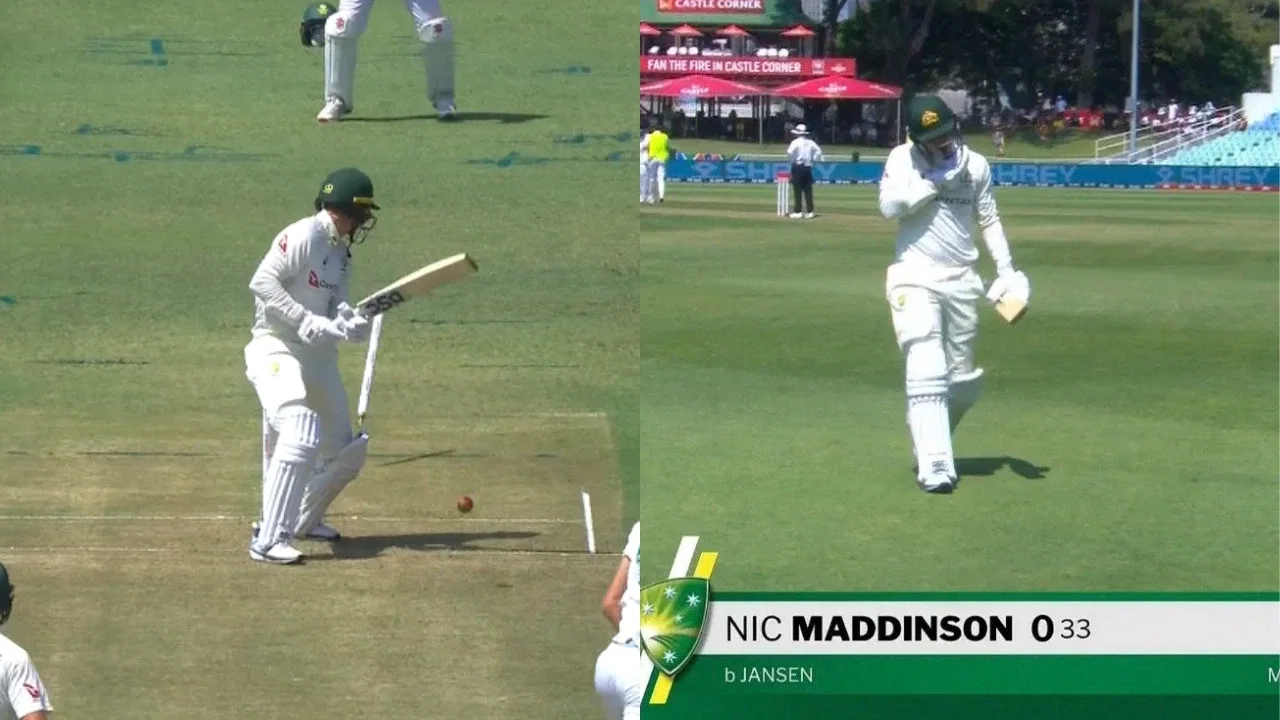
Nic Maddinson bags 33-ball duck on Test comeback, disappoints George Bailey

Imran Tahir predicts 2027 ICC ODI World Cup Semi-Finalists, snubs India for title

Australia create unwanted history with first all-30-plus Test XI
Ravindra Jadeja returns to Ranji Trophy as Saurashtra announce squad