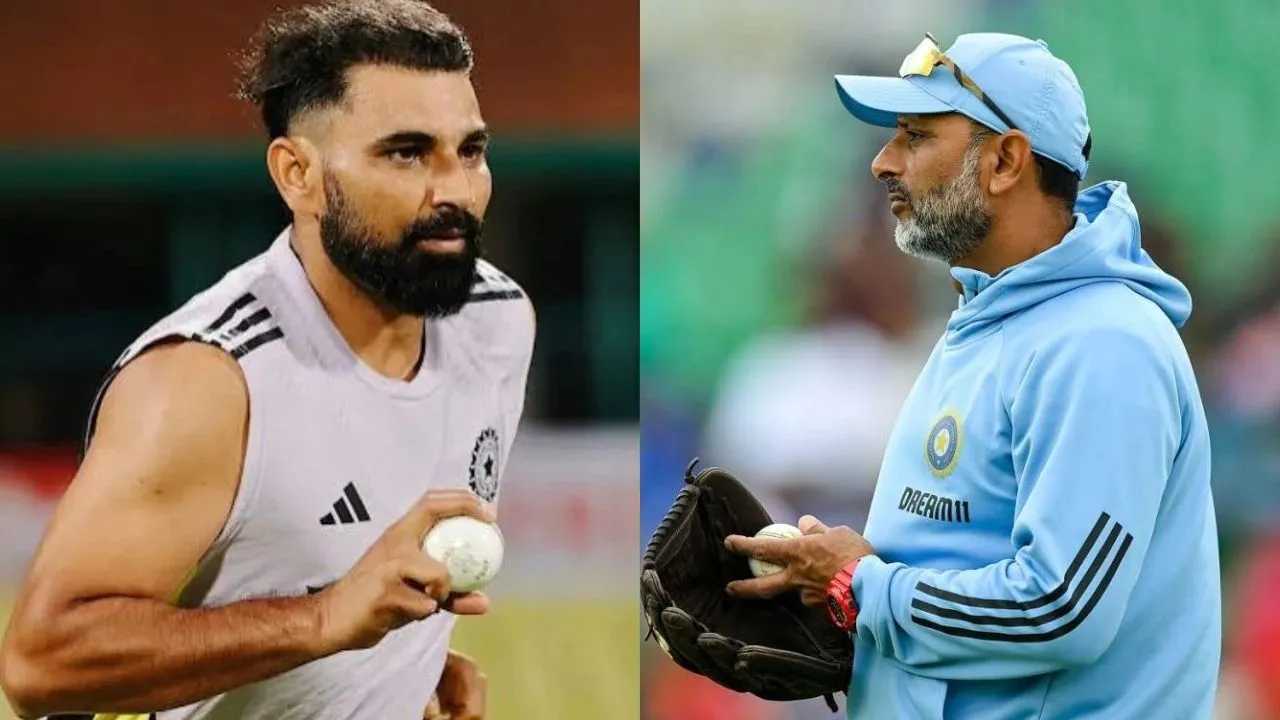
Asia Cup 2025: Operation Sindoor’s ongoing nature forces India vs Pakistan match abandonment
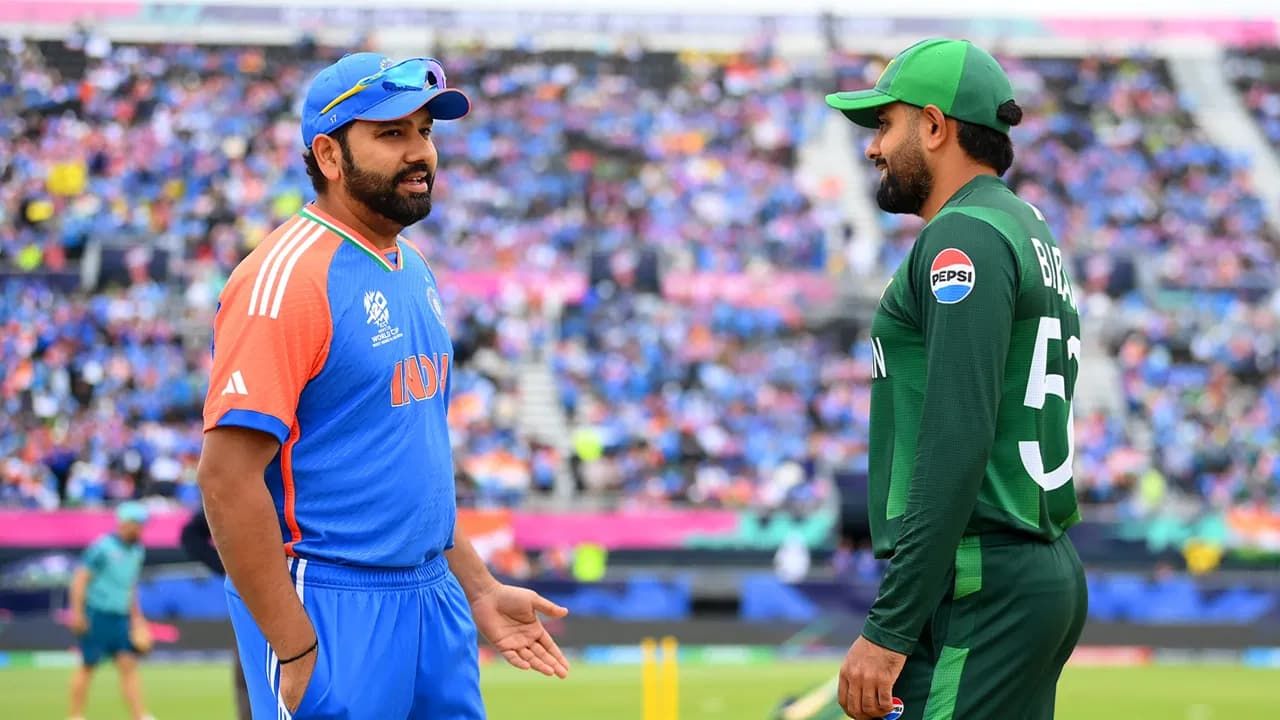
Controversy Surrounding India vs Pakistan Match in Asia Cup 2025
The Asia Cup 2025, set to take place in the UAE from September 9 to 28, has created quite a stir due to the scheduling of the high-intensity India vs Pakistan match on September 14. This decision has sparked controversy and anger, particularly following India’s robust military response in Operation Sindoor to a tragic terror attack in Pahalgam. Despite the escalating tension and public outrage, the Asian Cricket Council (ACC) has given the go-ahead for the match following a virtual discussion with BCCI officials in Dhaka on July 24.
Manoj Tiwary Calls for Cancellation
The announcement has not been well-received by fans, the cricket community, or politicians. Former India cricketer and IPL winner, Manoj Tiwary, has voiced his concerns, urging for the cancellation of the India vs Pakistan match in the Asia Cup 2025. Tiwary has acknowledged the prevailing sentiment across the nation and staunchly opposed the idea of playing against Pakistan, especially in light of recent violent incidents. He emphasized that the current climate is not conducive to an India-Pakistan match.
Expressing his stance, Tiwary stated, “I am against it. The India-Pakistan match should not be held, especially after the terrorist attack in Pahalgam in which civilians were killed. After that, Operation Sindoor took place. The situation was so bad; how can we think of an India-Pakistan match? I feel that it should be reconsidered, and the India-Pakistan match should not happen in such an environment.”
Prime Minister Modi’s Warning
During a parliamentary session on July 29, Prime Minister Narendra Modi issued a stern warning to Pakistan. He emphasized that any hostile actions from Pakistan would be met with a strong response, as Operation Sindoor continues. Tiwary raised questions about how a cricket match could proceed between the two countries amidst the ongoing military operation and heightened tensions.
He concluded by saying, “Our Prime Minister is saying that Operation Sindoor is still going on… How can we play a match with Pakistan?”
India Champions’ Stand
Adding to the controversy, India Champions have reportedly decided not to play against Pakistan in the semifinal of the World Championship of Legends 2025 (WCL 2025) scheduled on July 31 in Birmingham. This decision comes after objections were raised by Indian players and a key sponsor. Former cricketing stars like Suresh Raina and Shikhar Dhawan have openly refused to share the field with Pakistani legends.
As the Asia Cup 2025 approaches, the debate surrounding the India vs Pakistan match continues to intensify, reflecting the broader political and social tensions between the two nations.
The Impact of Political Tensions on Sports
The controversy surrounding the India vs Pakistan match in the Asia Cup 2025 highlights the deep-rooted impact of political tensions on sports. The longstanding enmity between the two nations has often spilled over into the realm of cricket, a sport that holds significant cultural and emotional importance for both countries. The decision to schedule such a high-stakes match at a time of heightened military activity and public outrage underscores the complexity of balancing sportsmanship with real-world conflicts.
Cricket has historically served as a diplomatic tool between India and Pakistan, with matches sometimes seen as opportunities for peacebuilding and dialogue. However, in times of heightened tensions, such as the aftermath of a terrorist attack and military operations, the idea of sporting events between the two nations becomes increasingly contentious. The Asia Cup 2025 has become a battleground not just for cricketing glory but for the political ideologies and emotions that define the India-Pakistan relationship.
The Role of Sports Personalities in Diplomacy
Manoj Tiwary’s vocal opposition to the India vs Pakistan match in the Asia Cup 2025 sheds light on the evolving role of sports personalities in diplomatic affairs. Athletes, especially those with significant public platforms, are increasingly using their voices to address social and political issues, transcending their traditional roles as sports icons. Tiwary’s call for the cancellation of the match reflects a growing trend of athletes engaging in socio-political discourse and advocating for causes they believe in.
Prime Minister Modi’s warning to Pakistan further underscores the interconnectedness of sports and politics in the India-Pakistan dynamic. The apparent contradiction between diplomatic tensions at the highest levels and the scheduled cricket match raises questions about the role of sports in diplomacy and conflict resolution. Can sports transcend political divides and serve as a unifying force, or does it inevitably become entangled in the complexities of geopolitics?
The Ethical Dilemma of Sporting Boycotts
The decision by India Champions to boycott the semifinal match against Pakistan in the World Championship of Legends 2025 raises important ethical questions about the role of sporting boycotts in addressing political grievances. While boycotts can be a powerful tool for expressing dissent and raising awareness, they also have implications for the spirit of sportsmanship, fair competition, and the autonomy of athletes. The refusal of Indian players to compete against their Pakistani counterparts highlights the fine line between personal convictions and professional obligations.
As the debate surrounding the India vs Pakistan match in the Asia Cup 2025 rages on, it prompts a broader discourse on the ethics of sports in times of conflict. How should sporting bodies, players, and fans navigate the complexities of geopolitical tensions while upholding the values of sportsmanship and fair play? The India-Pakistan rivalry serves as a microcosm of these larger dilemmas, emphasizing the intricate relationship between sports, politics, and ethics.
In conclusion, the controversy surrounding the upcoming cricket match between India and Pakistan transcends the boundaries of sport, delving into the realms of politics, diplomacy, ethics, and national identity. As the Asia Cup 2025 approaches, it serves as a poignant reminder of the multifaceted nature of sports and its ability to reflect, influence, and sometimes transcend the socio-political landscape.
Latest News
Top 10 highest run-chases in T20 cricket history, ft. West Indies’ Ranchi win vs India
Aaryavir Sehwag and Anvay Dravid set to make headlines at U19 Asia Cup 2026
Longest ducks in Test cricket history ft. Nic Maddinson, Shoaib Akhtar
ECB to offer 39 central contracts to England players after Ben Stokes, Mark Wood’s retirement
Steve Smith surpasses Steve Waugh in all-time Test run-scorers’ list
Shane Watson identifies Gautam Gambhir’s biggest problem as India struggle for consistency
Is Bhuvneshwar Kumar in India’s 2027 World Cup plans? Ajinkya Rahane makes revelation

BCCI’s big ₹127 Crore move after injury crisis raises concerns over Team India
Parthiv Patel reveals RCB ignored his Jasprit Bumrah recommendation in IPL 2014 Auction
“Never spoke ill of any faith”: Irfan Pathan hits back at fake news using his name
Nic Maddinson bags 33-ball duck on Test comeback, disappoints George Bailey
Imran Tahir predicts 2027 ICC ODI World Cup Semi-Finalists, snubs India for title
Australia create unwanted history with first all-30-plus Test XI
Ravindra Jadeja returns to Ranji Trophy as Saurashtra announce squad