Asia Cup 2025- Pakistan Cricket Team’s finances cut from ICC
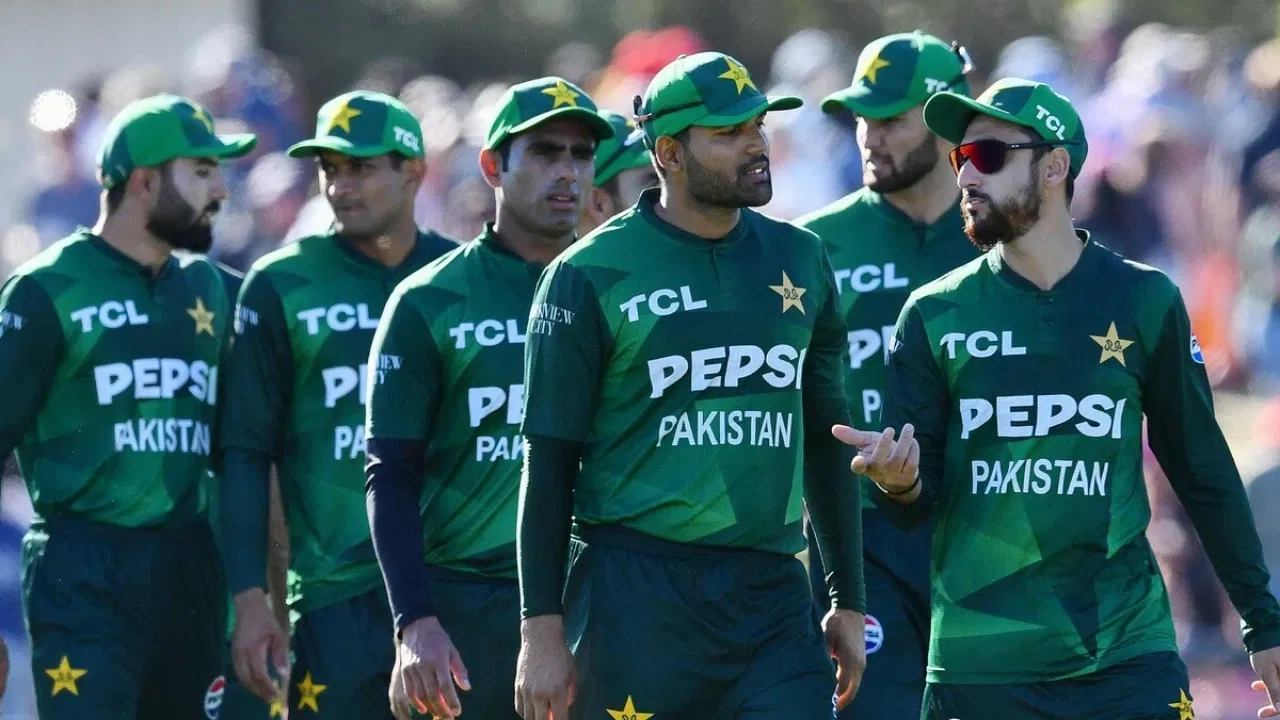
PCB Decides to Cut Expenses Ahead of Asia Cup 2025
The Pakistan Cricket Board (PCB) has recently made the decision to cut down on expenses by eliminating the rule that previously allocated 3% of the ICC earnings to the players. Additionally, there have been questions raised regarding the payment of a portion of sponsorship earnings to the Pakistan National players. This move comes at a time when the Pakistan National Cricket team is facing challenges on the international stage, with poor performances in recent matches.
Financial Turmoil and Central Contracts
Recent reports indicate that the PCB is looking to reduce costs by revisiting the financial arrangements with the players. The decision to rule out the 3% share of ICC revenues and the uncertainty surrounding the payment of sponsorship earnings have sparked discussions within the cricketing community. It is speculated that the current central contracts, which include a share of the ICC revenues, might be the last of its kind.
Furthermore, Pakistan’s recent performance in international matches has been less than impressive, with losses in Tests, ODIs, and T20Is. This has resulted in a drop in rankings for the national team, highlighting the need for strategic financial decisions by the PCB.
Financial Bulletin and Budget Increase
As the Asia Cup 2025 approaches, the PCB has issued a financial bulletin outlining the changes in the financial structure for the players. The board has reportedly increased its budget for retainership expenses by 37%, indicating a shift in financial priorities.
The revised budget takes the total expenses to around 1,173.49 million rupees, signaling a commitment to maintaining match fees and salaries for the upcoming central contracts. This move aims to ensure stability and financial security for the players amidst the evolving landscape of cricket.
Match Fees and Contract Categories
The match fees for players under the central contracts have been categorized into four groups – A to D. Test matches offer 1,257,795 rupees, ODIs provide 644,620 rupees, and T20 matches include 418,584 rupees as the official amounts.
Players in Category A receive 4.5 million rupees in monthly retainership along with 2.07 million rupees from the ICC share, totaling around 6.57 million rupees per month. Category B players receive 3 million rupees in monthly retainership and 1.5525 million rupees from the ICC share, amounting to around 4.5525 million rupees per month.
Category C players receive 1 million rupees in monthly retainership and 1.035 million rupees from the ICC share, totaling around 2.035 million rupees per month. Lastly, Category D players are provided with 750,000 rupees in monthly retainership and 517,500 rupees from the ICC share, equating to around 1.2675 million rupees per month.
Overall, the changes in financial policies by the PCB reflect a strategic approach to managing expenses while ensuring fair compensation for the players. As the cricketing landscape continues to evolve, these decisions are pivotal in maintaining the financial stability of the national team amidst challenging times.
Impact of Financial Changes on Player Morale
The recent financial changes implemented by the PCB have sparked mixed reactions within the cricketing community, particularly among the players. While the decision to eliminate the 3% share of ICC earnings and the uncertainty surrounding sponsorship payments may be seen as cost-cutting measures, some players have expressed concerns about the potential impact on their earnings and financial stability.
Player morale is a crucial aspect of team performance, and any uncertainty or dissatisfaction regarding financial matters can have a ripple effect on the field. It is essential for the PCB to communicate effectively with the players and address any concerns to ensure that the team remains focused and motivated, especially as they prepare for the upcoming Asia Cup 2025.
Strategic Financial Planning for Long-Term Success
Amidst the financial turmoil and performance challenges faced by the Pakistan National Cricket team, strategic financial planning is key to ensuring long-term success and sustainability. By revisiting financial arrangements, increasing budget allocations, and categorizing match fees and contract categories, the PCB is taking proactive steps to navigate the evolving landscape of cricket.
It is crucial for the PCB to strike a balance between cost-cutting measures and fair compensation for the players to maintain a harmonious relationship and foster a competitive spirit within the team. Strategic financial planning not only ensures financial stability but also contributes to building a strong foundation for the team’s future success on the international stage.
Adapting to Changing Demands in Cricket
The world of cricket is constantly evolving, with new formats, competitions, and commercial opportunities shaping the sport’s landscape. As the PCB makes financial decisions ahead of the Asia Cup 2025, it is essential to adapt to these changing demands while staying true to the core values of the game.
By reevaluating financial structures, increasing budget allocations, and categorizing match fees, the PCB is demonstrating a willingness to adapt to the evolving demands of modern cricket. These changes reflect a proactive approach to managing expenses, ensuring financial security for players, and positioning the national team for success in the competitive world of international cricket.
Looking Towards the Future
As the Pakistan National Cricket team prepares for the challenges of the Asia Cup 2025, the financial decisions made by the PCB will play a crucial role in shaping the team’s future. By prioritizing strategic financial planning, fair compensation for players, and adaptability to changing demands, the PCB is laying the groundwork for long-term success and sustainability.
It is imperative for the PCB to continue monitoring and adjusting its financial policies in response to the dynamic nature of cricket, ensuring that the national team remains competitive, motivated, and financially secure in the face of evolving challenges and opportunities in the world of cricket.
Latest News

Top 10 highest run-chases in T20 cricket history, ft. West Indies’ Ranchi win vs India
Aaryavir Sehwag and Anvay Dravid set to make headlines at U19 Asia Cup 2026

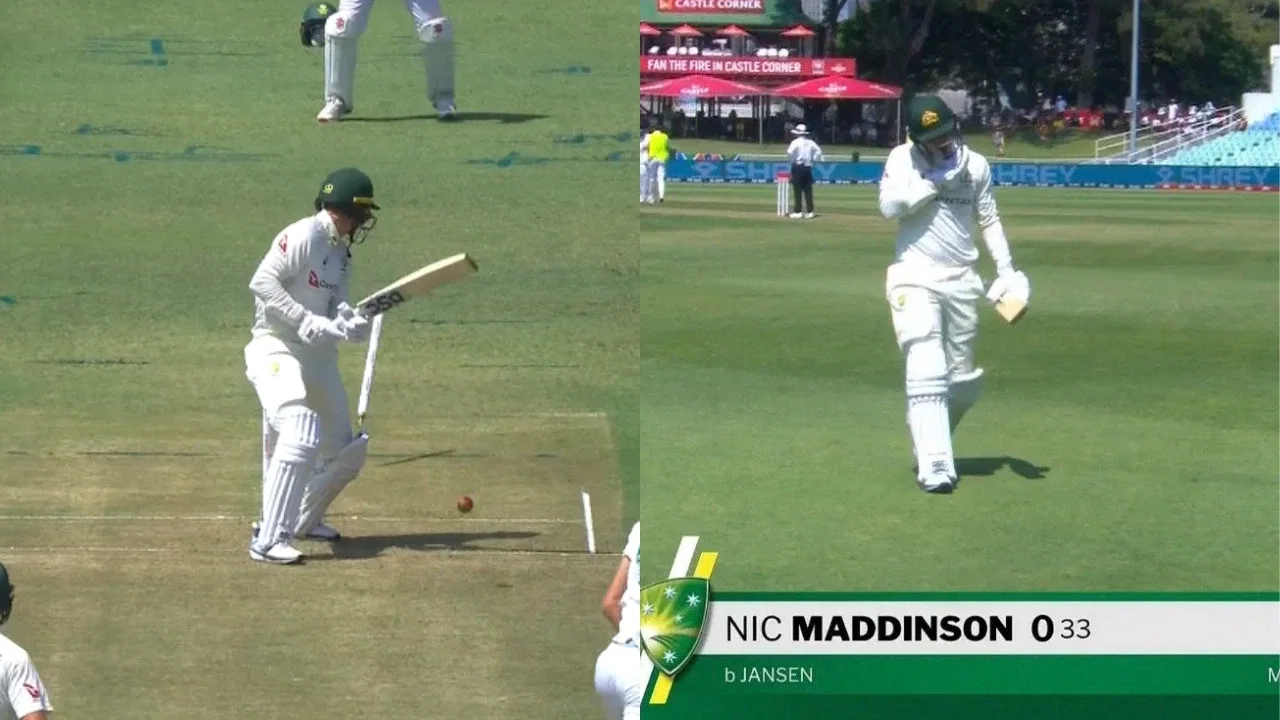
Longest ducks in Test cricket history ft. Nic Maddinson, Shoaib Akhtar

ECB to offer 39 central contracts to England players after Ben Stokes, Mark Wood’s retirement

Steve Smith surpasses Steve Waugh in all-time Test run-scorers’ list

Shane Watson identifies Gautam Gambhir’s biggest problem as India struggle for consistency

Is Bhuvneshwar Kumar in India’s 2027 World Cup plans? Ajinkya Rahane makes revelation
BCCI’s big ₹127 Crore move after injury crisis raises concerns over Team India

Parthiv Patel reveals RCB ignored his Jasprit Bumrah recommendation in IPL 2014 Auction

“Never spoke ill of any faith”: Irfan Pathan hits back at fake news using his name
Nic Maddinson bags 33-ball duck on Test comeback, disappoints George Bailey

Imran Tahir predicts 2027 ICC ODI World Cup Semi-Finalists, snubs India for title
Australia create unwanted history with first all-30-plus Test XI
Ravindra Jadeja returns to Ranji Trophy as Saurashtra announce squad