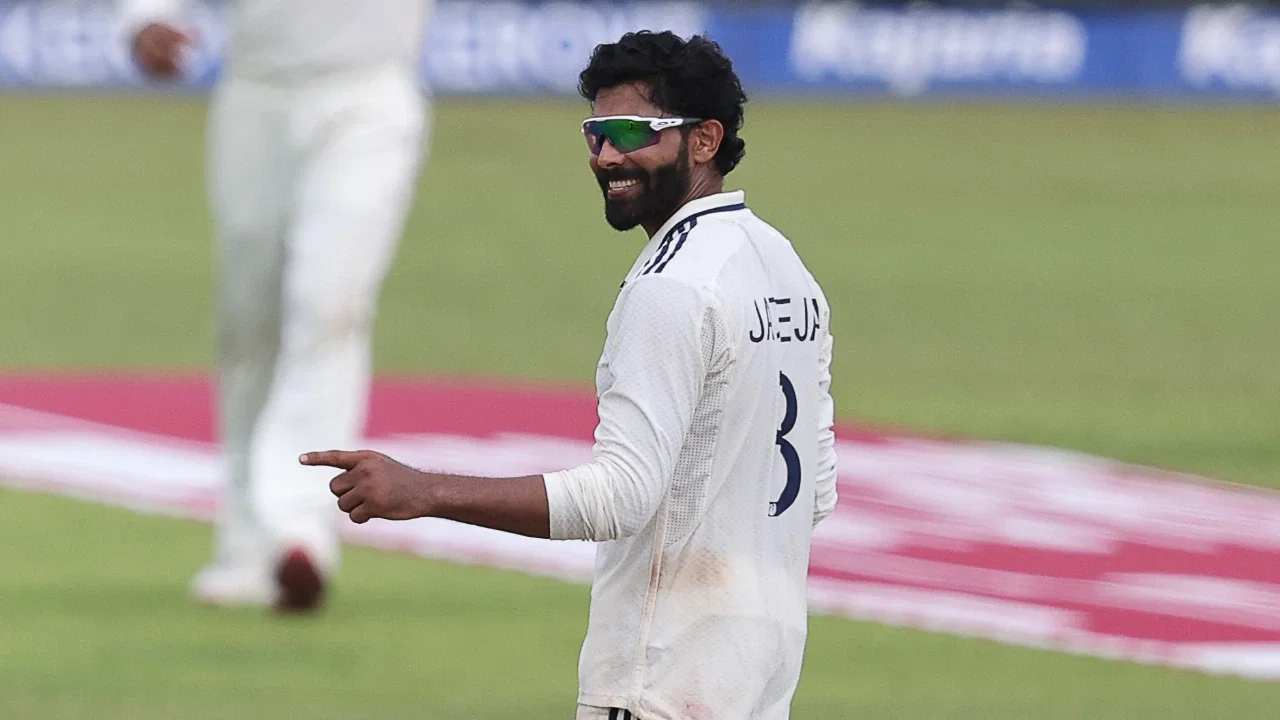
Asia Cup Trophy row deepens; BCCI’S VILE move vs Mohsin Naqvi revealed
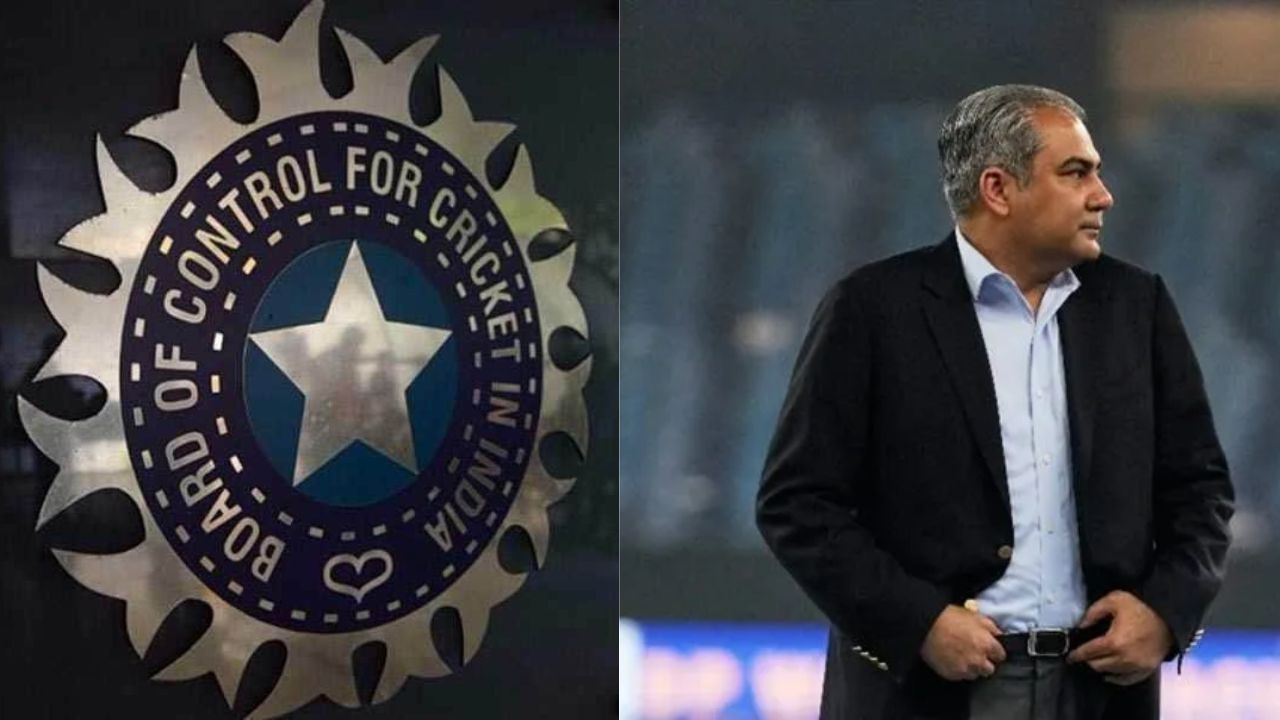
BCCI Pushes for Removal of ACC Chairman Mohsin Naqvi Over Asia Cup Controversy
Following the recent Asia Cup final between India and Pakistan, the Board of Control for Cricket in India (BCCI) has been pushing for the removal of Asian Cricket Council (ACC) Chairman Mohsin Naqvi. The controversy began when India defeated Pakistan by five wickets in the final match, but the Suryakumar Yadav-led Indian team refused to accept the winner’s trophy from Naqvi, citing his dual role in both the ACC and the Pakistan Cricket Board (PCB).
Escalating Controversy
The refusal to accept the trophy led to a heated exchange, with Naqvi expressing his frustration by taking the trophy away and insisting that India collect it from the ACC headquarters. The situation escalated further as the BCCI vowed to take action against Naqvi, including threatening to remove him from his position as the chairperson of the ACC.
Reports from Pakistani sources indicated that the BCCI’s strategy involved offering a deal to the Sri Lanka Cricket Board, proposing to send retired Indian cricket stars to participate in the 2025 Lanka Premier League. However, the PCB, in support of Naqvi, has shown resistance and readiness to protect his standing in Asian cricket.
Support for Mohsin Naqvi in Pakistan
Despite the controversy surrounding the Asia Cup final, Mohsin Naqvi has received support and recognition in Pakistan for his stance against India. The Pakistani government plans to honour Naqvi with a gold medal, with PPP Chairman Bilawal Bhutto Zardari invited as the chief guest for the ceremony.
Advocate Ghulam Abbas Jamal, President of the Sindh and Karachi Basketball Associations, confirmed that Naqvi would receive the prestigious Shaheed Zulfiqar Ali Bhutto Excellence Gold Medal as a token of appreciation for his actions during the Asia Cup.
Former Cricketer Criticizes Naqvi
Amidst the ongoing controversy, former Indian cricketer Harbhajan Singh criticized Mohsin Naqvi for his role in the Asia Cup trophy row. Singh expressed his views on the situation, stating that the matches should have taken place as scheduled, regardless of the post-match controversies.
Harbhajan emphasized that no individual, including Naqvi, should have the authority to withhold the trophy, as the rightful winners should receive their accolades. Despite the tensions and disagreements, the BCCI’s efforts to remove Naqvi continue to shape the future dynamics of the Asian Cricket Council.
Impact on Future Cricketing Relations
The fallout from the Asia Cup controversy has the potential to significantly impact future cricketing relations between India, Pakistan, and other Asian countries. The strained relationship between the BCCI and ACC Chairman Mohsin Naqvi could lead to a more polarized environment within the Asian cricketing community, with alliances forming based on individual interests and political affiliations.
Furthermore, the involvement of retired Indian cricket stars in the proposed 2025 Lanka Premier League as part of a deal orchestrated by the BCCI adds another layer of complexity to the situation. The use of cricketing talent as a bargaining chip in political disputes could set a dangerous precedent, potentially undermining the spirit of sportsmanship and fair play that cricket is meant to embody.
Political Influence in Cricket
The decision by the Pakistani government to honor Mohsin Naqvi with a gold medal highlights the intersection of politics and cricket in the region. By bestowing a prestigious award on Naqvi for his actions during the Asia Cup controversy, Pakistan is making a statement about its support for its representatives in international cricketing bodies.
This overt display of political influence in the realm of cricket could further complicate matters and blur the lines between sports and geopolitics. As cricket continues to be a unifying force in the region, the injection of political agendas into the sport may sow discord and hinder efforts towards fostering goodwill and cooperation through cricketing events.
The Role of Diplomacy in Cricketing Disputes
As tensions rise and controversies abound in the aftermath of the Asia Cup final, the need for diplomatic intervention to resolve cricketing disputes becomes increasingly evident. The involvement of national cricket boards, government officials, and former players in the conflict underscores the complex web of relationships and interests at play in international cricket.
Diplomatic channels must be utilized to de-escalate the situation, promote dialogue between the parties involved, and find a resolution that upholds the integrity of the sport. By engaging in constructive dialogue and seeking common ground, stakeholders can work towards ensuring that cricket remains a unifying force rather than a source of division and discord.
Looking Ahead: Future of Asian Cricket
As the dust settles on the Asia Cup controversy, the future of Asian cricket hangs in the balance. The outcome of the BCCI’s efforts to remove Mohsin Naqvi as ACC Chairman will have far-reaching implications for the governance and direction of cricket in the region.
It is imperative that all stakeholders in Asian cricket prioritize the spirit of sportsmanship, fairness, and mutual respect in their interactions. By fostering a culture of collaboration and unity, the Asian cricketing community can overcome current challenges and chart a path towards a brighter and more inclusive future for the sport.
By addressing the underlying issues and working towards reconciliation, Asian cricket can emerge stronger and more resilient, setting a positive example for the global cricketing community.
Latest News

New Zealand suffer blow as William O’Rourke misses India ODIs and Tests
Top 10 highest run-chases in T20 cricket history, ft. West Indies’ Ranchi win vs India
Aaryavir Sehwag and Anvay Dravid set to make headlines at U19 Asia Cup 2026
Longest ducks in Test cricket history ft. Nic Maddinson, Shoaib Akhtar
ECB to offer 39 central contracts to England players after Ben Stokes, Mark Wood’s retirement
Steve Smith surpasses Steve Waugh in all-time Test run-scorers’ list
Shane Watson identifies Gautam Gambhir’s biggest problem as India struggle for consistency
Is Bhuvneshwar Kumar in India’s 2027 World Cup plans? Ajinkya Rahane makes revelation
BCCI’s big ₹127 Crore move after injury crisis raises concerns over Team India
Parthiv Patel reveals RCB ignored his Jasprit Bumrah recommendation in IPL 2014 Auction
“Never spoke ill of any faith”: Irfan Pathan hits back at fake news using his name
Nic Maddinson bags 33-ball duck on Test comeback, disappoints George Bailey
Imran Tahir predicts 2027 ICC ODI World Cup Semi-Finalists, snubs India for title
Australia create unwanted history with first all-30-plus Test XI