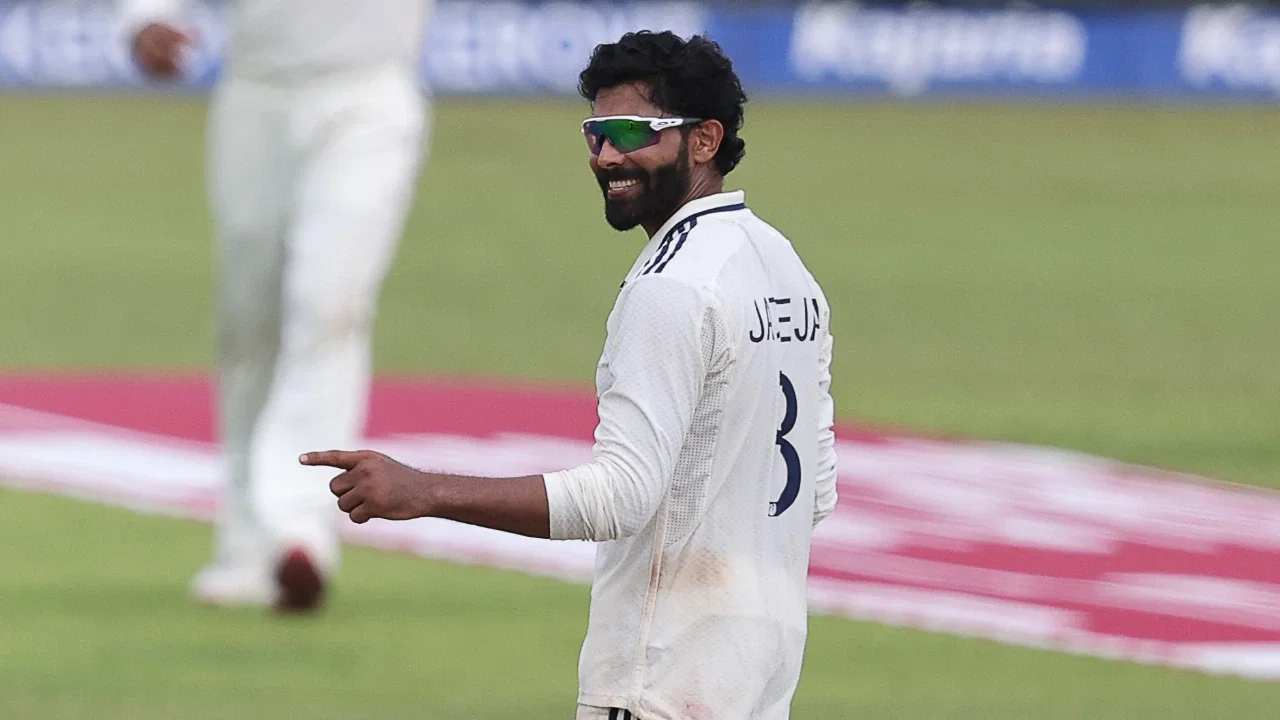
Bangladesh umpire retained by India for 3rd ODI vs New Zealand despite U19 World Cup handshake row
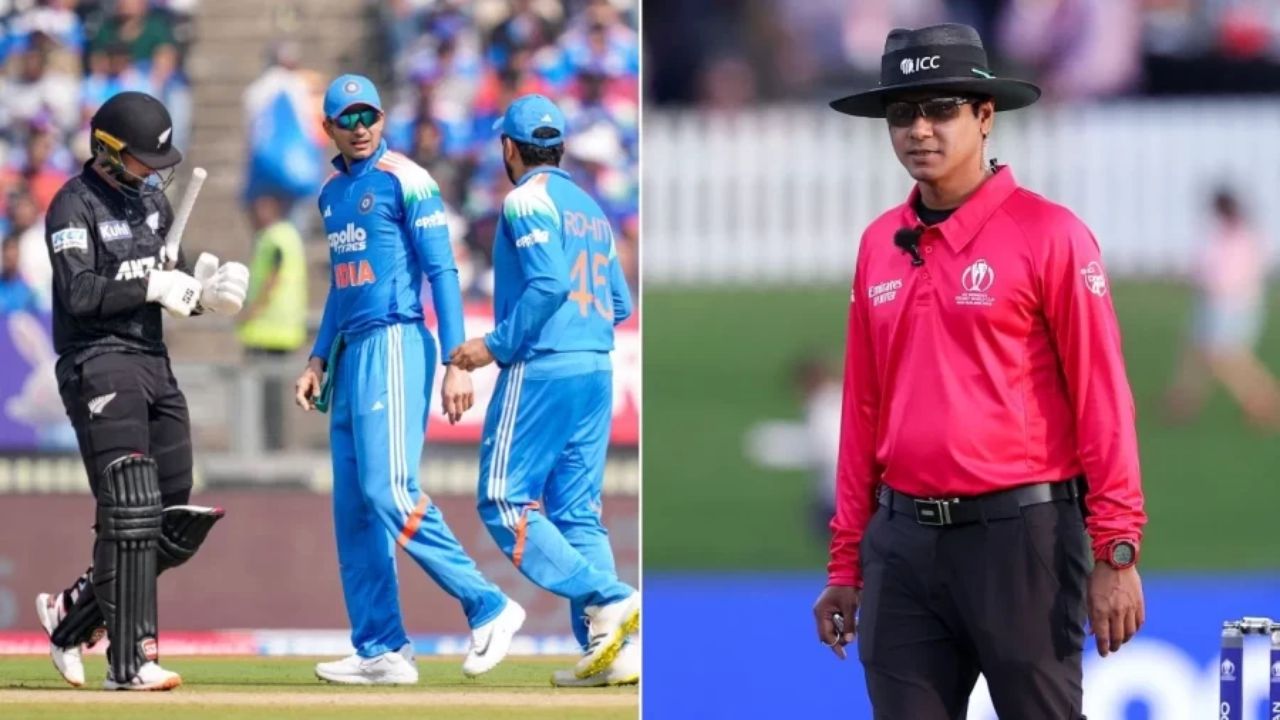
India Sticks with Bangladesh Umpire for Final ODI Against New Zealand
Amidst recent controversies surrounding handshakes in cricket matches, the Board of Control for Cricket in India (BCCI) has decided to retain Bangladeshi Umpire Sharfuddoula Saikat as the third umpire for the final One Day International (ODI) between India and New Zealand.
The feud between India and Bangladesh escalated following a handshake controversy during the U19 World Cup clash between the two nations. The trend of skipping handshakes between players was initially started by India and Pakistan but has now spilled over into the Indo-Bangladesh cricket rivalry.
Despite the tensions, the BCCI has opted not to exacerbate the situation and is instead focused on resolving the issues. Notably, the Indian team did shake hands with the opposition players after winning a group-stage game.
Arshdeep Singh Included in Indian Squad for Series Decider Against New Zealand
Indian management faced criticism for selecting Prasidh Krishna, whose economy rate has been a concern in the 50-over format. In contrast, Arshdeep Singh has proven to be both economical and capable of taking crucial wickets when needed.
Although not the fastest among Indian pacers, Singh’s ability to apply pressure on batters with his rhythm makes him a valuable asset. Despite not featuring in the first two ODIs, Singh has returned to the Playing XI for the final match in Indore, known for its flat pitch favoring batsmen.
Upon his return, Arshdeep Singh made an immediate impact by taking Henry Nicholls’ wicket in the first over. His precision and lateral movement troubled even the most prolific batters in the series, as seen in Daryll Mitchell’s struggle to score boundaries quickly.
With Singh’s accurate bowling and ability to maintain pressure on the opposition, India aims to clinch the series decider against New Zealand.
Match Officials for Today’s Game
For the crucial ODI match in Indore, the match officials include Bangladesh’s Sharfuddoula Saikat as the third umpire, with Anatha Padamnabhan and Richard Illingworth serving as on-field officials. Rohan Pandit is appointed as the 4th Umpire, while Javagal Shrinath takes on the role of Match Referee.
As the anticipation builds for the final showdown between India and New Zealand, all eyes are on the players and officials as they strive to deliver an exciting and competitive match in the series decider.
The Importance of Predictions in Cricket
When it comes to cricket matches, predictions play a significant role in setting expectations and analyzing outcomes. Fans, experts, and even players often make predictions based on various factors such as current form, past performances, pitch conditions, and even umpiring decisions. In the context of the final ODI between India and New Zealand, predictions are rife with speculation and excitement.
As fans eagerly await the showdown between the two cricketing giants, many are making their predictions about the potential outcome of the match. Some believe that India’s strong batting lineup will overpower New Zealand’s bowling attack, while others argue that New Zealand’s disciplined bowling unit may prove challenging for India’s batsmen on the flat pitch in Indore.
Moreover, the inclusion of Arshdeep Singh in the Indian squad has sparked further discussions and predictions. Will Singh’s precision bowling be the key to India’s victory, or will New Zealand’s batsmen find a way to counter his tactics? These questions fuel the excitement and anticipation surrounding the final ODI.
The Role of Umpires in Cricket Controversies
Umpires are an integral part of cricket matches, ensuring fair play and upholding the rules of the game. However, they often find themselves at the center of controversies, especially in high-stakes matches involving heated rivalries. The decision to retain Bangladeshi Umpire Sharfuddoula Saikat for the final ODI between India and New Zealand comes at a time when umpiring decisions have been under scrutiny.
With recent controversies surrounding handshakes and on-field disputes, the role of umpires in maintaining decorum and impartiality is more crucial than ever. By retaining Saikat as the third umpire, the BCCI is sending a message of unity and sportsmanship, despite the tensions between India and Bangladesh.
As match officials prepare for the series decider, their decisions and judgments will be closely watched by fans and players alike. The spotlight on the umpires underscores the importance of their role in ensuring a fair and competitive match between India and New Zealand.
The Impact of Pitch Conditions on the Final ODI
Indore’s pitch has a reputation for favoring batsmen, with its flat surface and even bounce providing an ideal setting for high-scoring matches. As India and New Zealand gear up for the final ODI, the pitch conditions are expected to play a significant role in determining the outcome of the game.
For Indian bowlers like Arshdeep Singh, adapting to the pitch conditions will be crucial in maintaining pressure on the opposition batsmen. The ability to vary line and length, exploit any lateral movement, and capitalize on the pitch’s characteristics will be key factors in restricting New Zealand’s batting lineup.
On the other hand, New Zealand’s bowlers will need to find ways to counter the flat pitch and devise strategies to contain India’s powerful batting order. Adjusting their bowling tactics, using variations effectively, and exploiting any assistance from the pitch will be essential for New Zealand to emerge victorious in the series decider.
As the final ODI between India and New Zealand unfolds on the flat pitch in Indore, the players’ adaptability to the pitch conditions and their ability to capitalize on its characteristics will ultimately shape the outcome of the match.
By delving into the significance of predictions, the role of umpires in cricket controversies, and the impact of pitch conditions on the final ODI, this expanded content offers a comprehensive perspective on the upcoming match between India and New Zealand. These insights provide readers with a deeper understanding of the factors at play and the dynamics shaping the series decider.
Latest News
New Zealand suffer blow as William O’Rourke misses India ODIs and Tests
Top 10 highest run-chases in T20 cricket history, ft. West Indies’ Ranchi win vs India
Aaryavir Sehwag and Anvay Dravid set to make headlines at U19 Asia Cup 2026
Longest ducks in Test cricket history ft. Nic Maddinson, Shoaib Akhtar
ECB to offer 39 central contracts to England players after Ben Stokes, Mark Wood’s retirement
Steve Smith surpasses Steve Waugh in all-time Test run-scorers’ list
Shane Watson identifies Gautam Gambhir’s biggest problem as India struggle for consistency
Is Bhuvneshwar Kumar in India’s 2027 World Cup plans? Ajinkya Rahane makes revelation

BCCI’s big ₹127 Crore move after injury crisis raises concerns over Team India
Parthiv Patel reveals RCB ignored his Jasprit Bumrah recommendation in IPL 2014 Auction
“Never spoke ill of any faith”: Irfan Pathan hits back at fake news using his name
Nic Maddinson bags 33-ball duck on Test comeback, disappoints George Bailey
Imran Tahir predicts 2027 ICC ODI World Cup Semi-Finalists, snubs India for title
Australia create unwanted history with first all-30-plus Test XI