BCCI clarifies stand on Sports Governance Act amid OCA poll row
Understanding the Complexities of Cricket Governance Amidst Legal Challenges and New Sports Legislation
The landscape of cricket administration in India is currently embroiled in a web of legal disputes, legislative interpretations, and administrative uncertainties. Central to this tumult is the recent stance taken by the Board of Control for Cricket in India (BCCI) regarding the implications of the upcoming National Sports Governance Act, 2025, and how it interacts with existing constitutional provisions and state associations’ election schedules. This evolving situation not only impacts the governance of cricket at the state level but also raises broader questions about the future regulatory framework of sports in India.
The BCCI’s Stance on the National Sports Governance Act, 2025
Legal Filing and Official Position
In a significant development, the BCCI’s legal team filed an affidavit in the Odisha Cricket Association (OCA) election case at the Odisha High Court. This affidavit, which has sparked widespread discussion among cricket administrators and legal experts, explicitly states that cricket is not classified as a ‘designated sport’ under the recently enacted National Sports Governance Act, 2025. This declaration is crucial because it suggests that the provisions of this new law, which aims to overhaul sports governance across India, do not automatically apply to cricket unless it is formally notified as a designated sport by the government.
Implications of the BCCI’s Position
The affidavit emphasizes that, according to the BCCI, cricket remains outside the scope of the National Sports Governance Act for now. As a result, the board asserts that it is bound primarily by its own constitution, which was amended post the Lodha Committee recommendations in 2019. This internal governance framework has long been considered a model for transparent and accountable cricket administration in India.
The BCCI’s legal stance further clarifies that, despite the enactment of the new law, its provisions do not automatically regulate cricket unless the sport is officially notified as a ‘designated sport.’ This interpretation carries significant weight because it means that the current governance and election rules of the BCCI and its affiliated state associations remain valid until such notification occurs.
Controversies Surrounding State Associations and Election Timelines
Delays and Confusion over Election Schedules
One of the key issues arising from this legal and legislative ambiguity involves the scheduled elections of various state cricket associations. Following a notice issued by the sports ministry last December, many state bodies believed they could delay their elections until December 2026. This delay was based on the ministry’s guidelines, which permitted deferment and relaxed certain conflict-of-interest rules, notably removing the cooling-off period requirement that previously mandated a mandatory gap between terms for office-bearers.
However, this has led to confusion within the cricket administration community. Several state associations are now uncertain whether they should adhere to the directives of the sports ministry or follow the BCCI’s interpretation, which emphasizes compliance with its constitution and the Lodha Committee reforms. This ambiguity risks creating a fragmented governance landscape, with different associations possibly operating under conflicting rules.
Concerns Over Governance and Continuity
Industry insiders warn that prolonged delays in elections could hinder the development of cricket in India. Continuity in administration is often viewed as vital for strategic planning, talent development, and maintaining organizational stability. Critics argue that the reluctance of the BCCI to fully align with government directives might undermine efforts to establish a transparent and accountable governance structure, especially as the sport prepares for future international and domestic challenges.
Legal and Political Dimensions: Parliament and RTI Exemptions
Parliamentary Discussions and Political Support
The debate surrounding the applicability of the Sports Governance Act has also permeated the political arena. During a parliamentary discussion in August 2025, Kesineni Sivanath, a Member of Parliament from Andhra Pradesh and president of the Andhra Cricket Association, expressed support for the new legislation. He highlighted that the BCCI, in his view, already adheres to many of the principles outlined in the bill, such as transparency and accountability, and welcomed the move to regulate sports governance more uniformly across India.
Right to Information (RTI) Act and BCCI’s Exemption
Another layer of complexity involves the BCCI’s exemption from the Right to Information (RTI) Act. Unlike most sports bodies funded by public money, the BCCI has historically maintained that it operates as a private entity, thus exempting it from RTI disclosures. In May, the Central Information Commission reaffirmed this position, ruling that the Lodha Committee’s recommendations were advisory rather than mandatory, thereby preserving the BCCI’s RTI exemption.
This exemption has been a point of contention, with critics arguing that it hampers transparency and accountability. The ongoing legal debates may influence whether the BCCI continues to enjoy this exemption or if future legislation or judicial rulings could alter its status.
Looking Ahead: The Road to Clarity and Better Governance
Upcoming Court Proceedings and the Role of the Judiciary
The Odisha High Court is scheduled to hear the case again on September 1, which is expected to shed more light on whether the state associations must follow the BCCI’s existing constitution or await formal notification of cricket as a designated sport under the new law. This hearing is crucial because it could set a precedent for how sports governance laws are interpreted and enforced across India.
Prediction: Future of Cricket Governance in India
Based on current developments, prediction suggests that the governance framework of Indian cricket will continue to evolve over the coming months. While the BCCI’s firm stance emphasizes adherence to its constitution and internal reforms, mounting pressure from government agencies, judicial authorities, and stakeholders may prompt a more integrated approach. The eventual formal notification of cricket as a ‘designated sport’ under the Sports Governance Act could standardize rules nationwide, promoting transparency, fair elections, and conflict-of-interest regulations.
Furthermore, increased transparency and accountability, possibly driven by judicial rulings and legislative amendments, are likely to improve governance standards. These changes could foster greater trust among players, fans, sponsors, and international cricket bodies, ensuring India remains a leading cricketing nation.
Conclusion: Navigating the Crossroads of Legislation and Tradition
The ongoing debate over the applicability of the National Sports Governance Act, 2025, to Indian cricket underscores a broader challenge: balancing legal reforms, traditional governance practices, and the unique needs of a sport that holds immense cultural significance in India. As the judiciary, government, and cricket administrators work through these complex issues, the prediction is that India’s cricket governance will gradually align with global standards, ensuring a more transparent, accountable, and sustainable future for the sport.
Stakeholders eagerly await the next developments, which will undoubtedly shape the trajectory of cricket administration in India for years to come. Whether through legislative clarification, judicial intervention, or internal reforms, the goal remains clear: to uphold the integrity and spirit of cricket while embracing modern governance principles.
Latest News
BCCI clarifies stand on Sports Governance Act amid OCA poll row
Punjab Kings star recalls complaining to Virat Kohli over less IPL games under Shreyas Iyer
Dinesh Karthik names world’s best all-format cricketers, Shubman Gill IN
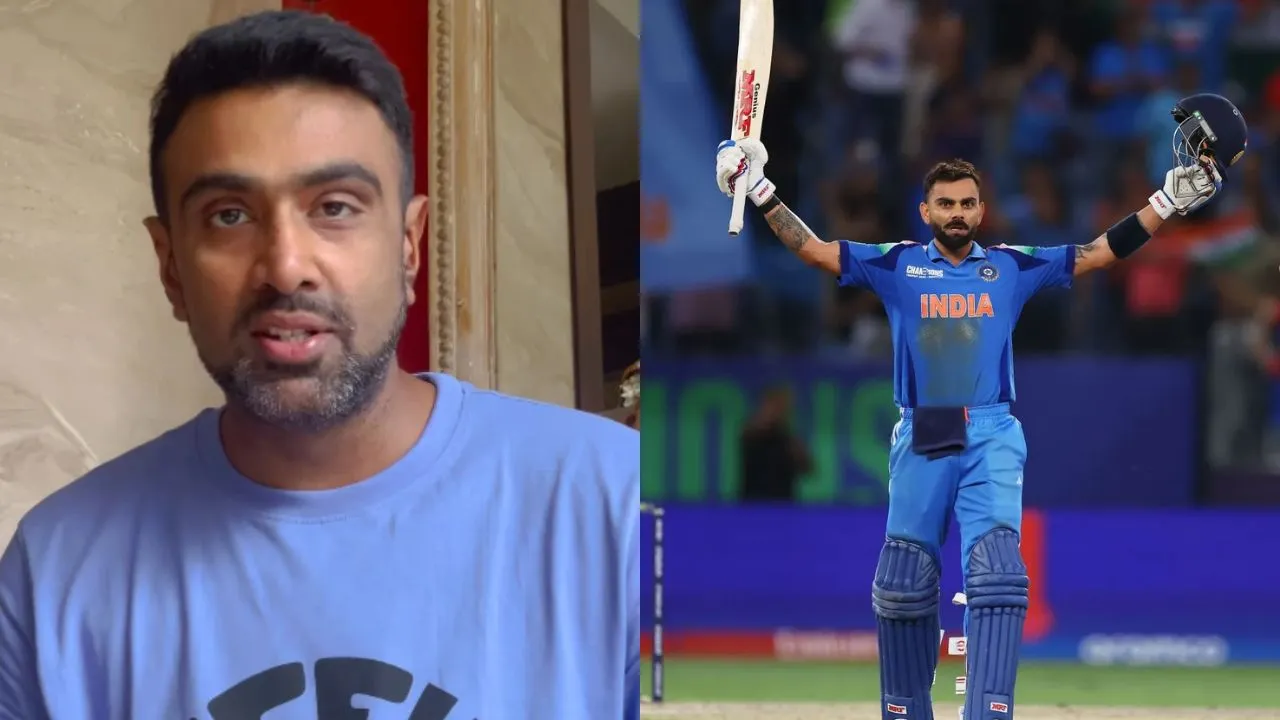
Ravichandran Ashwin picks Sachin Tendulkar as greatest Indian cricketer; snubs Virat Kohli, Jasprit Bumrah
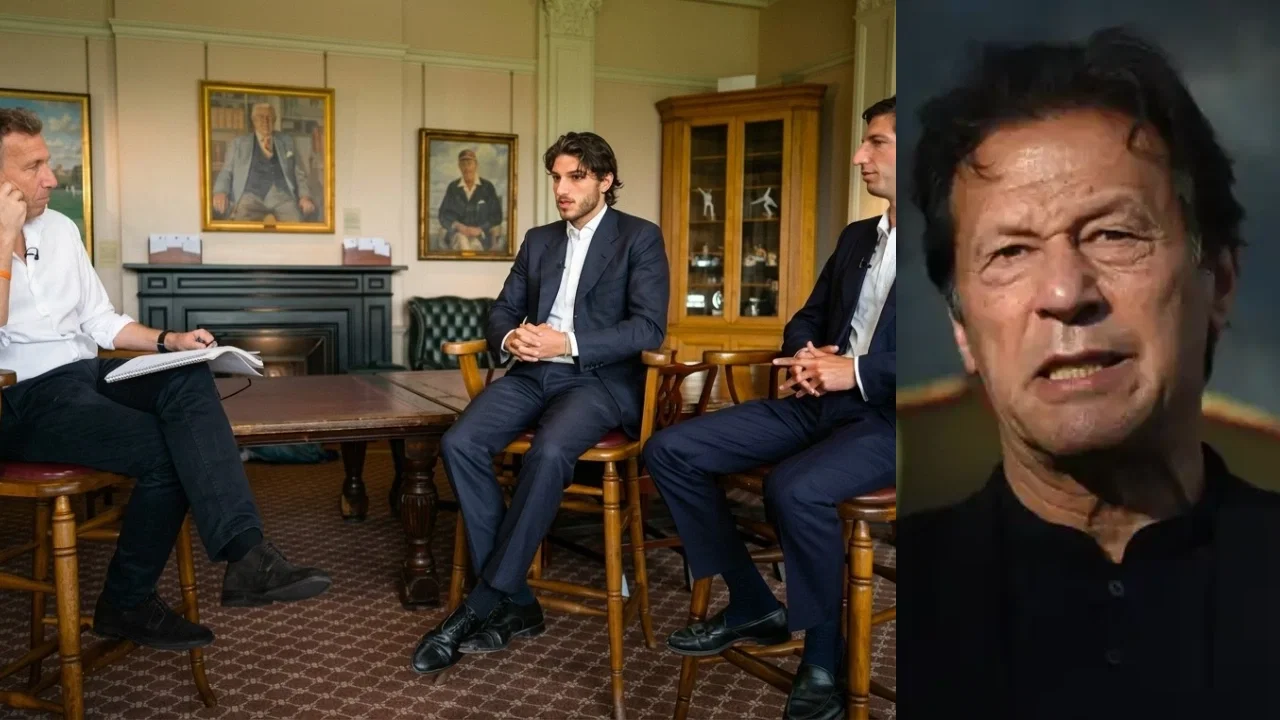
ECB seeks UK government help after PCB threatens Lord’s Test pullout over Imran Khan interview
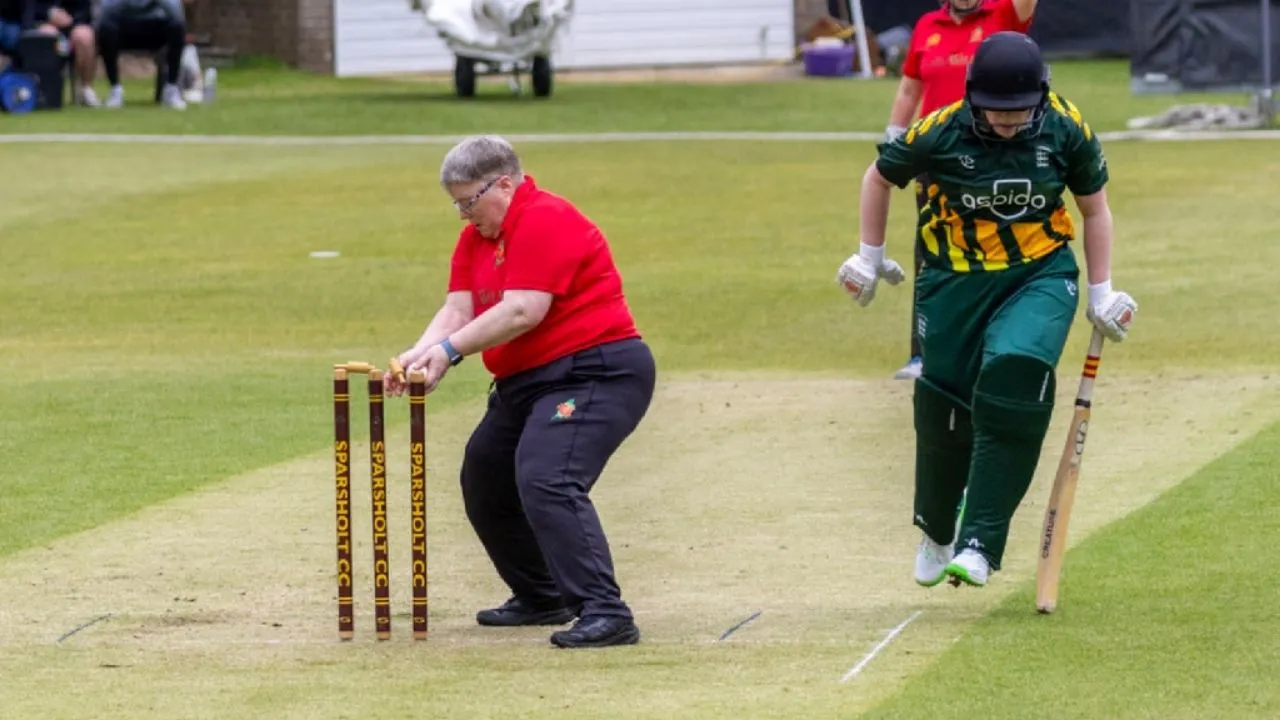
Isle of Man spinner Joanne Hicks becomes oldest bowler to claim international five-wicket haul
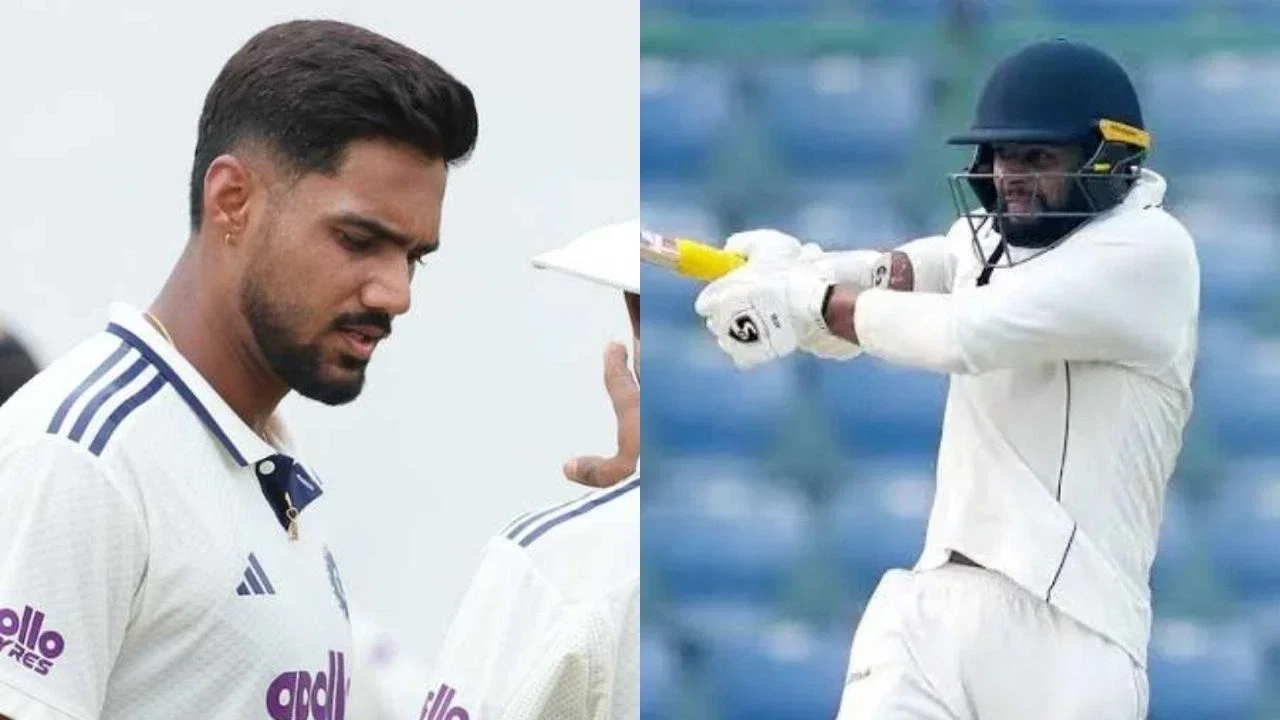
Gurnoor Brar to play Duleep Trophy semi-final, Sanat Sangwan IN, Yash Dhull retained
BCCI issues statement on sending ‘B team’ for Asian Games 2026
Shubman Gill’s declaration plan selfishly blocked by Gautam Gambhir in Colombo Test
Sarfaraz Ahmed addresses PCB’s Lord’s Test boycott threat
Joe Root equals embarrassing world record with seven LBW dismissals
Babar Azam joins elite bowlers’ list as Test century drought extends
RTD vs BWV Dream11 Prediction Today Match, Dream11 Team Today, Fantasy Cricket Tips, Playing XI, Pitch Report, Injury Update- European T20 Cup 2026, Match 6
Ravichandran Ashwin questions Kuldeep Yadav’s omission after Sri Lanka escape with draw